
The CDL Crackdown Risk: How to Secure 2026 Trucking Capacity
The trucking industry is under regulatory pressure not seen in years. The 2025–2026 commercial driver’s license (CDL) crackdown is tightening who can legally drive a commercial truck in the U.S. It is not one policy but several converging at once. In September 2025, FMCSA issued an emergency rule restricting non-domiciled CDL eligibility. By the end […]
How to Plan Better Routes Amid the Transcontinental Rail Merger
Intermodal freight has become both a solution and a frustration. Capacity swings. Terminal congestion. Long drayage wait times. Service gaps between eastern and western rail networks. Even small disruptions in intermodal transportation can ripple across the supply chain. Shippers want reliability. Fewer handoffs. Smoother coast-to-coast service. That is why the proposed Union Pacific and Norfolk […]
11 Essential Best Practices to Secure Your Intermodal Transport Freight
Many U.S. businesses overlook critical best practices by assuming that preparing freight for intermodal transportation is just like standard trucking. While the logic seems simple: load it, secure it, and send it. However, ignoring specific best practices can lead to disaster. Intermodal shipping is a unique beast. It involves multiple handoffs and physical stresses that […]
Why It’s Crucial to Understand Intermodal Drayage
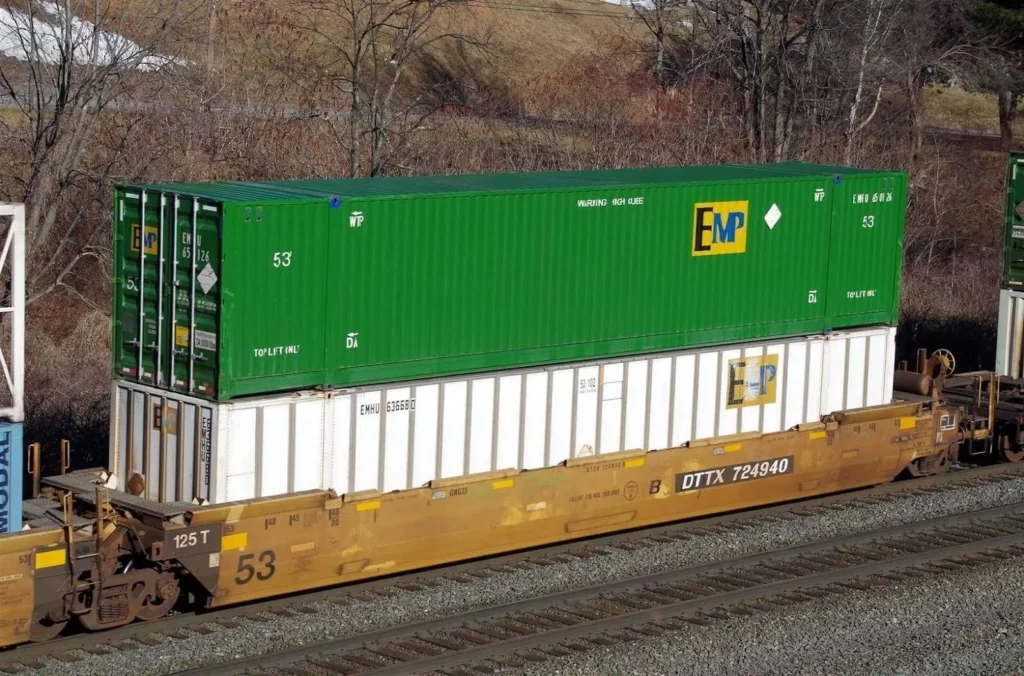
Many U.S. businesses think intermodal drayage is simple. A container moves by rail, a drayage truck picks it up, and the job is done. But what often gets overlooked is the short leg in between. That short move can make or break your shipment timeline. Intermodal drayage is the process of moving an intermodal container […]
Top 9 Challenges in Intermodal Shipping and How to Avoid Them
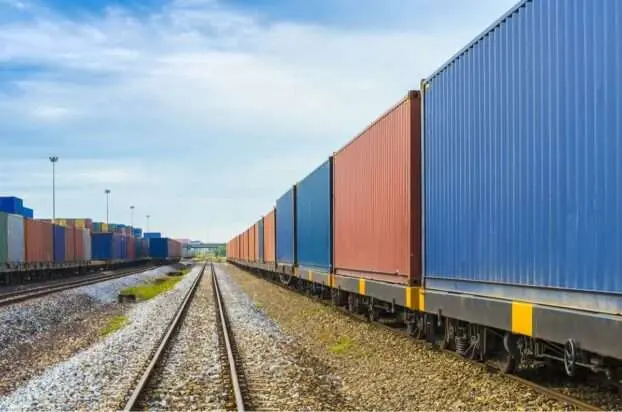
Intermodal shipping is one of the most efficient and cost-effective ways to move freight across the U.S. However, it’s not without its top challenges. By using a combination of trucking, rail, and sea transport, it offers flexibility and scalability that many small and mid-sized businesses need. But like any shipping method, it comes with its […]
Is Intermodal Shipping Right for Small- and Mid-Sized Businesses?
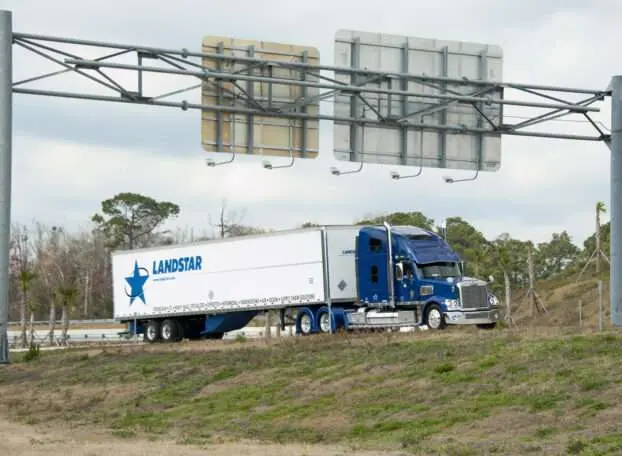
For many small- to medium-sized businesses (SMBs) in the U.S., shipping is more than a back-office function. It’s a strategic operation that directly affects margins, customer satisfaction, and scalability. Full truckload and LTL freight shipping are common choices. But intermodal shipping is quickly becoming a smart alternative for SMBs that want to move freight more […]
Ready for Intermodal Transport? 9 Clear Signs Your Business Needs to Make the Shift Now
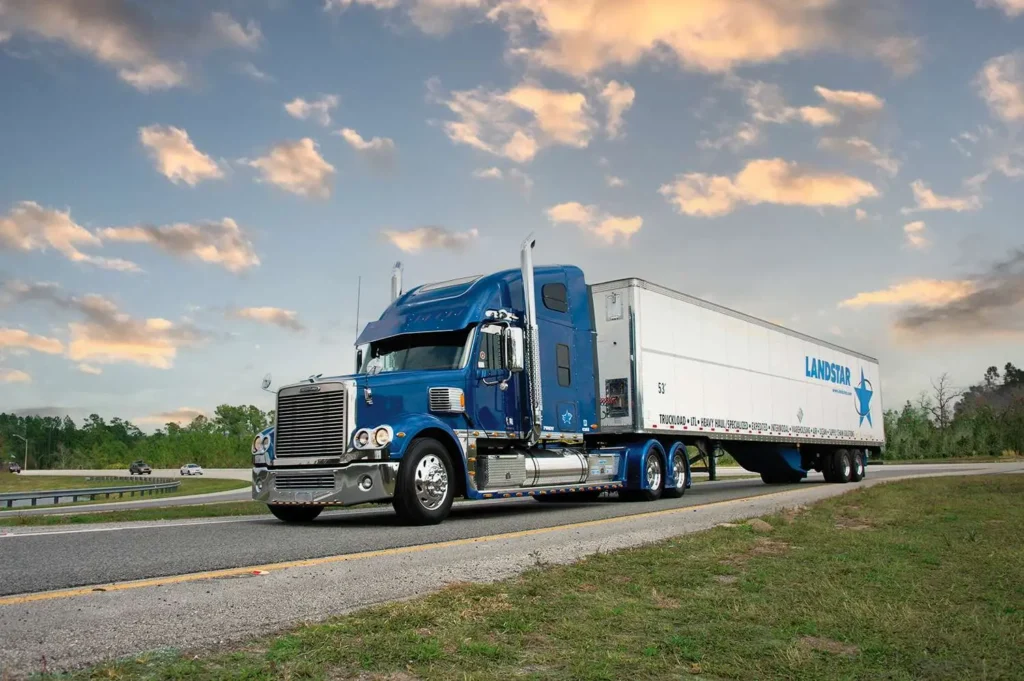
Intermodal transport is reshaping how U.S. businesses move freight and for good reason. While trucks still handle most of the nation’s cargo and remain essential, relying only on over-the-road (OTR) shipping can mean higher costs and lower efficiency. Today, intermodal transport blends multiple transport modes like truck, rail, and ship to move freight efficiently. Businesses […]
Reducing Freight Costs With Intermodal Transport: What You Need to Know
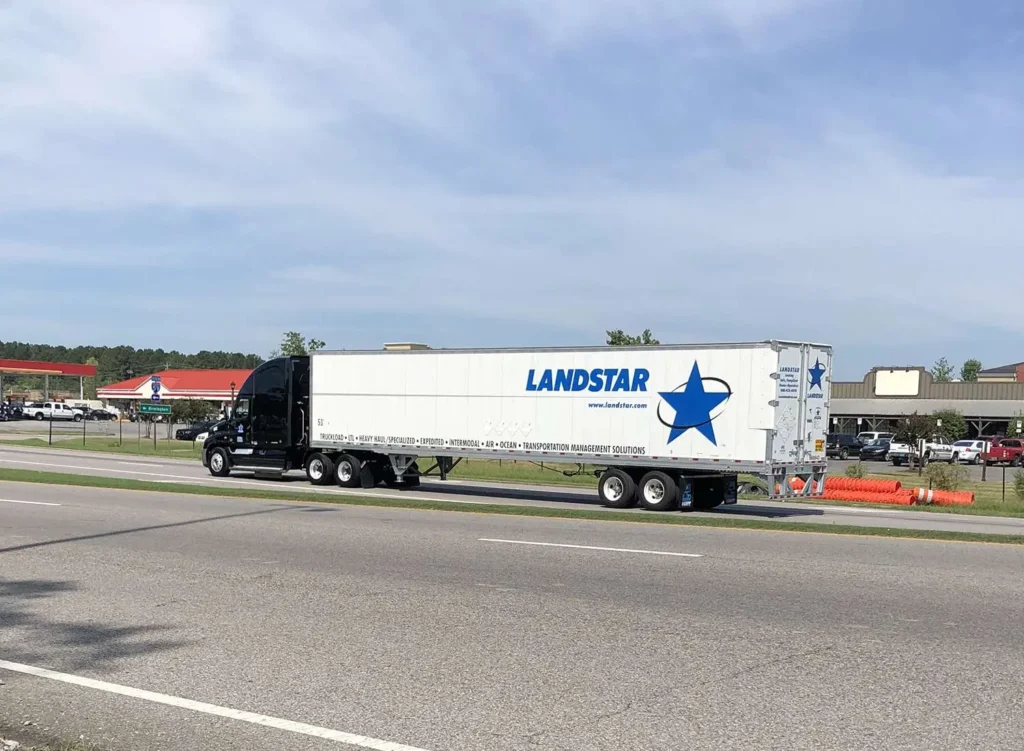
Shipping costs are climbing. So, for U.S. businesses looking to stay competitive, intermodal transport is becoming a smart solution. With fuel prices, labor shortages, and supply chain delays squeezing margins, finding cost-effective shipping strategies is more important than ever. When used right, intermodal transport can reduce freight costs and improve delivery reliability. It also helps […]
Intermodal Transport or Multimodal? Make the Right Call for Your Bottom Line
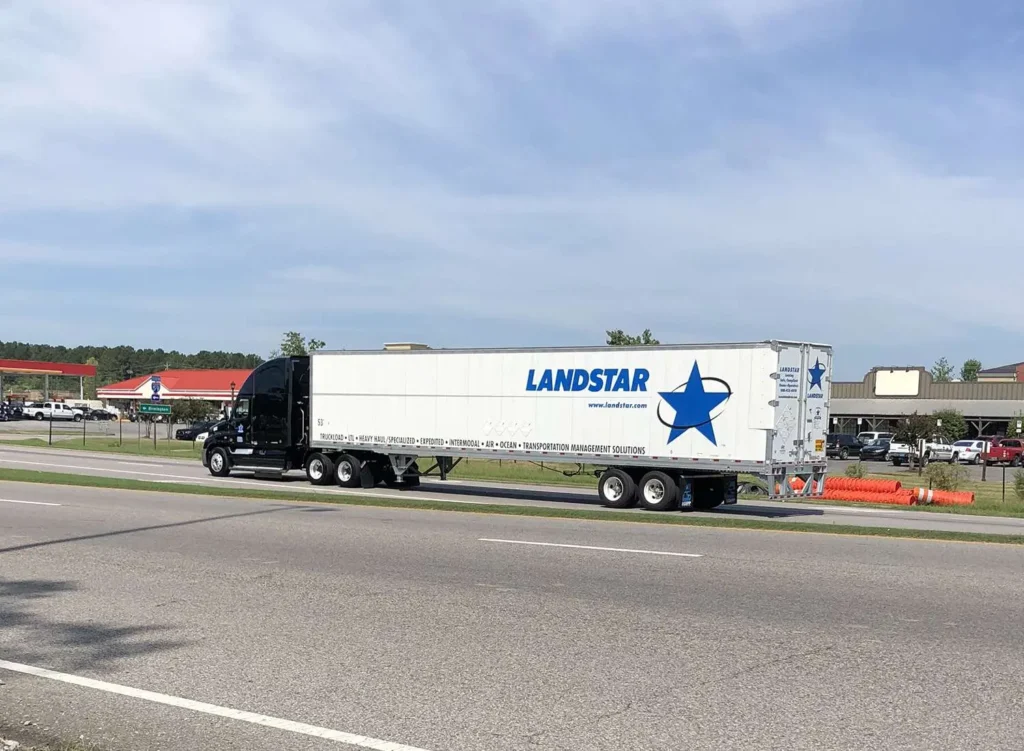
In logistics, details matter. The often-overlooked difference between multimodal and intermodal transport significantly impacts your bottom line. These two terms are often confused. But if you’re managing supply chain transportation in the U.S., understanding the difference is more than helpful. It’s a strategic advantage. Intermodal vs. Multimodal: The Core Difference Both systems use two or […]
9 Proven Benefits of Intermodal Transport You Should Know
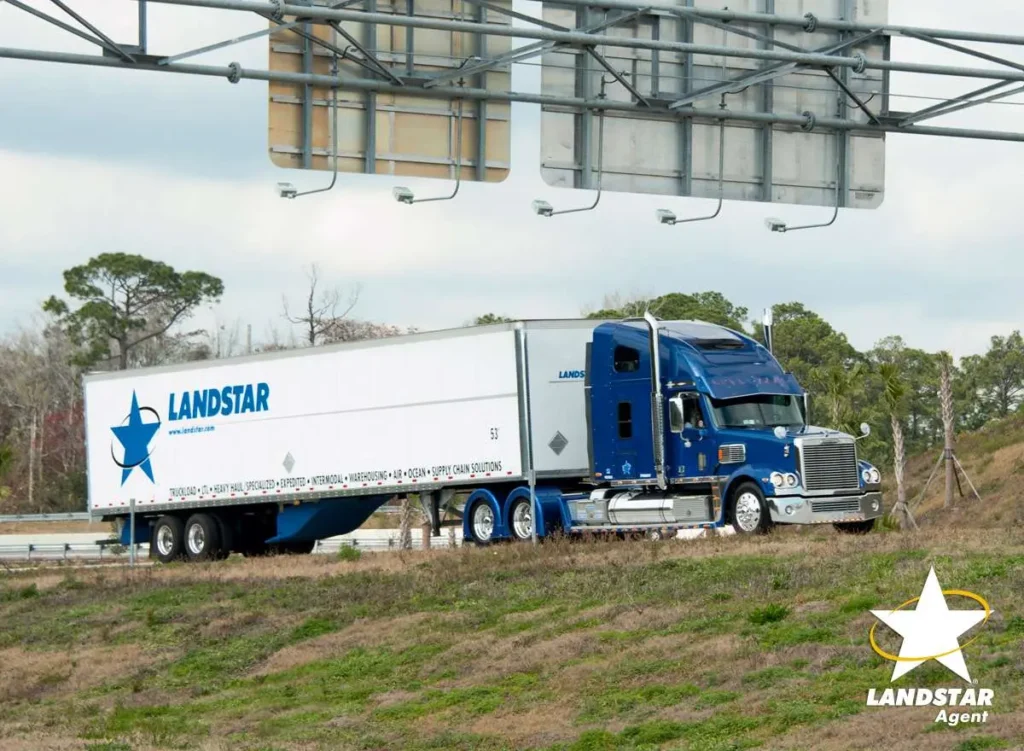
When it comes to moving freight efficiently across the country, intermodal transport is gaining serious traction among U.S. businesses. Intermodal freight transport combines the strengths of multiple transport modes, typically truck, rail, and ship. This approach creates a flexible, cost-effective, and environmentally responsible alternative to single-mode shipping. In today’s logistics landscape, where margins are tight […]