
What does BCO meaning in shipping?
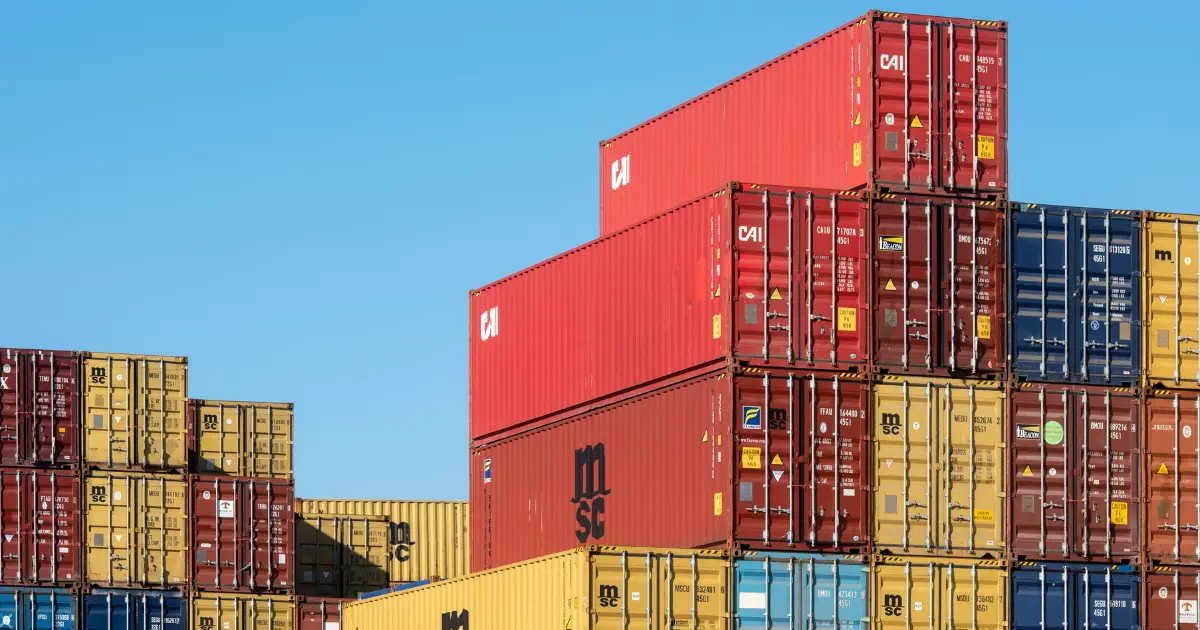
BCO Meaning – Beneficial Cargo Owner—the party that ultimately owns the goods being shipped (often the importer/consignee) and takes possession of the cargo at destination. In practical terms, a BCO either runs the move themselves or contracts directly with vessel-operating carriers instead of relying solely on intermediaries.
How is a BCO different from an NVOCC or a freight forwarder?
- BCO (you, the importer/brand): Owns the cargo and is the party of interest the shipment is ultimately for. May sign service contracts directly with ocean carriers.
- NVOCC/Freight Forwarder: A licensed intermediary that doesn’t operate ships but consolidates bookings, provides documentation, and manages the smove for shippers—often ideal for smaller volumes or flexible capacity.
In short: BCO = cargo owner; NVOCC/forwarder = intermediary arranging carriage on your behalf. Many BCOs still use NVOCCs strategically for overflow lanes, special routings, or to tap pooled capacity.
Why do some BCOs contract directly with carriers?
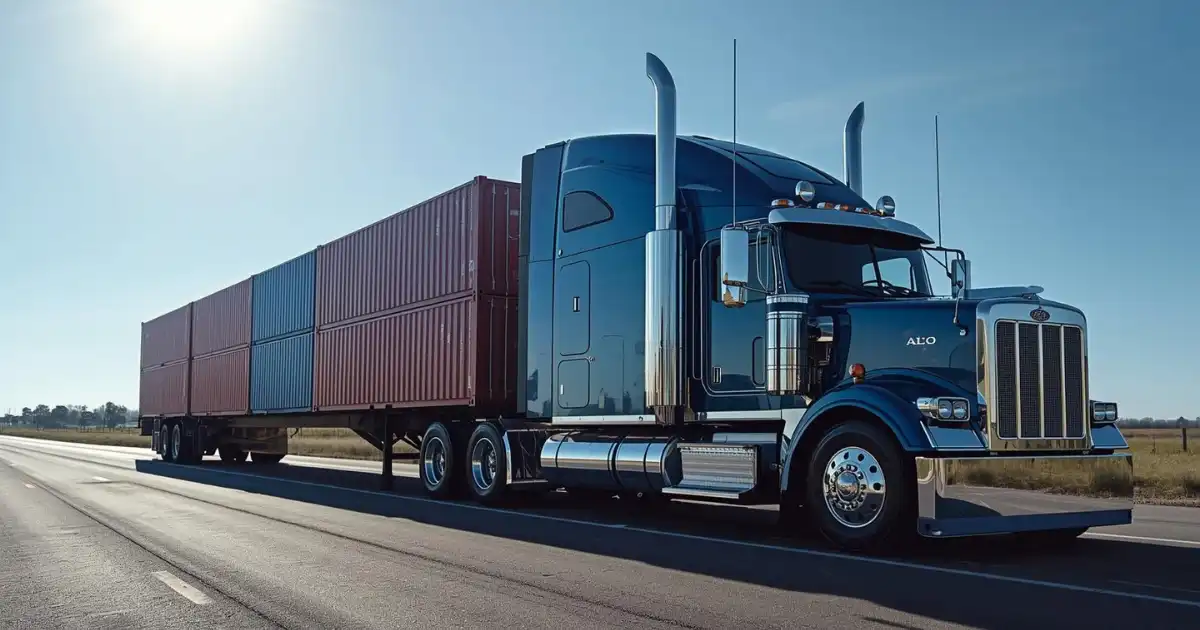
Direct contracts can unlock:
- Rate stability and allocation (especially in tight markets).
- Operational control (sailing choices, equipment priorities).
- Data visibility (direct EDI/API with the carrier).
These advantages usually require volume commitments, which is why mid-to-large importers are the typical BCOs that go direct, while small shippers often prefer NVOCC flexibility.
What is an MQC—and why does every BCO hear about it?
When a BCO signs a service contract with a carrier, both sides agree on a Minimum Quantity Commitment (MQC)—the baseline number of containers (e.g., FEUs) the BCO promises to move in a period in return for agreed rates/service. If volume swings above or below plan, renegotiations or true-ups may apply.
As a rough market heuristic, “Tier-1” carrier pricing typically shows up at very high annual volumes (e.g., ~10,000 TEU/year), which isn’t feasible for many brands—another reason smaller BCOs blend direct contracts with NVOCC capacity.
BCO responsibilities: beyond booking space
Being a BCO isn’t only about rates. You’re also on point for:
- Documentation & compliance (commercial invoice, packing list, ISF, AMS, VGM, etc.).
- Drayage & inland (port pickup, chassis, FCL delivery).
- Storage clock management to avoid avoidable demurrage and detention.
Under OSRA 2022, BCOs have clearer pathways to challenge improper carrier/MTO billing—especially on demurrage and detention—via the FMC charge complaint process. The regulations also set billing-content and timing requirements for these invoices.
Demurrage & detention: what changed for BCOs?
- The FMC (Federal Maritime Commission) formalized billing requirements and timelines. If an invoice doesn’t meet OSRA content standards, the billing party must fix it—though non-compliance doesn’t permanently erase the underlying obligation if the charge is otherwise proper.
- BCOs can file charge complaints when they believe fees violate shipping statutes, including many demurrage/detention issues.
Bottom line: you still need tight yard/port timing, but you also have clearer recourse when billing is out of bounds.
BCO vs. “importer of record” vs. “shipper of record”
- Importer of Record (IOR): The entity responsible for clearing goods through customs and paying duties/taxes.
- Shipper of Record: The entity listed as shipper on bills of lading.
- BCO: The party with the beneficial interest in the cargo, typically the importer/consignee—and often (but not always) the same as the IOR/shipper of record depending on contract structure.
Should your company act as a BCO (sign direct contracts) or use an NVOCC?
Choose BCO/direct if you:
- Consistently move meaningful volume in specific lanes.
- Want negotiated rates/allocation and direct data feeds.
- Can accurately forecast and live with MQC commitments.
Lean on NVOCCs if you:
- Have variable/seasonal volumes or many niche lanes.
- Need flexible routings and pooled capacity.
- Prefer one party to orchestrate door-to-door with fewer internal resources.
Many importers mix both—locking core lanes under a BCO contract and tapping NVOCCs for overflow, exceptions, or new market entries.
Quick Example
A home-goods brand importing 2,500 FEUs/year from South China to LA/LB might sign a BCO contract on its main lane to stabilize rates and space (with a negotiated MQC), while routing Canada and Gulf overflow via an NVOCC for flexibility. If a terminal delay triggers storage fees, the brand audits the invoice against OSRA billing rules and, if needed, uses the FMC charge-complaint channel.
FAQs: BCO Meaning (Beneficial Cargo Owner)
Is a BCO always the importer of record?
Usually—but not always. Many BCOs are the IOR, yet corporate structures and third-party setups can separate those roles. Check how your contracts and customs powers of attorney are written.
Do small brands qualify as BCOs with carriers?
There’s no law saying you can’t, but the economics favor larger, consistent volumes because of the MQC and forecasting discipline required. Many smaller shippers reach similar outcomes through NVOCCs.
What protections does OSRA 2022 give BCOs on fees?
OSRA set invoice content/timing rules and a charge-complaint pathway at the FMC for potentially non-compliant demurrage/detention and other fees—useful when you believe billing isn’t lawful or reasonable.
Does a BCO have to manage everything in-house?
No. Many BCOs still use forwarders for certain lanes or services (customs brokerage, special handling, inland legs). “BCO” describes who owns the cargo—not whether you outsource tasks.