
The Known Shipper Advantage: How TSA Certification Keeps Your Air Cargo Moving Through Airport Inspection Bottlenecks

On June 30, 2021, TSA mandated 100% screening of all air cargo transported on U.S. commercial aircraft — passenger and all-cargo alike. That mandate did not create delays for every shipper equally. Shippers with Known Shipper status, or whose freight moved through Certified Cargo Screening Facilities, continued processing efficiently. Unknown shippers — those without an […]
Slow Steaming vs. Fast Transit: How to Evaluate the Carbon-vs-Speed Trade-Off on Your Ocean Freight Lanes

A 10% reduction in vessel speed produces a 27% drop in emissions. That is not a green marketing claim. It is a physics relationship — engine power output is a cubic function of speed, so small speed reductions produce disproportionately large fuel and emissions savings. Slowing an 8,500 TEU container ship from 22 to 17 […]
Force Majeure and Bill of Lading Clauses: What Happens When War or Weather Diverts Cargo
In March 2026, the words “force majeure” began cascading through carrier customer advisories as the Strait of Hormuz crisis erupted. CMA CGM declared that its vessel diversions were subject to “applicable force majeure provisions.” Maersk, MSC, and other major lines cited force majeure and the need to protect crew and cargo safety. Most shippers read […]
Evaluating Cross-Border Freight Providers: 7 Questions to Ask Before Signing a Multi-Country SLA

Trucks carried $642.2 billion worth of goods across the U.S.-Mexico border in 2025 — 73.6% of all bilateral freight value. The U.S.-Canada corridor adds another $600 billion. Cross-border freight is not a specialty niche. It is the backbone of North American manufacturing, retail, and industrial supply chains. And yet most shippers sign cross-border service agreements […]
Building Supply Chain Resiliency: Dual-Sourcing Ports and Carriers to Resist Border Stoppages
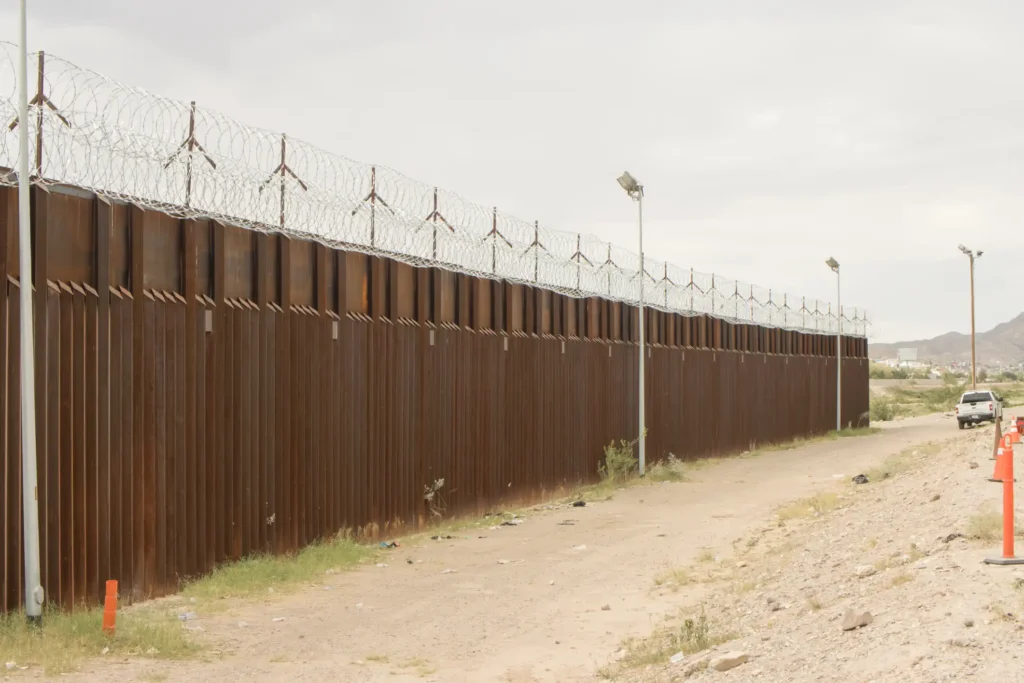
56% of companies reported supply chain disruptions caused by geopolitical tensions in 2025. Canal transits through the Suez route remain down roughly 80%, forcing vessel diversions that add 14 to 21 transit days. Duty rates on certain trade corridors have surged past 100%. Disruption is no longer an exception. It is the operating environment. 93% […]
Managing Empty Miles in Cross-Border Lanes: Balancing Inbound and Outbound Flow Between US & Mexico
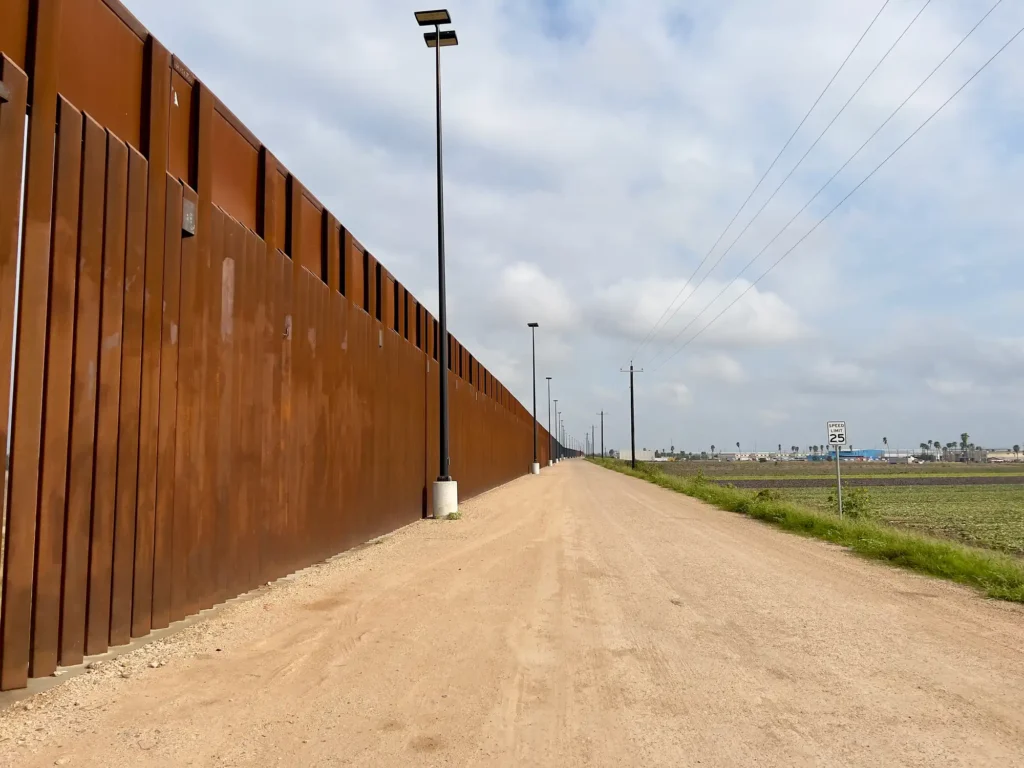
For every truckload shipped southbound from the United States to Mexico, approximately three truckloads move northbound. That three-to-one imbalance is the defining structural challenge of cross-border freight — and it quietly inflates the rate of every load moving in both directions. Carriers running southbound into Mexico know their trucks will likely come back empty — […]
The Laredo vs. Otay Mesa Corridor: Choosing the Right Port of Entry for Your Freight Flow
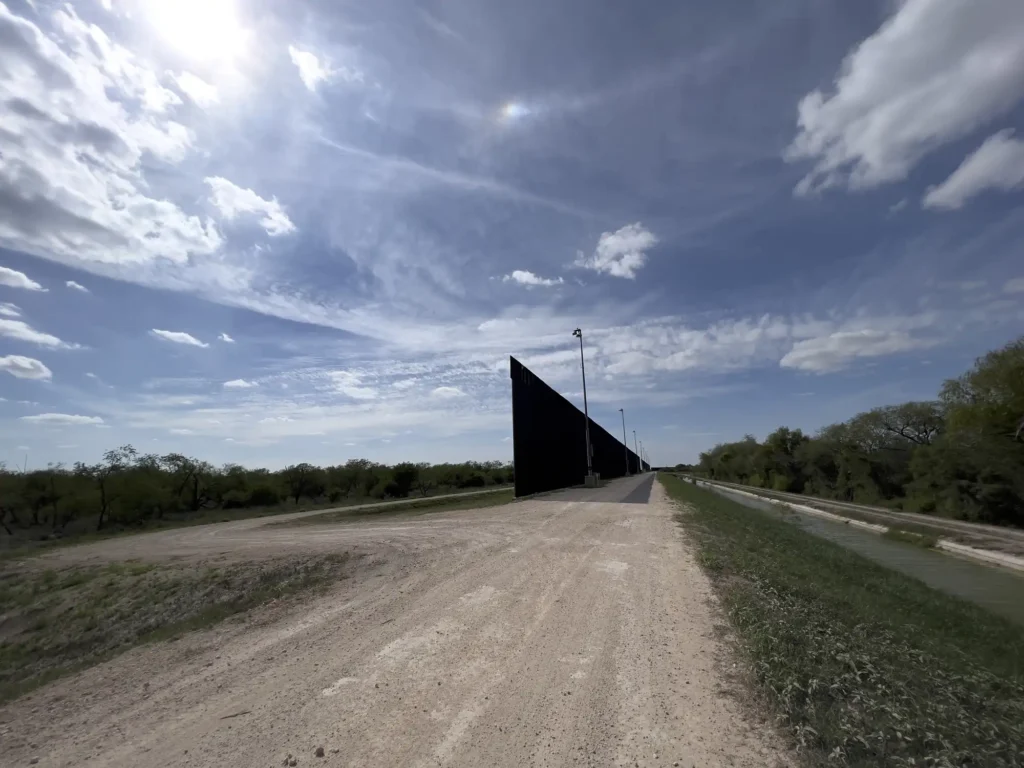
The Port of Laredo, Texas, remains the premier gateway for North American trade, facilitating over $296.2 billion in annual freight. Laredo alone handles almost 6 million truck crossings annually. Otay Mesa, California, is the largest commercial crossing on the California-Mexico border — handling more than 1.4 million truck crossings per year and the second-highest volume […]
The Cost of Hazmat Non-Compliance: Quantifying Fines, Impounded Loads, and Lost License Risks

Most hazmat shippers think about compliance in terms of paperwork. The correct labels. The right shipping papers. The proper placard placement. What they underestimate is the penalty structure that enforcement is built around — and how quickly a documentation error on a single shipment compounds into a six-figure liability event. Under 49 U.S.C. 5123(a), each […]
Hazmat by Rail vs. Highway: Assessing Risk and Cost Profiles for Bulk Liquid Movements

Every company that moves bulk liquid hazmat faces the same mode decision — truck or rail. Most default to truck because it is familiar, flexible, and available on almost any lane. That default is worth questioning — especially for long-distance movements where the cost and risk profiles of the two modes diverge significantly. Between April […]
Transporting Class 8 Corrosives: Preventing Tanker and Packaging Degradation Over Long Distances

Sulfuric acid. Sodium hydroxide. Concentrated bleach. Hydrochloric acid. These are not exotic materials found only in research facilities. They are chemicals found in car batteries, manufacturing plants, agricultural operations, and commercial facilities across the country — and they move on U.S. highways every day as Class 8 hazardous materials. Concentrated corrosives can corrode through the […]