
Intermodal Logistics: How to Outsmart Rising Trucking Rates
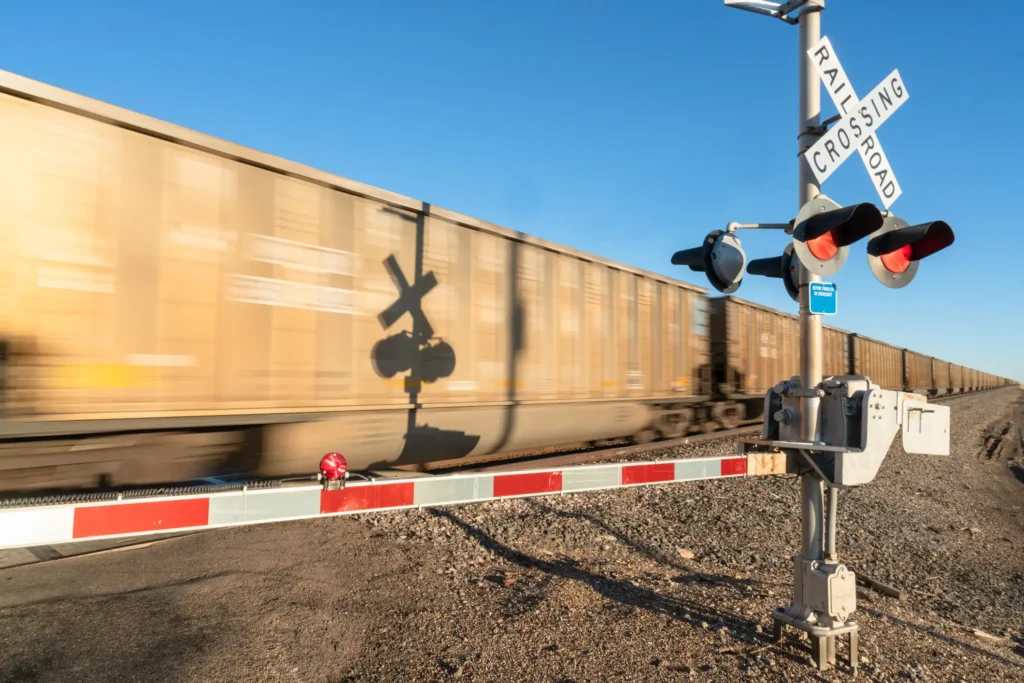
Using intermodal logistics is a great way for American companies to save money on shipping in 2026. Trucking is still the backbone of moving goods across the country. Most of the time, semis are the best choice for moving short distances or specific types of cargo. Using only trucks for long trips can bring hidden […]
How to Choose the Right Intermodal Container Option
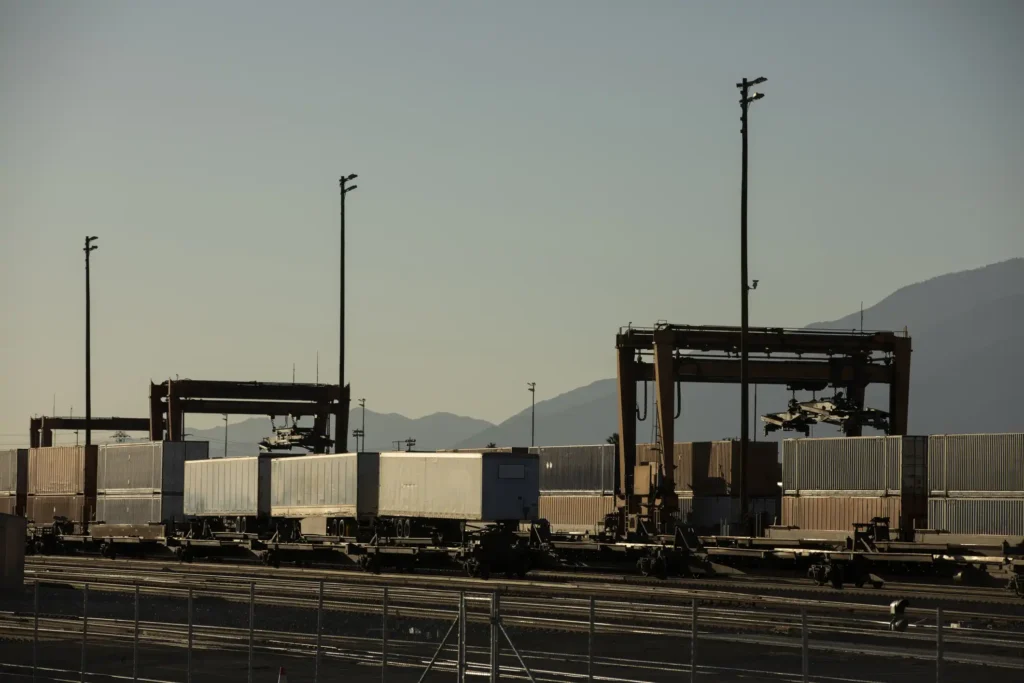
Choosing the right intermodal container option is one of the most practical decisions a U.S. shipper can make and most have never had the difference clearly explained. Both COFC and TOFC move your freight by rail for the long haul and by truck for pickup and delivery. But they work differently. That difference affects your […]
Railway Safety Act: Can You Easily Protect Your Supply Chain?
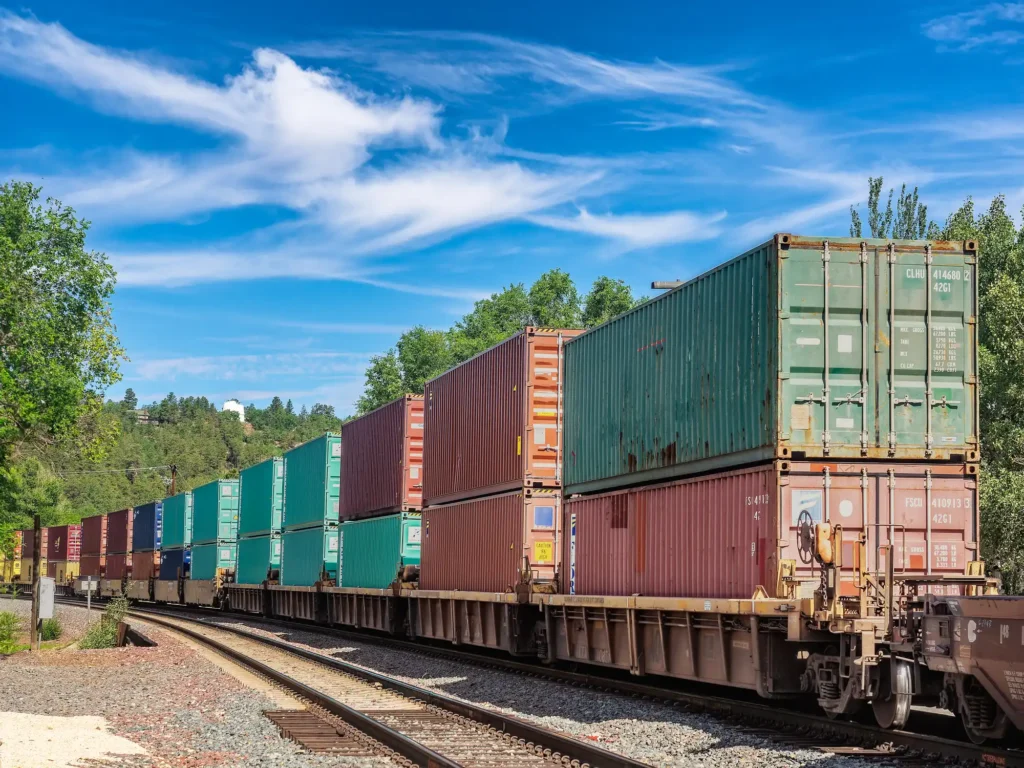
The Railway Safety Act is a new set of rules moving through Congress that could soon change how trains move goods across the United States. Lawmakers from both political parties introduced this bill in February 2026. This legislation builds on older plans to make train travel safer after a major train crash happened in East […]
Intermodal Lead Time Buffering: How to Adjust Your Supply Chain for the “Rail Lag”
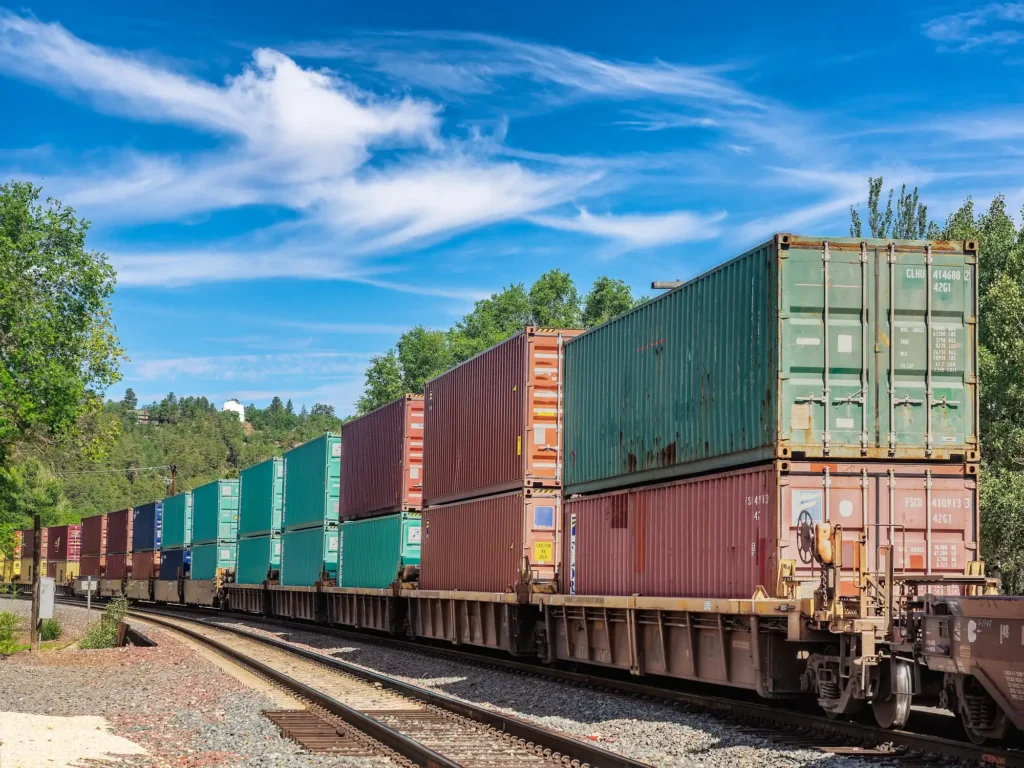
Rail lag is the hidden cost that turns intermodal shipping’s biggest advantage into its biggest liability. And most U.S. businesses do not discover it until the invoice arrives. Here is the problem in plain numbers. You shift a high-volume replenishment lane from trucking to intermodal rail. Transit time increases from four days to six days. […]
Maximize Your Budget: Using Fuel Price to Unlock Intermodal Efficiency
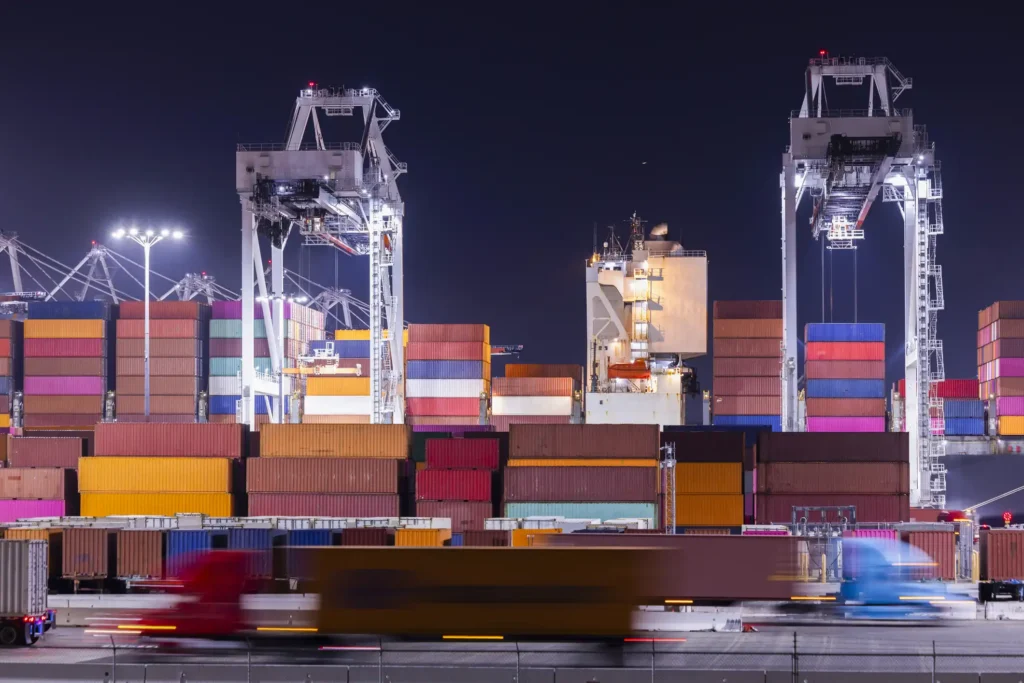
Fuel price is one of the most powerful forces shaping freight costs in 2026. Every time diesel spikes, your freight budget feels it through higher surcharges, tighter carrier capacity, and rising spot rates. In early 2026, U.S. diesel prices climbed sharply amid global energy disruptions, including restrictions at the Strait of Hormuz. For businesses shipping […]
Why New Inland Ports are a 2026 Game Changer
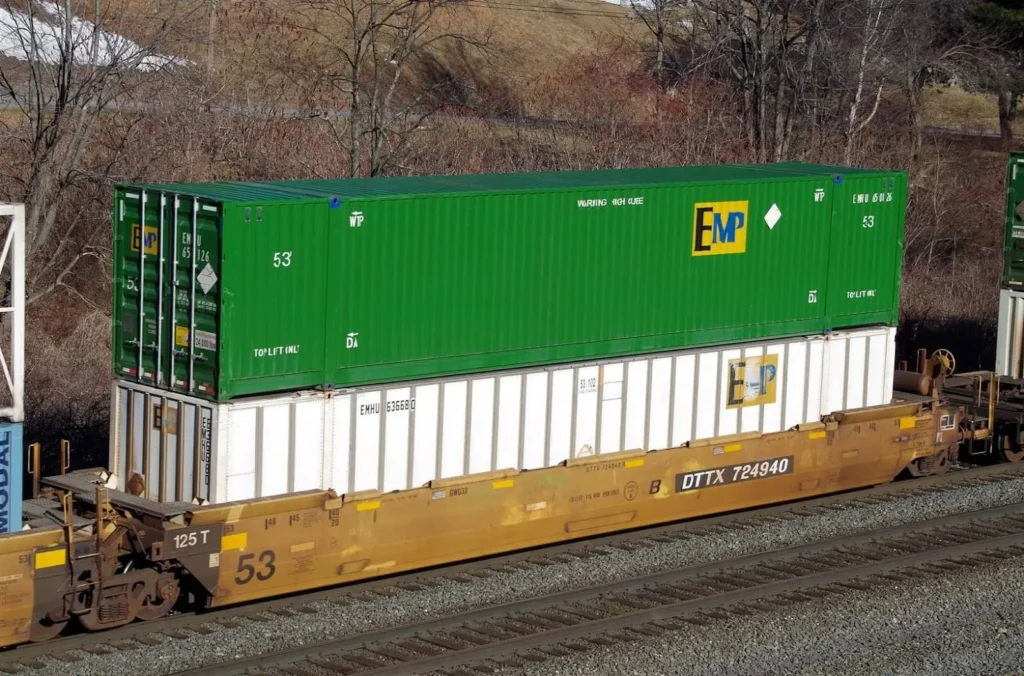
Inland ports are quietly becoming one of the most important developments in U.S. freight infrastructure. And the businesses that understand this shift early will have a real logistics advantage in 2026. For years, U.S. businesses have watched freight pile up at coastal ports. Ships wait. Containers stack. Delivery timelines stretch. The cost of last-mile delivery, […]
The 500-Mile Rule Blueprint: How to Optimize Your Freight Strategy
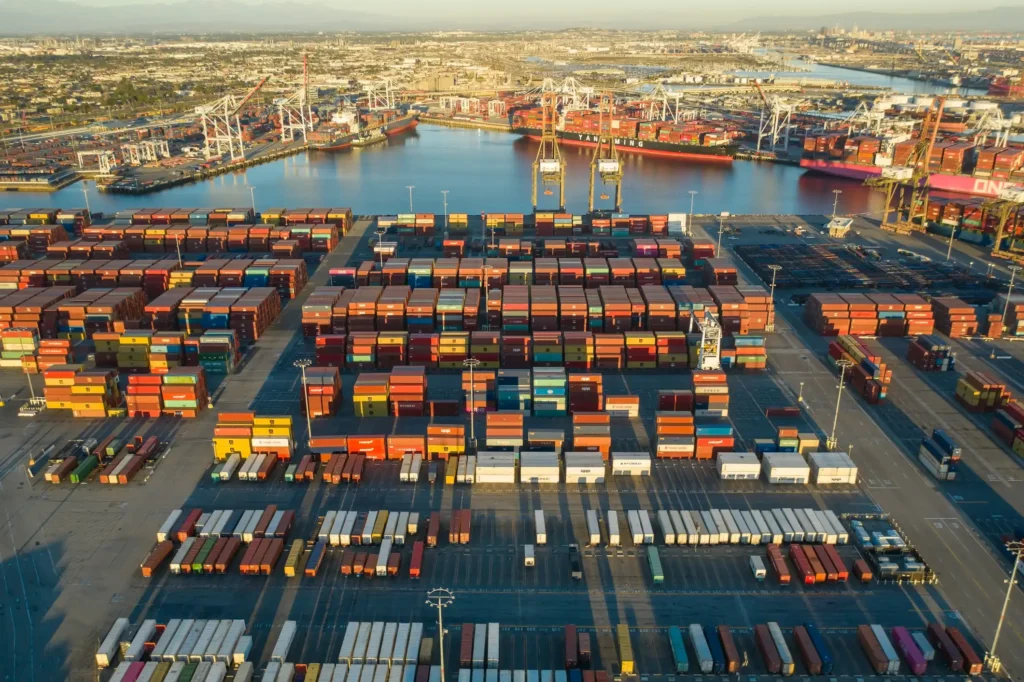
The 500-mile rule is one of the most practical frameworks in logistics and one of the most underused by U.S. businesses shipping long-haul freight. Not every shipment is the same. Over-the-road trucking and intermodal shipping both have real strengths, and the key is knowing when each one makes more sense. This article focuses on intermodal, […]
The CDL Crackdown Risk: How to Secure 2026 Trucking Capacity
The trucking industry is under regulatory pressure not seen in years. The 2025–2026 commercial driver’s license (CDL) crackdown is tightening who can legally drive a commercial truck in the U.S. It is not one policy but several converging at once. In September 2025, FMCSA issued an emergency rule restricting non-domiciled CDL eligibility. By the end […]
How to Plan Better Routes Amid the Transcontinental Rail Merger
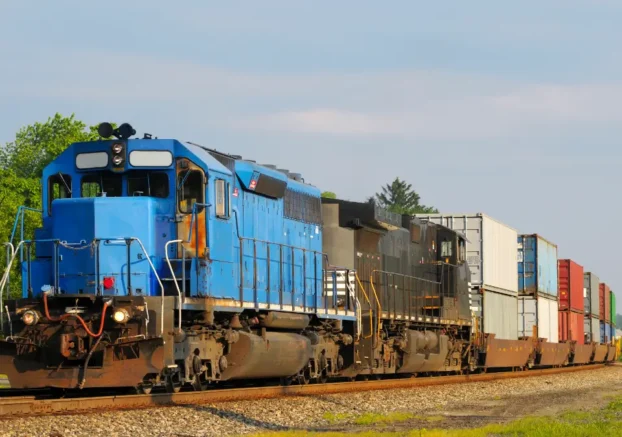
Intermodal freight has become both a solution and a frustration. Capacity swings. Terminal congestion. Long drayage wait times. Service gaps between eastern and western rail networks. Even small disruptions in intermodal transportation can ripple across the supply chain. Shippers want reliability. Fewer handoffs. Smoother coast-to-coast service. That is why the proposed Union Pacific and Norfolk […]
11 Essential Best Practices to Secure Your Intermodal Transport Freight
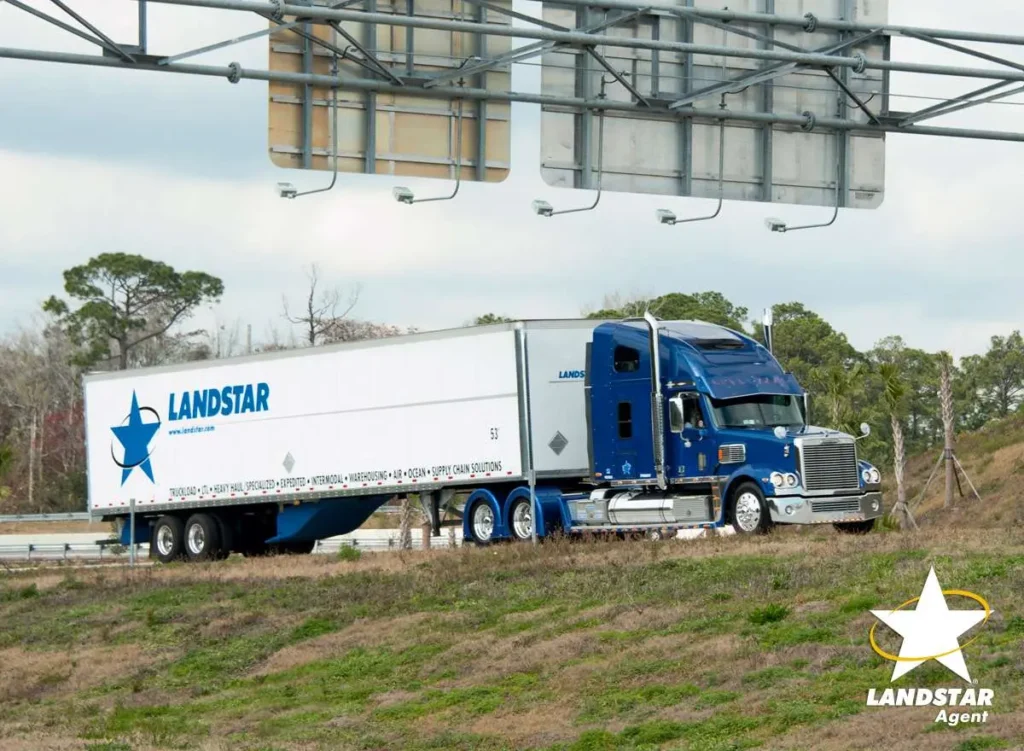
Many U.S. businesses overlook critical best practices by assuming that preparing freight for intermodal transportation is just like standard trucking. While the logic seems simple: load it, secure it, and send it. However, ignoring specific best practices can lead to disaster. Intermodal shipping is a unique beast. It involves multiple handoffs and physical stresses that […]