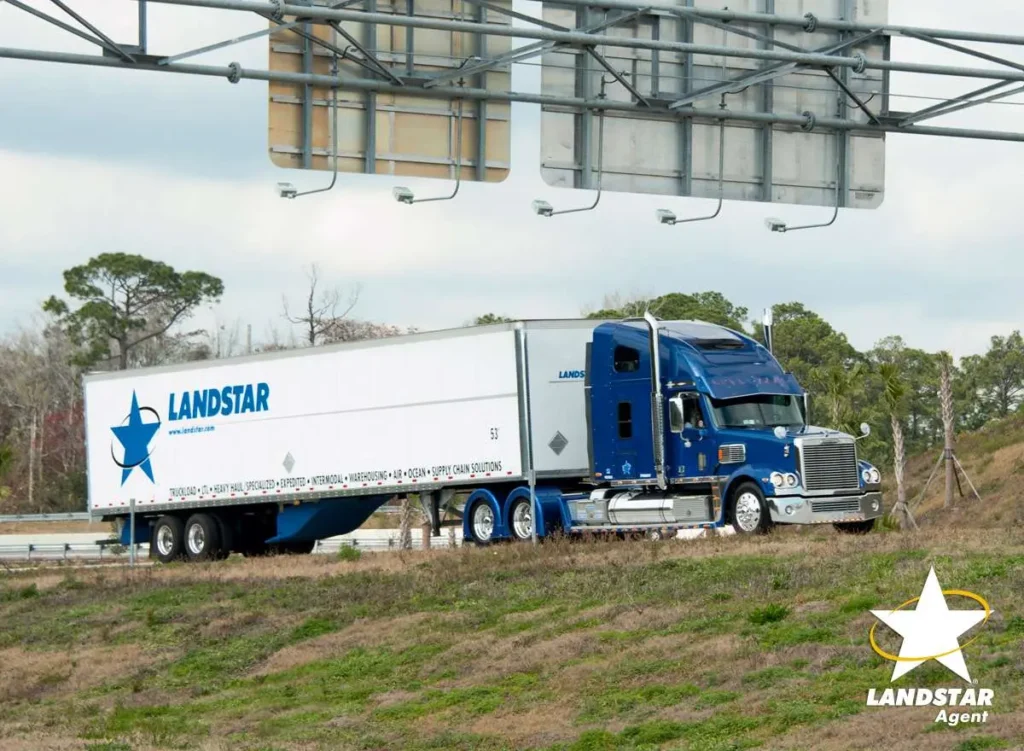
When it comes to moving freight efficiently across the country, intermodal transport is gaining serious traction among U.S. businesses.
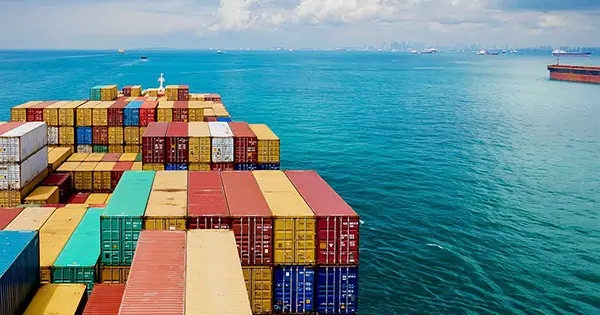
Intermodal freight transport combines the strengths of multiple transport modes, typically truck, rail, and ship.
This approach creates a flexible, cost-effective, and environmentally responsible alternative to single-mode shipping.
In today’s logistics landscape, where margins are tight and reliability is everything, the benefits of intermodal solutions are too compelling to ignore.
1. Lower Transportation Costs Through Modal Efficiency
One of the biggest advantages of intermodal freight transport is its cost efficiency.
Businesses can lower costs by shifting long-haul freight to rail or ship.
These transport modes carry large loads over long distances with much better fuel efficiency, reducing the overall spend per ton-mile.
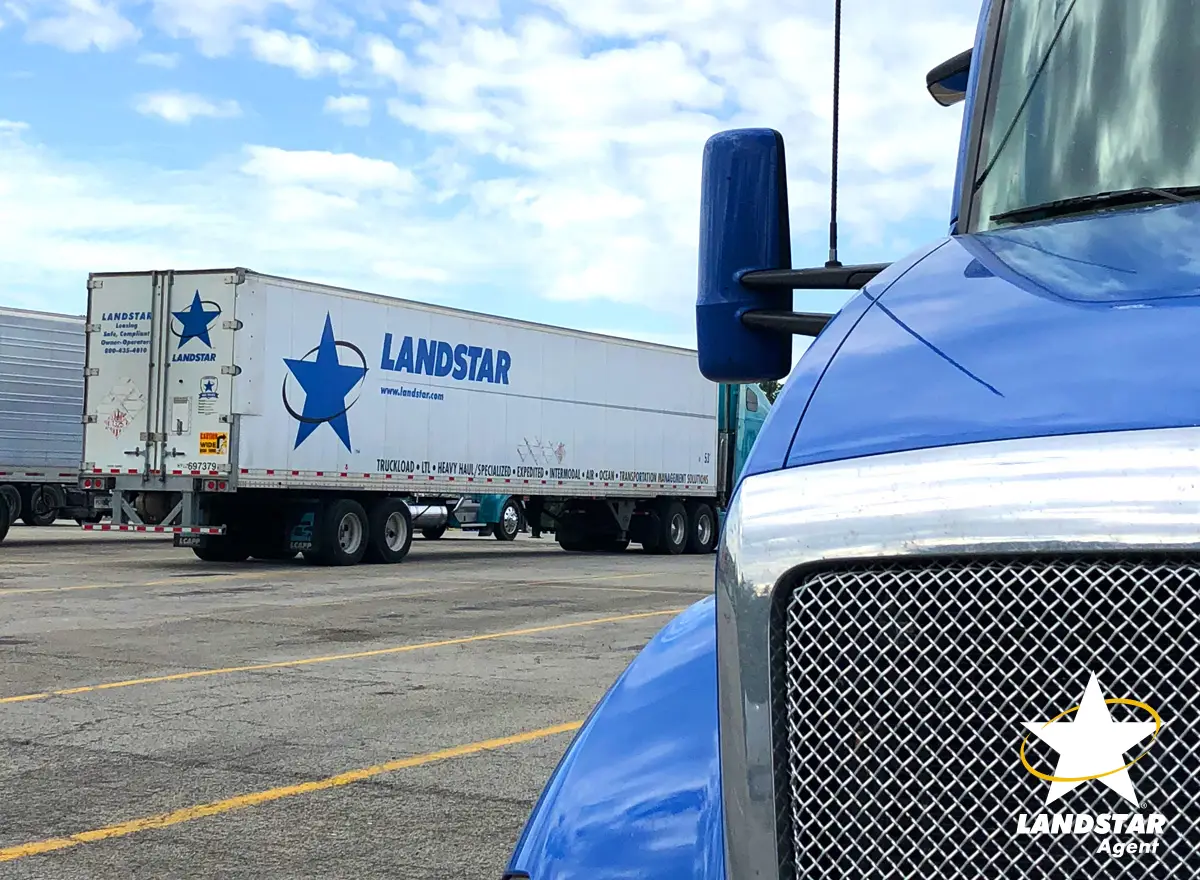
Trucks still play a critical role for first and last-mile drayage services. They ensure flexibility without the high expense of running long over-the-road routes.
This modal shift transport strategy helps companies save significantly, especially as fuel prices fluctuate.
2. Improved Supply Chain Reliability
Intermodal transport enhances reliability by leveraging the strengths of each mode.
Trains are less susceptible to highway congestion and weather delays, while ships can move large volumes consistently.
Trucks, meanwhile, provide the agility to bridge intermodal terminals and customer locations.
The result is a balanced freight logistics network that maintains predictable transit times and dependable delivery schedules.
This is an increasingly vital factor in modern supply chain transportation.
3. Reduced Carbon Footprint in Shipping
Sustainability is no longer a buzzword. It’s a business imperative.
Intermodal freight transport dramatically reduces the carbon footprint of shipping.
Rail transport, for example, can move one ton of freight more than 470 miles on a single gallon of fuel.
Companies can cut emissions by moving long-distance hauls from trucks to rail.
This shift helps them meet carbon footprint shipping goals and strengthen their overall ESG commitments.
4. Enhanced Freight Security and Lower Risk of Damage
Containerization, which is the standardized use of durable freight containers, plays a key role in intermodal logistics.
Because containers are sealed at origin and remain closed until final delivery, freight is protected from handling damage, theft, and contamination.
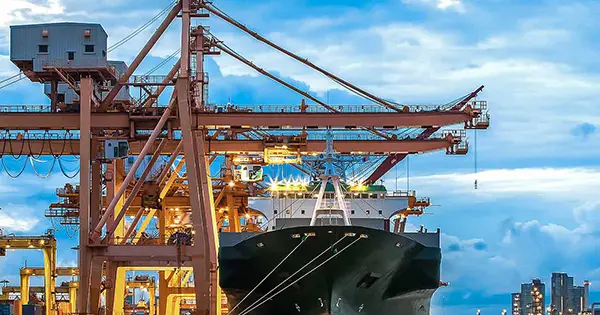
Whether moving through a busy intermodal terminal, inland port, or container terminal, the integrity of cargo remains intact.
This added security is one of the main reasons high-value and sensitive goods increasingly rely on intermodal transport.
5. Flexibility and Network Optimization
Intermodal systems are designed to flex and scale with changing business needs.
Companies can adjust routes, volumes, and modes without major operational overhauls.
When port congestion or highway delays occur, freight can reroute through alternate intermodal hubs or switch between rail-road transport options.
This adaptability makes intermodal logistics especially valuable during peak shipping seasons, supply chain disruptions, or capacity shortages.
6. Access to Strategic Infrastructure and Inland Connectivity
The growth of inland ports and intermodal hubs across the U.S. has opened up new opportunities for manufacturers and distributors.
These facilities, which are often located near major highways and rail lines, serve as critical connectors between ports and inland markets.
They streamline transloading operations and reduce the need for long-haul trucking.
As more container terminals expand into the interior, intermodal freight transport gives businesses the reach of global trade with the speed and flexibility of domestic trucking.
7. Stronger Risk Management and Business Continuity
In a world of unpredictable supply chain disruptions, diversification is key.
Intermodal transport allows companies to spread operational risk across multiple transport modes.
If a labor strike slows down ports or highways close to traffic, goods can still move by rail or ship. This backup keeps shipments flowing even when one mode is disrupted.
This resilience in multimodal transport keeps production on schedule and customers satisfied.
It’s a key advantage in industries where every minute and every delivery matters.
8. Scalability for Growth and Seasonal Demand
Intermodal freight systems make it easy to scale capacity up or down based on market conditions.
With containerization, businesses can add units quickly without needing to invest in new assets or renegotiate entire logistics contracts.
Seasonal shippers, such as retailers and agricultural producers, benefit the most from this flexibility.
It allows them to handle demand surges without stretching their transport budgets too far.
9. Alignment with Modern Freight Logistics Technology
Today’s intermodal operations rely on advanced technology to stay efficient.
Tools like real-time GPS tracking, automated scheduling, and integrated visibility platforms connect every transport mode into one seamless system.
These tools connect intermodal terminals, drayage services, and carrier networks into one transparent system.
For shippers, that means live updates, analytics-driven insights, and smarter decision-making across every step of the journey.
The blend of physical efficiency and digital intelligence is what sets intermodal transport apart in the new logistics era.
Why Intermodal Is the Future of Supply Chain Transportation
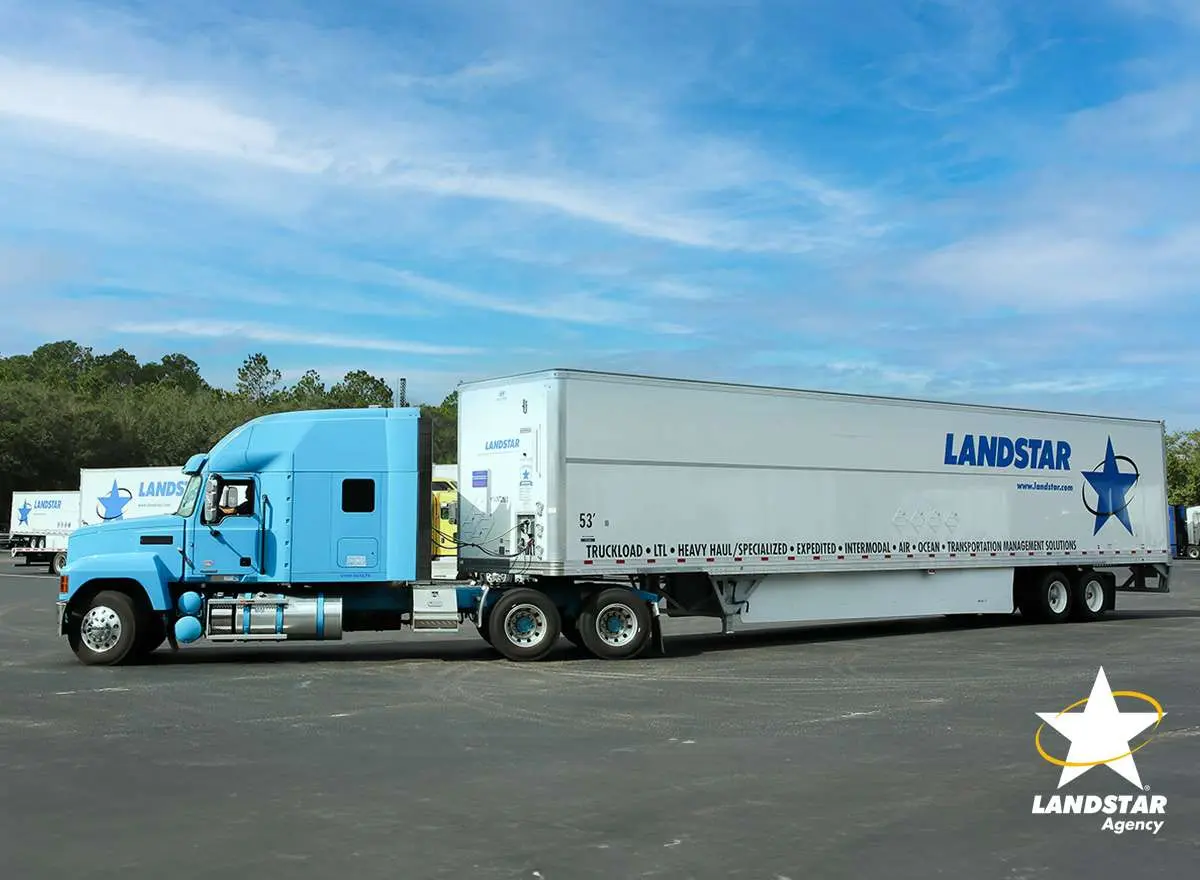
The combination of economic savings, sustainability, and reliability positions intermodal freight transport as the backbone of next-generation supply chains.
As U.S. infrastructure investments expand rail capacity and inland intermodal terminals, more companies are discovering that integrating intermodal logistics is not just a cost-saving move.
It’s a competitive advantage.
Ready to Strengthen Your Supply Chain? Partner with Jansson.
At Jansson, we help U.S. businesses build freight networks that are smarter, stronger, and ready for tomorrow.
By combining intermodal transport and over-the-road expertise, we deliver the flexibility of today’s supply chain demand.
We know that every mile and every mode matters.
Deep Expertise Across Every Transport Mode
Our team understands every link in the chain, from intermodal terminal coordination and drayage services to full-truckload and less-than-truckload distribution.
That experience means we know how to make complex freight logistics simple. We don’t just move containers; we move your business forward.
Data-Driven Solutions That Deliver
With advanced routing tools and real-time visibility, Jansson turns information into action.
Our transparent reporting and automated tracking keep you in control of every shipment.
It’s logistics built for clarity, performance, and peace of mind.
Balancing Cost, Speed, and Sustainability
We design intermodal freight solutions that balance efficiency and responsibility.
By using rail-road transport, inland ports, and optimized truck routes, we reduce both costs and emissions.
The result is a supply chain that’s leaner, greener, and more reliable.
Let’s Build a More Connected Supply Chain
Your logistics should be a competitive advantage, not a challenge.
Jansson helps you connect transport modes seamlessly and turn intermodal efficiency into real-world results.
Talk to a Jansson expert today and see how we can tailor a solution that keeps your business moving forward.