Many U.S. businesses overlook critical best practices by assuming that preparing freight for intermodal transportation is just like standard trucking.
While the logic seems simple: load it, secure it, and send it. However, ignoring specific best practices can lead to disaster.
Intermodal shipping is a unique beast.
It involves multiple handoffs and physical stresses that differ from a standard highway move.
Small mistakes can lead to damaged goods, rejected containers, or high costs.
To protect your bottom line, follow these proven strategies for the intermodal container.
1. Understand the Intermodal Environment
Intermodal transportation moves differently from traditional truckload shipments.
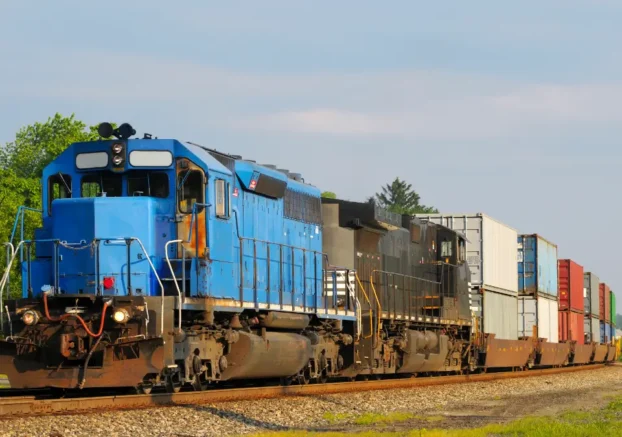
Your freight travels via intermodal trucking to a rail ramp.
There, it is lifted onto a train for a long-haul move.
The real risk is not constant vibration but “slack action.”
This is the pushing and pulling that happens when a train changes speed.
These forces can shift freight several inches if there are gaps in the load. Your strategy must account for this.
2. Choose the Right Intermodal Container
Not all containers are equal.
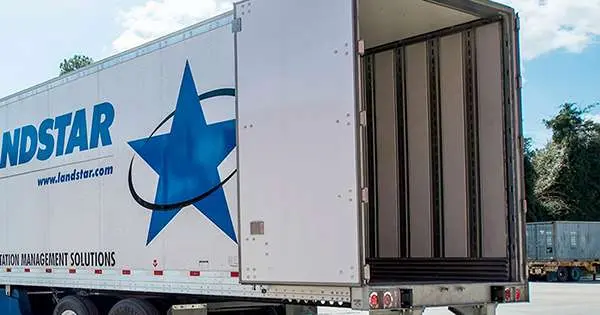
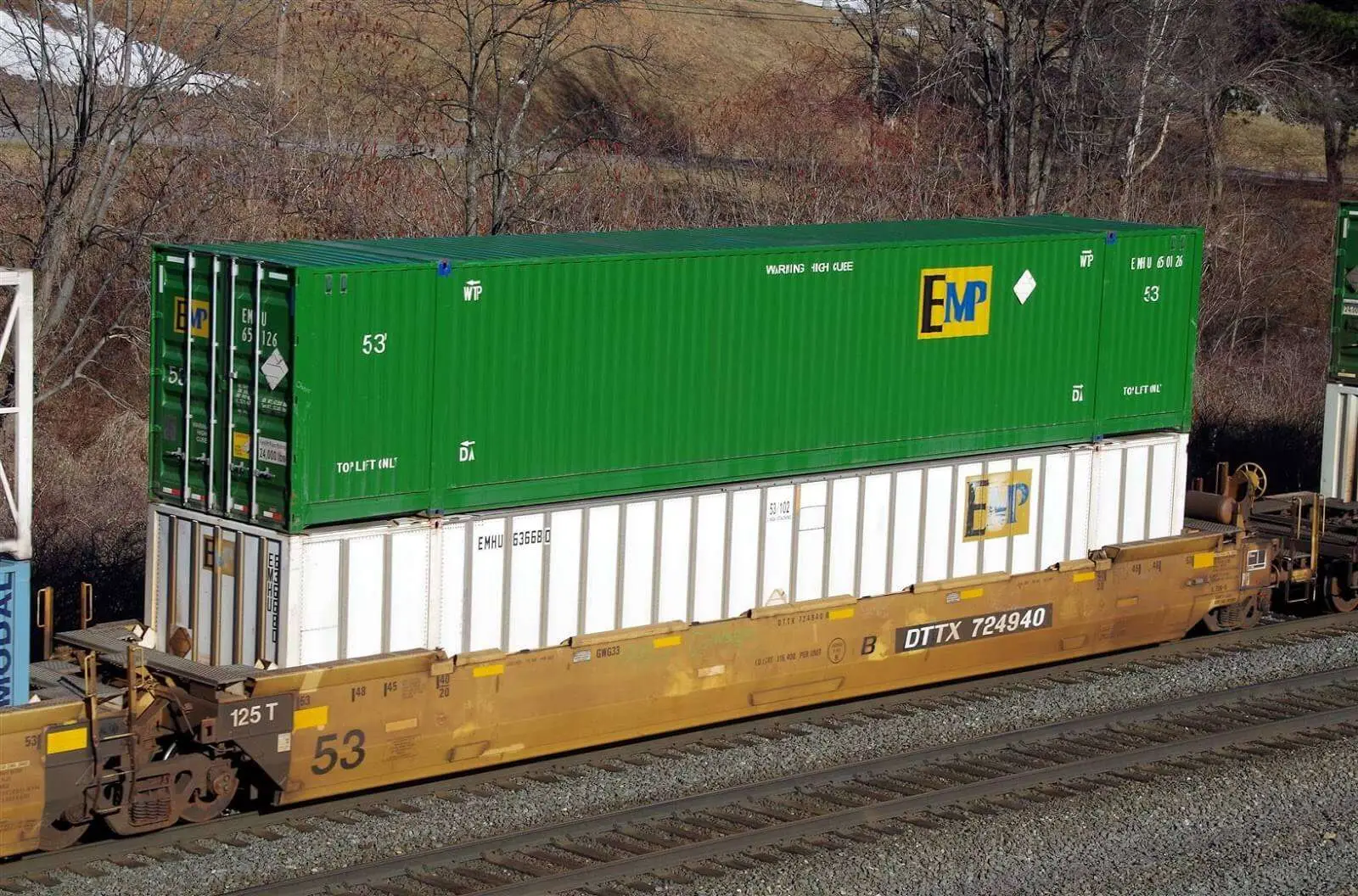
In the U.S., the 53-foot domestic intermodal container is the standard.
International moves may use 20-foot or 40-foot units. Each has different weight limits.
Before loading, confirm your freight fits the weight and cube limits.
Overweight shipments are a serious problem in intermodal rail freight.
If a container is over the limit, it may be “grounded” at the terminal. Fixing this is an expensive and time-consuming mistake.
3. Focus on Strong Packaging
One of the most overlooked best practices is upgrading your packaging.
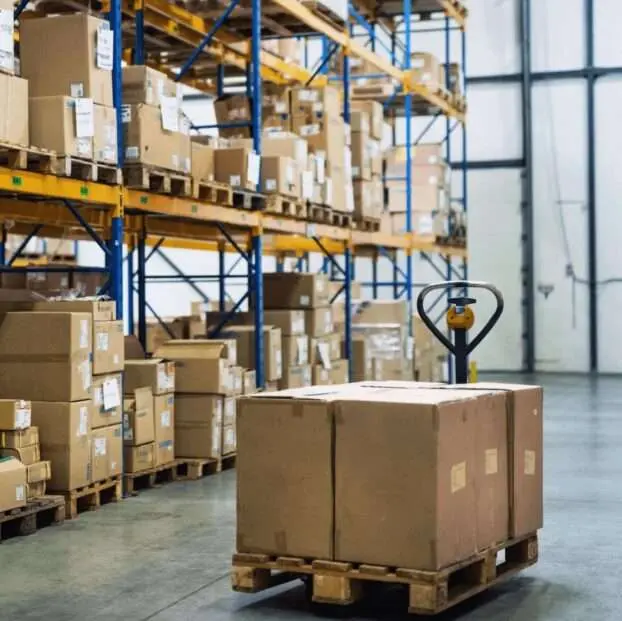
Rail involves more handling points than a single truck move. Packaging is your primary defense.
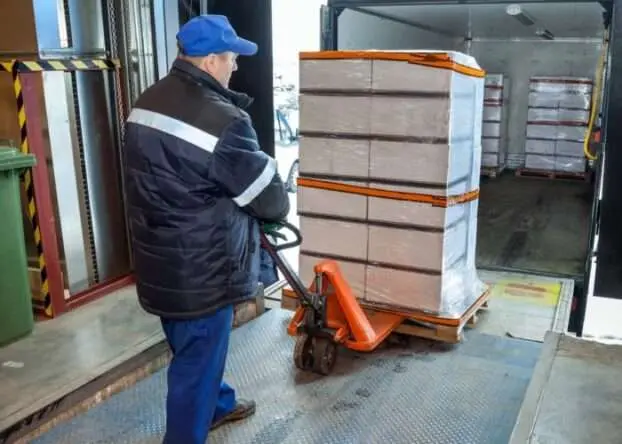
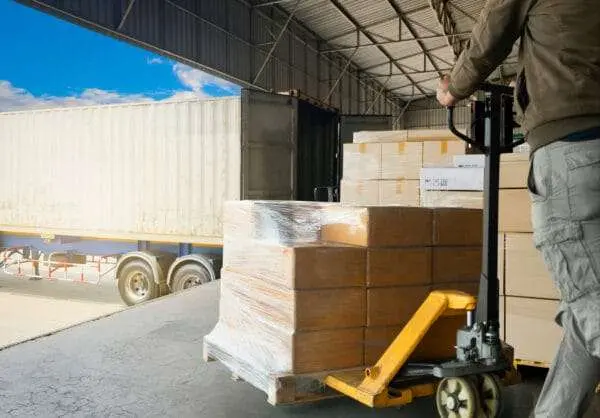
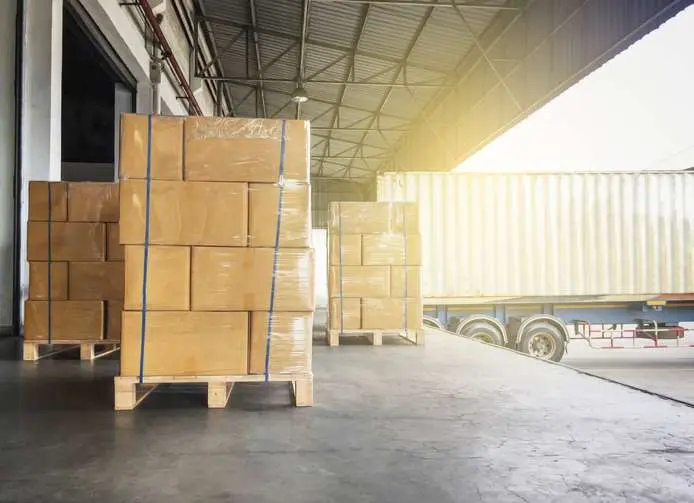
Use durable pallets that can withstand stacked freight. Apply stretch wrap heavily.
Adding corner boards provides structural integrity and prevents crushing.
Treat packaging as an investment, not an expense.
4. Distribute Weight Evenly
Proper weight distribution is a make-or-break factor.
An uneven load creates balance issues on the tracks. It also creates safety hazards for terminal cranes.
Always load heavier items on the bottom. Center the load and distribute weight evenly from side to side and front to back.
Failure to do this risks cargo damage.
It can also lead to fines during the intermodal trucking portion of the trip.
5. Secure the Internal Load
Internal securement is vital. In a truck, a simple strap might work. In an intermodal container, you need a robust system.
Use load bars, blocking, bracing, or industrial-grade airbags.
Your goal is to stop forward and backward movement.
Even a small gap can create a “domino effect” that knocks over your entire load.
6. Check for Restricted Commodities
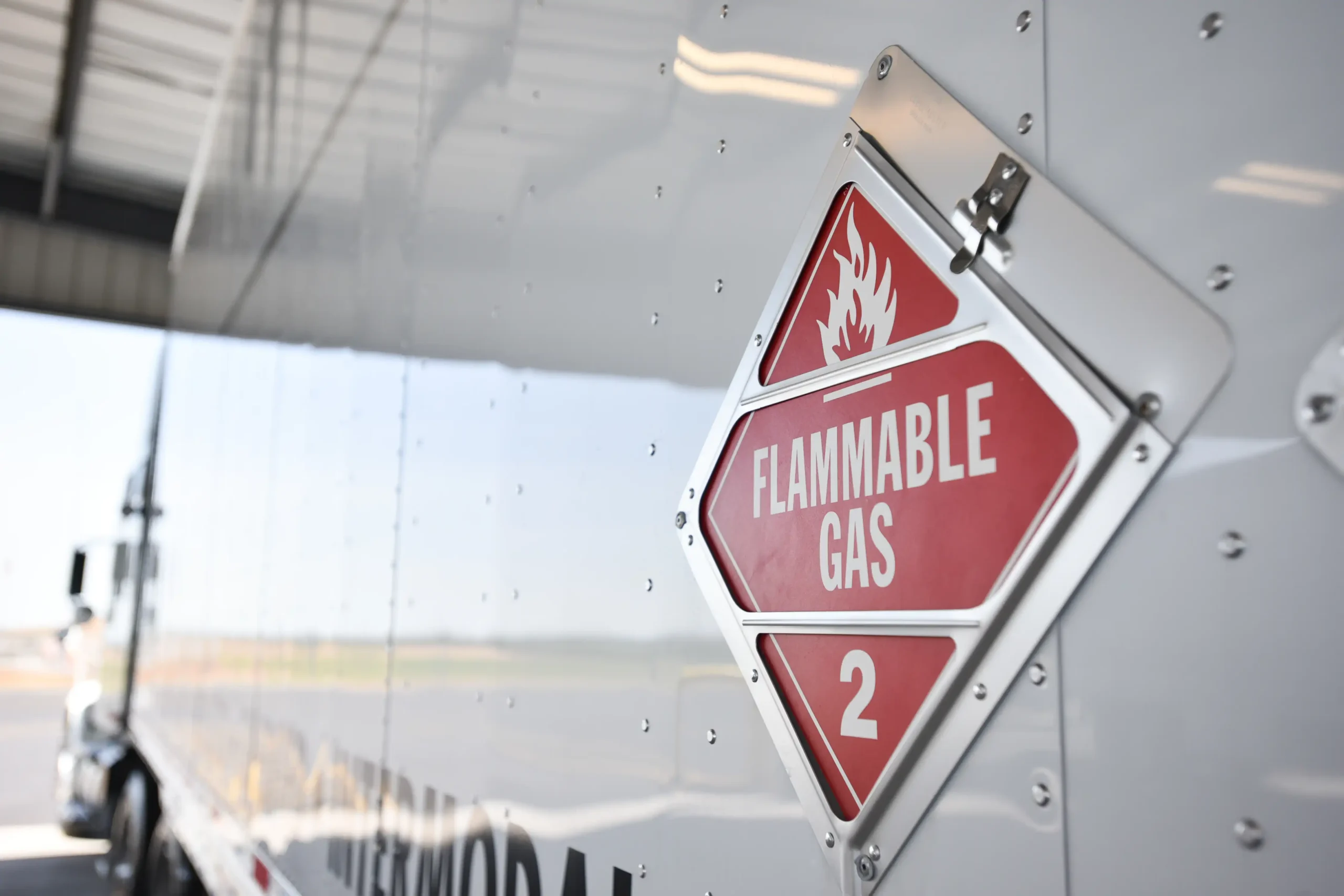
Many shippers overlook this step. Each railroad has its own list of restricted goods.
This often includes explosives or certain hazardous materials.
Before booking, verify that your cargo is accepted.
Shipping a restricted item without checking can lead to fines or rejected loads.
When in doubt, ask your logistics provider first.
7. Plan for Longer Transit Times
Intermodal transportation is cost-effective, but it is rarely faster than a truck.
Rail moves involve terminal dwell times and fixed schedules. Build a buffer into your supply chain.
Communicate realistic dates to your customers.
Intermodal is a marathon, not a sprint.
8. Prepare Accurate Documentation
Documentation errors are silent killers of efficiency.
In intermodal rail freight, a missing seal number can stop a shipment at the gate.
Ensure your Bill of Lading clearly shows the move is intermodal.
Double-check that container and seal numbers match your digital records exactly.
9. Coordinate Pickup and Delivery Timing
The drayage portion of the move is time-sensitive.
Rail terminals have “free-time” windows. If you miss this window, you will face storage charges.
Coordination between your warehouse and drayage providers is essential.
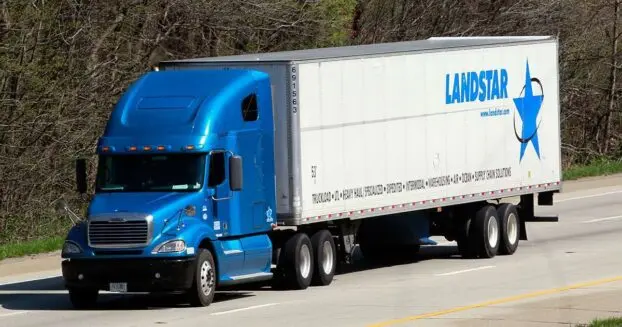
Working with a Landstar freight agent like Jansson LLC ensures these windows are met.
10. Master Terminal Requirements
Each rail terminal has its own rules. Some require mobile app appointments.
Others are first-come, first-served.
Cut-off times for specific trains are very strict.
Staying updated on these procedures prevents drivers from being turned away. This saves you from “dry-run” fees.
11. Partner With an Experienced Logistics Provider
The most important of all best practices is choosing the right partner. Intermodal is complex.
It requires syncing rail operators, truckers, and warehouse staff. An experienced partner brings visibility.
They have the technical knowledge to fix issues before they become crises.
How Jansson LLC Simplifies Your Move
At Jansson LLC, we help U.S. businesses implement these best practices daily.
Instead of just booking a load, the focus remains on evaluating dimensions and weight for a perfect equipment fit.
Detailed management of intermodal trucking and rail schedules follows, ensuring your costs stay as low as possible.
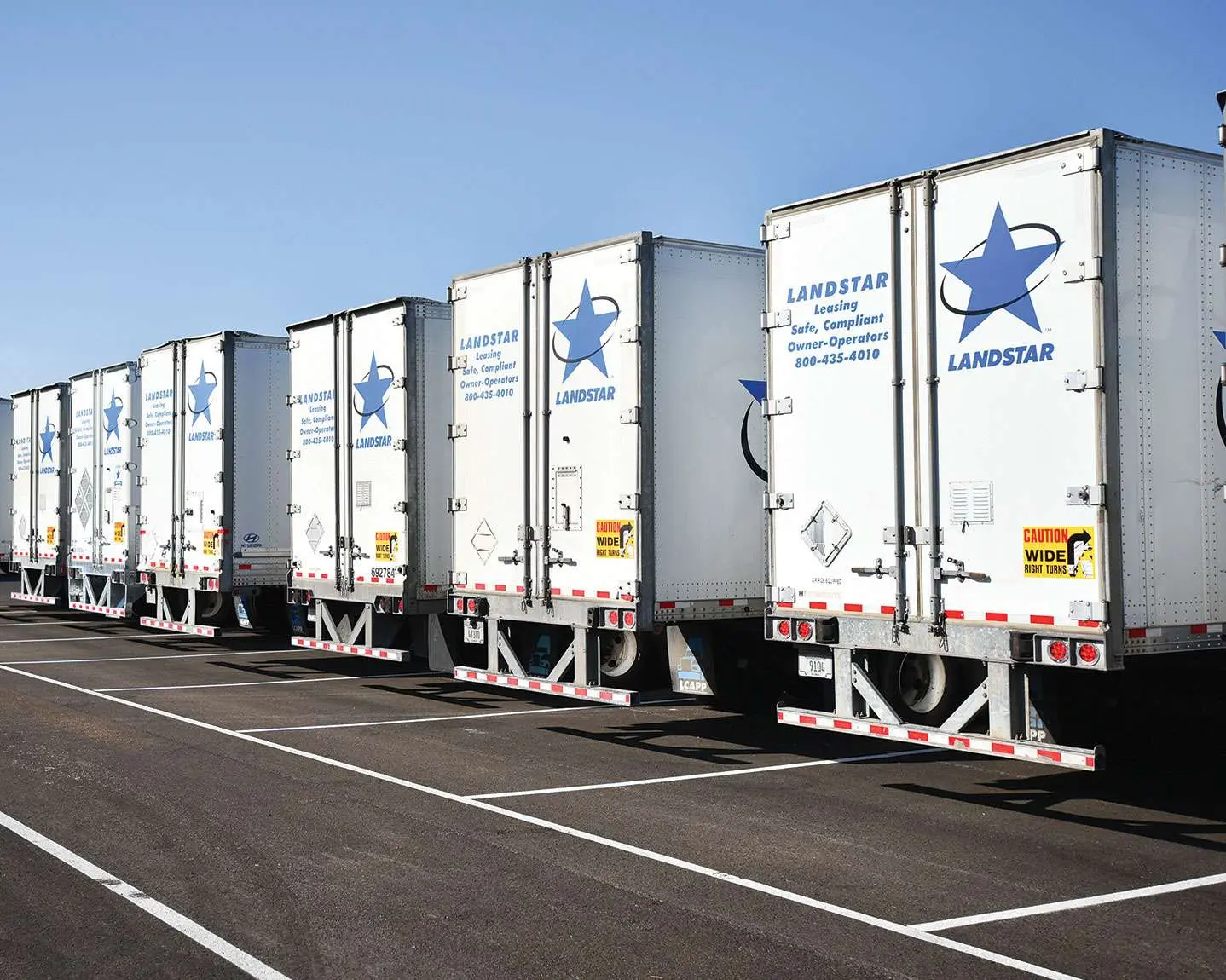
As part of the Landstar network, Jansson LLC brings the capacity and accountability needed to keep freight moving.
We monitor your intermodal rail freight from start to finish. No surprises. Just reliable execution.
Using Best Practices to Turn Intermodal Into a Strategic Advantage

Intermodal shipping builds a resilient supply chain. By mastering these best practices, you protect your cargo and your reputation.
Strong packaging and expert coordination turn intermodal into a competitive advantage.
Ready to simplify your intermodal transportation? Book a call with a Jansson LLC expert today.