Many U.S. businesses prioritize the rate per mile, but this often ignores the total landed cost of a shipment.
Relying only on mileage rates can hide the true expense of flatbed freight.
When companies focus strictly on the quote, they miss the bigger picture.
The real cost of moving freight rarely shows up on the initial invoice. Instead, it appears later as delays, damage, or unexpected accessorial charges.
Shifting your focus to the total landed cost helps reduce overall spend without sacrificing service quality.
What Does Total Landed Cost Really Mean?
Total landed cost is the full, “all-in” price of getting goods from the origin to the final destination.
In flatbed shipping, this means looking beyond the base flatbed truck rate and factoring in everything that happens before, during, and after transit.
To visualize this, think of your shipping budget as an iceberg.
The rate per mile is the tip visible above the water, but the total landed cost includes the massive volume of expenses hidden beneath the surface.
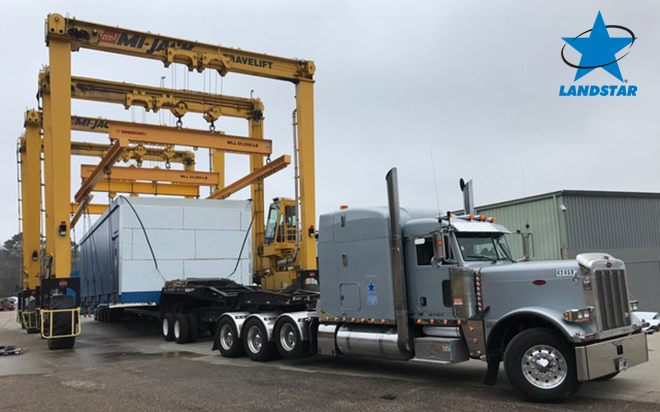
For oversized cargo transport or heavy haul flatbed moves, these hidden costs, like specialized permits or pilot cars, can easily outweigh the base transportation fee.
The Total Landed Cost Formula
For a more accurate financial picture, shippers should use a comprehensive formula.
Total Landed Cost = Base Freight Rate + Fuel Surcharges + Accessorial Fees + Insurance/Risk + Administrative Overhead
By breaking costs down this way, businesses can see exactly where their “leaks” are happening.
Why Does Flatbed Shipping Make Cost Calculations Harder?
Flatbed transportation is different by nature.
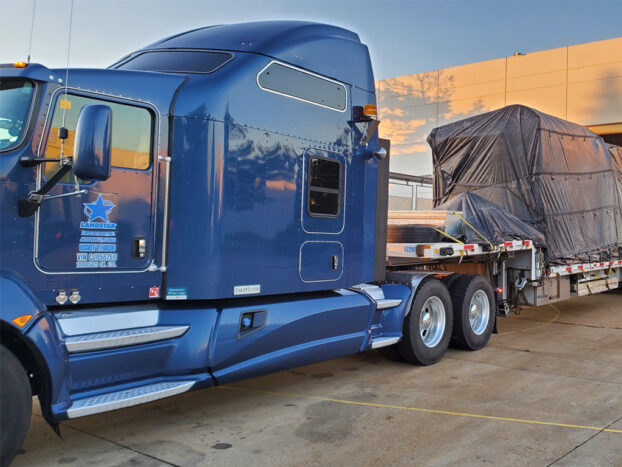
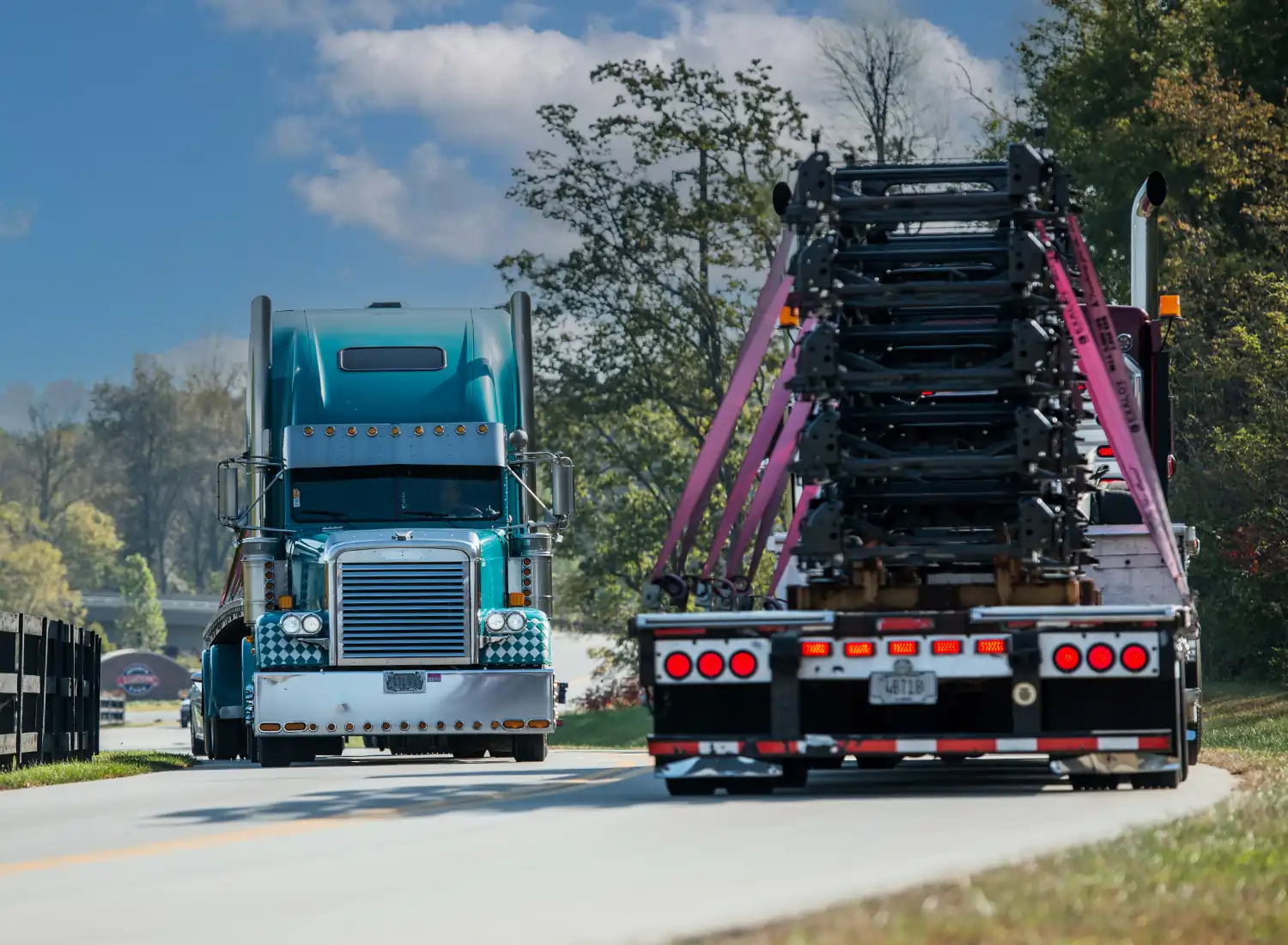
Unlike dry van freight, loads are exposed to the elements, and securement is a manual, labor-intensive process. This adds layers of variability to every move.
Flatbed manufacturers ship equipment that is often heavy, wide, or irregular.
These loads require specialized planning that standard logistics software often overlooks.
For instance, a flatbed truck bed loaded incorrectly doesn’t just risk a fine. It can jeopardize the structural integrity of the cargo.
A single roadside inspection delay caused by poor securement can trigger detention fees that instantly erase the savings of a “cheap” mileage rate.
What Are The Hidden Drivers of Shipping Costs?
Many costs in flatbed freight never appear in the initial quote. These are known as accessorial charges.
In the world of flatbed logistics, these can include the following.
Tarping Fees
Protecting your cargo from weather isn’t always included in the base rate.
Detention Fees
If your loading dock is slow, carriers charge for the driver’s time, often starting after just two hours.
Redelivery or Layover Fees
If a site isn’t ready for a heavy haul arrival, you pay for the truck to sit idle.
Permit and Escort Costs
Essential for oversized cargo transport, these vary by state and can change mid-route due to construction.
When these are ignored during the planning phase, the “cheap” carrier often becomes the most expensive one on the final invoice.
Why Can Rate Per Mile Be Misleading?
Rate per mile is popular because it’s easy to compare on a spreadsheet.
However, it is a poor indicator of performance. A low rate often correlates with higher risk.
For example, a carrier with a lower rate might have a higher “cargo claim” ratio or a poor safety rating.
If that carrier damages a $500,000 piece of industrial machinery, the “savings” of a lower mileage rate are irrelevant.
High-quality flatbed hauling providers invest in better equipment and more experienced drivers.
While their base rate might be higher, their contribution to a lower total landed cost is significant because they avoid the mistakes that cause expensive delays.
What Are The Stakes of Oversized and Heavy Haul Freight?
Oversized cargo transport magnifies every single cost factor.
In this niche, “landed cost” is driven almost entirely by planning quality.
Route Surveys
Before a heavy haul move, a route must be physically checked for bridge heights and turn radii.
Regulatory Compliance
Paperwork must be flawless. A single typo on a state permit can ground a shipment for days.
Escort Coordination
Managing “follow vehicles” requires precision timing. If one pilot car is late, the entire shipment stops.
For these moves, an experienced logistics partner doesn’t just find a truck. They manage a multi-layered project to ensure the total landed cost stays within budget.
How Can You Reduce Costs Without Cutting Corners?
Lowering your spend doesn’t mean squeezing carriers for lower rates; it means optimizing your internal processes.
Realistic Scheduling
Build in time for flatbed load securing and tarping so drivers don’t hit detention limits.
Data Transparency
Provide exact dimensions and weights. “Surprise” weight at the scale leads to immediate re-rating and fees.
Carrier Consistency
Using a core group of carriers who know your facility and your products reduces “learning curve” errors.
Why Do Flatbed Manufacturers Benefit Most?
For manufacturers, logistics is a business performance indicator.
Their products are high-value and often critical to a customer’s project timeline.
A delay doesn’t just cost money. It also damages a reputation.
By focusing on total landed cost, manufacturers ensure that their products arrive safely and predictably, which protects their brand equity and bottom line.
Where Does Jansson Change the Equation?
This is where many U.S. businesses rethink their strategy.
Jansson helps shippers see the full picture by focusing on the end-to-end strategy, not just the transportation price.
Our team understands the nuances of flatbed shipping, oversized cargo transport, and complex heavy haul operations.
We work with a vetted network of carriers who prioritize flatbed safety tips and expert securement.
By anticipating issues like permit delays or weather disruptions before they happen, we proactively manage your total landed cost.
Visibility and Control
With Jansson, you gain clarity across your entire freight spend.
We provide real-time visibility from dispatch to delivery, allowing you to react to disruptions before they become expensive “surprises.”
Our approach allows businesses to control their budget without sacrificing the quality of service their customers expect.
What Is the Bottom Line on Total Landed Cost for U.S. Businesses?
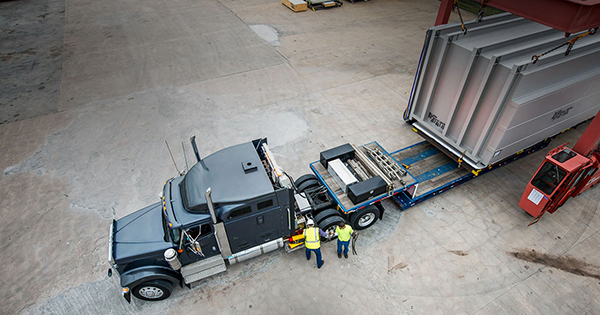
Flatbed shipping success isn’t about the lowest quote. It’s about consistency, safety, and financial predictability.
By focusing on total landed cost, you move beyond the rate per mile to eliminate hidden waste and turn your logistics into a scalable competitive advantage.
Ready to build a smarter approach to your logistics?
Book a call with a Jansson expert today to start optimizing your flatbed shipping strategy.