The trucking industry is under regulatory pressure not seen in years. The 2025–2026 commercial driver’s license (CDL) crackdown is tightening who can legally drive a commercial truck in the U.S.
It is not one policy but several converging at once.
In September 2025, FMCSA issued an emergency rule restricting non-domiciled CDL eligibility.
By the end of 2025, around 10,000 drivers had been put out of service for failing English language proficiency standards.
In December 2025, the DOT announced $118 million in new FMCSA funding to strengthen CDL oversight and training.
And in March 2026, a final rule takes effect limiting non-domiciled CDLs to specific visa holders only.
Non-domiciled CDL eligibility changes alone could affect a low double-digit share of the long-haul market.
No single action causes a sudden collapse. But the combined effect is a tightening market with less built-in slack.
For shippers, that means more volatility. And for many, intermodal transportation may be the smartest capacity hedge available right now.
How Is the CDL Crackdown Affecting Trucking Capacity?
The CDL crackdown is designed to improve safety.
Long term, that is good for the industry. Short term, stricter enforcement removes drivers from the market.
Marginal carriers are exiting. Drivers with compliance gaps are losing operating authority. Insurance scrutiny is rising.
Equipment orders are already down double digits year over year, limiting near-term fleet expansion.
Experts describe the current market as having “less buffer during demand spikes.”
Regional imbalances in driver availability are growing, especially where state-level CDL enforcement varies.
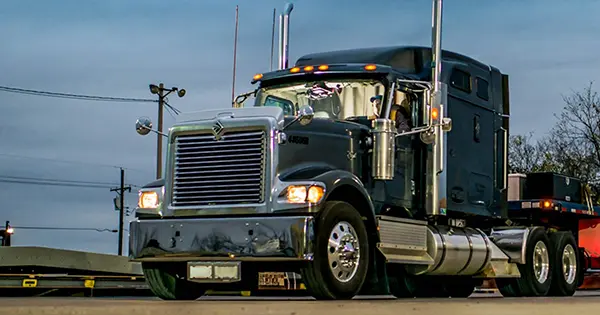
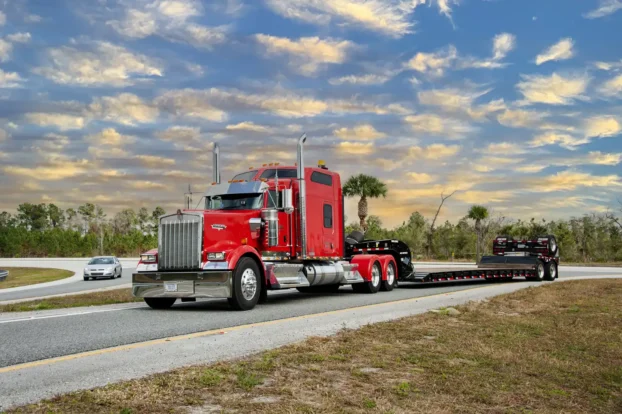
For businesses relying on long-haul truckload service, this means higher rate volatility and less consistent capacity.
That is exactly where intermodal rail freight offers a structural advantage.
Why Does Intermodal Transportation Offer a Safer Capacity Bet?
Intermodal transportation splits the work between rail and truck.
Long-haul segments move by intermodal rail. Short-haul pickup and delivery are handled by intermodal trucking and drayage partners.
Rail networks are not affected by CDL shortages the way highway fleets are.
Train crews operate under different labor structures.
Capacity is centralized and forecasted in advance.
Rail intermodal can absorb high freight volumes without depending on long-haul CDL drivers.
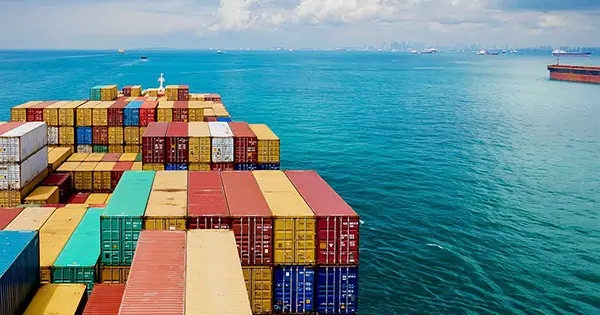
A single train can move hundreds of intermodal container units at once.
One intermodal container traveling 1,500 miles by rail removes a long-haul truck from a lane that is already short on drivers.
That is the practical value of shifting freight to intermodal rail.
These rules do not eliminate trucking.
They change where trucking is most vulnerable.
Rail intermodal absorbs the long haul so your trucks handle shorter, more stable moves.
What About Drayage? Does the CDL Crackdown Affect It?
Drayage is the short-haul truck move that connects your freight to and from the rail terminal.
It still requires CDL drivers. So yes, the CDL crackdown can affect drayage markets.
However, rail drayage positions are structurally different from long-haul trucking.
Drivers return home daily, and routes are shorter.
These roles tend to attract and retain drivers more consistently, even in a tightening labor environment.
When managed carefully, intermodal transportation balances capacity risk across both rail and truck modes.
Rail handles distance. Rail drayage handles the first and final mile.
Should You Re-Evaluate Your Routing Guide Now?
As regulatory enforcement reshapes trucking markets, many U.S. businesses are reviewing how they route long-haul freight.
Long-haul lanes over 1,000 miles that once defaulted to truckload may now be viable for intermodal rail freight.
Transit times are often comparable. Costs can be competitive. Capacity risk is significantly reduced.
And intermodal container availability on major corridors remains strong.
The businesses asking these questions now will have more flexibility when the market tightens further.
Waiting means reacting to rate spikes instead of planning around them. That is a costly position to be in.
Intermodal as a Risk Management Strategy, Not Just a Cost Play
The CDL crackdown highlights a broader lesson. Capacity diversity is not optional in 2026.
Relying solely on highway trucking exposes your supply chain to regulatory shifts, driver shortages, and insurance volatility.
Intermodal transportation spreads that risk.
Rail intermodal absorbs volume when trucking tightens. Intermodal trucking supports local distribution.
Together, they create a more resilient freight model.
This is not about abandoning trucks but about building options.
How Jansson LLC Helps You Navigate the CDL Crackdown
At Jansson LLC, we monitor how regulatory changes affect real-world freight movement.
Insights from the CDL crackdown help navigate shifts in regional drayage capacity.
Lane evaluations reveal new opportunities for cost-effective intermodal rail freight.
Precise coordination of intermodal trucking further guarantees consistent and reliable rail drayage coverage.
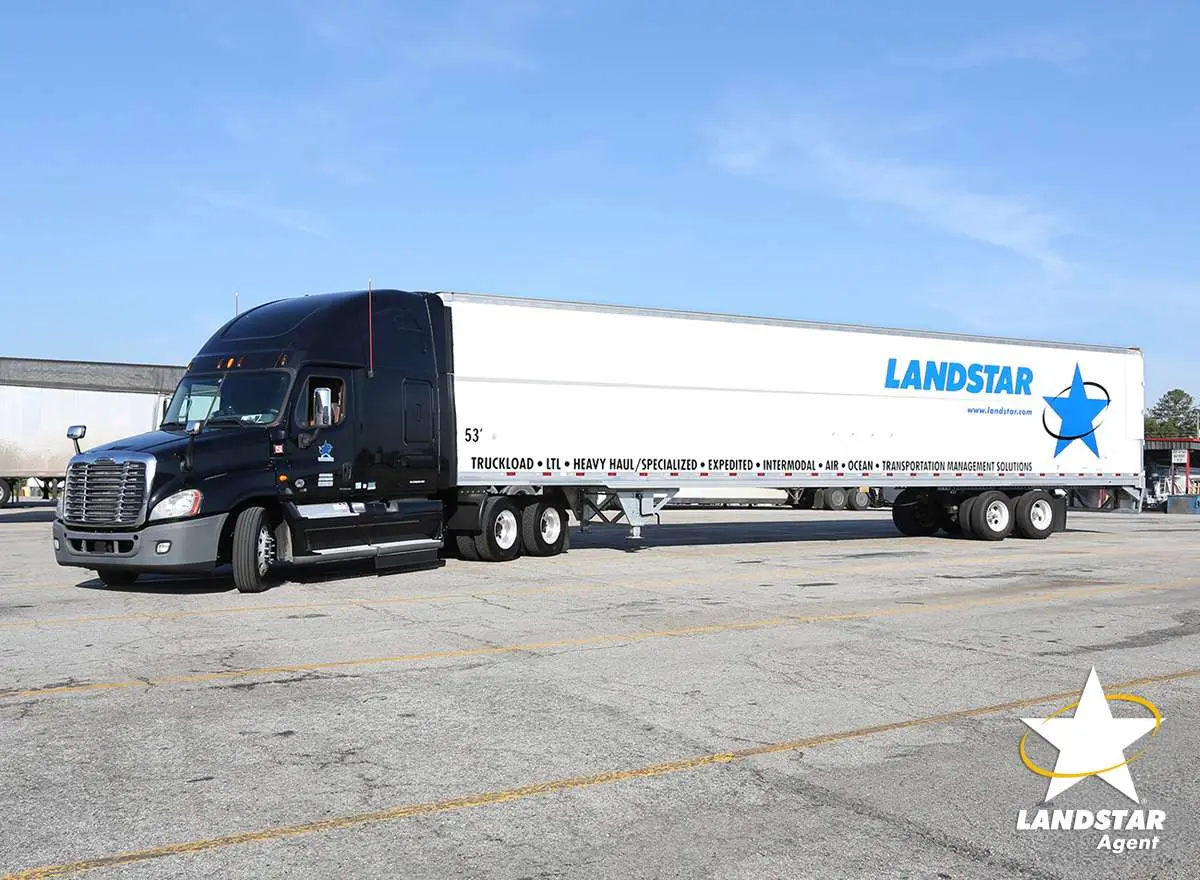
Whether you work with a Landstar freight agent, manage direct carrier relationships, or are exploring intermodal for the first time, Jansson LLC aligns your routing guide with today’s capacity realities.
Working through a Landstar freight agent also gives you access to a wide carrier network, which matters more than ever in a tightening market.
We build balanced strategies. Not reactive ones.
Book a call with a Jansson LLC expert today. Because in a tightening market, the safest capacity bet is the one built on balance.