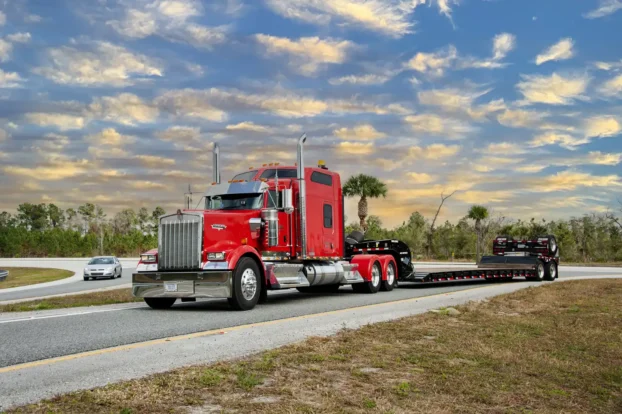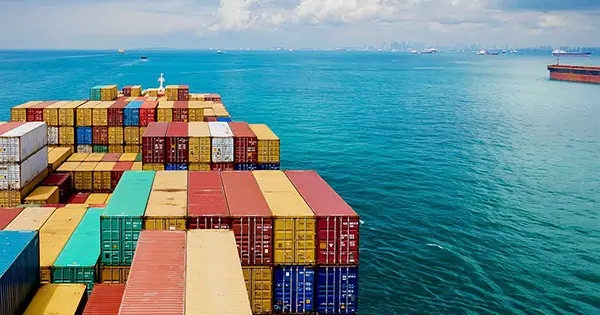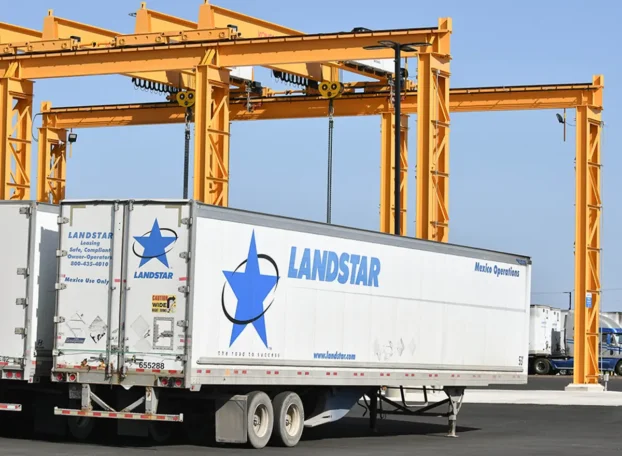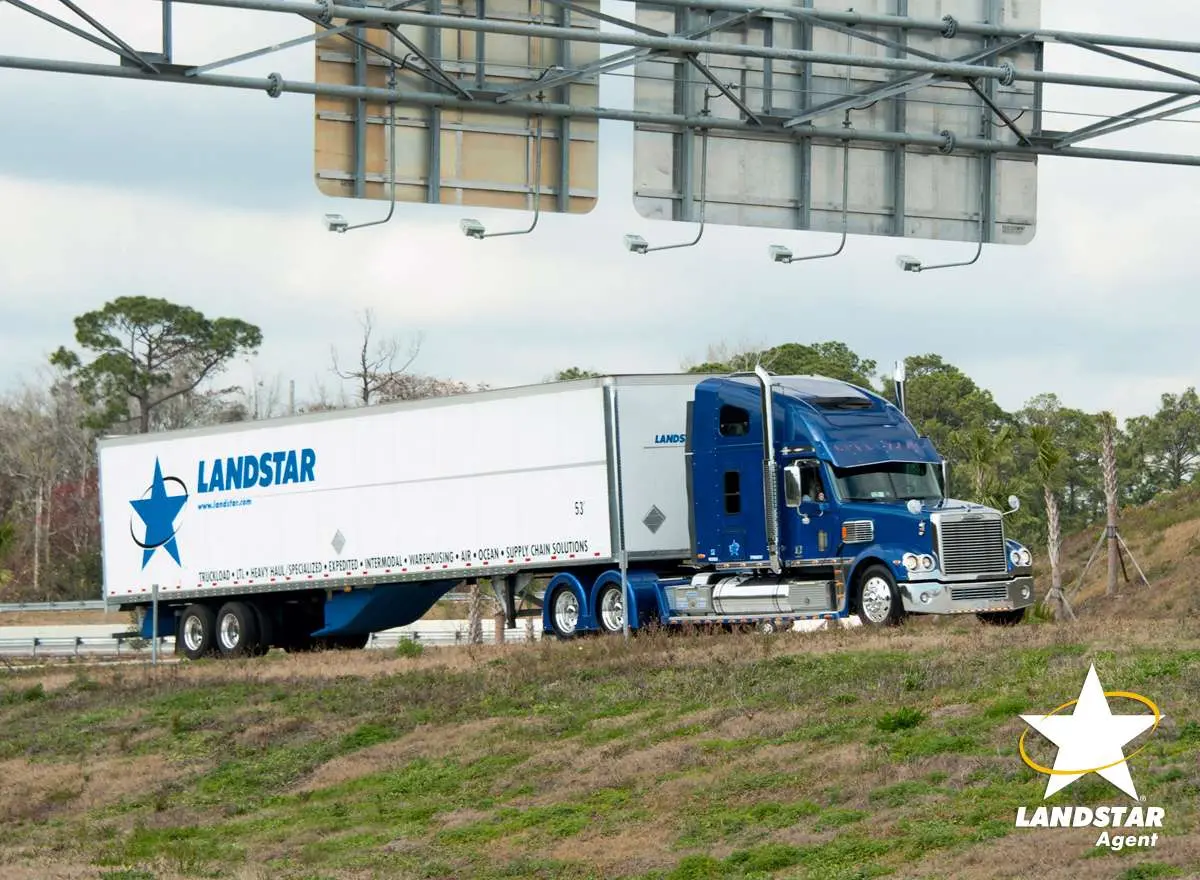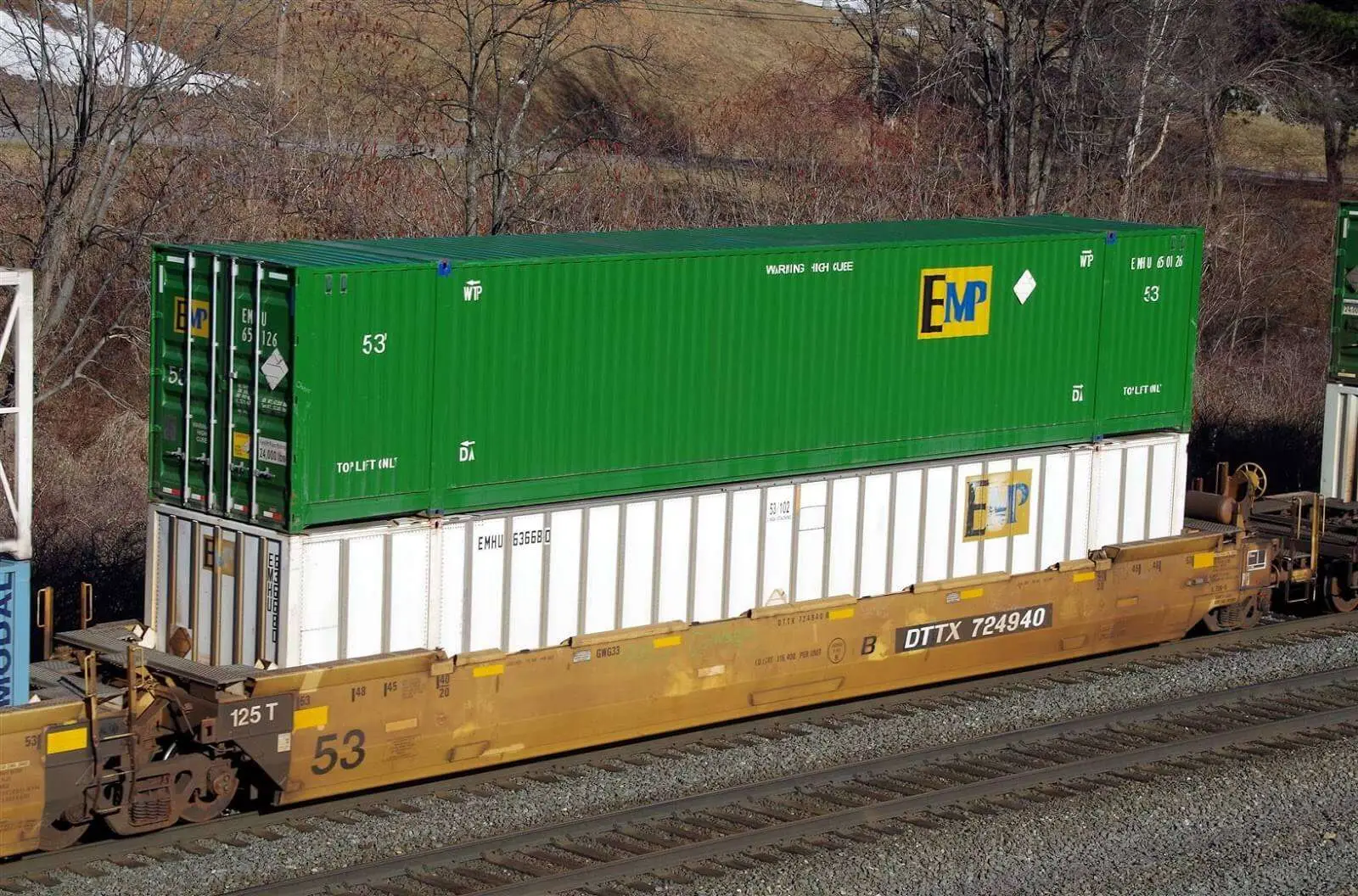
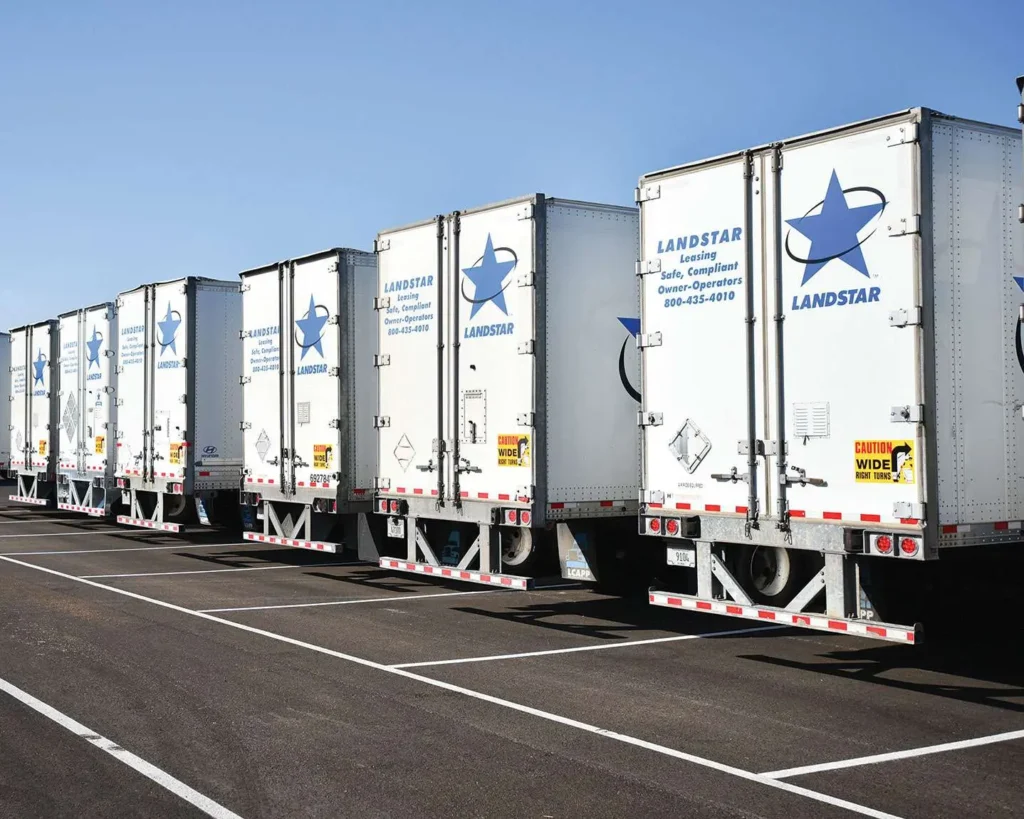
On paper, it looks simple. You plan a cross-border transit that leaves Texas on Monday and arrives in Mexico within 48 hours.
But reality rarely matches the map.
When freight crosses national lines, complexity increases fast.
Regulations change. Documentation expands. Custom checks tighten.
Even experienced logistics teams underestimate how much preparation is required.
That is why a 48-hour cross-border transit often requires weeks of planning.
If your business depends on freight shipping between the U.S., Mexico, or Canada, here is exactly what you need to do before a trailer ever leaves your facility.
1. Start Documentation Well Before Pickup
Most delays in cross-border shipping start with paperwork, not the border itself.
Each destination has specific requirements.
For Mexico, your commercial invoice must be in Spanish.
As of January 2025, all import declarations must include the Importer of Record’s Tax ID number.
Mexican customs also do not accept product codes in place of detailed technical descriptions.
For cross-border shipping to Canada, you need a Canada Customs Invoice or Commercial Invoice, a Bill of Lading, a Manifest or Cargo Control Document, and a Shipper’s Export Declaration.
Canada border processes move fast. But only if your broker files before the truck arrives.
Delayed filing means your driver sits at the dock.
For any cross-border freight shipping valued at $2,500 or more, you must submit Electronic Export Information through the Automated Export System.
Build documentation review into your timeline, not the night before departure.
2. Verify Your Product Classifications and Declared Values
Misclassified products are one of the most common triggers for extended custom checks.
Each product must be assigned the correct Harmonized System (HS) code. Values must be declared accurately.
Any mismatch between your invoice, packing list, and the freight itself can result in holds, fines, or rejected shipments.
Before each cross-border transit, confirm that your product classifications are current. Tariff schedules change.
A classification that was correct last year may not be today.
Work with a licensed customs broker who can verify this before your freight reaches the border.
3. Leverage USMCA But Do the Work to Qualify
USMCA allows qualifying goods to move between the U.S., Mexico, and Canada with zero or reduced duties.
That is a significant cost advantage.
But it requires a valid Certificate of Origin.
Rules of origin can be complex, especially for assembled or blended goods.
Many U.S. businesses miss out on duty savings because their documentation does not fully support the claim.
Confirm supplier declarations. Maintain proper records.
If you are not sure your product qualifies, a customs brokerage can validate your documentation before you file.
Do not leave duty savings on the table due to paperwork gaps.
4. Consider C-TPAT Certification
If your business ships across borders regularly, C-TPAT certification is worth pursuing.
C-TPAT is a free, voluntary program run by U.S. Customs and Border Protection. Certified companies are classified as low-risk.
That means fewer examinations and access to FAST lanes. You receive front-of-line processing when inspections do occur.
These benefits combine to create significantly shorter wait times at the border.
More than 11,400 companies are currently certified.
The application is completed online through the CBP portal and involves no membership fees.
Cross-border shipping companies that hold C-TPAT certification also become more attractive partners.
Many large importers and exporters require it.
5. Build Buffer Time Into Every Shipment
Even perfect paperwork cannot eliminate all delays.
Border crossings between the U.S. and Mexico or the U.S. and Canada experience heavy traffic.
Inspection capacity fluctuates. Physical custom checks take time. If freight is selected for additional review, transit extends.
U.S. businesses that plan for variability protect their schedules.
Those that assume best-case timelines absorb the cost when reality differs.
Add buffer time to delivery commitments.
Communicate that buffer to your customers and suppliers.
It is far easier to manage expectations in advance than to explain delays after the fact.
6. Coordinate All Parties Before the Truck Moves
Cross-border transit involves more than a driver and a destination.
For Mexico shipments, you need both a U.S. Freight Forwarder and a licensed Mexican Customs Broker.
For Canada, your carrier requires a designated broker to clear goods on their behalf.
Each transfer point, including carrier handoffs, trailer changes, documentation transfers between brokers and agents, introduces risk.
Information gaps at any of these points can cause delays and confusion.
The fix is simple.
Align everyone before pickup.
Confirm shipment details with your supplier, broker, and carrier at the same time.
Send copies of your commercial invoice and Bill of Lading to your logistics provider and customs broker simultaneously.
Place backup copies inside the container itself.
If documents are lost in transit, your freight should not be.
7. Choose Cross-Border Shipping Services That Specialize in Compliance
Not all cross-border shipping companies operate the same way.
Some manage transport only.
Others integrate customs brokerage with carrier coordination. This eliminates the communication gaps that cause the most costly delays.
When evaluating cross-border shipping services, ask specific questions.
How do they manage both sides of the border? Is their customs brokerage handled in-house or outsourced?
What is their current C-TPAT certification status?
Can they prove documented success in your specific U.S.-to-Canada or U.S.-to-Mexico lanes?
The right partner reviews your documentation before pickup, monitors crossing patterns, and communicates proactively when issues arise.
How Jansson LLC Supports Your Cross-Border Transit
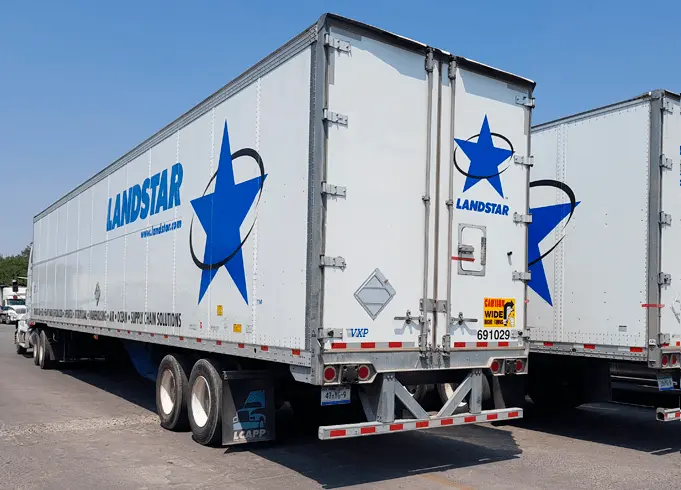
At Jansson LLC, our network includes trusted cross-border shipping partners who specialize in North American trade lanes.
Early documentation prep is a core part of our strategy to keep your cargo moving.
By verifying compliance details before freight ever reaches the border, our team prevents costly holdups.
Coordination with brokers happens in real time to eliminate custom check delays.
This approach is built on proactive prevention rather than reactive fixes.
When you work with Jansson LLC, cross-border freight shipping becomes structured and predictable.
That protects your schedule and your bottom line.
The shipment may move in 48 hours. But it moves smoothly because the right preparation happened first.
Contact Jansson LLC today to strengthen your cross-border shipping process before the next shipment moves.