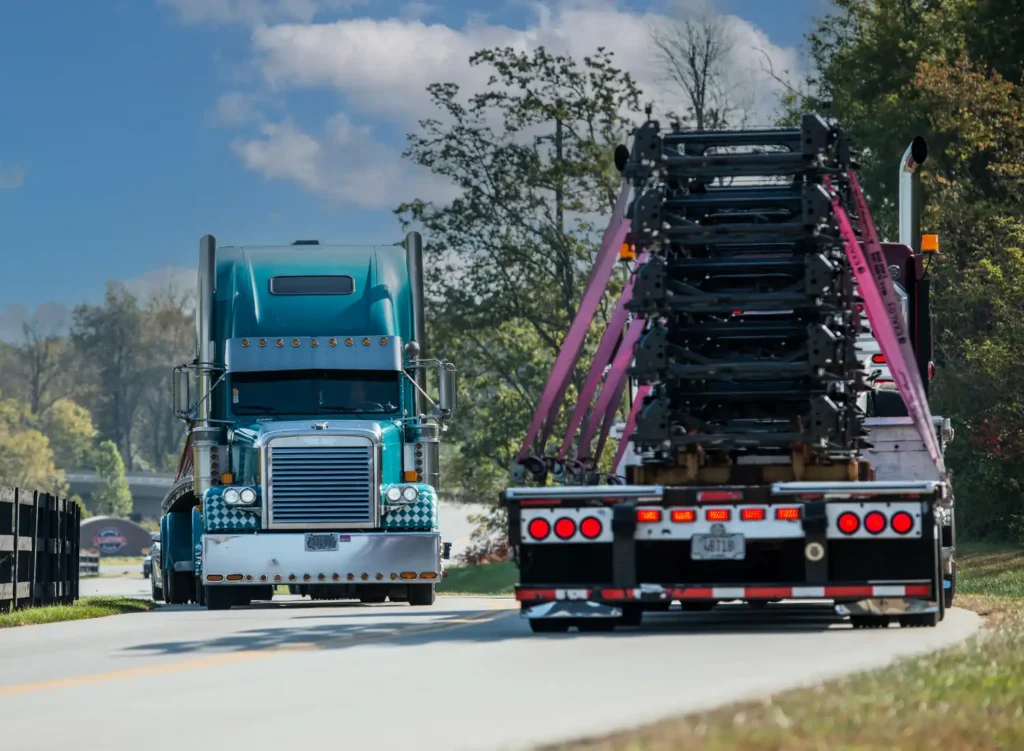
Flatbed shipping has always been about balance, but the rise of the electronic logging device is shifting the scales.
As 2026 approaches, that balance is getting harder to maintain.
The reason is simple.
Technology is evolving, and FMCSA enforcement is tightening.
What once felt like a carrier issue is now a shipper risk.
If your freight moves on a flatbed truck or trailer, these changes matter to your business.
These digital tools are no longer just logbooks. They are becoming central to enforcement, audits, and safety ratings.
The 2026 updates will make them even more critical.
For shippers that rely on flatbed transportation, understanding these changes is no longer optional.
Why Do Electronic Logging Devices Matter More Than Ever?
Electronic logging devices (ELDs) were designed to make roads safer. They track driving hours, rest breaks, and vehicle movement.
The core goal remains the same: reduce driver fatigue and keep people safe.
However, the role of ELD data has expanded.
Inspectors now check these logs instantly during roadside stops. Insurance companies review the data before settling claims.
Attorneys even use this data to build legal cases.
For shippers, ELD data is now the primary “risk profile” for every shipment. If the logs are messy, the cargo is at risk.
What is Changing In the 2026 FMCSA Updates?
The 2026 updates are a major shift in how the government monitors fleets. These new rules eliminate many old “workarounds” and focus on seven main areas.
Constant GPS Tracking
Old rules only required a GPS “stamp” when a driver changed their status. The 2026 focus is on continuous tracking every 60 minutes, no matter what.
This makes it impossible to hide location-based violations by delaying a log entry.
Faster Data Sharing
Data can no longer sit on a local device until an inspection. New standards push for data to reach the FMCSA portal within 15 minutes of being created.
This allows the government to audit your entire fleet from its offices.
Automated Health Checks
Devices must now monitor themselves for malfunctions or tampering.
If the system detects an issue, it must notify both the driver and the home office within 30 minutes.
You can no longer claim you “didn’t know” the ELD was broken.
Stronger Data Security
To protect driver privacy and prevent hacking, the 2026 rules require high-level encryption (AES-256).
Many older devices cannot support this and will need to be replaced entirely.
Total System Integration
Compliance tools can no longer live in a vacuum.
Your electronic logging devices must now “talk” to your fleet management software (CMMS) through standard APIs.
This turns raw data into actual business intelligence.
No More Driver Harassment
The new rules are much stricter about how you use ELD data.
Carriers must prove they aren’t using logs to pressure drivers into unsafe schedules.
You must have written policies and annual training to stay compliant.
Higher Fines and Immediate Grounding
The cost of a mistake is going up. Maximum penalties are jumping to over $15,000 per violation.
Even worse, officers now have the power to ground your trucks immediately if they find a non-compliant device.
For shippers, these changes mean there is no room for error. A carrier with a revoked or outdated electronic logging device can be shut down on the spot.
This leads to grounded freight, missed deadlines, and major legal exposure.
Why Does Flatbed Shipping Feel the Impact First?
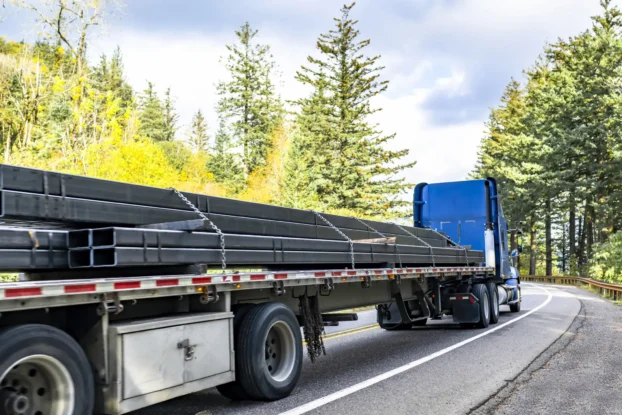
Flatbed shipping operates differently from dry van freight. Loads are often oversized, and securement takes time.
Additionally, weather can delay tarping, and traffic conditions can change routes.
All of this affects driving hours.
When a truck is held up by late loading, it still counts against a driver’s legal hours. Problems with cargo securementcan also cause unexpected stops.
These small delays add up and create red flags on your digital logs.
With electronic logging devices, there is no flexibility to “make up time” later.
That is why flatbed hauling is especially sensitive to ELD enforcement.
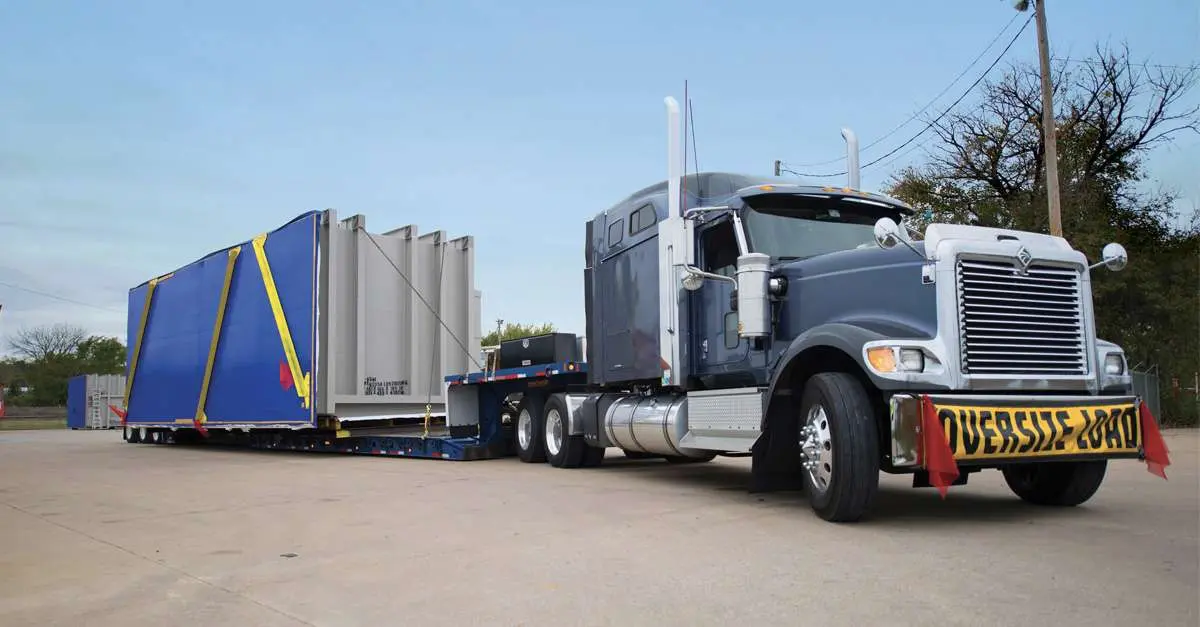
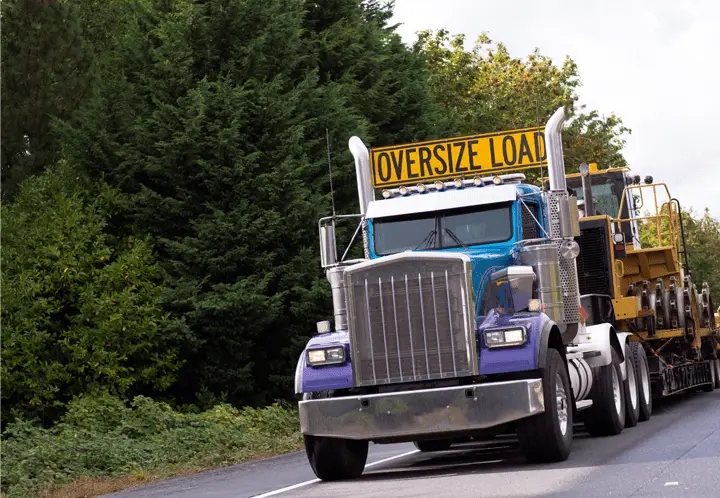
Heavy haul flatbed moves are even more complex.
Permits, escorts, and route restrictions already limit flexibility. Add tighter ELD scrutiny, and planning becomes critical.
What Are Smart Shippers Doing Differently?
Shippers who adapt early gain an advantage.
Smart planners build realistic schedules that reflect the realities of flatbed transport.
These companies allow extra time for securement checks and oversized cargo transport.
By partnering with carriers who invest in compliant electronic logging devices, they reduce their overall risk.
Above all, these business owners demand total visibility into every shipment.
Understanding how ELD requirements affect routes, dwell time, and delivery windows helps avoid surprises.
Most importantly, they choose logistics partners who understand both compliance and operations.
Why Does Partnering With Jansson Make a Difference?
This is where many U.S. businesses change course.
Jansson understands that electronic logging devices are not just a regulatory checkbox. They are part of a larger flatbed logistics strategy.
We have top-tier carriers that meet every ELD requirement and maintain strong safety records.
By planning logistics schedules that respect hours-of-service limits, Jansson accounts for real-world conditions before the freight ever moves.
Our team understands heavy haul flatbed moves, oversized cargo transport, and the securement challenges that come with them.
We factor in loading time, inspections, and route constraints before freight ever moves.
That approach reduces delays and lowers risk.
Visibility, Compliance, and Control
With Jansson, shippers gain clarity.
We provide real-time visibility into flatbed shipments, from dispatch to delivery. We monitor compliance indicators that matter, including ELD performance and safety trends.
If an issue arises, we act early. That prevents small compliance problems from becoming major disruptions.
Our approach protects your freight and your reputation.
Preparing for 2026 Starts Now
The 2026 FMCSA updates are not a distant concern. They are already shaping enforcement and carrier behavior.
Shippers who wait will feel the impact through delays, higher costs, and fewer carrier options. Shippers who prepare now will move freight with confidence.
Electronic logging devices will continue to define how flatbed transportation operates. The question is whether they work for you or against you.
How Can You Turn Electronic Logging Device Compliance Into a Competitive Edge?
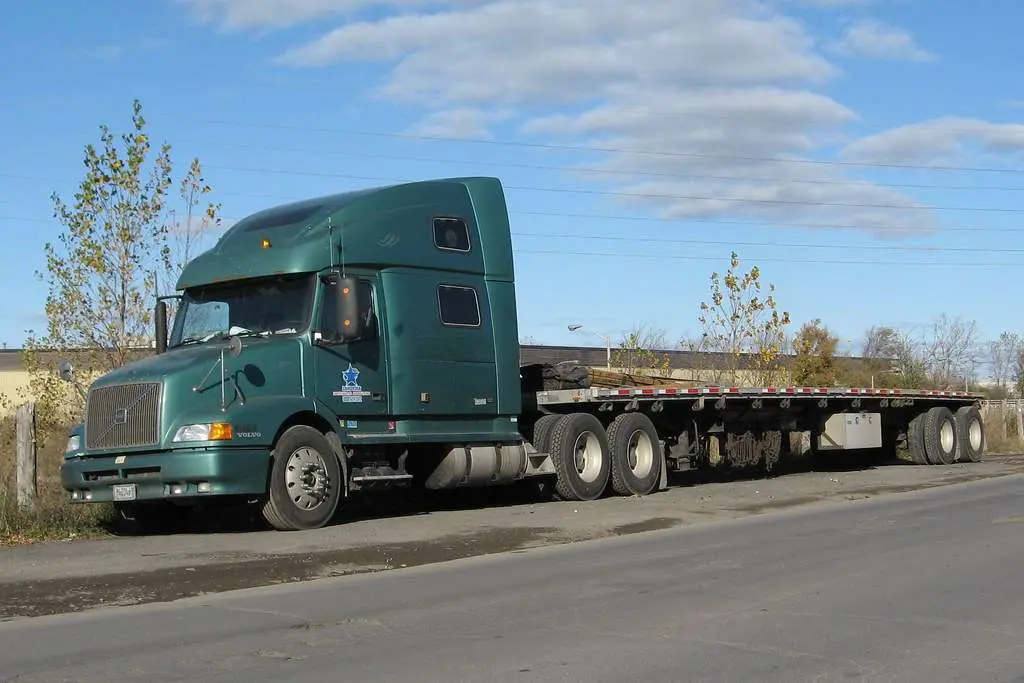
Flatbed shipping will always involve complexity. Electronic logging devices add another layer, but they do not have to slow you down.
With the right planning and the right partner, ELD compliance supports safer, more reliable freight movement.
Jansson helps U.S. businesses navigate these changes with confidence. We align compliance, safety, and efficiency across every flatbed shipment.
If your business relies on flatbed freight, heavy haul flatbed moves, or oversized cargo transport, now is the time to act.
Let’s make electronic logging devices a strength, not a risk.
Book a call with Jansson today and learn how we keep flatbed shipping smooth, compliant, and ready for what 2026 brings.