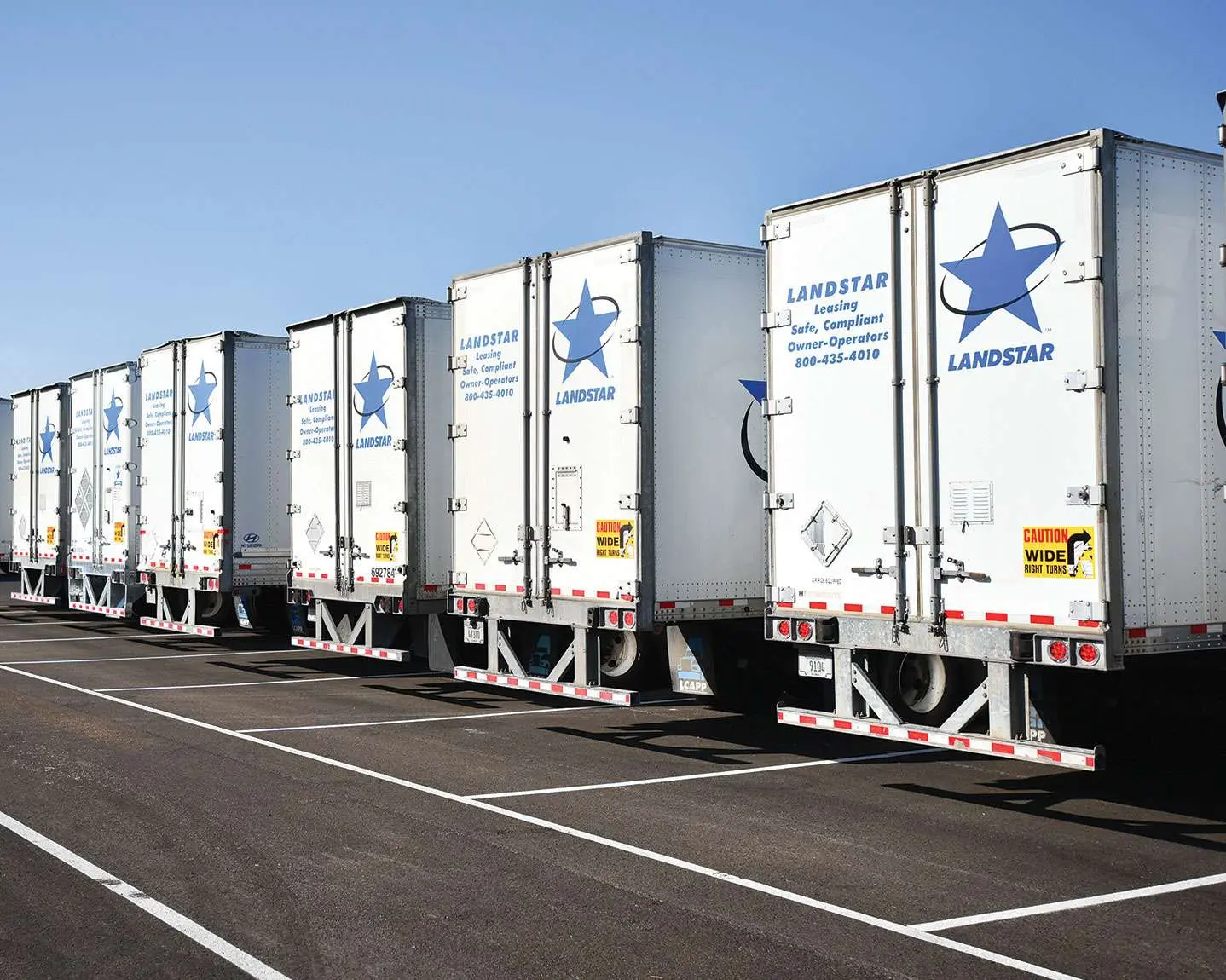

Shipping hazardous materials isn’t just about getting freight from point A to point B. It’s about having an emergency response plan in place to protect everyone involved.
Every hazmat shipment should be backed by safety, legal compliance, and full preparedness in case something goes wrong.
That’s where an emergency response plan (or ERP) comes in.
For U.S. businesses that handle or transport hazmat, having a clear and compliant ERP isn’t optional.
It’s a legal requirement under DOT HAZMAT regulations, OSHA HAZMAT guidelines, and NFPA standards.
And more importantly, it’s a critical tool in protecting your employees, your freight, and the public.
If your operation involves hazardous materials, toxic substances, or any form of HAZMAT transport, understanding your emergency response responsibilities is essential.
Why Emergency Response Plans Matter
An emergency response plan is a document that outlines exactly what to do in the event of a HAZMAT emergency, from chemical spills to fire, leaks, or accidents during transit.
These plans help companies act fast, reduce harm, and meet their legal obligations.
Without a plan, even minor incidents can spiral into major crises.
And in today’s regulatory environment, the consequences of being unprepared, both financially and reputationally, can be severe.
Key Components of a Hazmat ERP
A strong hazmat emergency response plan doesn’t have to be complicated. It does, however, need to clearly explain what you ship, who is responsible, and how to respond when something goes wrong.
Hazardous Materials Inventory and Classification
Your ERP should list every hazardous material you ship and clearly note its HAZMAT classification. This helps responders understand the risks right away and choose the correct response.
Safety Data Sheets (SDS) Access
Each hazardous material must have an up-to-date Safety Data Sheet included or easily accessible. The SDS explains health risks, cleanup steps, and emergency handling instructions.
Emergency Response Zones and Evacuation Plans
The plan should define emergency response zones and explain when evacuation is required. Clear instructions help prevent confusion and protect people nearby.
Emergency Contacts and Response Teams
Include contact details for internal leaders, trained hazmat team members, first responders, and regulatory agencies. Quick access to the right contacts saves valuable time during an incident.
Required PPE and Protective Measures
Your ERP must list the proper PPE for HAZMAT situations, such as gloves, masks, or protective suits. This ensures responders stay safe while handling hazardous materials.
Labeling, Placards, and Communication Procedures
The plan should explain how hazardous materials are labeled and how employees will be alerted during an emergency. Clear communication helps guide actions and reduces panic.
A well-built ERP brings structure to chaos. When every role, document, and action is clearly defined, your team can respond with confidence and stay compliant under pressure.
What Are Shippers Legally Responsible For?
If you ship hazardous materials, you’re not just sending out products but also responsible for keeping people and the environment safe.
Here’s what the law expects you to do.
Keep an Up-to-Date Emergency Response Plan
Every hazmat shipper must have a written emergency response plan (ERP). It must be kept current and followed closely by trained team members.
Train Employees on Hazmat Safety
You are required to make sure your team is properly trained on hazmat rules and emergency steps.
Regular safety drills help everyone stay ready in case something goes wrong.
Follow Proper Storage and Handling Rules
Hazardous materials must be stored correctly.
That means keeping incompatible items apart, labeling them clearly, and following national and international rules for handling.
Use Certified Packaging and Correct Labels
Each hazmat shipment must be packaged in approved containers and clearly labeled.
These details help prevent accidents and allow emergency crews to act fast if needed.
Match Your Paperwork to the Emergency Plan
Your shipment must include documents that match what’s in your ERP.
This ensures that if something happens during transit, the response plan is ready to go and fits the actual cargo.
Common Hazmat Emergencies and How to Prepare
Hazmat emergencies can happen fast and without warning. Chemical spills, gas leaks, fires, container failures, and crashes during HAZMAT transport all require quick, calm action.
A strong emergency response plan should spell out exactly what to do, step by step.
Step 1: Call for Emergency Help Immediately
As soon as an incident happens, contact local emergency services and notify the proper regulatory agencies.
Fast reporting helps protect people nearby and ensures the right help arrives quickly.
Step 2: Secure the Area for Safety
Block off the area based on your emergency response zones. This keeps employees, drivers, and the public away from danger.
Step 3: Activate Your Internal Response Team
Notify your trained hazmat response team right away. These team members know the plan and can take control of the situation.
Step 4: Use the Correct Protective Equipment
Anyone involved must wear the right PPE for HAZMAT, such as gloves, masks, or suits.
The type of protection depends on the material involved.
Step 5: Follow the Safety Data Sheet Instructions
Use the Safety Data Sheet (SDS) to guide cleanup or containment. The SDS explains how to handle spills safely and prevent the hazard from spreading.
Step 6: Report the Incident Properly
File all required reports within federal time limits. Accurate reporting helps maintain compliance and prevents future penalties.
Planning for emergencies isn’t about expecting the worst. It’s about being ready. When your emergency response plan is clear and easy to follow, your team can act quickly and safely when every second matters.
Why Partnering with the Right Logistics Company Matters
Even with a strong emergency response plan, there’s one more key to success.
And that is working with a logistics partner who understands HAZMAT transport from end to end.
At Jansson, we don’t just move freight. Rather, we build safety into every shipment.
Our team helps U.S. businesses create, update, and follow their HAZMAT compliance programs, including full ERP support.
From packaging and labeling to routing and response, we guide clients through the entire process.
How Jansson Supports Emergency Response Plan and Hazmat Compliance

Jansson takes hazmat safety seriously. From the first step to final delivery, we help U.S. businesses stay compliant and prepared.
Starting With Compliance at the Core
Every hazmat shipment we manage begins with a full compliance check.
We make sure containers are safe, labels are correct, and all paperwork is ready before anything moves.
Verifying Packaging and Labels
Our team ensures that hazardous packaging meets federal standards.
We check that the right Safety Data Sheets (SDS) and emergency instructions are included with every load.
Helping You Build a Stronger Emergency Response Plan
Jansson doesn’t just move freight but helps you improve your ERP.
That includes guidance on hazmat classification, safe storage practices, and how to respond quickly if something goes wrong.
Matching You With the Right HAZMAT Carriers
We work with skilled carriers who are trained in hazmat response.
Whether you’re moving flammable liquids or corrosive materials, your shipment is in expert hands.
Responding Fast When Emergencies Happen
If something goes wrong, Jansson acts fast.
We keep you informed, support emergency crews, and help you meet all legal reporting requirements.
This way, you stay protected from start to finish.
Move Forward with Confidence
If your business ships hazardous materials, your emergency response plan isn’t just a regulatory requirement.
It’s a business essential.
Having the right ERP in place can mean the difference between chaos and control, fines and compliance, or even safety and tragedy.
At Jansson, we make HAZMAT compliance easier, safer, and smarter.
Whether you’re building your first ERP or looking to improve your current plan, our experts are here to help.
Let’s keep your shipments and your people protected.
Book a call with a Jansson expert today, and take the next step in safer, more compliant HAZMAT shipping.