
In heavy haul shipping, the first three minutes of load securement are the most dangerous.
That may sound dramatic, but it’s true.
This short window (right after a piece of equipment is loaded onto a trailer and before the first chain or strap is applied) is where most accidents happen.
In that critical moment, gravity, balance, and momentum can all turn against you.
One small misstep can lead to tipping, shifting, or even injury.
The problem?
Many teams rush through this part of the process.
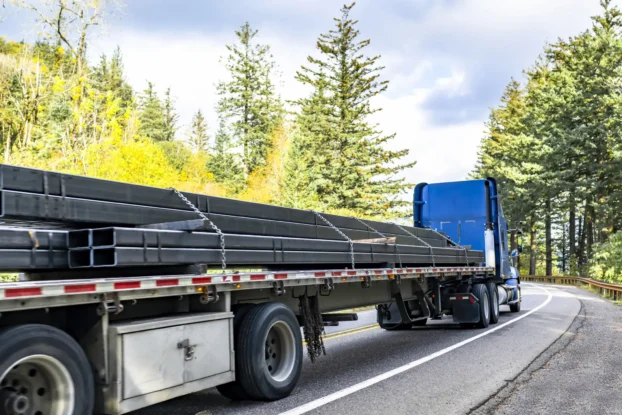
Properly securing thousands of pounds of unrestrained or suspended equipment right from the start protects your crew, freight, and bottom line.
Let’s break down what makes those three minutes so risky and how to manage the center of gravity.
And ten essential best practices to master load securement for heavy haul shipments.
Why Do Those First Three Minutes Matter?
When transporting large loads, there’s no room for error.
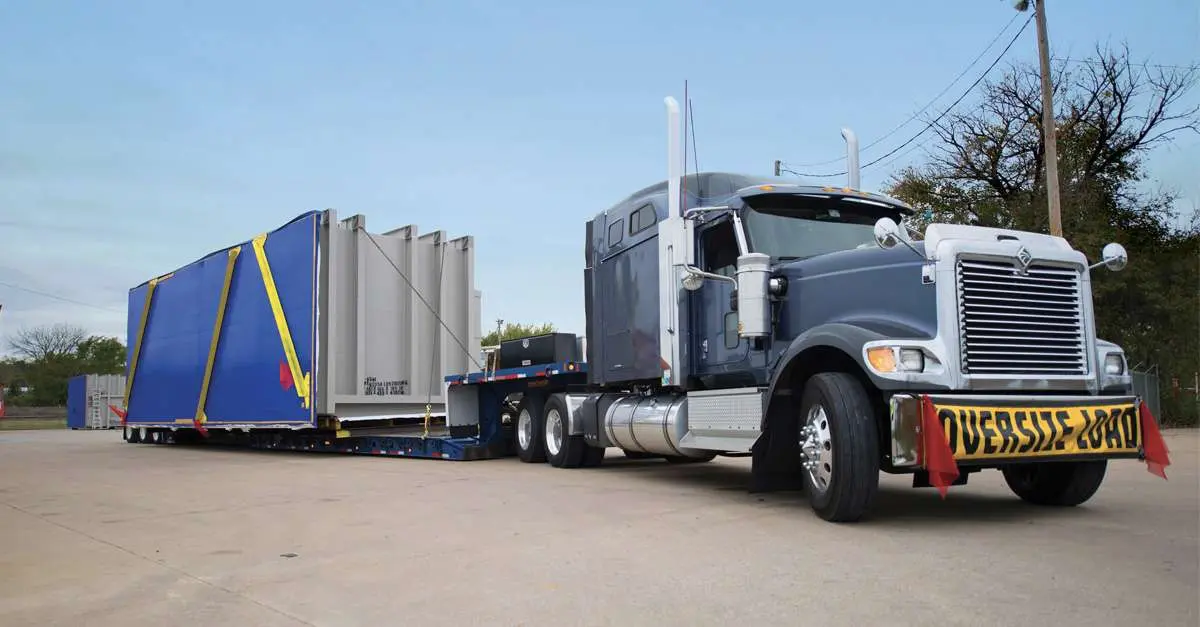
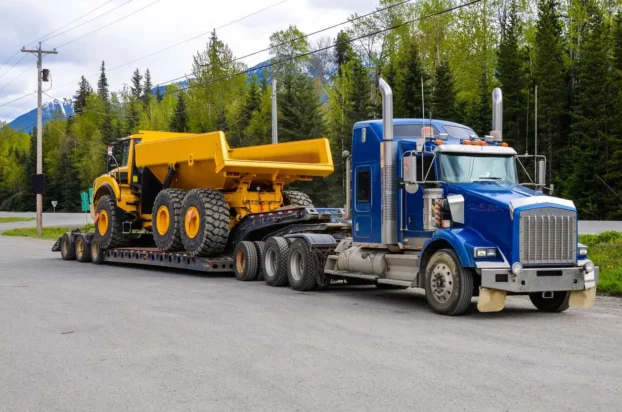
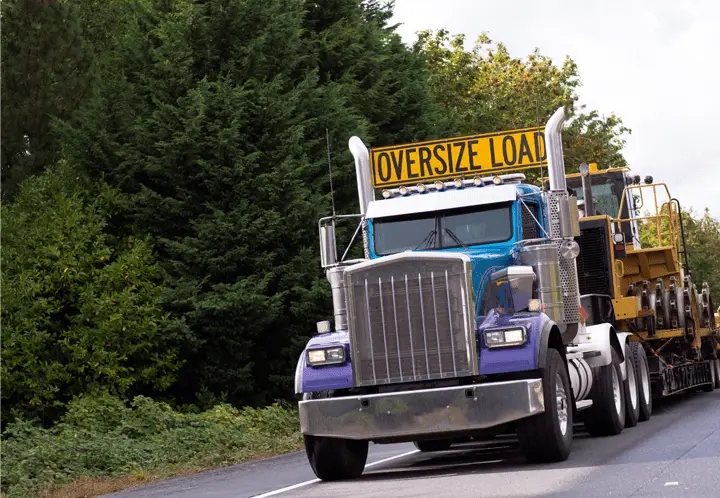
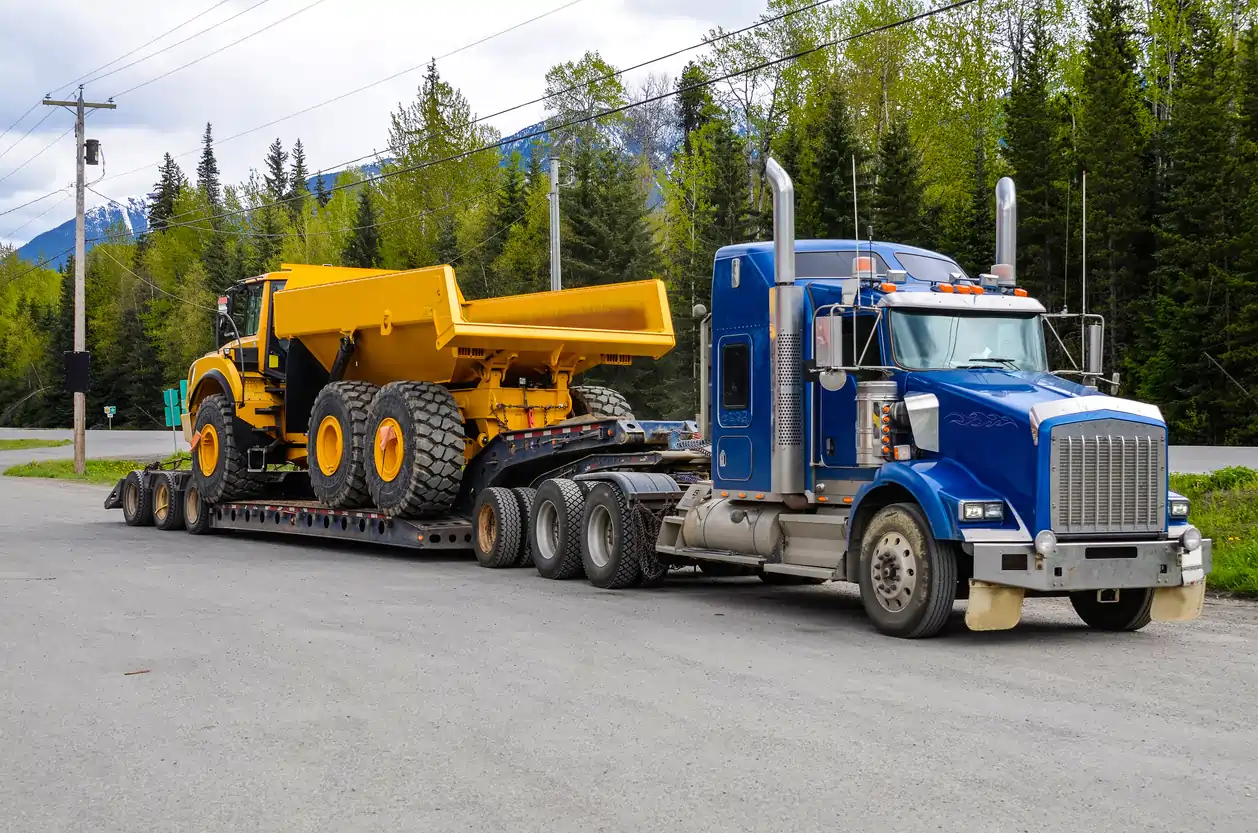
A backhoe, turbine, or oversized generator doesn’t just sit neatly on a flatbed.
These pieces of cargo are often oddly shaped, top-heavy, or mounted on multiple axles.
The moment a load touches the deck, the clock starts ticking.
If your team isn’t aligned and ready to restrain the load immediately, several risks emerge.
Loads can shift from vibration, wind, uneven trailer surfaces, or gravity pulling toward a low point.
These movements might be small. But when dealing with tens of thousands of pounds, even a slight shift can spell disaster.
Load securement must begin before the tie-downs. It starts with planning, positioning, and preparation.
Why Is “Center of Gravity” Everything?
Every heavy haul load has a center of gravity.
This is the point where weight is equally balanced in all directions.
If your team doesn’t account for it when securing the cargo, the entire load could lean, slip, or even flip.
Misjudging the center of gravity leads to incorrect tie-down angles, uneven pressure, and instability in transit.
And once that load hits the highway, you’re gambling with every bump or curve.
That’s why securing of cargo, especially during heavy haul shipping, requires more than chains and straps.
It requires knowledge, calculation, and coordination.
To keep your heavy haul shipments safe and legal, these ten best practices will help minimize risk and maximize stability. This is especially true during those first dangerous minutes.
1. Know Your Load
Understand the dimensions, weight, and structure of your cargo.
The more you know, the better you can plan the number and placement of tie-downs needed.
2. Use the Right Equipment
Not all tie-downs are created equal.
Make sure you’re using chains, binders, and tensioners rated for the weight and shape of your load.
Check for wear and damage before use.
3. Calculate the Center of Gravity
Determine where the weight is most concentrated.
Align your tie-downs and support points accordingly to keep the load centered and balanced.
4. Pre-Position Your Tie-Downs
Before the load touches the deck, have your chains and restraints ready to go.
The faster you secure the cargo, the lower your risk of a shift.
5. Double-Check Trailer Conditions
Ensure the trailer surface is clean, dry, and free of oil or debris.
Even slight slipperiness can compromise friction and cause large loads to slide.
6. Apply Minimum Required Tie-Downs and Then Some
FMCSA rules require a minimum number of tie-downs per weight and length.
But with heavy haul shipments, going above the minimum adds an extra layer of safety.
7. Use Edge Protectors
Sharp edges or contact points can cut into your restraints.
Use edge protectors to avoid damage to your tie-downs and protect the load itself.
8. Secure the Load in All Directions
Vertical, lateral, and longitudinal movement must be addressed.
Use angled chains and belly wraps to restrain the load fully from all sides.
9. Inspect Your Work
Walk around the entire trailer to inspect the securement from all angles.
Tighten any loose chains and recheck tension after the first few miles on the road.
10. Train Your Team
Even experienced drivers can forget a step.
Regular training ensures everyone knows the importance of proper load securement, especially under pressure.
What Happens When You Cut Corners?
Skipping steps or rushing load securement may save five minutes now. But it could cost you thousands later.
Heavy haul shipping accidents can lead to citations, freight damage, equipment loss, injuries, and lawsuits.
Worse, violations related to load securement often result in out-of-service orders or liability for roadside incidents.
The lesson is clear.
Securing your cargo properly is non-negotiable.
And in the world of large loads and high liability, having a trusted logistics partner can make all the difference.
How Does Jansson Simplify Heavy Haul Shipping?
At Jansson, we understand that the margin for error in heavy haul is razor-thin.
We’ve built our heavy haul shipping services around safety, compliance, and preparation.
That starts with a deep understanding of load securement best practices and ends with successful delivery, every time.
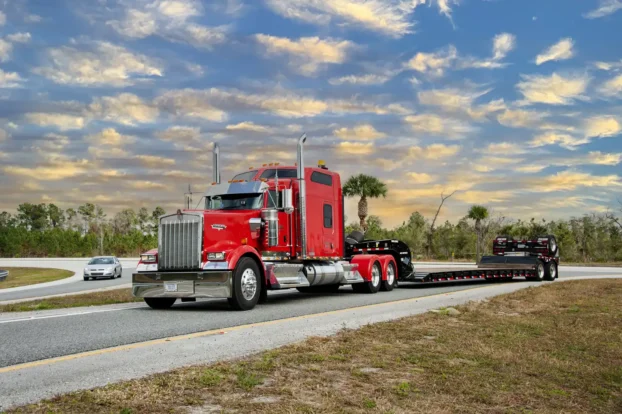
From multi-axle trailers to high-torque tie-down tools, our network is equipped to move even the most over-dimensional freight with full confidence.
Cargo movement isn’t our only focus. Every aspect of the haul is meticulously strategized.
Our logistics experts help you identify the right equipment, confirm securement points, and provide real-time visibility from pickup to final drop-off.
We also provide load securement audits and pre-shipment inspections to reduce risks before the cargo moves an inch.
Whether you’re shipping machinery, structural components, or oversized industrial systems, our team ensures the securing of cargo is done by the book and then some.
You shouldn’t have to guess when it comes to large loads.
That’s why we give you the tools, team, and strategy to get it right the first time.
Ready for Smarter Shipping? Start with Expert Load Securement
The first three minutes may be the most dangerous, but with the right partner, they don’t have to be.
Jansson is here to make sure your heavy haul shipments are safe, compliant, and efficient from start to finish.
When your cargo is tied down correctly, everything moves more smoothly.
Including your timeline, your budget, and your peace of mind.
Let’s talk about how we can secure your next heavy haul project with precision and care.
Book a call with Jansson today and take the guesswork out of load securement.