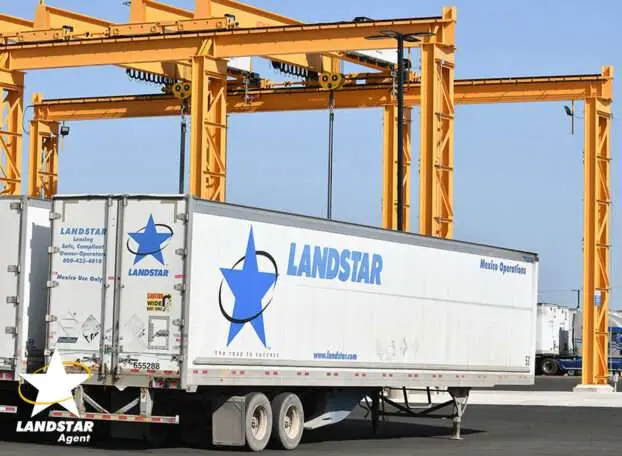
Cross-border freight shipping plays a vital role in North American trade, and with it comes an increased risk of cargo theft.
Every day, thousands of shipments cross between the U.S. and Mexico, carrying everything from electronics and auto parts to food and medical supplies.
But with that volume of movement comes a growing challenge.
Mexico has become a hotbed for freight crime, and the numbers paint a troubling picture.
While most drivers complete deliveries safely, certain corridors have seen sharp rises in theft and attacks.
And for U.S. businesses relying on cross-border shipping services, the hidden costs of a single stolen load can be enormous.
Let’s break down the top five high-risk zones in Mexico right now and what U.S. companies can do to protect their freight across borders.
The Top 5 High-Risk Zones for Cargo Theft in Mexico
Mexico plays a vital role in North American supply chains. But like any region with high freight volume, some areas carry more risk than others.
For shippers involved in cross-border freight shipping, awareness is key.
Certain zones have seen increased cargo theft activity, often due to busy trade routes and infrastructure challenges.
Understanding where and why incidents occur can help U.S. businesses plan smarter and protect their shipments more effectively.
1. State of Mexico (Edomex)
Edomex remains the most dangerous region for cargo theft in the country. It surrounds Mexico City and includes major industrial corridors and highways like the Arco Norte.
Criminal groups target trucks carrying electronics, consumer goods, and auto parts.
Theft often occurs near toll booths and rest stops.
2. Puebla
Located near central Mexico, Puebla has seen rising freight theft, especially on Route 150D, which connects Mexico City to Veracruz.
High traffic and limited police presence make it easy for organized theft rings to operate.
Food, household goods, and even pharmaceuticals are common targets.
3. Guanajuato
Guanajuato is part of Mexico’s “Bajío” industrial region and home to many manufacturers.
It’s also a known high-risk zone for cross-border freight shipping.
Criminals target trucks moving raw materials and finished goods, especially at highway junctions and industrial park exits.
4. Michoacán
With key ports like Lázaro Cárdenas, Michoacán is a vital state for trade.
Unfortunately, it’s also become a hotspot for cargo theft due to weak enforcement and organized crime.
Thieves use roadblocks and intimidation tactics, often targeting goods fresh off ships or headed north.
5. Veracruz
Veracruz sees heavy port activity and long-haul freight destined for the U.S. border. But its roads are often unpatrolled, and theft rates have surged.
Trucks carrying electronics, plastics, and textiles are frequent victims, especially along the 150D and 180D corridors.
Why “Cheap” Shipping Services Don’t Help
Many cross-border shipping companies promise low-cost shipping between the U.S. and Mexico.
But the hidden costs of using a cheap service provider often show up after something goes wrong.
Cheap carriers may cut corners on security, use outdated equipment, or hire undertrained drivers.
They might not use real-time tracking or comply with international safety standards. This makes them vulnerable, and that vulnerability becomes your risk.
If your shipment disappears, it’s not just a matter of reordering.
You’re stuck dealing with claims, delays, customer fallout, and possibly even fines.
In high-risk zones, cost-cutting logistics simply aren’t worth it.
7 Tips to Vet a Cheap Cross-Border Shipping Quote
So how can U.S. businesses make smarter choices without overpaying?
Here are seven ways to vet a quote before saying yes.
1. Ask About Their Theft Prevention Strategy
Don’t just ask if they “handle Mexico routes.” Ask how they secure them.
A strong carrier will explain how they reduce theft risk and which corridors they avoid or protect.
2. Look for Real-Time Tracking
If a logistics company can’t provide GPS tracking with regular updates, that’s a red flag. Visibility is essential when moving goods across borders.
3. Verify Their Compliance Certifications
Trusted cross-border shipping companies follow both U.S. and Mexican compliance rules.
Look for companies that meet DOT HAZMAT regulations, international standards, and partner with certified carriers.
4. Check Their Response Plan for Freight Crime
What happens if your load is stolen or hijacked?
A good carrier should walk you through their contingency plan and recovery process.
5. Ask About Insurance Coverage
Cheap quotes often exclude key protections. Confirm cargo insurance coverage and ask what happens in the case of loss.
6. Request Their Carrier Vetting Process
Do they screen their drivers? What training do they provide?
Experienced partners invest in HAZMAT training, team training, and detailed emergency response plans.
7. Talk to Their Existing Clients
Reputable logistics companies have references. Ask for examples of similar businesses they’ve helped in cross-border shipping to Canada or Mexico.
How Jansson Helps You Fight Cargo Theft Across Borders
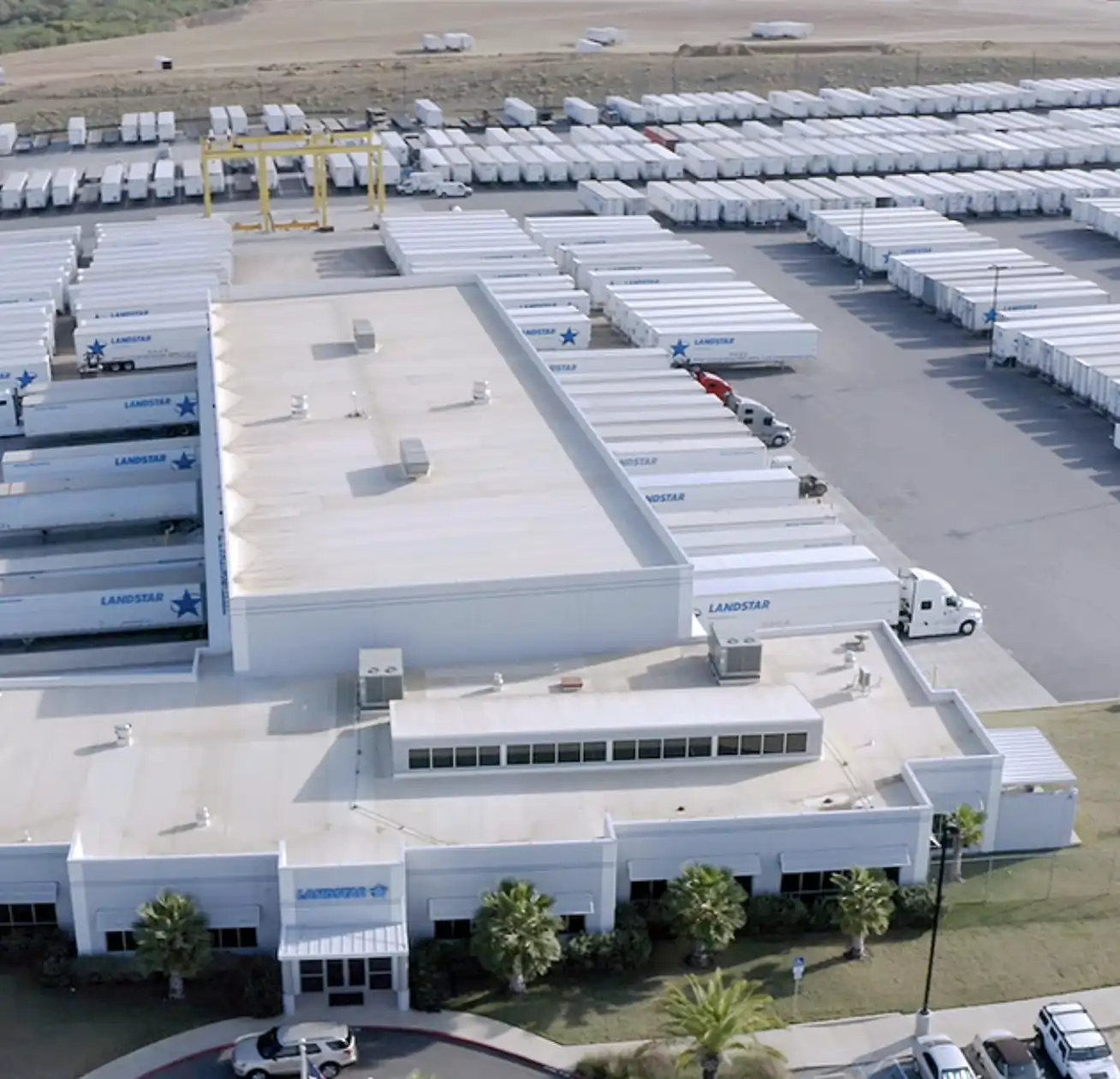
At Jansson, we don’t believe in shortcuts, especially when it comes to cross-border freight shipping in high-risk regions.
We help U.S. businesses move goods into and out of Mexico safely, securely, and in full compliance with all regulations.
Every load is tracked in real-time.
We vet and assign only experienced carriers who are trained in HAZMAT safety, freight crime prevention, and route risk management.
We also help clients review routes, secure better coverage, and avoid dangerous lanes.
From emergency response plans to customs documentation, we cover every detail.
That way, your goods move across borders with minimal risk and full transparency.
Cross-Border Doesn’t Have to Mean High Risk
Cargo theft is real, but so is preparation. Knowing the high-risk zones and partnering with a trusted logistics provider can drastically reduce your exposure.
Whether you’re shipping into Guanajuato, moving goods through Veracruz, or exporting from Laredo to Canada, Jansson helps you build a secure supply chain that won’t fall apart under pressure.
Book a call with Jansson today, and let’s talk about how we can protect your freight while helping you grow.