
If your U.S. business ships chemicals, industrial products, medical supplies, or specialized equipment, you may already be handling hazardous materials without fully realizing it.
Many everyday products fall under hazmat rules, and misclassifying them can lead to serious consequences. These include fines, rejected shipments, delays, or even safety incidents.
Hazardous materials shipping is highly regulated for a reason. When handled incorrectly, these materials can pose risks to people, property, and the environment.
Understanding what qualifies as hazardous material is the first step toward safe, compliant shipping.
This guide breaks down what hazardous materials are, how they’re classified, and what U.S. shippers need to know to stay compliant.
It also explains how a logistics partner like Jansson helps businesses ship hazmat safely and confidently.
What Are Hazardous Materials?
Hazardous materials, often referred to as hazmat, are substances or materials capable of posing a risk to health, safety, property, or the environment during transportation.
Under DOT HAZMAT Regulations, a material is considered hazardous if it appears in the Hazardous Materials Table or meets specific criteria defined by federal agencies.
These materials are regulated by multiple authorities, including the U.S. Department of Transportation, OSHA, and the NFPA. Each agency focuses on different aspects of HAZMAT safety, from transport rules to workplace safety compliance.
If a material requires special labeling, placards, Safety Data Sheets (SDS), or emergency response planning, it likely qualifies as hazardous material.
Why Proper Hazardous Materials Classification Matters
Correct HAZMAT classification isn’t optional. It determines how a material must be packaged, labeled, documented, and transported.
Misclassification is one of the most common causes of compliance violations in hazmat shipping.
Accurate classification protects your employees, drivers, and customers.
It also ensures emergency responders have the information they need in the event of a spill, fire, or accident.
HAZMAT compliance reduces risk, prevents delays, and protects your business from costly penalties.
Common Categories of Hazardous Materials
Hazardous materials are divided into classes based on the type of danger they present.
Understanding these categories helps shippers identify whether their freight requires special handling.
-
Explosives and Reactive Materials
Explosives include fireworks, ammunition, detonators, and blasting agents. These materials present risks of explosion, rapid combustion, or projection hazards.
Even small quantities require strict HAZMAT transport controls, specialized packaging, and clear placards.
Some reactive substances may not explode under normal conditions but can become unstable when exposed to heat, shock, or friction.
These also fall under hazardous material regulations.
-
Flammable Liquids and Gases
Flammable liquids such as gasoline, diesel fuel, solvents, paints, and certain adhesives are among the most commonly shipped hazardous materials.
This category also includes propane, butane, and compressed natural gas.
These materials pose fire and explosion risks and must meet strict HAZMAT labeling and packaging requirements.
Improper handling can quickly turn a routine shipment into a HAZMAT emergency.
-
Corrosive Materials
Corrosive substances damage living tissue and materials upon contact. Common examples include sulfuric acid, hydrochloric acid, and sodium hydroxide.
Many industrial cleaners and manufacturing inputs fall into this category.
Corrosives require specialized containers, compatible packaging materials, and clear hazard communication to prevent leaks or exposure during transportation.
-
Toxic Substances and Poisons
Toxic substances can cause serious injury or death if inhaled, ingested, or absorbed through the skin.
This category includes pesticides, certain pharmaceuticals, industrial chemicals, and some cleaning agents.
Shipping toxic substances involves strict HAZMAT training requirements, PPE for HAZMAT handling, and detailed Safety Data Sheets to support emergency response.
-
Oxidizers and Organic Peroxides
Oxidizers don’t necessarily burn themselves, but they can cause or intensify fires by releasing oxygen.
Common examples include ammonium nitrate and hydrogen peroxide solutions above certain concentrations.
Organic peroxides are particularly sensitive to temperature and shock.
These materials require careful storage, temperature control, and compliant HAZMAT transport planning.
-
Radioactive Materials
Radioactive hazardous materials include medical isotopes, industrial gauges, and research materials.
These shipments are tightly controlled under DOT HAZMAT Regulations and NFPA standards.
Special labeling, shielding, routing, and emergency response plans are mandatory when transporting radioactive materials.
-
Miscellaneous Hazardous Materials
Some materials don’t fit neatly into other classes but still present risks during shipping.
Lithium batteries, dry ice, magnetized materials, and environmentally hazardous substances often fall into this category.
Lithium batteries, in particular, are a growing source of hazmat violations due to improper packaging or labeling.
How Safety Data Sheets Fit Into Hazmat Shipping
Safety Data Sheets are a cornerstone of HAZMAT compliance. SDS documents provide detailed information about a material’s properties, hazards, handling requirements, and emergency response procedures.
U.S. businesses must ensure SDS documents are accurate, up to date, and accessible to carriers and responders.
Missing or outdated SDS information can result in rejected shipments or regulatory action.
HAZMAT Labeling, Placards, and Documentation
Once a material is classified as hazardous, proper communication becomes critical.
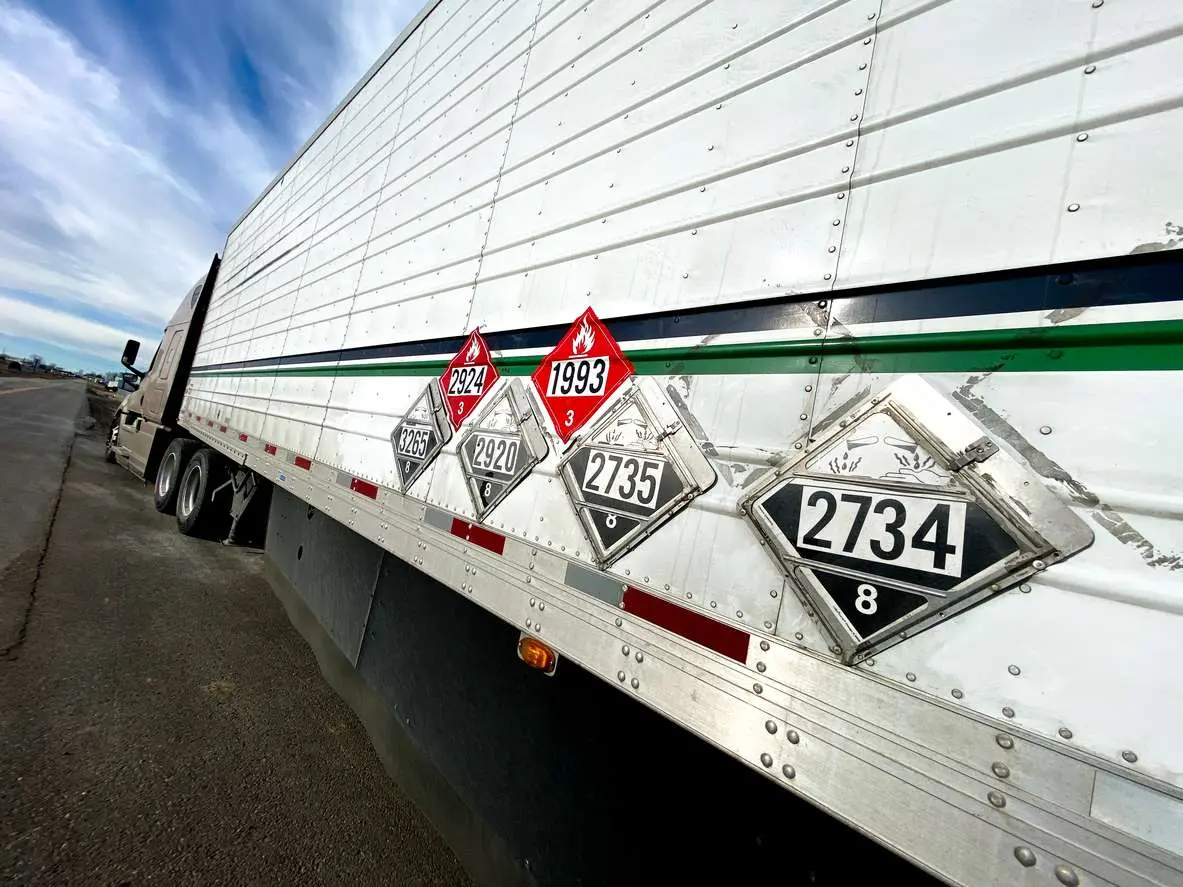
HAZMAT labeling and placards visually alert carriers, inspectors, and emergency responders to the risks involved.
Shipping papers must include the correct shipping name, hazard class, UN identification number, and emergency contact information.
Even minor documentation errors can cause delays or fines.
Training and Workplace Safety Compliance
Shipping hazardous materials requires more than paperwork.
Employees involved in hazmat shipping must complete HAZMAT training that covers classification, packaging, labeling, and emergency procedures.
OSHA HAZMAT Guidelines also require workplace safety measures, including proper storage, PPE for HAZMAT handling, and written emergency response plans.
Compliance protects workers and strengthens overall shipping operations.
How Jansson Helps U.S. Businesses Ship Hazardous Materials Safely
Hazmat shipping is complex, but it doesn’t have to be overwhelming.
Jansson helps U.S. businesses navigate hazardous materials shipping with clarity, confidence, and compliance built in.
Expertise in HAZMAT Regulations and Classification
Jansson works with experienced carriers and compliance specialists who understand DOT HAZMAT Regulations, NFPA standards, and international hazmat rules.
Every shipment starts with accurate classification and documentation.
End‑to‑End Compliance Support
From Safety Data Sheets to HAZMAT labeling and placards, Jansson helps manage the details that keep shipments moving legally and safely.
Documentation is reviewed before freight ever leaves the dock.
Trained Carriers and Safe Transport
Hazardous materials require trained drivers and proper equipment.
Jansson partners with carriers that meet HAZMAT training, insurance, and safety standards, reducing risk at every mile.
Proactive Risk Management and Visibility
Real‑time tracking, proactive communication, and emergency preparedness ensure you’re never in the dark.
If conditions change, Jansson adjusts quickly to protect your freight and your business.
Ship Hazardous Materials With Confidence
Knowing what qualifies as hazardous material is essential for any U.S. business involved in shipping regulated products.
From flammable liquids to toxic substances, proper classification and compliance protect people, freight, and your bottom line.
Hazmat shipping doesn’t leave room for guesswork. With the right planning, training, and logistics partner, it becomes a controlled, manageable process.
If your business ships hazardous materials and needs a safer, smarter approach, Jansson is here to help.
Book a call with a Jansson expert today and get the guidance you need to ship hazmat confidently, compliantly, and without unnecessary risk.