Shipping hazardous materials isn’t just about getting freight from one place to another but about using the right hazardous packaging. Ultimately, it’s about safety, responsibility, and following strict rules.
If you’re moving anything dangerous, like chemicals, flammable liquids, or gases, you must use the right packaging.
This isn’t just for compliance.
It protects people, property, and the environment.
In this guide, we explain what hazardous packaging means, the rules around it, and how Jansson helps U.S. businesses ship hazmat safely and legally.
What Is Hazardous Packaging?
Hazardous packaging is a special type of container used to ship dangerous materials safely. It’s built to keep the contents secure so they don’t spill, break, or cause harm.
Why It’s Important
These containers protect people, vehicles, and the environment during shipping. If the packaging fails, it could lead to accidents or serious damage.
What Counts as Hazardous Material
Hazardous materials (also called hazmat) include things like liquids that catch fire easily, gases under pressure, poisonous substances, strong chemicals that can burn skin, things that might explode, or items that give off radiation.
Matching the Container to the Material
Every type of hazardous material needs a specific kind of container. What you use depends on what the material is and how it’s being shipped.
Who Sets the Hazardous Packaging Rules?
In the U.S., the Department of Transportation (DOT) and the Pipeline and Hazardous Materials Safety Administration (PHMSA) set the main rules.
If you ship hazmat by air or sea, you also have to follow rules from international groups like the International Maritime Organization (IMO) and International Civil Aviation Organization (ICAO).
These rules are all about safety. And yes, they are strict.
All for a good reason, of course.
Understanding UN-Approved Containers
A UN-approved container is tested to safely hold hazardous materials. It meets strict safety rules for shipping dangerous goods.
Where to Find the UN Code
The UN packaging code is printed directly on the container. You can usually find it on the side or bottom.
What the UN Code Tells You
This code shows what the container is made of and what type of hazard it can hold. It also shows how strong the container is and where it was made.
Why the UN Code Matters
The UN code proves the container passed safety testing. Without it, your shipment may be rejected or delayed.
Risks of Using the Wrong Container
Shipping hazmat without a UN-approved container can lead to fines or safety issues. It also puts drivers, workers, and the public at risk.
Why Compatibility Matters
You can’t just put hazardous materials into any box or drum. The container must match the material.
For example, if a chemical eats through metal, you shouldn’t use a metal container.
Picking the wrong material can lead to leaks or chemical reactions, which are dangerous and against the law.
What Kind of Testing Is Required?
Hazmat containers must pass safety tests before they’re allowed for shipping. These tests make sure the container can handle real-world conditions.
Drop Test
This test checks if the container breaks when dropped. It shows how strong the container is during bumps or accidents.
Leak Test
This test looks for any leaks. It helps make sure nothing dangerous can escape from the container.
Stack Test
This test checks if the container can hold weight from other boxes stacked on top. It helps prevent the container from collapsing during shipping.
Why These Tests Matter
These tests keep people and the environment safe. They also help avoid spills or damage during transport.
Follow the Right Closing Instructions
Each container comes with instructions on how to close it. These instructions tell you how tight the lid should be and what tools to use.
If you don’t follow them exactly, your shipment may no longer be legal.
Even small mistakes, like not tightening a cap enough, can lead to fines or leaks.
When Double Packaging Is Required
Some hazardous materials need to be double-packaged. That means you put the material in one container and then place that container inside another.
You may also need to include padding or absorbent material in between.
This helps contain the material if the inner container leaks.
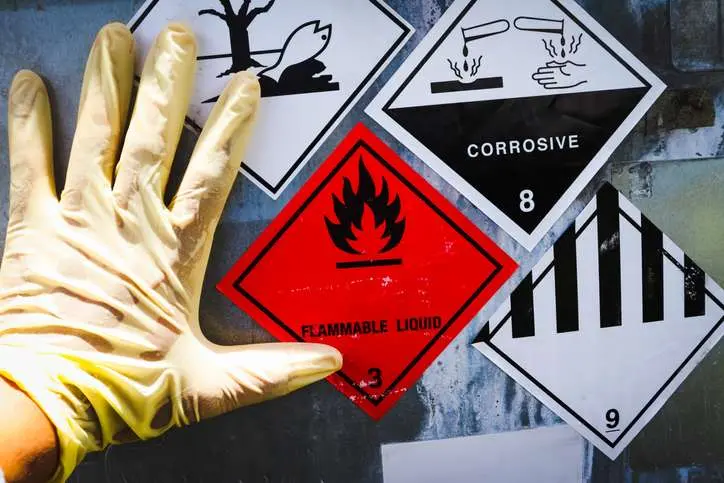
Labeling and Placards Must Be Clear
All hazardous packaging needs to have the right labels and placards. These show what kind of hazard is inside.
It helps first responders and workers know what they’re dealing with, especially in an emergency.
Wrong or missing labels are one of the most common reasons shipments are delayed or rejected.
Hazmat Securement Matters Too
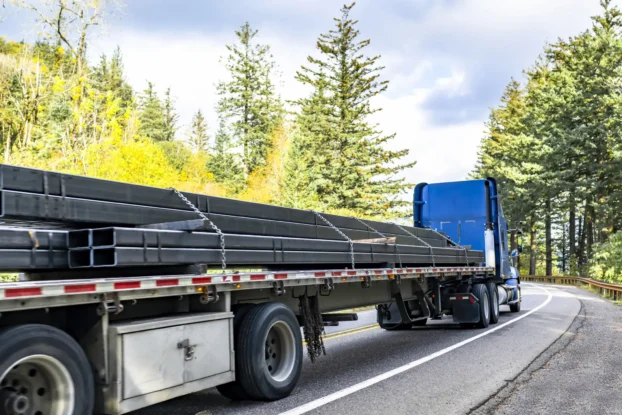
Packaging isn’t just about the container. It’s also about how the container is secured during transport.
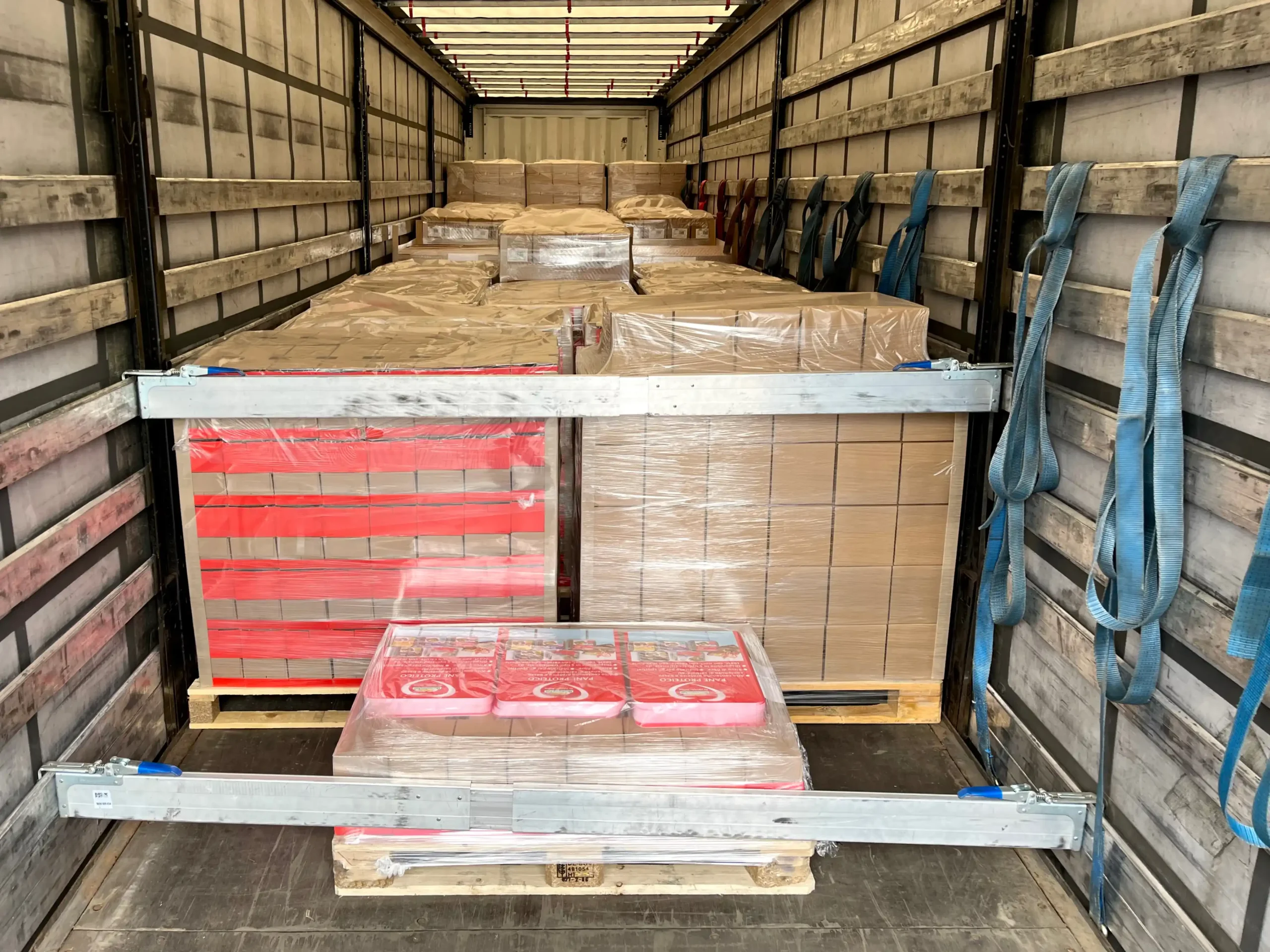
Hazmat loads must be tied down tightly so they don’t move, fall, or spill.
This is part of both OSHA HAZMAT guidelines and DOT HAZMAT regulations.
Improper securement can lead to big fines and dangerous accidents.
Common Mistakes Shippers Make
Even experienced companies sometimes get it wrong. Here are some of the most common packaging mistakes.
1. Using Old or Unapproved Containers
Some shippers reuse old containers that aren’t certified anymore. If the container doesn’t meet current safety standards, the shipment could be rejected.
2. Choosing the Wrong Container Type
Not all containers are made for every kind of hazardous material. Using the wrong one can cause leaks or damage during transport.
3. Missing or Incorrect Labels
Labels tell people what’s inside and how to handle it safely. If they’re missing or wrong, it can lead to confusion or danger.
4. Not Securing the Load
Hazmat containers must be secured tightly. If they move around during shipping, they could break or leak.
5. Forgetting Safety Data Sheets (SDS)
Every hazmat shipment needs an SDS. If it’s missing, the shipment might get delayed or turned away.
6. Skipping Staff Training
If your team doesn’t know the rules for hazmat packaging, mistakes happen. Proper training helps avoid accidents and keeps everyone safe.
Why These Mistakes Matter
Even small errors can lead to delays, big fines, or dangerous spills. That’s why hazmat compliance and team training are so important.
International Hazmat Rules Apply Too
If you ship hazmat outside the U.S., you’ll need to follow international hazmat standards, like the IMDG Code for ocean freight and IATA rules for air freight.
These often include stricter rules, especially for toxic substances or lithium batteries.
Failing to meet these rules could mean your shipment gets held at customs or sent back.
How Jansson Makes Hazardous Packaging Easier
At Jansson, we help businesses do more than just move hazmat. We help them stay compliant, avoid delays, and protect their teams and the public.
Here’s how we do it.
We Help You Choose the Right Packaging
Our team works with you to pick the right containers for your hazard material.
We know the regulations, and we keep up with changes to hazmat packaging requirements.
We Check for Securement and Load Safety
Jansson ensures that your freight is packed and secured properly to avoid any issues during transport.
We help with strapping, blocking, and other securement methods required by DOT and OSHA.
We Take Care of the Paperwork
From labeling and placards to Safety Data Sheets and international documentation, we make sure your paperwork is accurate, up to date, and complete.
No surprises at checkpoints or borders.
We Offer Full-Service Hazmat Transport
Jansson doesn’t just stop at packaging. We handle your hazmat freight from end to end, including route planning, regulatory checks, and emergency response support if needed.
Ship Hazmat Safely With Jansson
Hazmat shipping is full of rules, paperwork, and risks. But with the right packaging, securement, and planning, you can avoid delays and protect your business.
At Jansson, we make hazardous packaging and hazmat transport simple, safe, and compliant.
Whether you’re moving toxic substances, flammable liquids, or specialty chemicals, we’ve got you covered from end to end.
Let’s build a custom HAZMAT shipping strategy that meets your safety goals and keeps your business running smoothly.