A single oversight can ground your entire shipment. That is why a hazmat inspection checklist is non-negotiable.
No matter how experienced your team is.
You have shipped the same product hundreds of times. The paperwork feels routine.
But familiarity is where mistakes begin.
One missed label. One outdated document. One overlooked seal.
Suddenly, the shipment is held at a terminal. The delay costs time and money.
In hazmat shipping, small oversights create big consequences. But prevention does not have to be complicated.
Think of this checklist as a two-minute pre-flight check before every transport move.
Consistency prevents costly surprises.
Here are ten critical checks that help reduce rejected shipments and improve HAZMAT compliance.
1. Confirm Proper HAZMAT Classification
Before anything moves, verify the correct HAZMAT classification.
Hazardous materials must be accurately identified under DOT HAZMAT regulations.
Shipping under the wrong classification can trigger rejection, fines, or worse.
Verify the UN number, hazard class, and packing group. Cross-check against your Safety Data Sheets (SDS).
Make sure the product matches the declared classification exactly.
This step alone prevents many avoidable errors.
2. Confirm Packaging Meets Requirements
Packaging failures are a leading cause of rejected shipments.
DOT HAZMAT regulations require that packaging be compatible with the material and authorized for use.
Check for visible damage, corrosion, or compromised seals. Confirm inner and outer packaging meet performance standards.
For hazardous waste transportation, verify that additional containment requirements apply.
Packaging is your first safety barrier. Treat it that way.
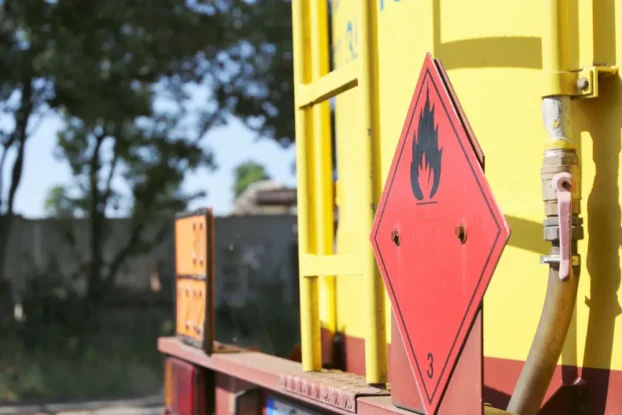
3. Inspect Labels and Placards
Labels must be clear, durable, and correctly placed.
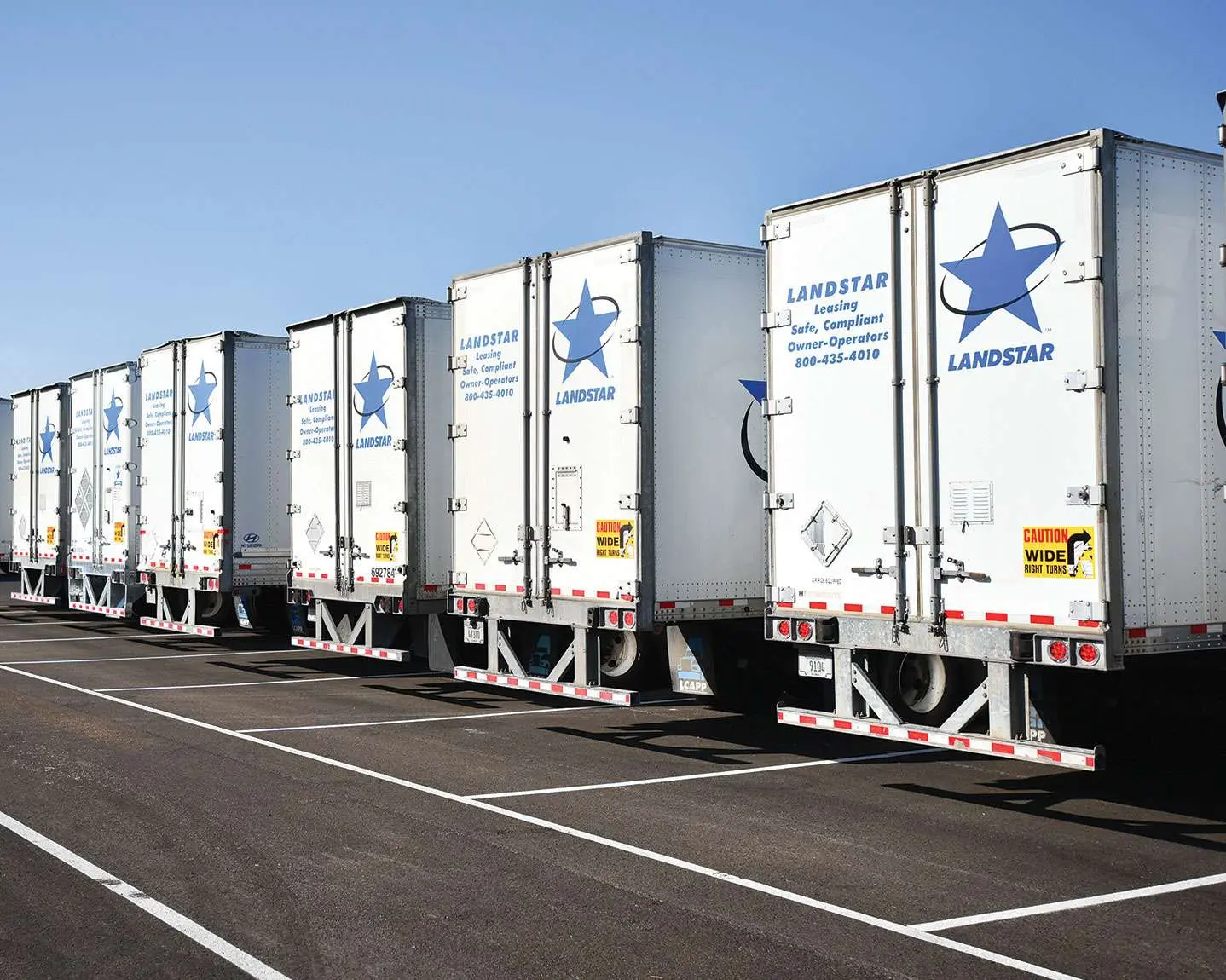
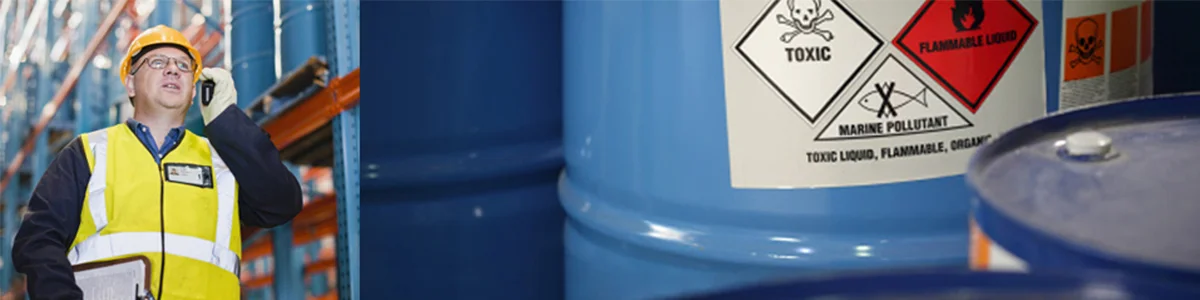
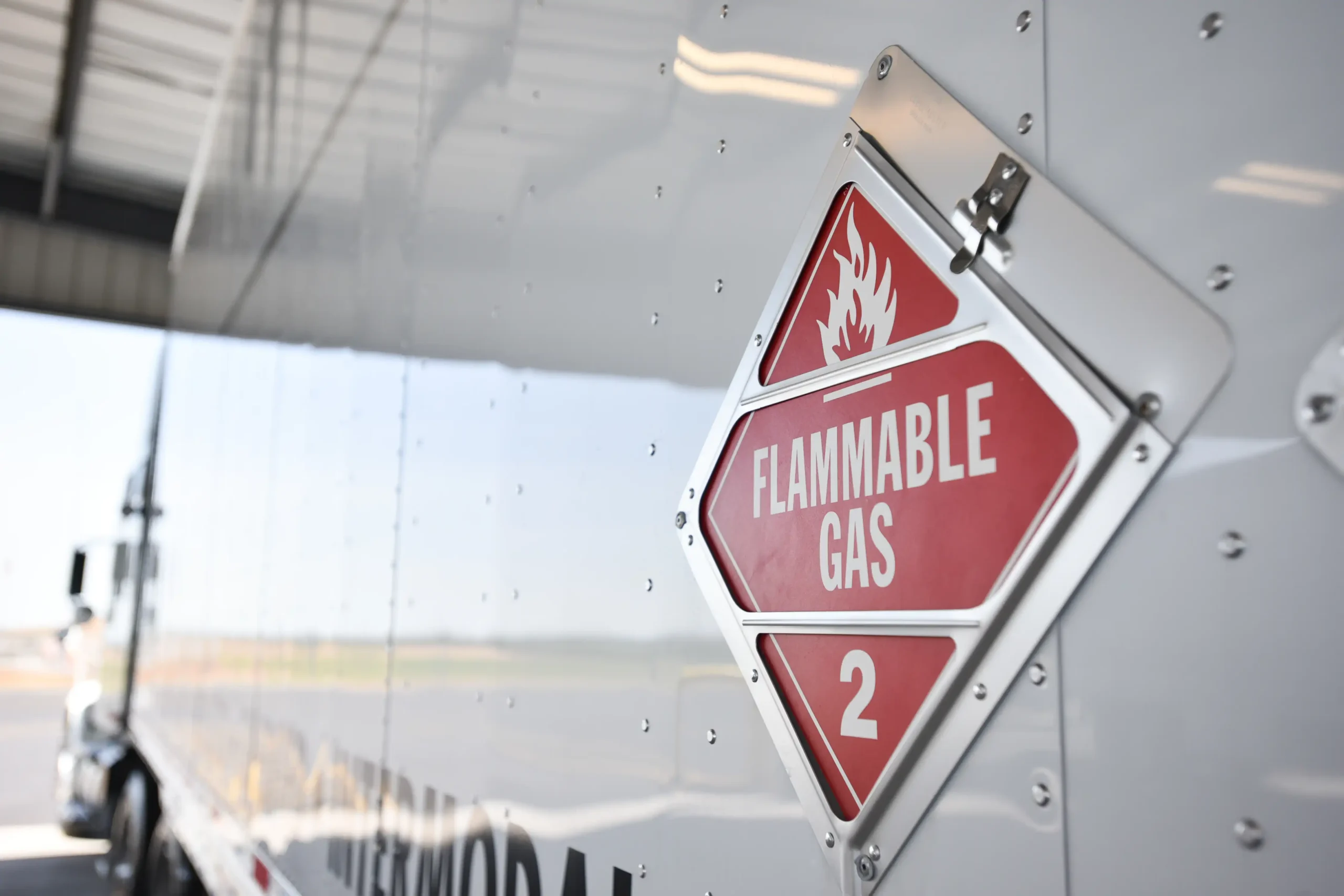
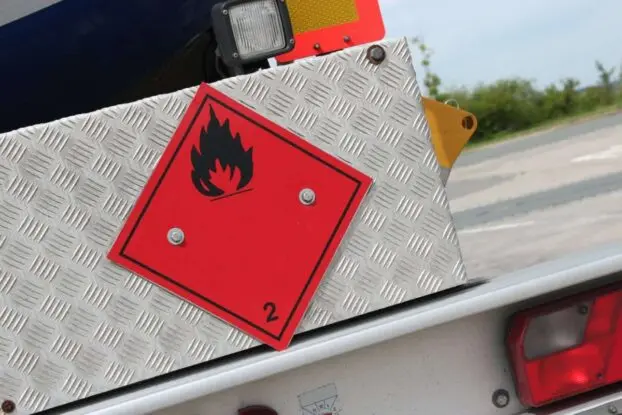
Hazard labels must match the HAZMAT classification. Placards on trailers must align with the freight being carried.
Missing or mismatched labels often result in immediate rejection.
Use your hazmat inspection checklist to verify every marking before loading.
4. Verify Shipping Papers and Safety Data Sheets
Documentation errors are common and costly.
Shipping papers must include the correct emergency contact numbers.
Product descriptions must match regulatory language. Current Safety Data Sheets (SDS) must be attached.
Outdated paperwork creates compliance gaps.
Strong HAZMAT compliance depends on accurate documentation every single time.
5. Review HAZMAT Training Records
Drivers and warehouse staff must hold current HAZMAT training certifications.
Under OSHA HAZMAT guidelines, any employee performing tasks related to hazardous materials transportation must complete training every three years.
Expired training means the shipment may not legally move.
A reliable hazmat inspection checklist always includes verifying training records before dispatch.
6. Check PPE Availability
Personal protective equipment must be ready before the load moves.
Confirm appropriate PPE for HAZMAT is accessible. This includes gloves, eye protection, spill kits, and respiratory protection where required.
Drivers must know exactly where emergency gear is stored.
Preparedness reduces the severity of any incident.
7. Review the Emergency Response Plan
Every shipment must align with a documented emergency response plan.
Review chemical spill procedures. Confirm emergency contact numbers are current.
Make sure drivers understand what to do during a HAZMAT emergency.
Your hazmat inspection checklist should always include emergency readiness.
No exceptions.
8. Examine HAZMAT Storage and Handling Practices
Before loading, review how materials were stored.
Improper HAZMAT storage and handling can weaken containers or cause incompatibility issues.
Confirm that incompatible chemicals were not stored together. Check for required temperature controls.
Proper storage reduces the risk of leaks during transit.
9. Conduct Pre-Trip Vehicle Inspections
Pre-trip inspections are non-negotiable in HAZMAT transport.
Drivers must inspect brakes, tires, lights, and securement devices.
Check for structural issues that may affect load stability. Verify fire extinguishers are present and operational.
Mechanical failures during hazardous shipments escalate fast.
10. Double-Check Load Securement
Even properly packaged materials can shift if not secured correctly.
Cargo must be blocked and braced according to regulations. Weight distribution must be balanced. Movement inside the trailer must be prevented.
Load stability is a core element of HAZMAT safety and a key stop on every hazmat inspection checklist.
Why Does a Two-Minute Hazmat Transport Review Matter?
Many rejected hazmat shipments happen because teams assume everything is correct.
Routine creates blind spots.
A structured hazmat inspection checklist reduces that risk.
This system drives accountability across the board and establishes a standardized process for all handlers.
Most importantly, it safeguards HAZMAT compliance throughout the entire shipping lifecycle.
Two minutes of review can prevent hours of delay and far worse.
How Jansson LLC Uses a HAZMAT Inspection Checklist to Prevent Headaches
At Jansson LLC, we understand the complexity of hazmat transport.
Our team reviews compliance documentation before shipment.
We verify adherence to DOT HAZMAT regulations and OSHA HAZMAT guidelines.
Carriers we work with are experienced in HAZMAT response and safe handling.
We encourage structured hazmat inspection checklist procedures across every shipment.
Training records are confirmed. Packaging standards are verified. Documentation is reviewed to reduce rejection risk.
If an issue arises, we act quickly and support corrective action. Our goal is smooth, compliant transport every time.
Don’t let a preventable oversight delay your freight or expose your business to liability.
Contact a Jansson LLC expert today. Let’s review your current process and make sure every shipment leaves ready.
Because in hazardous transport, two minutes of attention can protect months of progress.