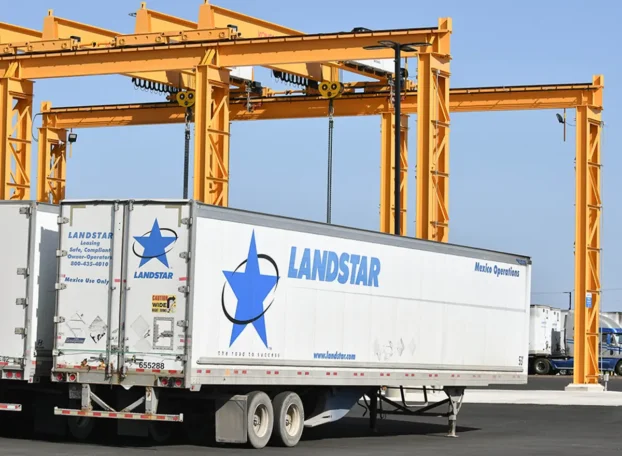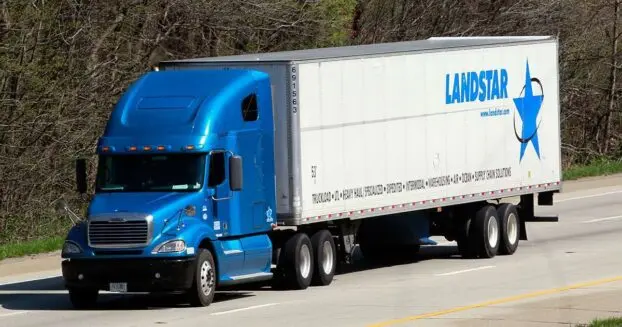
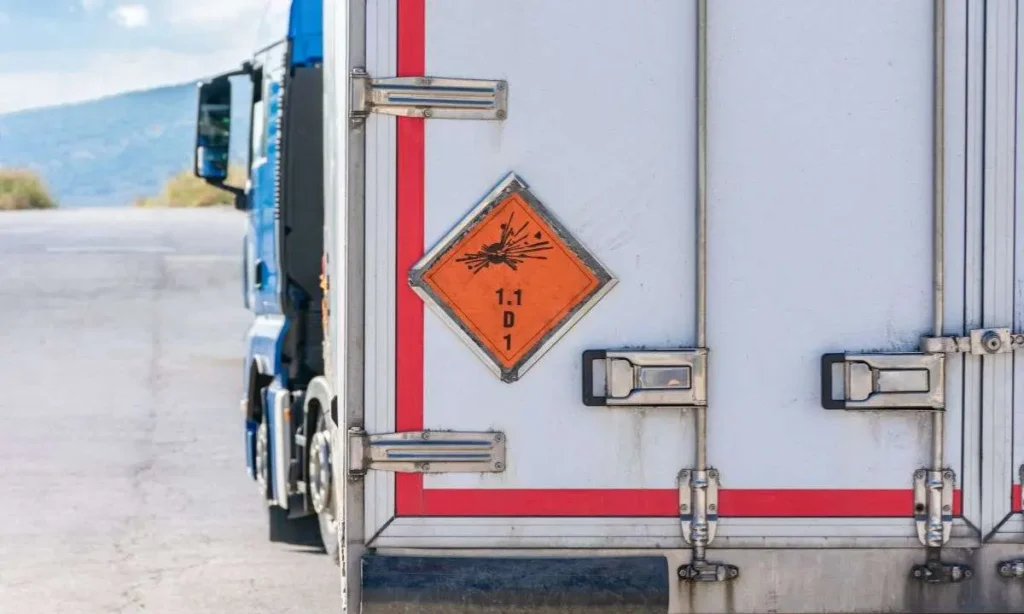
Hazmat safety is a critical issue in the U.S., where thousands of hazardous materials (also known as hazmat) are shipped daily across highways, railroads, airways, and waterways.
These shipments include everything from fuel and industrial chemicals to cleaning agents and batteries. And each one carries risk if not handled properly.
Managing that risk is no small task.
At the center of this responsibility is the U.S. Department of Transportation (DOT), the leading authority when it comes to regulating and enforcing hazmat safety.
Why the DOT Matters in Hazmat Transport
The DOT plays a critical role in overseeing the safe, secure, and efficient transport of hazardous materials.
Agencies like the Pipeline and Hazardous Materials Safety Administration (PHMSA) and the Federal Motor Carrier Safety Administration (FMCSA) carry out the DOT’s mission.
These government bodies set and enforce standards to prevent accidents and protect people, property, and the environment.
DOT Hazmat Regulations cover every aspect of hazmat transport, including Hazmat Classification, packaging, labeling, placarding, Safety Data Sheets (SDS), and training.
Whether you’re shipping lithium batteries by air or moving toxic chemicals by truck, you’re operating under a regulatory framework.
This is meant to reduce the risk of chemical spills, fires, explosions, and exposure incidents.
After all, these are crucial elements of ensuring hazmat safety.
One of the DOT’s flagship safety campaigns, “Check the Box,” targets consumer awareness around everyday items classified as hazardous.
From aerosol cans to cleaning supplies, the initiative pushes for proper hazmat labeling and placards.
It encourages compliance at all levels, from shippers to retailers to consumers.
Hazmat Compliance Is Not Optional
Violating DOT Hazmat Regulations can result in serious fines and delays.
Injuries and environmental damage are also potential consequences.
Businesses handling hazardous goods must meet a long checklist of compliance requirements.
These include maintaining Emergency Response Plans, adhering to hazmat storage and handling protocols, using the proper PPE for hazmat, and keeping up-to-date hazmat training records.
This also means following OSHA Hazmat Guidelines.
Depending on the type of material, businesses may also need to meet NFPA (National Fire Protection Association) Standards, IMDG Code (for sea transport), or ICAO Dangerous Goods regulations (for air shipments).
In short, hazmat compliance isn’t just about ticking boxes.
It’s about building a system where hazmat safety is baked into every decision.
Best Practices for Transporting Hazardous Materials
Companies that transport hazardous goods safely don’t do it by chance.
They do it by implementing disciplined strategies that prioritize hazmat safety at every step.
Here are some of the key best practices.
Regular Hazmat Team Training
Regular training and drills prepare employees for hazmat emergencies. Practice leads to faster and more effective action when it counts most.
Proper Packaging Based on Classification
Using the correct packaging for each material (based on hazmat classification) is essential.
That often means using spill-proof, fire-resistant, or pressure-tested containers to minimize risk during transit.
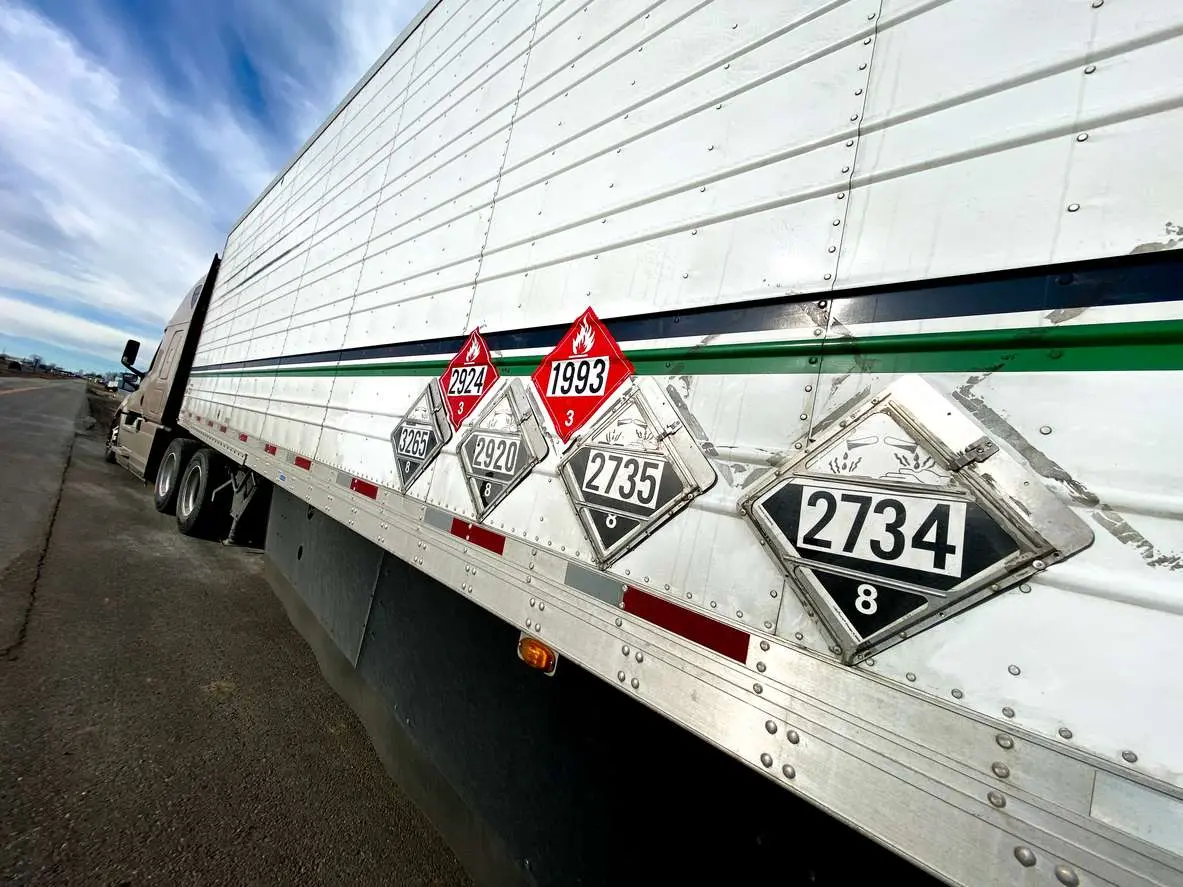
Clear Labeling and Placarding
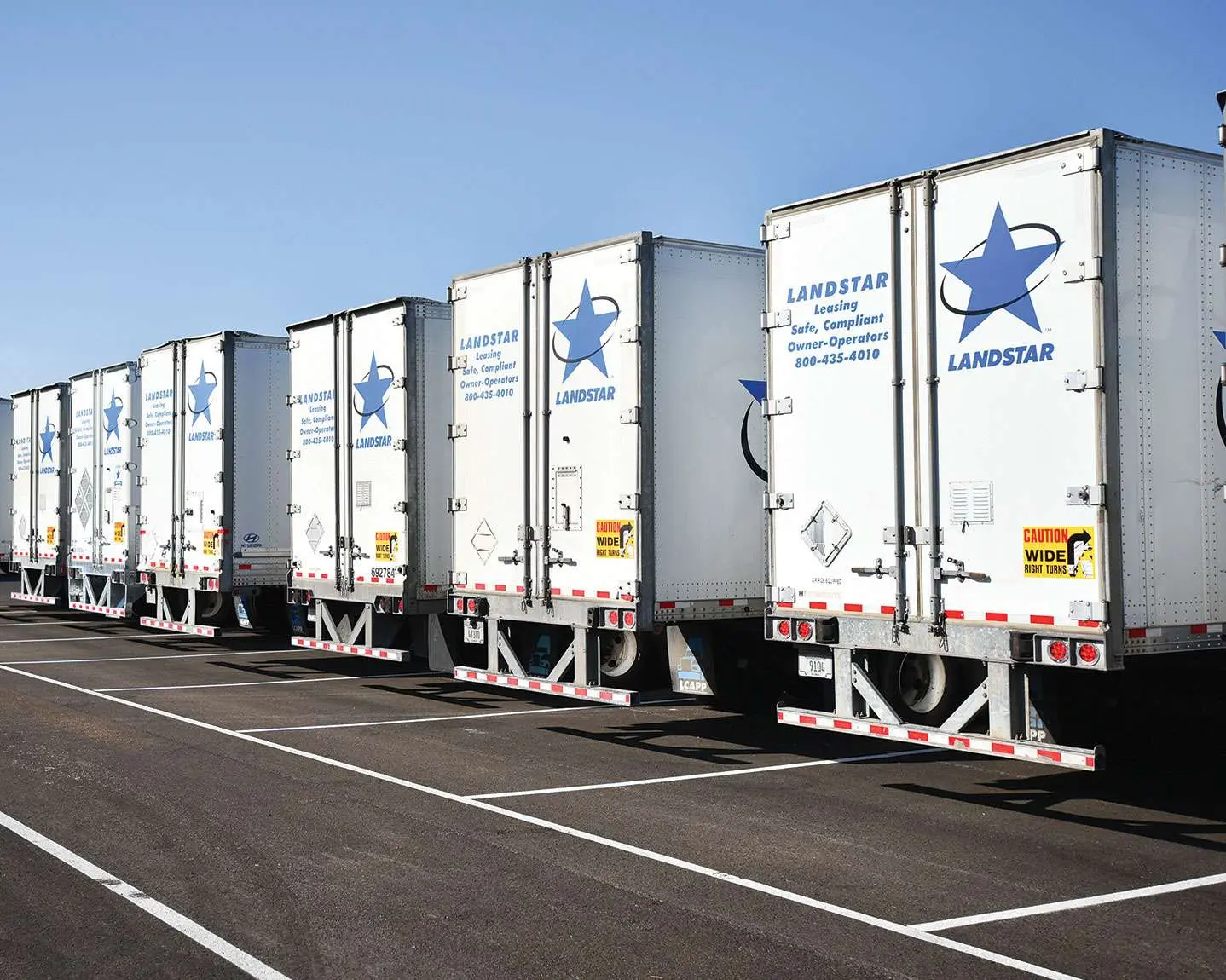
Compliant hazmat labeling and placards help ensure that first responders, drivers, and handlers understand the hazards involved.
Accurate labeling supports safe handling and swift emergency response.
Route Verification and Contingency Planning
Every transport route should be vetted for safety.
Building in contingency plans is a core part of Workplace Safety Compliance.
It helps companies avoid populated areas, high-risk zones, or restricted routes when necessary.
Real-Time Communication Systems
Maintaining open, real-time communication channels allows for status updates, alerts, and rapid coordination.
This level of visibility is critical for safe and efficient hazmat transport.
Each of these practices directly supports a company’s hazmat safety strategy.
Together, they reduce operational risk, protect public health, and ensure compliance with the strictest regulatory standards.
Where Jansson Fits In
That’s where Jansson comes in.
We’re not just another over-the-road (OTR) carrier. We specialize in moving sensitive, regulated, and high-stakes freight, like hazardous materials, through real-world conditions.
Our expertise in DOT Hazmat Regulations and advanced logistics makes us a smart choice for U.S. businesses transporting hazardous goods.
We don’t treat hazmat transport as a side offering. It’s a core competency.
Our team understands the fine details, such as SDS documentation, compliance checkpoints, emergency protocol integration.
We help our clients stay ahead of the curve with proactive support and hazmat training resources.
From chemical spill procedures to hazardous waste transportation, we help you navigate complexity without cutting corners.
Our commitment to hazmat safety is reflected in every part of the process, from route planning to live tracking.
This way, your cargo, team, and customers stay protected.
Your Partner in Hazmat Safety and Compliance
Whether you’re moving industrial chemicals, medical waste, or consumer goods that fall under DOT’s “Check the Box” campaign, Jansson is equipped to support your operation.
We bring together logistics expertise, regulatory fluency, and a get-it-done mentality that reduces risk and improves outcomes.
Hazmat shipping is not a space where you want to wing it.
You need a partner who knows how to execute the plan, respond to emergencies, and maintain bulletproof compliance at every mile marker.
At Jansson, we go beyond transportation.
We offer logistics solutions that help you stay compliant with OSHA Hazmat Guidelines, meet International Hazmat Standards, and align with Workplace Safety Compliance measures.
All the while keeping your freight on schedule and your hazmat safety program intact.
Let’s Talk About Safer, Smarter Hazmat Transport
You’ve got hazardous materials to move. We’ve got the experience, equipment, and team to move hazardous materials safely and efficiently.
Everything we do is in full compliance with DOT Hazmat Regulations.
Jansson brings all the flexibility of OTR trucking and pairs it with deep regulatory expertise to support your business in one of the most tightly regulated sectors of logistics.
Ready to move forward with a partner who understands the stakes?
Let’s build a smarter, safer supply chain together. Book a call with a Jansson expert today.