
Hazmat shipping isn’t just a logistics task. It’s a high-stakes responsibility.
U.S. businesses handling hazardous materials must meet strict standards. This is to ensure public safety, environmental protection, and full regulatory compliance.
But even experienced shippers can stumble.
And when they do, the consequences range from costly delays to federal penalties. Or worse, accidents that risk lives and property.
In the fast-paced world of hazmat transport, there’s little room for error.
Yet, many U.S. businesses make avoidable mistakes shipping hazardous materials, despite readily available knowledge, training, and discipline.
Let’s break down seven of the most frequent hazmat shipping missteps and how to avoid them.
1. Inadequate or Outdated Hazmat Training
You can’t wing it with hazardous materials.
Every person involved in hazmat shipping (from warehouse packers to the hazmat driver) must complete regular training.
Yet many businesses overlook refresher courses. They even assume on-the-job experience is enough.
Federal regulations (like 49 CFR) require hazmat training every three years, or whenever job functions change.
Ignoring this isn’t just risky. It’s illegal.
Outdated knowledge can lead to major compliance gaps and unsafe hazmat transport procedures.
Avoid this by implementing a hazmat certification and retraining schedule. Make it automatic, tracked, and required.
2. Misclassifying Hazmat Materials
Misclassification is one of the most common and dangerous errors in hazmat shipping.
Incorrectly identifying the class of hazardous material, like how flammable, corrosive, toxic, etc. can lead to using the wrong packaging, labeling, or emergency response measures.
This isn’t a minor paperwork error.
It can cause major safety incidents in hazmat trucking, especially if first responders don’t have the right information during an accident.
Fix this with robust checks.
Invest in proper hazmat certification for classification specialists. Never rely on assumptions or outdated SDS (Safety Data Sheets).
3. Using Improper or Non-Compliant Packaging
The packaging for hazmat materials isn’t about convenience. It’s about containment and safety.
Yet, many U.S. businesses reuse damaged containers. They might even select non-spec packaging that fails to meet DOT or UN standards.
This often results in leaks, spills, or violations during inspections. Even a minor dent in a drum can lead to rejection at a terminal.
The solution? Know your packaging codes.
Train staff on hazmat equipment standards, and inspect every container before loading.
Use certified, tested packaging every time.
4. Missing or Incorrect Documentation
Paperwork might not be exciting, but in hazmat transport, it’s crucial.
One missing shipping paper, incorrect emergency contact number, or vague product description can derail a shipment.
It can also bring fines from the DOT (Department of Transportation) or FAA (Federal Aviation Administration).
Hazmat compliance lives and dies by documentation. Businesses often get tripped up by last-minute changes or manual entry errors.
Avoid this by digitizing the documentation process.
Use standardized templates, review them with trained staff, and include them in your hazmat endorsement and training programs.
5. Neglecting Vehicle and Driver Hazmat Readiness
A shipment is only as safe as the person and vehicle moving it.
Yet some companies assign hazmat jobs to drivers who don’t hold a valid hazmat license.
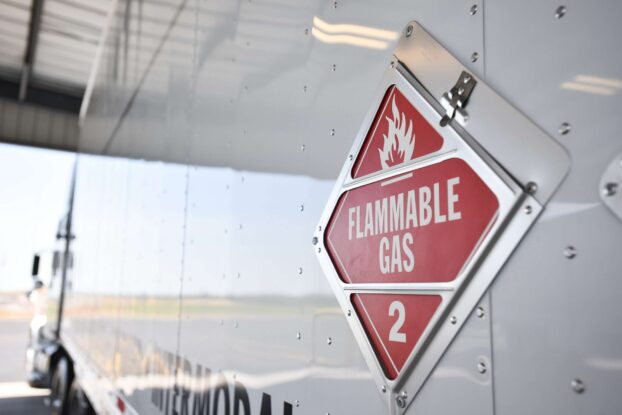
Some might even send hazmat loads in trucks that aren’t properly placarded or maintained.
This isn’t just risky. It’s a federal violation.
Hazmat drivers must pass background checks, obtain a hazmat endorsement, and operate vehicles that meet strict standards for hazmat trucking.
For hazmat readiness, maintain driver certification logs. Inspect vehicles for hazmat equipment, and confirm all placards and labels are present pre-departure.
6. Ignoring State-Specific Hazmat Regulations
Federal rules are only part of the picture. Hazmat shipping in the U.S. also involves complying with state-specific regulations, which many businesses overlook.
Some states have tighter restrictions on certain materials, routing requirements, or hazmat trucking fees.
Others require prior notice or special permits. Non-compliance can mean being stopped, fined, or rerouted.
The fix? Use a compliance team or third-party partner that knows the full regulatory landscape.
Don’t assume what works in Texas will work in California.
7. Failing to Keep Up with Changing Hazmat Regulations
Hazmat regulations aren’t static. They evolve with new safety concerns, international standards, and emerging threats.
For example, lithium battery transport rules have changed repeatedly in recent years, catching many U.S. businesses off guard.
If you don’t have someone tracking these updates, your shipments may fall out of compliance overnight.
Stay informed about regulations by subscribing to bulletins, utilizing compliance software, and collaborating with hazmat trucking companies.
Don’t Let Hazmat Mistakes Derail Your Supply Chain
Hazmat shipping comes with risk.
However, those risks are manageable if you know where to look.
Most compliance failures come down to preventable issues, such as training gaps, sloppy paperwork, or miscommunication between teams.
Avoiding these pitfalls isn’t just about passing inspections but about protecting your people, your brand, and your bottom line.
When hazmat shipping is done right, it supports your operations, not slows them down.
It fuels manufacturing and retail, especially when integrated with reliable hazmat trucking partners who understand regulations and logistics.
This is where Jansson makes a difference.
Why U.S. Businesses Trust Jansson for Hazmat Shipping and Transport
At Jansson, we understand that hazmat transport isn’t just about moving dangerous goods.
It’s about precision, accountability, and real-world performance.
Our deep expertise in OTR trucking gives U.S. businesses the flexibility and reliability they need without sacrificing hazmat compliance.
Our hazmat drivers are fully licensed, trained, and experienced in handling sensitive freight across state lines and tight deadlines.
We keep up with the latest hazmat regulations, so you don’t have to.
Our fleet uses hazmat-certified equipment, and we integrate advanced route planning to keep your shipments compliant and on schedule.
Need real-time updates? Our platform gives you full visibility from pickup to delivery, along with transparent reporting.
No ambiguity. No unknowns. Just proactive communication and operational confidence.
If you’re shipping hazmat materials, stop risking delays, fines, or lost revenue.
Partner with a logistics team that treats your freight like their own and takes hazmat safety as seriously as you do.
So let’s talk. Book a call with a Jansson expert today and see how we can tailor a hazmat shipping solution that keeps your business ahead of the curve.