
Hazmat transport isn’t just a logistics task. It’s a high-stakes responsibility.
One wrong move can lead to environmental damage, public health risks, regulatory penalties, or worse.
That’s why transporting hazardous materials requires strict adherence to legal standards, best practices, and a safety-first culture.
Understanding the Legal Framework
It all starts with hazmat classification.
The U.S. Department of Transportation (DOT) defines nine classes of hazardous materials, from explosives and gases to radioactive substances.
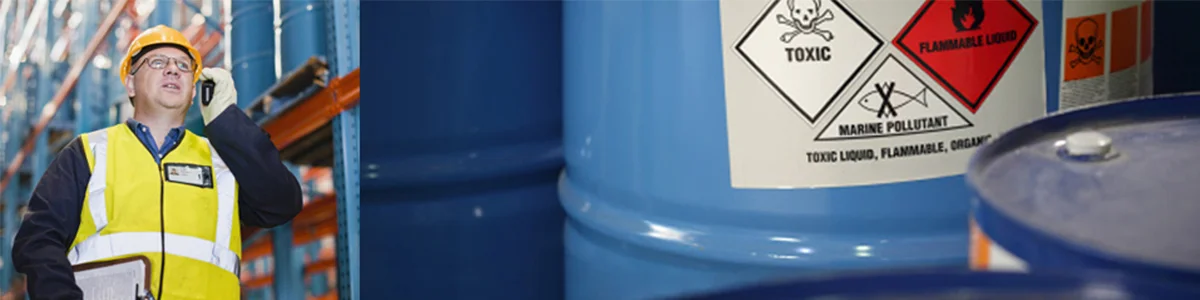
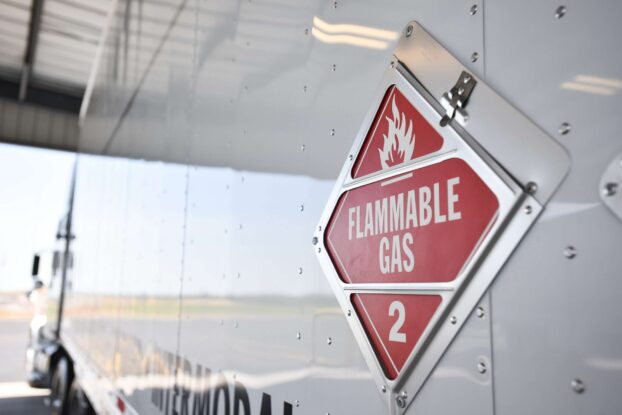
Proper hazmat labeling and placards are essential to identify these classes in transit.
Without correct labeling, your cargo isn’t just non-compliant. It’s dangerous.
The core regulatory pillars are DOT hazmat regulations and OSHA (Occupational Safety and Health Administration) hazmat guidelines.
These frameworks dictate how hazardous materials must be packaged, labeled, stored, and handled.
Whether you’re moving paint thinners, industrial solvents, or biological agents, workplace safety compliance starts here.
Critical Documentation and Safety Measures
Safety Data Sheets (SDS) are mandatory.
Every hazardous material must have an SDS outlining risks, safe handling instructions, and chemical spill procedures.
These documents are crucial for proper hazmat storage and handling and emergency readiness.
You also need a comprehensive Hazmat Emergency Response Plan.
This should cover having a trained hazmat response team, detailed evacuation procedures, and proper PPE for hazmat incidents.
Coordination with local emergency services is equally critical to ensure swift and effective action during emergencies.
Planning for emergencies isn’t optional. It’s essential.
The Role of Hazmat Training
Federal law requires hazmat training for anyone involved in transporting hazardous materials. This includes drivers, handlers, and administrative staff.
Ongoing hazmat team training ensures that everyone knows their responsibilities and can respond to emergencies effectively.
Going Beyond Compliance: Best Practices
Regulations are the baseline. Industry leaders go further by applying operational discipline.
They are also investing in smarter systems and building a culture of safety.
Regular Vehicle Inspections
Routine inspections are critical to identifying mechanical issues before they become safety hazards.
Checking brakes, tires, lights, and containment systems helps ensure the vehicle is roadworthy and compliant for hazmat transport.
Load Securing Techniques
Improperly secured cargo can shift, causing spills, accidents, or regulatory issues.
Proper restraints and containment for hazardous materials reduce risk and stabilize the load.
Optimized Routing
Using advanced route planning tools isn’t just about speed. It’s about safety.
Route optimization enhances compliance and efficiency in hazmat transport.It minimizes time in congested/high-risk areas and avoiding hazmat-restricted roads.
For international shipments, align with international hazmat standards like the IMDG Code and ICAO Dangerous Goods regulations.
Technology also plays a role.
GPS tracking and cloud-based SDS repositories improve transparency and hazmat compliance.
But tech alone isn’t enough. Success comes from a safety-first mindset.
Handling Hazardous Waste
Hazardous Waste Transportation involves additional layers of regulatory oversight, with the EPA joining the DOT and OSHA in enforcing the rules.
Businesses must implement cradle-to-grave tracking systems to monitor waste from origin to final disposal.
They must ensure specialized disposal plans are in place, and secure any required state-level permits.
Failing to meet these standards can lead to severe legal and environmental consequences.
Top Safety Practices for Handling Dangerous Chemicals
When dealing with hazardous chemicals, even small oversights can have serious consequences.
Following established safety protocols isn’t just good practice. It’s essential for protecting workers, property, and the environment.
Below are key safety measures that should be standard in every hazmat transport operation.
Wear the Right PPE for Every Task
Personal protective equipment (PPE) is the first line of defense against chemical exposure.
Whether it’s gloves, goggles, respirators, or full-body suits, the gear must match the material’s specific hazards.
Consistent PPE use protects workers from both immediate and long-term health risks.
Separate Incompatible Chemicals
Storing or transporting incompatible chemicals together can lead to dangerous reactions, including fires, toxic gases, or explosions.
Clear separation protocols must be followed based on Safety Data Sheet (SDS) guidance and chemical classifications.
Proper segregation minimizes the chance of accidental contact and keeps your operation compliant.
Prioritize Ventilation in Work Zones
Good airflow reduces the buildup of hazardous fumes and vapors during loading and unloading.
Ventilation systems or open-air setups help maintain a safer environment for workers handling volatile substances.
It’s a simple but crucial factor in preventing inhalation-related health incidents.
Approach Every Load as a Risk
Every hazmat shipment comes with its own set of dangers, no matter how routine the job may seem.
Teams should treat each load with the same high level of caution, following established protocols without shortcuts.
This mindset reinforces safety culture and lowers the chances of costly mistakes.
Why U.S. Businesses Book Jansson for Hazmat Transport
Moving hazardous materials isn’t just another delivery. It’s a serious job with high risks.
Jansson is trusted across the country because we take that responsibility seriously.
Here’s what makes us different.
We Know Hazmat Inside and Out
Hazmat transport requires more than just a truck and a driver.
It needs experience, planning, and knowledge of the risks. That’s what Jansson delivers with every load.
Every Rule That Matters, Followed with Precision
We fully comply with DOT hazmat regulations, OSHA hazmat Guidelines, and NFPA Standards.
For international shipments, we follow the IMDG Code and ICAO Dangerous Goods rules too.
That means your freight stays legal, safe, and protected at every step.
Our Team Is Always Prepared
Everyone on our team, from drivers to logistics staff, gets regular hazmat training.
They know how to handle dangerous materials safely and what to do in an emergency.
That training makes all the difference when it matters most.
We Use Smart Tools to Keep You Informed
With Jansson, you get real-time shipment tracking and clear, honest reporting.
You’ll always know where your freight is and when it’s arriving.
No guessing. No gaps.
We Take Ownership
At Jansson, we treat every shipment like it’s our own.
We don’t pass the buck or disappear after pickup.
We stay on it from start to finish, because your business deserves that level of care.
Ready to Move Forward?
If your business handles hazardous materials, partner with a logistics provider that takes your safety and compliance seriously.
Book a call with Jansson today. Let’s build a smarter, safer, more efficient supply chain together.