When you’re in the heavy haul business, moving freight isn’t the hardest part. Compliance is.
From permits and axle limits to lighting and escort rules, U.S. heavy haul regulations are anything but simple.
Yet staying compliant isn’t optional.
It’s essential for safe, on-time deliveries and protecting your business from costly fines, delays, and damage claims.
For haulers, contractors, and logistics managers navigating heavy haul shipping, understanding the rules isn’t just about checking boxes.
It’s about maintaining trust with customers, ensuring safety on the road, and keeping freight moving without the headaches.
Let’s look at seven key regulations that impact heavy haul trucking in the U.S., plus how smart planning (and the right logistics partner) can make compliance feel a lot less overwhelming.
1. Oversize and Overweight Permits Are Not One-Size-Fits-All
Every state has its own guidelines for when a load becomes oversized or overweight and the threshold can vary widely.
In some cases, a heavy hauler may need separate permits for every state on a multi-leg route.
These permits cover axle weight, spacing, overall dimensions, and even travel times.
Failing to secure the right permit can result in steep fines or denied entry at state lines.
Staying compliant means researching every route and understanding how each jurisdiction defines legal limits for your haul equipment.
2. Axle Spacing and Weight Distribution Matter More Than You Think
It’s not enough to stay under the gross weight limit. Many heavy haul trucking companies get tripped up on axle spacing and distribution.
If a trailer’s weight isn’t properly spread across axles, you could face regulatory violations even if the total weight seems fine.
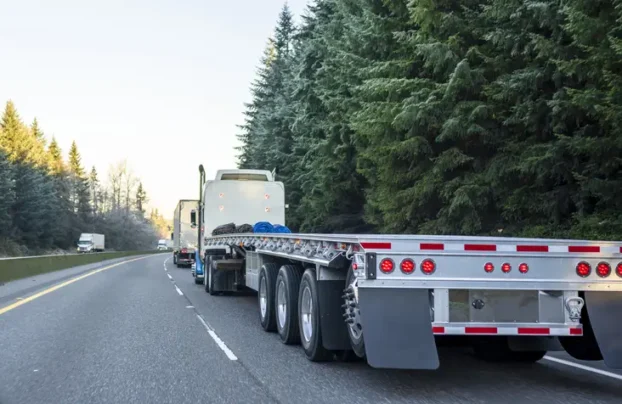
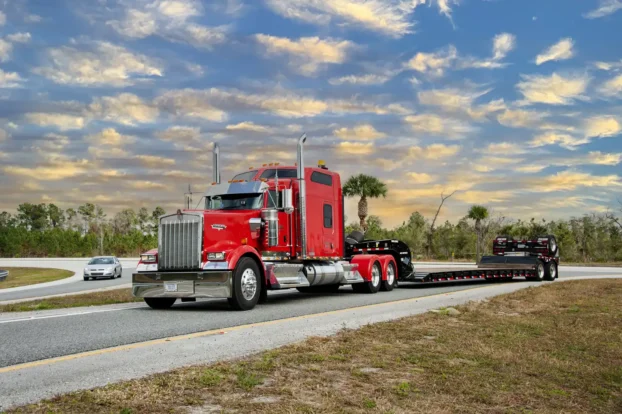
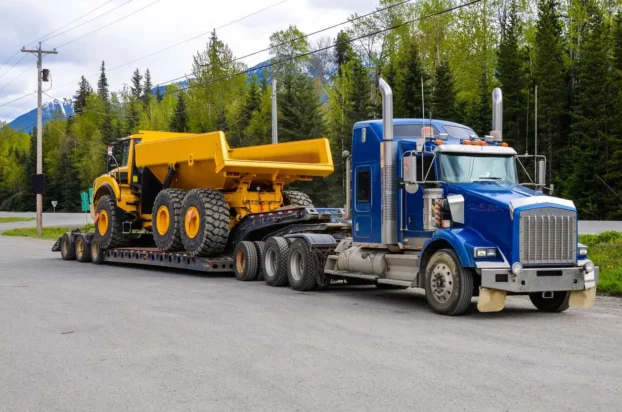
Different types of trailers, like lowboys, extendables, or multi-axle platforms, handle weight differently.
That’s why choosing the right trailer type is critical not just for safety but also for legal compliance.
3. Pre-Trip Inspections Are a Legal Requirement, Not Just Best Practice
According to FMCSA regulations, every driver operating a heavy trucking vehicle must complete a thorough pre-trip inspection.
This includes checking brakes, lighting systems, tires, and load securement points.
In heavy haul scenarios, missed inspections can lead to disaster. Think lost cargo, roadside breakdowns, or preventable accidents.
A documented inspection process helps satisfy compliance audits and proves you’re taking safety seriously.
4. Lighting, Marking, and Escort Rules Vary by Load Size
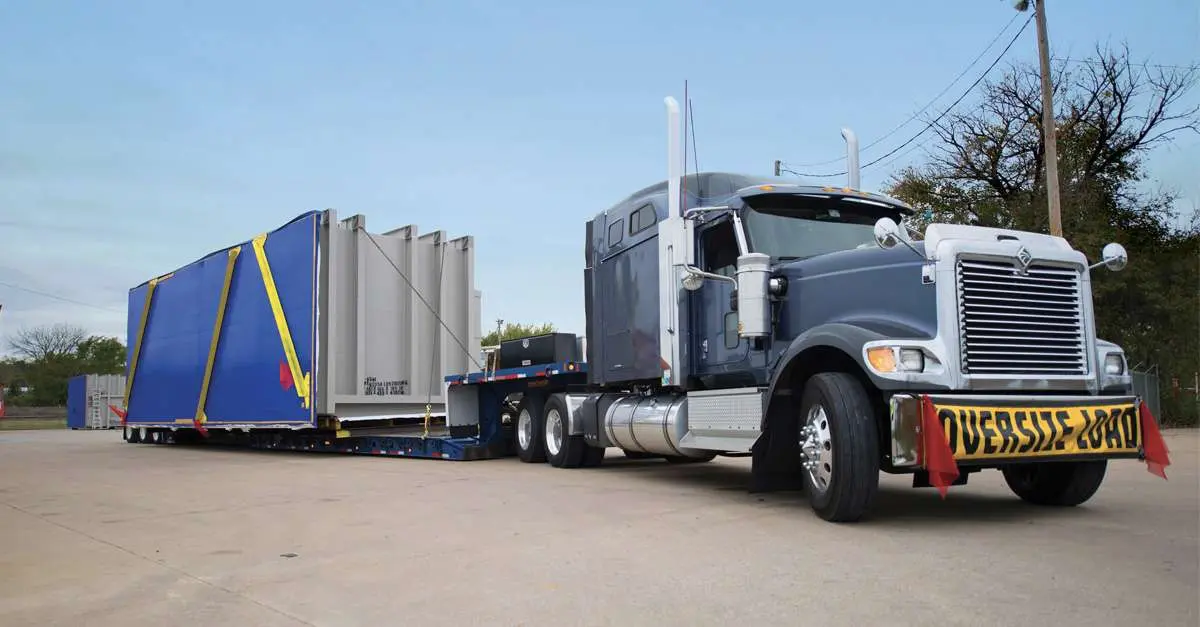
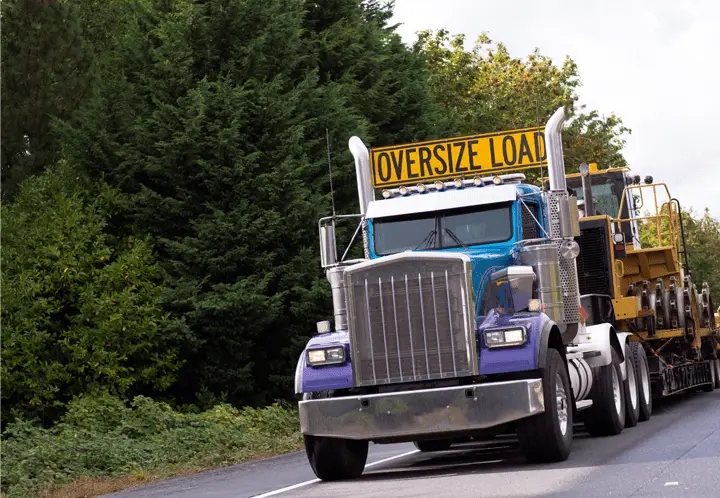
Once your freight exceeds standard dimensions, it may require escort vehicles, signage, and enhanced lighting.
In many states, loads over 12 feet wide or 14 feet high need one or more pilot cars with flashing lights and warning banners.
For larger loads, nighttime travel may be prohibited altogether, or you may need a police escort.
Understanding and applying these heavy haul regulations in the U.S. ensures you’re visible, safe, and legally allowed to travel.
5. Route Planning Must Account for Road Restrictions
Not all roads are created equal and some won’t accommodate heavy haul equipment.
Construction zones, low-clearance bridges, and narrow turns can all become compliance hazards if not addressed during planning.
Most states provide routing software or require approval for specified travel corridors.
Ignoring route constraints can result in delays, damage to infrastructure, or forced detours.
Smart heavy haul companies know how to build routes that meet both safety and legal standards.
6. Load Securement Rules Are Strict for a Reason
Poorly secured freight isn’t just dangerous. It’s illegal.
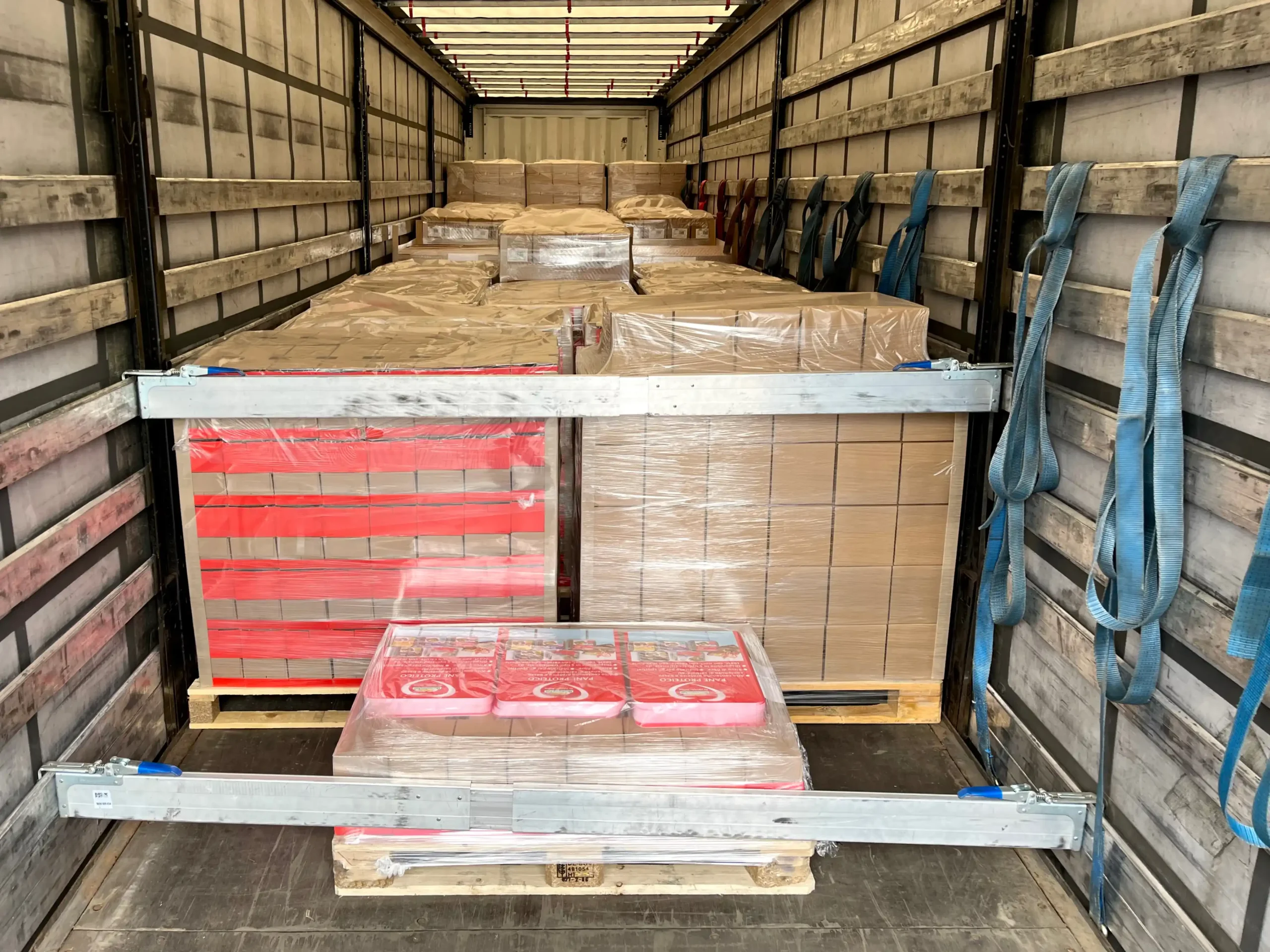
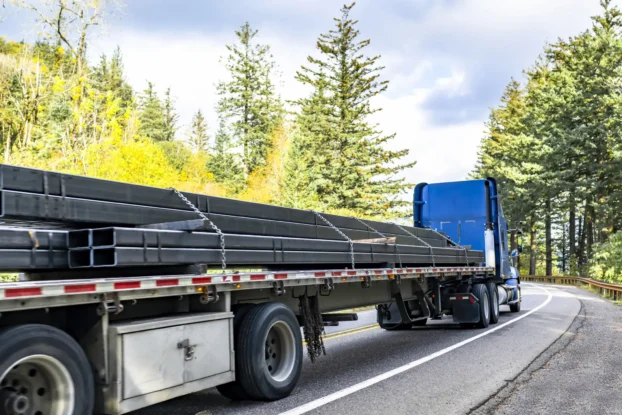
FMCSA has strict rules about how to tie down cargo, what materials are allowed, and how many points of contact are required based on freight type and weight.
When it comes to heavy haul trucking, compliance means more than just using heavy-duty chains.
It involves knowing the exact number of tie-downs needed and regularly inspecting them for wear and damage.
A shifting load isn’t just a violation. It’s a liability.
7. Driver Qualifications and Hours of Service Can’t Be Ignored
Drivers handling heavy haul shipping must hold the appropriate CDL endorsements and adhere to Hours of Service (HOS) regulations.
That means strict limits on drive time, mandatory breaks, and accurate logs.
Heavy freight often requires long hauls, but pushing drivers beyond legal hours risks more than just fines.
It increases accident potential.
Even experienced heavy haulers must operate within the boundaries of federal safety rules.
How to Stay Compliant Without Losing Your Sanity
Let’s face it.
Staying compliant with all these rules isn’t easy. But it’s necessary.
So how can you stay ahead of compliance requirements without drowning in paperwork or risking costly delays?
It starts with visibility.
Know the size, weight, and special requirements of your freight. Pair that with up-to-date permit knowledge and route planning tools.
Lean on expert teams that specialize in heavy haul logistics, because this isn’t something most companies can manage alone.
And most importantly, choose a partner who treats compliance like a core part of their service, not an afterthought.
Why Jansson Makes Compliance Easier for U.S. Businesses
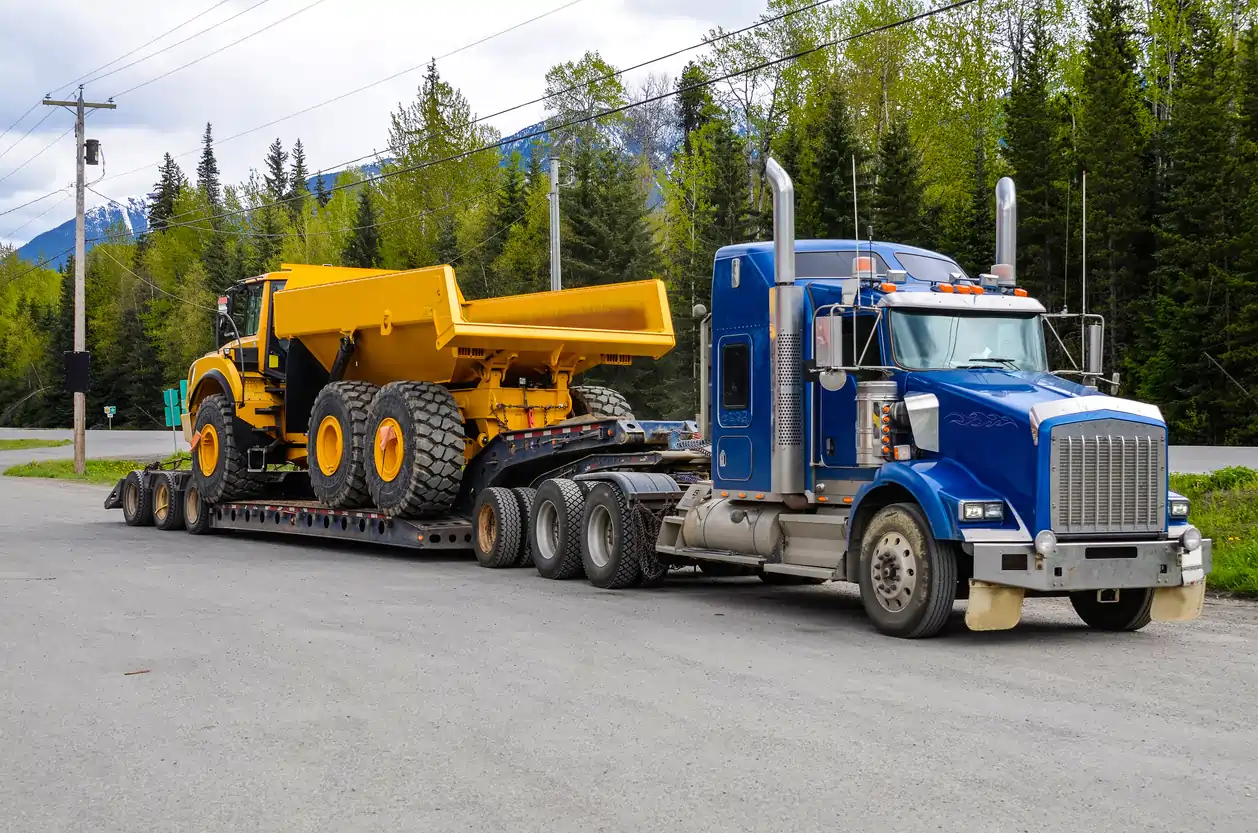
Managing heavy haul regulations can be overwhelming.
But with Jansson, compliance becomes a built-in part of your logistics strategy, not a roadblock.
Compliance Is at the Core of What We Do
At Jansson, we treat compliance as a foundational part of heavy haul shipping.
We don’t view it as a checklist. Instead, we view it as a strategic advantage that keeps freight moving safely and legally.
End-to-End Permit Management
From multi-state permits to pilot car coordination, we handle the paperwork and approvals.
Our team ensures your shipment meets every requirement before it ever hits the road.
Smart Planning That Matches Freight to Equipment
With deep knowledge of trailer types, load configurations, and state-by-state rules, we align your cargo with the right haul equipment.
Whether you’re moving oversized machinery or sensitive freight, we customize the plan to meet your needs.
Precision in Route Planning
We consider every detail, from bridge heights to restricted zones.
Our route planning process ensures you avoid detours, delays, and infrastructure risks, keeping your freight on schedule.
Real-Time Visibility and Communication
Compliance isn’t static, and neither are conditions on the road.
That’s why we provide real-time tracking and updates so you’re never in the dark about your shipment’s status or any regulatory changes.
Tailored Support for Complex Loads
Not every shipment is straightforward and we’re built for the complex ones.
Our team specializes in high-stakes, high-value, or time-sensitive loads that demand extra care, coordination, and compliance oversight.
Move Heavy Haul Freight Without the Headaches
Regulations aren’t going anywhere, but the stress of managing them can.
Jansson helps U.S. businesses navigate the most complex heavy haul freight with confidence.
We reduce risks, avoid costly delays, and make sure your cargo reaches its destination safely and on time.
Ready to take the pressure off compliance?
Book a call with a Jansson expert today.
Let’s build a smarter shipping strategy. One that keeps your freight moving and your business growing.