The heavy haul trucking industry is heading into 2026 with more than just big freight in tow. It’s also carrying some of the most important heavy haul trends in years.
This wave of change is something U.S. businesses can’t afford to ignore.
New regulations, shifting customer expectations, equipment advancements, and supply chain complexity are redefining how freight moves and how shippers must respond.
In this article, we’ll explore the top seven heavy haul trends shaping the industry and break down the changes in the heavy haul industry that matter most.
1. Greater Demand for Specialized Heavy Haul Equipment
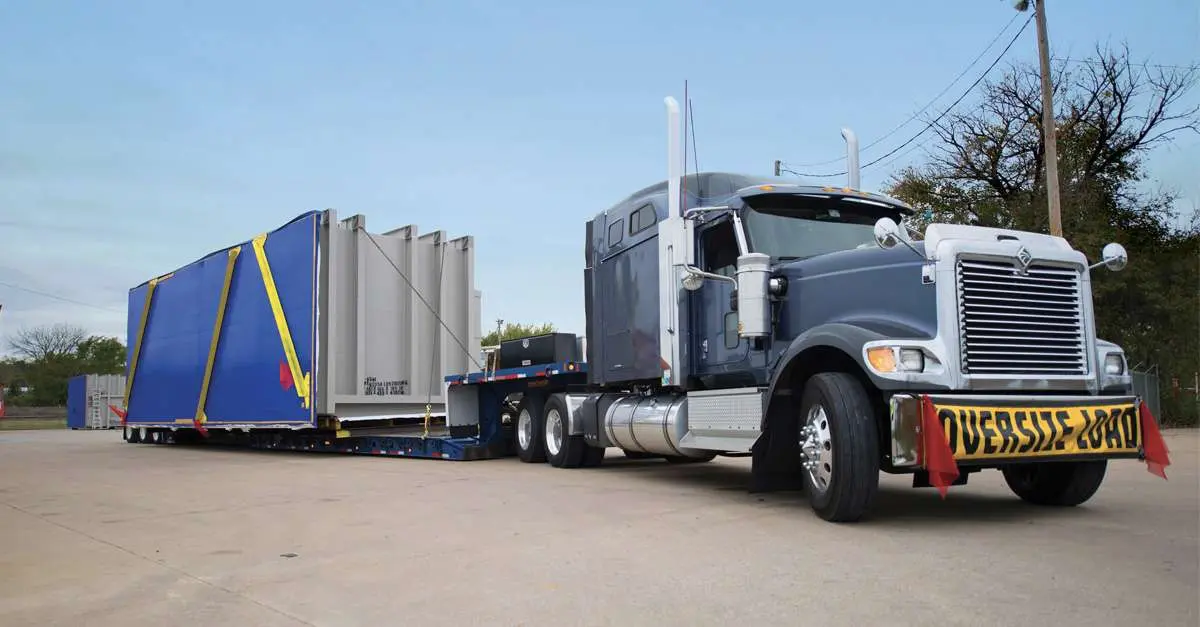
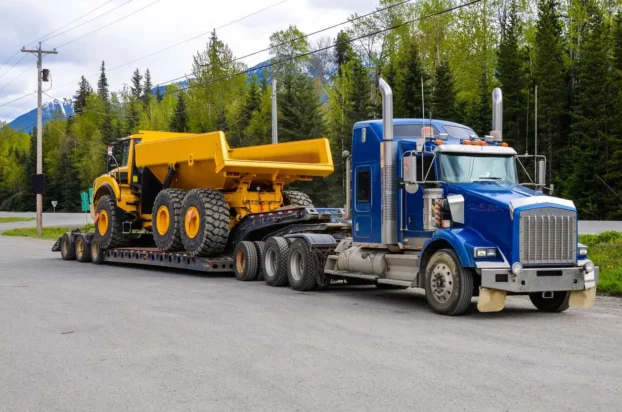
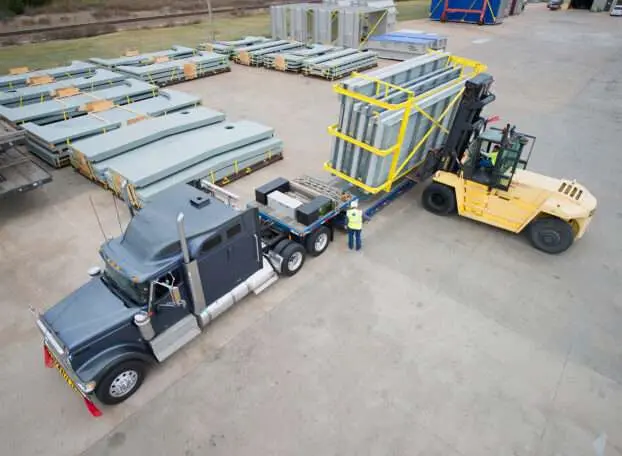
Across sectors like construction, energy, and agriculture, there’s rising demand for specialized haul equipment.
As manufacturers roll out larger machinery and infrastructure projects expand, standard trailer types often aren’t enough.
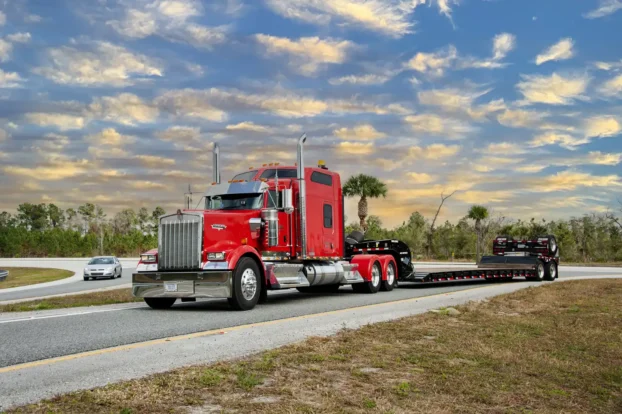
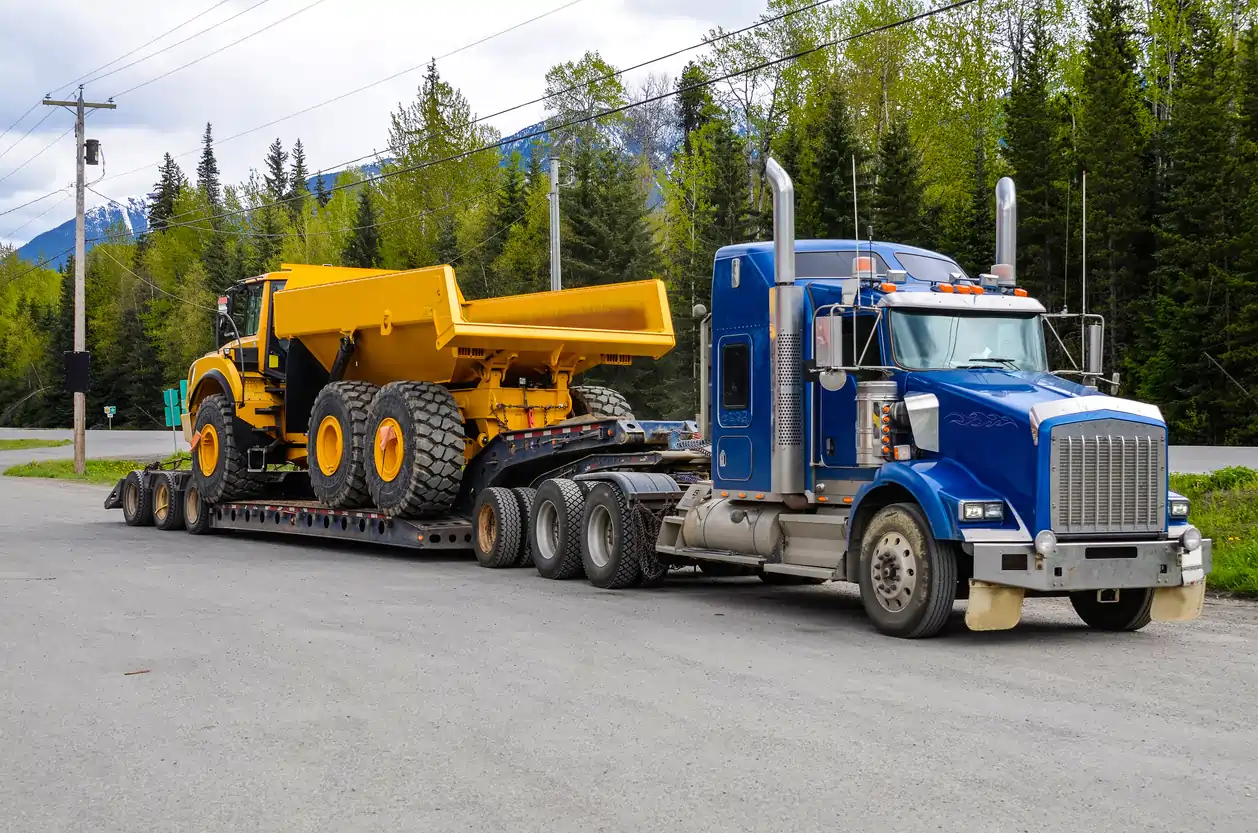
To meet these changes in the heavy haul industry, trucking companies are investing in equipment breakdown planning, including stretch trailers, double drops, and multi-axle configurations.
Businesses that understand the right trailer type for their cargo will have a competitive edge in cost, safety, and compliance.
2. Stricter State-Level Heavy Haul Regulations
While federal heavy haul regulations remain largely stable, many states are increasing oversight, especially around weight limits, axle spacing, and pilot car requirements.
Heavy haul trucking companies must now navigate not only DOT compliance but a patchwork of state-specific rules that can delay or even derail shipments.
That means more complexity for heavy haulers and shippers alike.
To avoid issues, businesses must work with partners who stay up to date on regional requirements and know how to obtain the right permits for every lane.
3. Technology is Transforming Heavy Haul Operations
From ELD mandates to GPS fleet tracking and automated permit systems, the heavy haul trucking industry is embracing more technology in day-to-day operations.
Telematics, load sensors, and AI-driven route optimization tools are helping carriers improve safety, reduce costs, and increase on-time delivery rates.
For shippers, this means more real-time visibility into where their freight is, how it’s moving, and when it will arrive.
But only if their logistics partner is equipped to deliver that data in a clear, actionable format.
4. Equipment Shortages Are Slowing Freight Movement
Although demand for heavy haul equipment is rising, supply hasn’t kept up. This is a pattern we’re seeing across many current heavy haul trends.
Many heavy haul trucking companies report longer lead times to acquire new trailers, trucks, or even qualified drivers trained on specialized trailer types.
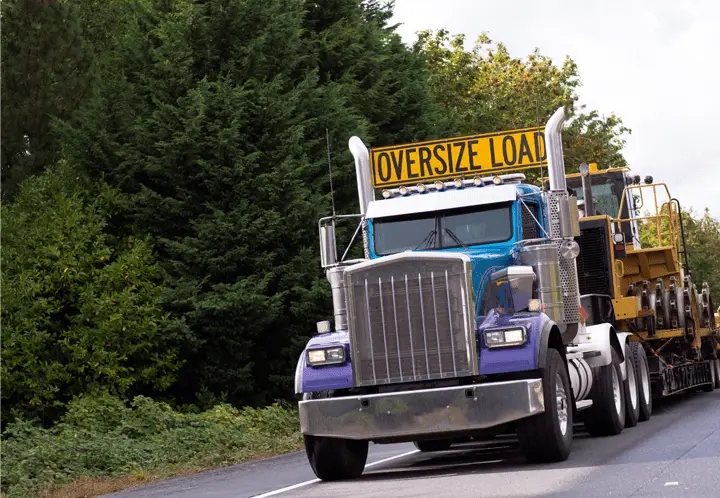
This creates capacity crunches, especially for industries that rely on just-in-time delivery of oversized equipment.
Businesses should be planning loads further in advance or partnering with logistics teams who can provide flexible sourcing options across a broader carrier network.
5. Shifting Infrastructure and Road Conditions
Heavy trucking depends heavily on infrastructure. Unfortunately, aging roads, bridge weight limits, and inconsistent infrastructure upgrades continue to challenge the industry.
Certain heavy haul routes that were once dependable are now restricted or in need of alternate planning.
Expect this trend to accelerate in 2026, especially in urban areas where construction and congestion are rising.
Smart heavy haul companies are investing more in route scouting and dynamic routing technology to keep freight moving.
6. ESG Pressures Are Pushing Greener Hauling
Sustainability is no longer optional.
Among the most important heavy haul trends shaping the industry today are environmental regulations and customer expectations. These are what push the heavy haul trucking industry to adopt more sustainable practices.
This includes cleaner-burning engines, idle-reduction technology, and load consolidation strategies that reduce emissions per trip.
Businesses that want to future-proof their supply chain will need to work with heavy haul companies who take ESG seriously.
Not just as a marketing point, but as an operational standard.
7. Pricing Models Are Shifting Toward Total Cost Transparency
With costs rising (from fuel to insurance to labor), more heavy haul companies are shifting toward pricing models that emphasize transparency.
Shippers now expect detailed breakdowns of cost drivers, including permits, escorts, fuel surcharges, and time-based delays.
In response, logistics providers are offering clearer quotes and more detailed documentation to help customers manage budgets and avoid surprises.
For businesses, that transparency can help improve forecasting, reduce disputes, and build long-term trust.
How Jansson Helps You Stay Ahead of Heavy Haul Trends
As these heavy haul trends reshape the landscape, shippers need a partner who understands more than just moving freight.
They need a team who can navigate changes in the heavy haul industry and deliver consistent results, even when conditions shift.
At Jansson, we’ve built our business around the complex realities of heavy haul shipping.
Here’s how we help businesses like yours adapt and succeed in 2026 and beyond.
Equipment That Matches Your Freight
We source and configure the right heavy haul equipment for every load.
Whether your shipment needs a stretch trailer, lowboy, or multi-axle setup, we identify the ideal trailer type and ensure proper routing, permitting, and loading support.
Compliance That Doesn’t Cut Corners
Heavy haul regulations in the U.S. are never one-size-fits-all.
Our team manages every layer of compliance, from federal DOT rules to state-specific permit requirements.
That means fewer delays and no surprises at inspection points.
Real-Time Visibility and Updates
Every Jansson shipment comes with transparent tracking.
Our systems provide real-time updates from dispatch to delivery, keeping your team informed and in control.
When your freight hits the road, you don’t have to chase down status reports.
We bring them to you.
Flexibility When Conditions Change
There are plenty of factors that can shift your freight plan, such as weather, equipment, and labor.
We build flexibility into our routes, our schedules, and our partnerships so you don’t get left waiting when something goes off course.
A Team That Treats Your Freight Like Its Own
At Jansson, your heavy haul load isn’t just another job. It’s a priority.
From start to finish, our logistics experts are hands-on, detail-oriented, and dedicated to delivering your freight safely, legally, and on time.
Partner With Jansson for Heavy Haul Confidence
As heavy haul trends continue to evolve, the businesses that thrive will be the ones who adapt early, plan smart, and partner well.
Jansson is here to help you navigate these changes with clarity and confidence.
Our team brings deep industry knowledge, practical experience, and the kind of real-world logistics support that drives performance in any condition.
Whether you’re moving oversized machinery, complex infrastructure materials, or time-sensitive heavy freight, we’ll help you move it safely, efficiently, and with fewer headaches.
Ready to move forward? Let’s build a heavy haul solution that keeps your business ahead of what’s moving and what’s changing.
Book a call with Jansson today and take the stress out of heavy haul shipping.