For mid-sized businesses in the U.S. relying on OTR shipping to move freight across long distances, fuel surcharges can feel like a moving target.
These extra charges show up on invoices, fluctuate regularly, and can significantly impact your transportation budget if not properly understood or managed.
But here’s the good news.
Understanding how fuel surcharges work gives you more control over your OTR shipment costs.
This also helps you plan smarter, negotiate better, and reduce unexpected expenses.
In this guide, we’ll break down how fuel surcharges are calculated, why they exist, and seven strategies to reduce costs while still meeting delivery expectations.
What Are Fuel Surcharges in OTR Shipping?
Fuel surcharges are additional fees that carriers apply to account for fluctuating fuel costs.
Since fuel is one of the largest expenses in over-the-road (OTR) trucking, these surcharges help carriers manage volatility without constantly renegotiating base rates.
For mid-sized businesses shipping regionally or nationally, fuel surcharges can significantly affect total freight spend.
They’re commonly used in both spot and contract pricing and their structure can vary depending on the carrier, lane, or shipping volume.
While surcharges are standard in the industry, understanding the logic behind them helps avoid sticker shock and plan more accurate logistics budgets.
How Does the Fuel Surcharge Work?
Fuel surcharges in OTR shipping are designed to adjust pricing as fuel costs rise or fall.
Rather than constantly changing base freight rates, carriers may use a formula that accounts for fuel volatility over time.
The Baseline Fuel Price Sets the Starting Point
Most carriers begin by establishing a baseline fuel price, often around a fixed dollar amount per gallon.
This baseline represents the fuel cost already built into the agreed freight rate.
National Fuel Index Triggers the Adjustment
Carriers then monitor the national average diesel price, typically published weekly by the U.S. Department of Energy.
When fuel prices rise above the baseline, a fuel surcharge is triggered to cover the difference.
Distance and Mileage Drive the Final Cost
Once fuel exceeds the baseline, the surcharge is calculated based on how far the OTR shipment travels.
The greater the distance, the larger the surcharge impact, since higher fuel prices affect every mile on the route.
Putting the Formula Into Practice
For example, if diesel prices rise significantly above the baseline, the difference is converted into a per-mile cost.
That per-mile amount is then multiplied by the total number of miles in the shipment to determine the fuel surcharge added to the invoice.
While this process may seem complex at first, understanding the relationship between baseline fuel price, national fuel indexes, and mileage makes fuel surcharges far more predictable and easier to manage.
How to Calculate Fuel Surcharge in OTR Shipping
To simplify the math, many carriers use fuel surcharge tables or calculators that automatically adjust with weekly price changes.
Still, here’s a general formula:
Fuel Surcharge = (Current Fuel Price – Baseline Price) ÷ MPG × Rate per Mile
Let’s say:
- Current diesel price = $4.00/gallon
- Baseline = $1.25/gallon
- Truck averages 6 miles per gallon
- Shipment travels 1,200 miles
Surcharge = ($4.00 – $1.25) ÷ 6 MPG = $0.458 per mile
Total Surcharge = $0.458 × 1,200 = $549.60
Even a small price shift can make a noticeable difference.
For mid-sized businesses with frequent OTR shipments, these charges can quickly add up across the year.
7 Ways to Reduce Fuel Surcharge Costs in OTR Shipping
Fuel surcharges aren’t avoidable. However, that doesn’t mean they’re uncontrollable.
Here’s how mid-sized OTR shippers can reduce costs.
1. Optimize Routes with Smart Technology
Use route optimization software or work with logistics partners who do. Smarter routes mean fewer miles, which directly reduces your surcharge.
Cutting even 50 miles off a route could mean hundreds saved over time.
2. Consolidate Shipments
Fewer trucks = fewer surcharges. Combine loads where possible.
If you’re sending multiple partial shipments per week, consolidate them into fewer OTR shipments. This reduces mileage and increases efficiency.
3. Lock in Fuel Surcharge Caps in Contracts
Some carriers allow caps or thresholds on fuel surcharge increases.
If you have consistent volume, negotiate these limits during contract discussions.
4. Use Multi-Modal Strategies
If fuel prices surge, consider shifting part of your shipping volume to rail or intermodal.
Trains are more fuel-efficient over long distances and may reduce your reliance on high-cost OTR shipping lanes.
5. Improve Load Efficiency
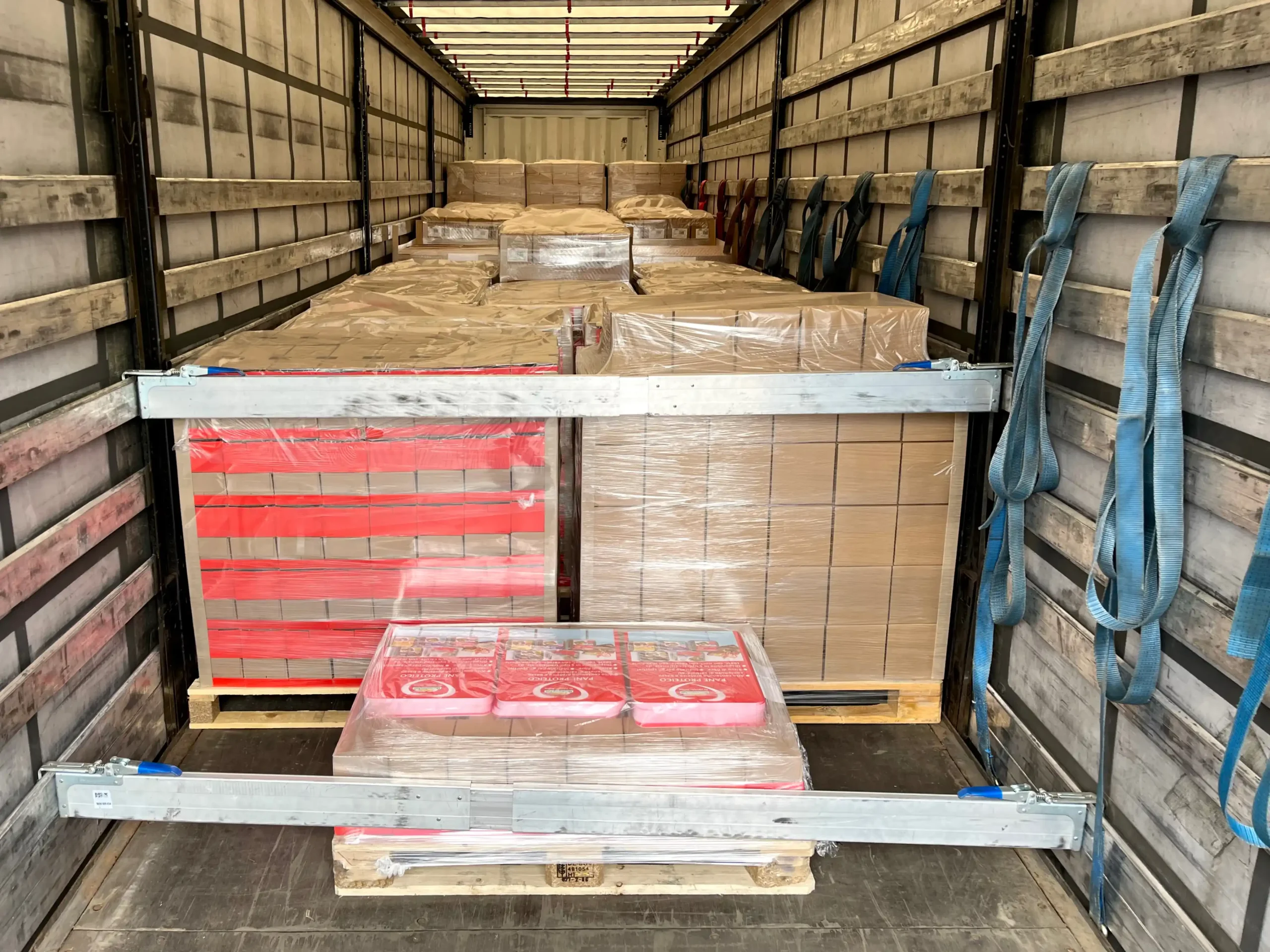
Use standard shipping container sizes, maximize trailer space, and reduce empty miles.
Better loading equals fewer trips and fewer fuel-related charges.
6. Analyze Carrier Performance
Not all carriers price surcharges the same way. Review past invoices to spot patterns or excessive fees.
Working with data-driven logistics partners helps benchmark performance and identify better options.
7. Partner With a Strategic OTR Provider
One of the most impactful ways to manage rising surcharges is by partnering with a logistics team that specializes in OTR solutions.
Experts can help you negotiate rates, identify savings, and keep surcharges from inflating your transportation budget unexpectedly.
Why Fuel Surcharges Matter More for Mid-Sized Shippers
Unlike enterprise companies that can leverage massive shipping volumes for better rates, mid-sized businesses are more exposed to volatility.
A sudden spike in diesel prices can disrupt forecasting and strain profitability.
At the same time, smaller businesses may lack the in-house logistics team needed to track, manage, and control fluctuating costs in real time.
Fuel surcharges are one of the most common challenges OTR shippers face.
But when understood and managed strategically, they don’t have to eat into your bottom line.
How Jansson Helps Mid-Sized Shippers Manage Fuel Surcharges
At Jansson, we work with U.S. businesses every day to strengthen supply chains, streamline OTR shipping, and reduce freight costs.
Fuel efficiency isn’t a nice-to-have. It’s a built-in part of how we operate.
Smarter Routing That Cuts Miles
We use advanced routing tools and real-time data to minimize mileage and reduce your exposure to fuel surcharges. Our team actively looks for shorter, safer, and faster routes to keep freight moving and costs down.
Transparent Pricing and Contract Support
No surprises. We help you understand surcharge structures, negotiate better terms with carriers, and build more predictable pricing into your logistics budget.
Flexible OTR Solutions That Scale With You
Whether you’re shipping regionally or coast-to-coast, we tailor our OTR solutions to your specific volume and delivery timelines. Our nationwide carrier network gives you access to capacity and competitive rates without the uncertainty.
End-to-End Support That Makes Shipping Easier
From load planning to delivery, we’re with you every step.
Jansson handles the heavy lifting so you can focus on running your business, not chasing invoices or troubleshooting delays.
Ready to Take Control of Fuel Surcharges?
Fuel surcharges are a reality in OTR shipping. However, they don’t have to derail your logistics strategy.
With smart planning, proactive partnerships, and optimized routing, your business can reduce costs while improving delivery performance.
At Jansson, we make fuel surcharge management simple, transparent, and effective.
Our OTR shipping experts will help you understand your freight patterns, cut excess spend, and gain more control over your transportation costs.
Let’s turn rising fuel prices into a strategic advantage.
Book a call with a Jansson expert today and discover OTR solutions designed for mid-sized businesses like yours.