Hot shot shipping has become a go-to solution for businesses that need freight delivered fast. In industries where delays mean lost revenue or downtime, speed is critical.
And this type of shipment delivers.
Unlike traditional freight methods, this shipping style focuses on urgent, direct deliveries using smaller flatbed trucks and flexible routes.
For U.S. businesses in manufacturing, construction, agriculture, and energy, flatbed hotshot services offer the agility needed to keep operations moving.
But while it’s fast, hot shot trucking isn’t always simple. From weight limits to equipment selection, understanding how it works is essential to avoiding costly mistakes and delays.
What Is Hot Shot Flatbed Shipping?
Hot shot flatbed shipping is a type of expedited freight transportation that uses smaller, non-commercial trucks (often Class 3 to 5) pulling flatbed trailers.
Independent drivers or small fleet owners usually operate these services.
Hot shot carriers typically handle time-sensitive shipments with smaller volumes, unlike traditional full truckload freight. They often deliver them same-day or overnight.
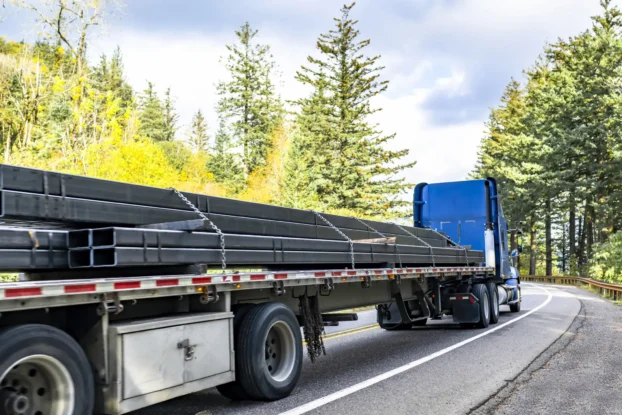
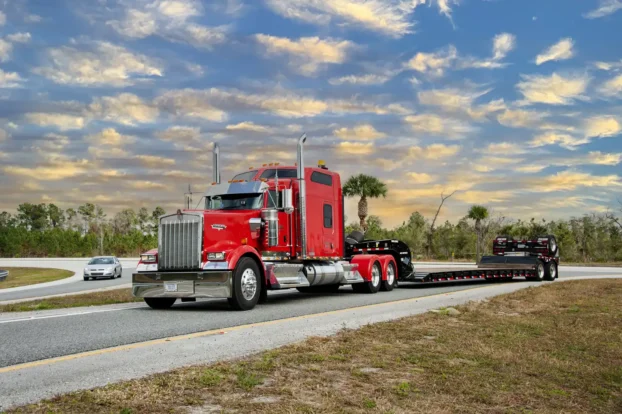
Flatbed hotshot carriers use equipment like bumper pull trailers, gooseneck trailers, and lowboys.
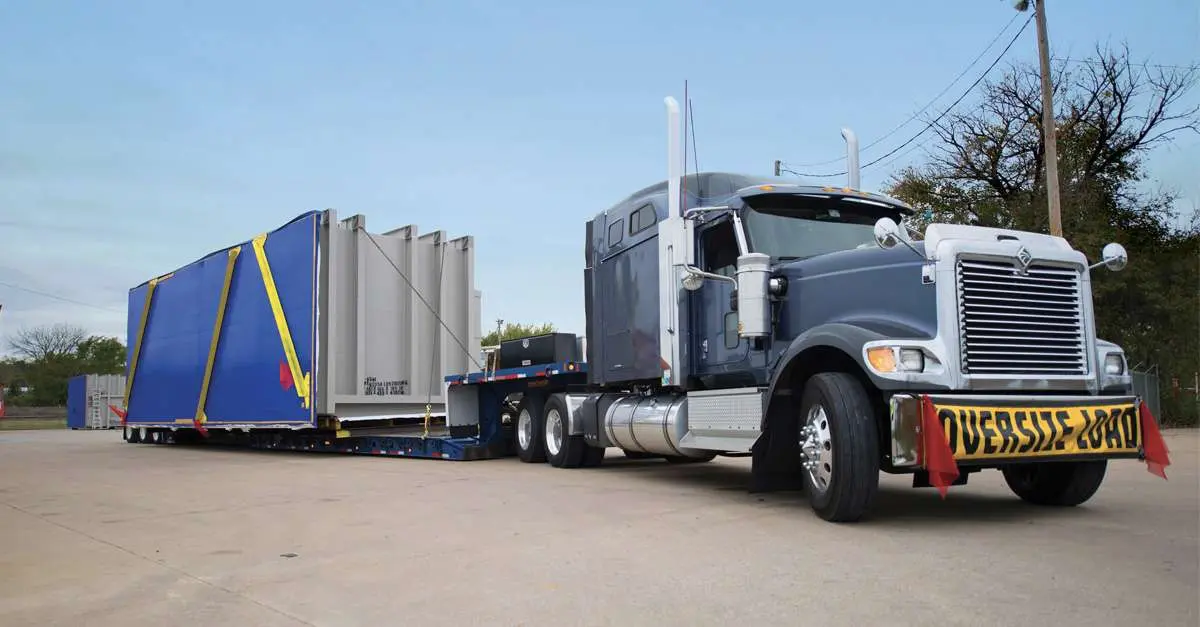
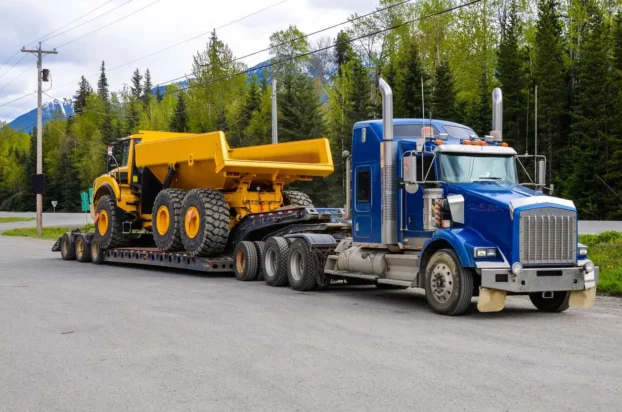
These configurations make it easier to load and unload freight without needing a dock, and they’re ideal for oversized loads that don’t require an entire tractor-trailer.
For mid-sized U.S. businesses, hot shot shipping offers a way to respond quickly to last-minute needs without paying for more capacity than required.
What Is the Weight Limit for a Flatbed Hotshot?
Weight capacity is a critical factor in hot shot trucking.
While full-size flatbed trailers can haul up to 48,000 pounds, hot shot rigs typically fall between 10,000 to 26,000 pounds in gross vehicle weight.
The actual weight limit depends on the truck and trailer configuration and federal or state regulations.
Exceeding these limits can result in fines, safety issues, or delays.
It’s important to verify your freight’s weight and dimensions, especially if it approaches the higher end of the spectrum.
For example, a flatbed trailer size may look sufficient, but actual capacity depends on factors like trailer type and axle spacing.
What Is the Difference Between Hotshot and Flatbed?
It’s easy to confuse the two terms, but there’s a clear difference.
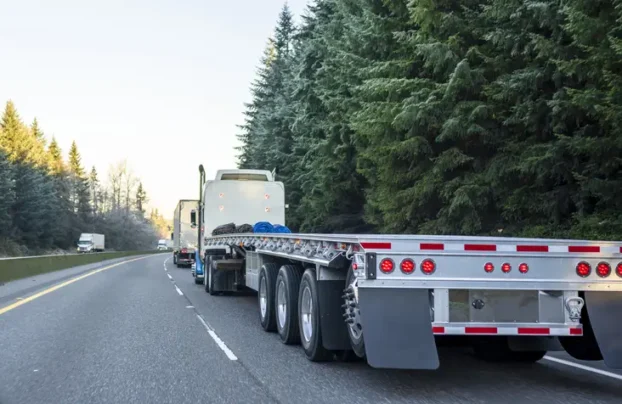
Flatbed shipping refers to the type of trailer used, which is an open platform with no sides or roof.
It’s commonly used for hauling large or awkwardly shaped freight that doesn’t fit in a traditional enclosed trailer.
Flatbeds come in various configurations and standard flatbed trailer dimensions include lengths of 48 to 53 feet, with variations in width, height, and deck type.
Hot shot trucking, on the other hand, refers to the urgency and style of service. It typically uses smaller flatbed trailers for expedited deliveries.
You can think of hot shot as a subcategory of flatbed freight. It’s flatbed shipping done fast and often with lighter trucks.
What Is the Most Profitable Hot Shot Load?
Some of the most profitable loads for hot shot drivers and carriers include equipment parts, construction materials, emergency replacement components, and energy sector freight.
These loads are time-critical and often high value, making them ideal candidates for hot shot shipping.
For shippers, the value isn’t always in the freight itself, but in preventing downtime.
For example, delivering a replacement motor to a construction site the same day could save a company thousands in lost productivity.
That’s where the speed and flexibility of hot shot trucking becomes priceless.
Benefits of Hot Shot Flatbed Shipping
When every hour counts, hot shot shipping offers a level of flexibility and responsiveness that traditional freight can’t match.
Here’s why more U.S. businesses are turning to this flatbed solution when the pressure is on.
Faster Deliveries When Time Is Tight
Speed is the number one reason businesses use hot shot flatbed services.
If you need to move something today (not tomorrow or next week) this mode gets it done.
It’s especially useful when replacing broken machinery or responding to unexpected production delays.
Lower Cost for Smaller Loads
Unlike full truckload services, hot shot flatbed shipping only charges you for the space and weight you use.
That means you’re not paying for unused capacity or unnecessary mileage.
It’s a smart way for mid-sized businesses to ship critical loads without breaking the budget.
Greater Flexibility and Access
Flatbed hotshot trailers can be loaded from the side, rear, or even top, which makes them incredibly versatile.
They’re also more nimble than full-sized trucks, so they can reach more remote job sites or tight urban areas.
This kind of flexibility is essential in industries where access can be tricky.
Real-Time Control and Communication
Because hot shot trucking is often handled by independent drivers or small operations, shippers often benefit from direct communication and greater visibility.
With the right logistics partner, you gain access to real-time tracking and responsive support from pickup to delivery.
Challenges in Hot Shot Flatbed Logistics
As fast and flexible as it is, hot shot trucking isn’t without complexity.
Managing capacity, ensuring proper load securing, and complying with FMCSA safety standards can be challenging, especially when loads vary in weight, size, and urgency.
There’s also the issue of finding reliable drivers on short notice.
Flatbed shipments require skillful handling, and hot shot drivers must know how to secure freight safely.
Flatbed safety tips become crucial, as improper securing can lead to load shifts, fines, or damage.
Additionally, coordinating routes for flatbed hauling often involves navigating weight stations, road restrictions, and access limitations.
The process gets even more complicated when you’re balancing multiple delivery locations or tight deadlines.
That’s why working with a trusted logistics provider who understands flatbed transportation is essential.
Why Jansson Is the Right Hot Shot Logistics Partner
When speed matters, you need more than a truck. You need a logistics partner that understands urgency, precision, and flexibility.
That’s exactly how Jansson supports hot shot shipping for U.S. businesses.
Built for Time‑Critical Shipments
Hot shot shipping is about solving urgent problems, not just moving freight.
Jansson’s flatbed logistics services are designed to keep projects on track when timing is critical.
Experience Across Industries
From construction and manufacturing to energy and industrial operations, Jansson coordinates flatbed freight deliveries that balance speed, reliability, and cost.
We handle complex and expedited shipments with confidence and clarity.
Smart Planning, Not Just Booking
Every shipment starts with analysis.
We align load requirements, flatbed equipment, and delivery timing to move your freight efficiently without guesswork.
Compliance, Visibility, and Control
We manage regulations, driver qualifications, and real-time tracking from end to end.
Whether you need a one-time hot shot load or recurring flatbed freight, our team gives each shipment focused attention from pickup to delivery.
Let’s Simplify Hot Shot Flatbed Shipping
When it comes to flatbed hauling and expedited freight, there’s no room for error. You need a logistics partner who treats speed like a strategy, not a scramble.
That’s what Jansson delivers.
We help U.S. businesses navigate the complexity of hot shot shipping with proven expertise, real-time visibility, and responsive support.
Our hot shot and OTR solutions perform reliably whether you’re moving urgent replacement freight, handling weekend deliveries, or scaling a time-sensitive project.
Ready to make flatbed hotshot part of your shipping strategy?
Book a call with a Jansson expert today, and let’s build a logistics plan that keeps your business moving forward. Fast.