Achieving carbon neutrality sounds simple on paper. But in practice, it is one of the hardest challenges U.S. businesses face today.
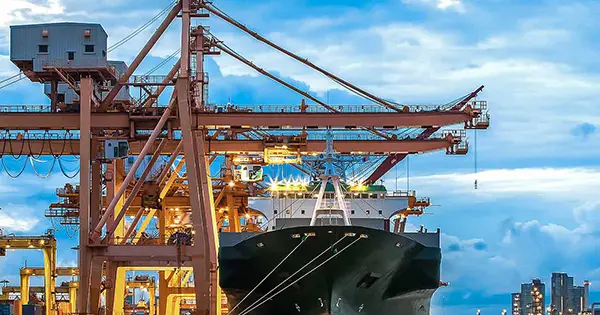
Shipping remains a major contributor to any company’s carbon footprint.
As supply chains stretch across continents, emissions from trucks, ships, and planes add up fast.
For companies focused on growth, balancing efficiency with sustainability can feel overwhelming.
But the pressure is no longer coming from just one direction.
Regulators are tightening standards. Customers are choosing greener brands. Investors are now scoring companies on ESG performance.
In 2026, carbon neutrality is not just an environmental goal. It is a vital logistics and budget decision.
Here is what every U.S. business needs to understand, along with five strategies to start acting on it now.
What Carbon Neutrality Actually Means for Logistics
Carbon neutrality means balancing the emissions your operations produce with actions that remove or offset them.
The long-term goal is net-zero greenhouse gas emissions across the entire supply chain.
For international shipping, this applies at every stage, from warehouse handling to last-mile delivery.
Each step contributes to the overall 2026 carbon footprint.
Green shipping corridors are one of the most significant developments reshaping this landscape.
These trade routes are built for low-emission transportation. Cleaner fuels power them.
Energy-efficient vessels and optimized logistics networks support them.
The Clydebank Declaration, signed at COP26, formalized a global commitment to establishing these corridors between major ports.
For B2B companies moving commercial freight internationally, these corridors represent both an opportunity and a cost consideration.
Why Carbon Neutrality Directly Affects Your Logistics Budget
Sustainable shipping is not free and pretending otherwise leads to budget surprises.
Cleaner fuels cost more than conventional bunker fuel.
Carbon offset programs add another layer of expense.
Emissions tracking and compliance reporting require additional resources and systems.
At the same time, inaction carries its own costs.
Companies that ignore sustainability trends face regulatory penalties. ESG-conscious customers move to greener competitors.
And green shipping corridors are increasingly defining major trade lanes, making exclusion a real operational risk.
The most successful businesses in 2026 will integrate carbon-neutral shipping into their logistics strategy. Efficiency and margin do not have to suffer in the process.
5 Strategies to Reduce Your Carbon Footprint Without Increasing Costs
Moving toward carbon neutrality does not require a complete operational overhaul.
It requires smarter decisions at every stage of the shipping process.
1. Optimize Transportation Routes
Unnecessary miles mean unnecessary emissions and unnecessary fuel costs. Route optimization reduces both simultaneously.
For international shipments, route efficiency starts with the right trade lanes. Working with an experienced freight agent helps identify the most efficient options fast.
2. Choose the Right Transportation Mode
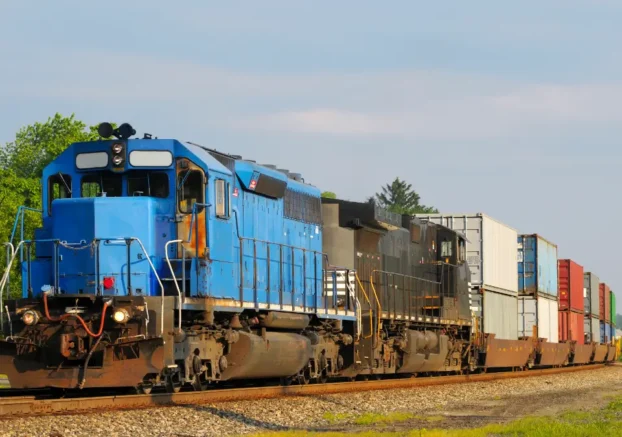
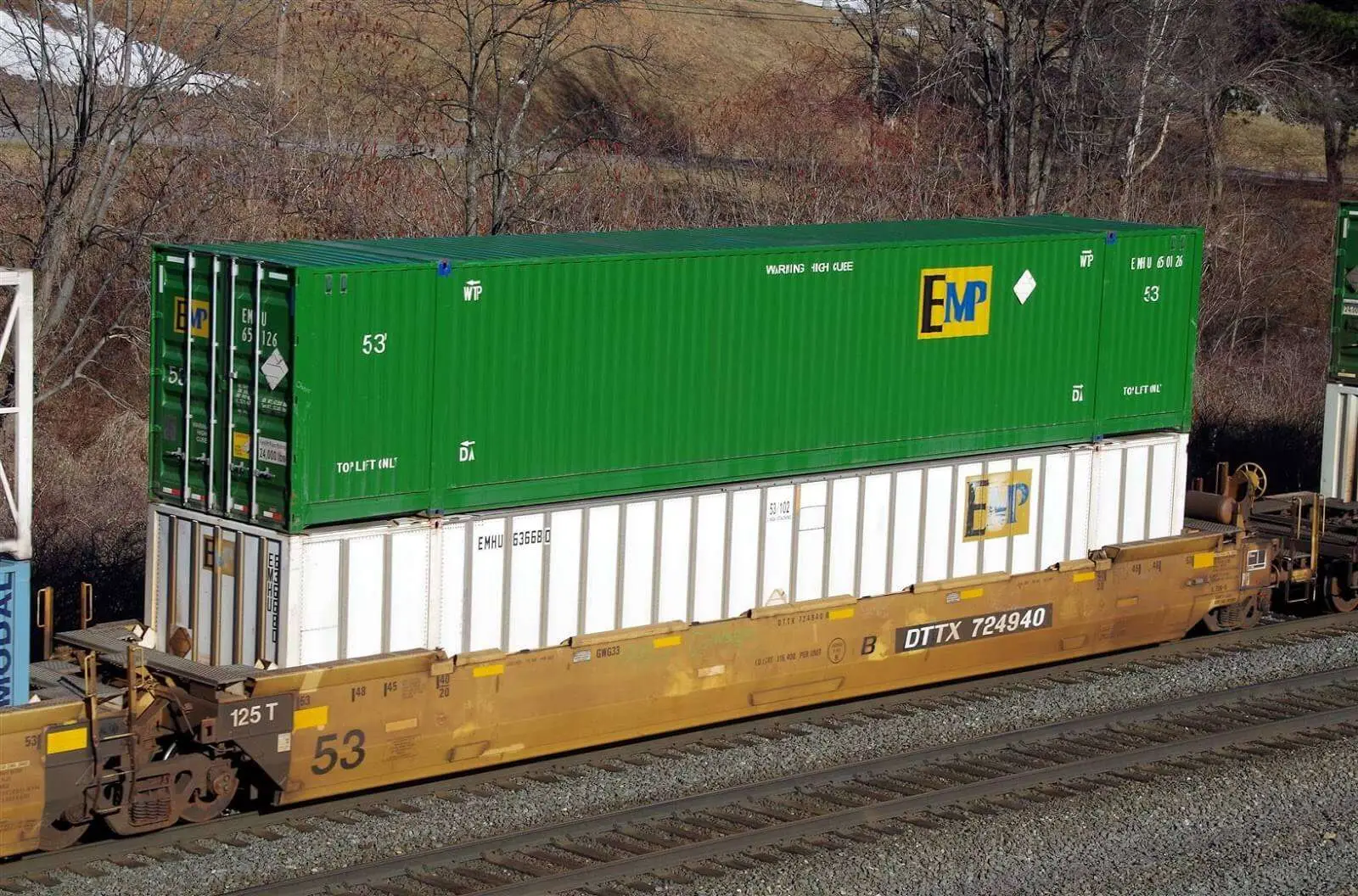
According to McKinsey, shifting from air freight to ocean or rail shipping can reduce emissions by seven to 20 times.
his makes mode selection one of the highest-leverage decisions in any logistics decarbonization plan.
Where transit time allows, multimodal routing amplifies those gains even further.
And often reduces costs at the same time.
3. Right-Size Your Packaging and Cargo
Heavier, bulkier shipments consume more fuel.
Reducing packaging weight and optimizing cargo dimensions lowers the energy required for transportation.
Efficient packaging supports both cost savings and carbon-neutral shipping goals simultaneously.
4. Partner With Environmentally Responsible Carriers
Not all carriers are investing equally in sustainability.
Many logistics providers are upgrading their fleets. Alternative energy solutions are being adopted. Emissions reduction targets are being set across the industry.
Choosing carriers aligned with your sustainability goals accelerates progress without requiring internal investment.
5. Use Carbon Offset Programs Strategically
Emissions that cannot yet be eliminated can be offset.
Carbon offset programs fund environmental projects that remove or reduce greenhouse gases elsewhere.
While reducing emissions should always be the priority, offsetting addresses the gap responsibly.
Note that offset programs vary widely in quality. So, working with verified, reputable programs ensures your investment delivers real environmental value.
Net-zero carbon dioxide emissions is an achievable goal. These five strategies get you there without sacrificing delivery performance or budget control.
What to Expect as You Transition
The transition to carbon-neutral shipping comes with real challenges worth planning for.
Cost management is the most immediate concern.
After all, sustainable solutions require upfront investment before savings materialize.
Accurate emissions tracking across complex international supply chains is technically demanding.
And achieving carbon neutrality requires alignment across suppliers, carriers, and logistics partners.
This is because coordination takes time to build.
Companies that start now have a significant advantage. Every year of delay makes the transition more expensive and more disruptive.
How Jansson LLC Supports Carbon Neutrality for a Sustainable International Shipping
Jansson LLC helps U.S. businesses navigate the evolving demands of international shipping, including the shift toward carbon-neutral shipping.
As a Landstar freight agent, Jansson provides access to a wide network of sustainability-focused carriers.
Air freight, ocean freight, customs brokerage, and multimodal solutions are all available.
Every service is backed by Landstar’s global infrastructure.
Our approach focuses on smart coordination and operational efficiency.
Routes are optimized. Shipment planning is tightened. Emissions are reduced where possible.
And offset strategies are discussed where they are not.
Every company’s journey toward carbon neutrality is different.
Jansson provides practical, scalable global shipping and logistics solutions that support both environmental responsibility and cost control.
Because in 2026, logistics performance will not just be measured by speed or cost.
It will also be defined by how effectively your business manages its carbon footprint and how confidently you can report on it.
Book a call with a Jansson LLC expert today, and let’s talk about building a greener, more efficient international shipping strategy for your business.