In today’s supply chain world, sustainability is no longer a nice-to-have.
It’s becoming a non-negotiable.
But when you’re hauling 100,000+ pounds of freight across long distances, the idea of going green can feel nearly impossible.
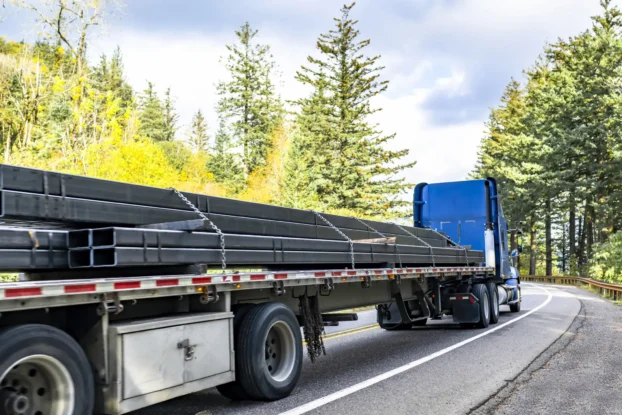
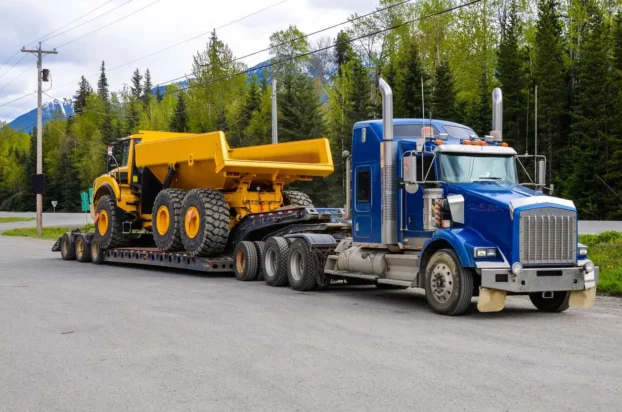
Heavy haul shipping is essential for infrastructure, energy, construction, and manufacturing.
But it’s also one of the most carbon-intensive modes of freight transport.
Every mile moved burns fuel, emits greenhouse gases, and wears down equipment at a faster rate than standard freight.
The question is, can sustainable logistics really apply to something as massive and emissions-heavy as a heavy haul shipment?
Let’s break it down.
The Challenge of Sustainable Heavy Haul Operations
Green logistics is tough in any industry. But the challenges multiply when you enter the world of heavy haul.
1. Equipment Size and Weight
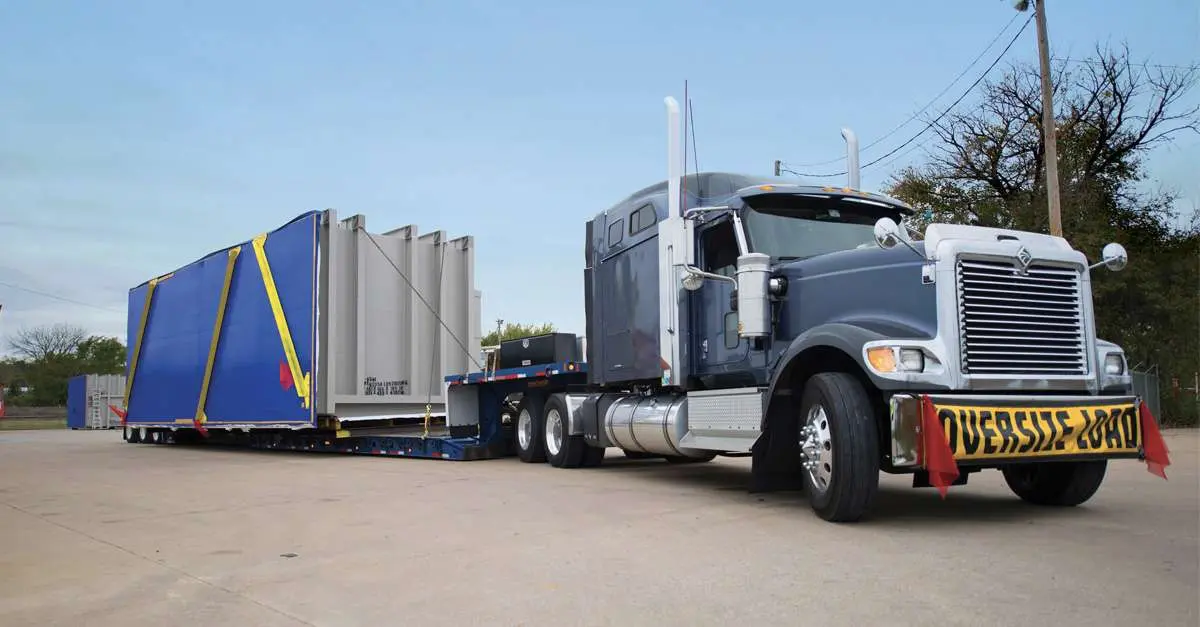
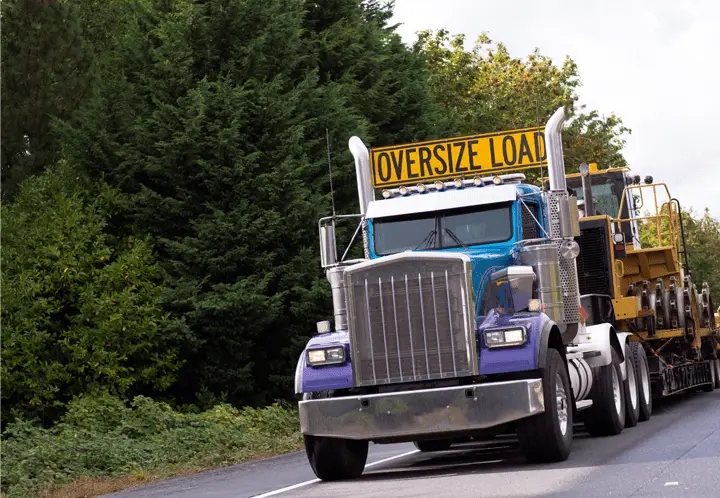
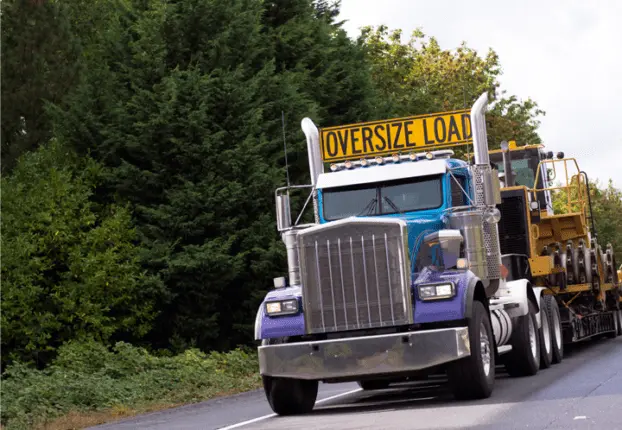
Heavy haul loads require specialized trucks, trailers, and escorts.
These oversized shipments are fuel-hungry by nature, and most equipment options are diesel-powered.
2. Limited Route Flexibility
Because of height, weight, and width restrictions, heavy haul loads often have limited route options.
This can mean longer detours, more idling, and greater fuel usage.
3. Permitting and Regulatory Burdens
Heavy haul shipping involves state-by-state permits, escorts, and scheduling that can delay transit and increase environmental impact through extended timelines.
4. Idle Time and Dwell
Oversized loads frequently experience wait times due to road restrictions, weather, or construction.
This idle time adds to emissions and inefficiency.
5. Lack of Electric or Alternative-Fuel Options
Unlike parcel or light truck fleets, there aren’t many viable electric options for heavy haul equipment yet.
This limits innovation in sustainable trucking.
Despite these hurdles, sustainable logistics in the heavy haul space is not only possible.
It’s necessary.
Businesses and logistics providers are starting to innovate around these constraints.
The Benefits of Going Green in Heavy Haul Shipping
Even if a heavy haul shipment can’t be zero-emissions today, there are compelling reasons to invest in greener practices.
1. Reduced Fuel Costs
Optimized routing, better driver behavior, and upgraded equipment can significantly reduce fuel consumption.
This cuts both emissions and operating costs.
2. Compliance with ESG Goals
As more companies adopt Environmental, Social, and Governance (ESG) goals, sustainable logistics becomes part of the broader supply chain responsibility.
3. Competitive Differentiation
Customers increasingly prefer vendors and service providers that align with their values.
A commitment to green logistics can build long-term trust and loyalty.
4. Lower Risk of Regulatory Penalties
As regulations tighten around emissions, noise, and waste, companies that move early toward sustainability will be better prepared to stay compliant.
5. Positive Environmental Impact
Cleaner air, fewer emissions, and reduced fuel use all contribute to a healthier planet.
While heavy haul won’t solve climate change alone, every step helps.
How U.S. Businesses Can Achieve Sustainable Logistics in Heavy Haul
Sustainability doesn’t happen overnight.
But with the right strategy, businesses that depend on heavy haul shipping can minimize the environmental impact of transportation and logistics activities.
Start by modernizing your fleet, if possible.
Newer trucks with aerodynamic enhancements, efficient engines, and idle-reduction systems make a noticeable difference in emissions.
Next, focus on routing and planning.
Sustainable heavy haul operations depend on route optimization, load consolidation, and avoiding unnecessary detours or rework.
Technology plays a big role here.
GPS systems, load planning software, and telematics can help maximize every mile traveled.
Then look at packaging and loading techniques.
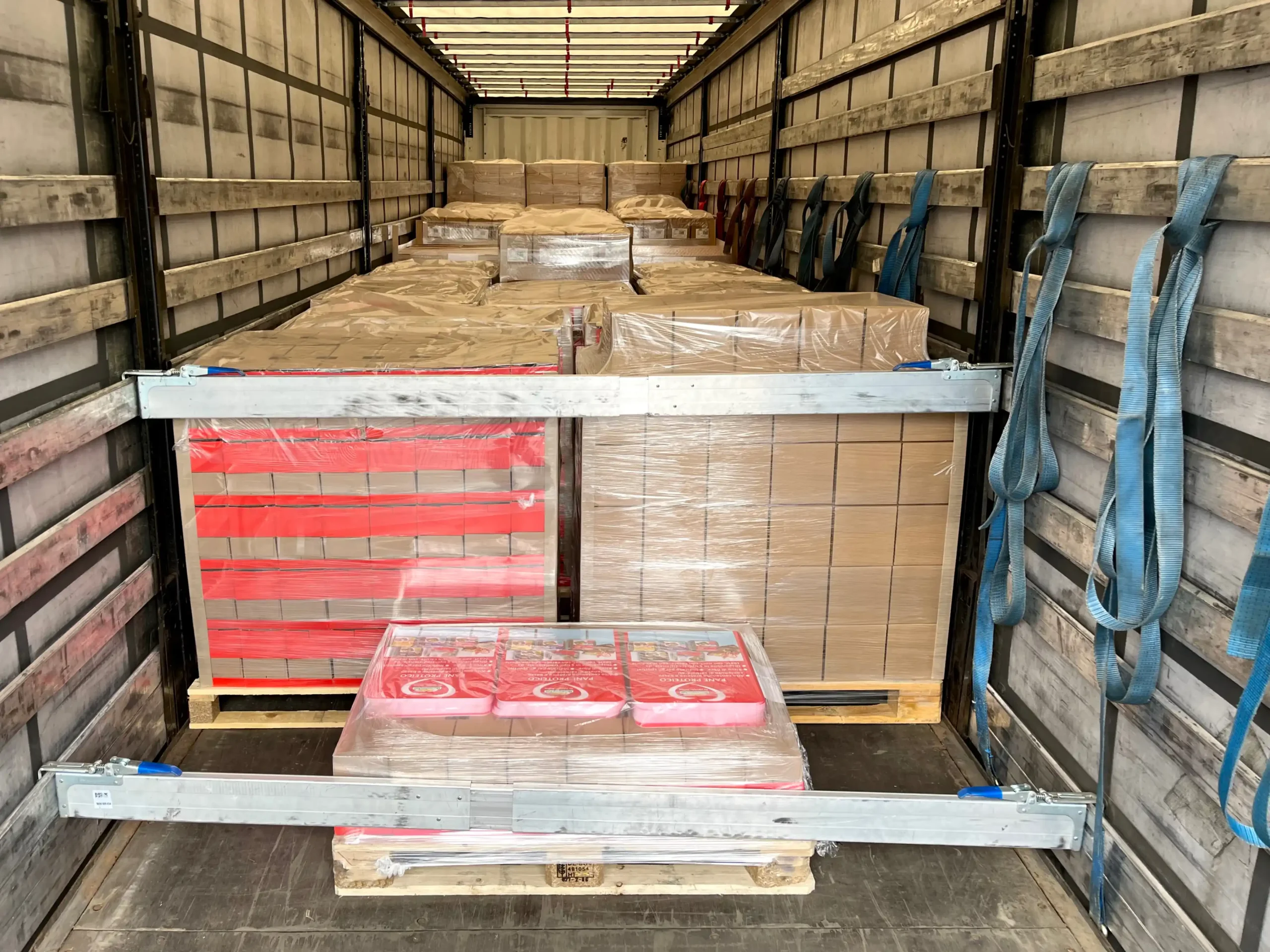
Smart loading ensures weight distribution is efficient, tie-downs are secure, and equipment strain is minimized. This helps reduce fuel usage, emissions, and maintenance issues.
Driver training matters too. Coaching drivers on speed control, idling limits, and pre-trip inspections leads to better fuel economy and fewer breakdowns.
Lastly, consider the carbon footprint of each project.
Some companies are investing in carbon offsets or partnering with carriers who meet EPA SmartWay standards to balance out emissions.
It may not be easy, but there are ways to green even the most massive of freight movements.
Why Jansson Is the Right Heavy Haul Partner for Sustainability
At Jansson, we understand that sustainable logistics isn’t just a trend. It’s a responsibility.
We help U.S. businesses run efficient, compliant, and environmentally conscious heavy haul operations.
Our approach to sustainable heavy haul shipping includes optimized route planning, equipment that meets the latest EPA standards, and strict load securement practices that reduce waste and prevent costly damage.
We also use real-time visibility tools to reduce idle time, avoid traffic bottlenecks, and give you more control over emissions and efficiency.
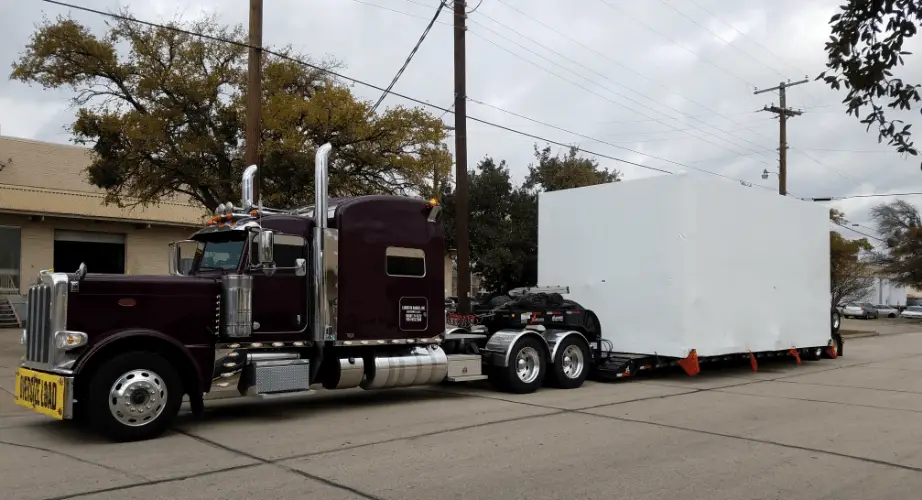
Whether you’re hauling turbines, transformers, or oversized machinery, Jansson works to minimize your environmental impact while maximizing performance.
With Jansson, you don’t have to choose between capability and sustainability. We deliver both.
Heavy Loads, Greener Roads
Sustainable trucking may seem out of reach for 100,000-pound shipments, but the path is already being paved.
The future of freight isn’t just about size. It’s about a smart strategy.
With the right partner, sustainable heavy haul shipping is more than a possibility. It’s a competitive advantage.
Book a call with a Jansson expert today. And let’s build a heavy haul strategy that’s built to last.
For your business and the environment.