
Transporting hazardous materials is never routine, as even a minor hazmat load leak can escalate into a national safety crisis.
Because every shipment carries inherent risk, preparing for a potential hazmat load leak must be a priority before the truck even leaves the dock.
Chemicals can ignite. Vapors can spread. Liquids can contaminate soil and water.
Even with strict controls in place, the fallout can trigger devastating financial and legal consequences.
When that happens, one question arises fast.
Who pays?
Why Is Hazmat Shipping So Complex?
Hazardous materials require strict oversight from start to finish.
Hazmat Transport is governed by multiple layers of regulation.
DOT Hazmat Regulations set federal standards for packaging, labeling, and routing under Title 49 CFR. OSHA Hazmat Guidelines cover worker protection and exposure limits under 29 CFR 1910.120.
NFPA standards—including NFPA 470 for responder competencies and NFPA 704 for hazard identification—guide emergency response and hazard communication.
Each shipment must meet detailed Hazmat Classification rules. Packaging must match the chemical profile.
Labels must be correct. Documentation must include accurate Safety Data Sheets (SDS).
Small errors increase the risk of a hazmat load leak significantly.
What Happens When a Hazmat Load Leak Occurs?
Once a hazmat load leak happens in transit, events move quickly.
Carriers must initiate a hazmat emergency protocol immediately. Drivers follow established chemical spill procedures.
Authorities are notified. Local emergency responders may activate a full HAZMAT Response.
Depending on the material, evacuation zones may be established.
Roads may close. Hazmat cleanup crews get deployed.
Environmental contractors, waste disposal specialists, and regulatory investigators may all get involved.
Costs rise by the hour.
Who Is Financially Responsible for A Hazmat Load Leak?
Liability depends on the cause, but it is rarely simple.
Under DOT Hazmat Regulations, the shipper is the “person who offers” hazardous materials for transport.
That responsibility stays with the shipper, even when third-party handlers are involved.
Improper packaging that leads to a hazmat load leak typically keeps the shipper liable.
Should the carrier fail to follow DOT HAZMAT Regulations, liability may shift to the trucking company.
Both parties can face fines for violations occurring during the same shipment.
Hazmat insurance plays a critical role here.
Carriers must carry proper coverage. Shippers often require additional environmental liability policies.
Without adequate hazmat insurance, companies face direct financial exposure.
Coverage alone, however, does not prevent regulatory penalties or reputational damage.
What Are the Regulatory Consequences?
Beyond hazmat cleanup costs, a hazmat load leak triggers serious regulatory scrutiny.
Federal agencies may review hazmat compliance records. Inspectors may examine packaging logs, training certifications, and hazmat storage and handling procedures.
Violations result in significant fines.
Repeated violations can lead to operating restrictions or increased oversight. Severe cases may result in civil or criminal penalties.
Hazmat safety must be proactive, not reactive.
The Role of Training and Preparedness
Hazmat training is one of the strongest defenses against liability.
Employees who handle hazardous materials must understand classification standards, packaging rules, and emergency procedures.
Drivers must know how to respond to a hazmat emergency safely and efficiently.
Proper PPE for hazmat situations protects workers during loading and unloading.
Clear Emergency Response Plan documentation ensures everyone knows their role before a crisis hits.
Fewer mistakes mean fewer leaks.
What Are the Common Causes of Hazmat Load Leaks?
Most hazmat load leak incidents stem from preventable issues. Small oversights carry serious consequences.
Improper Packaging
Containers may not meet required pressure or temperature standards.
Incompatible materials may be stored together in violation of hazmat storage and handling rules.
Loading Errors
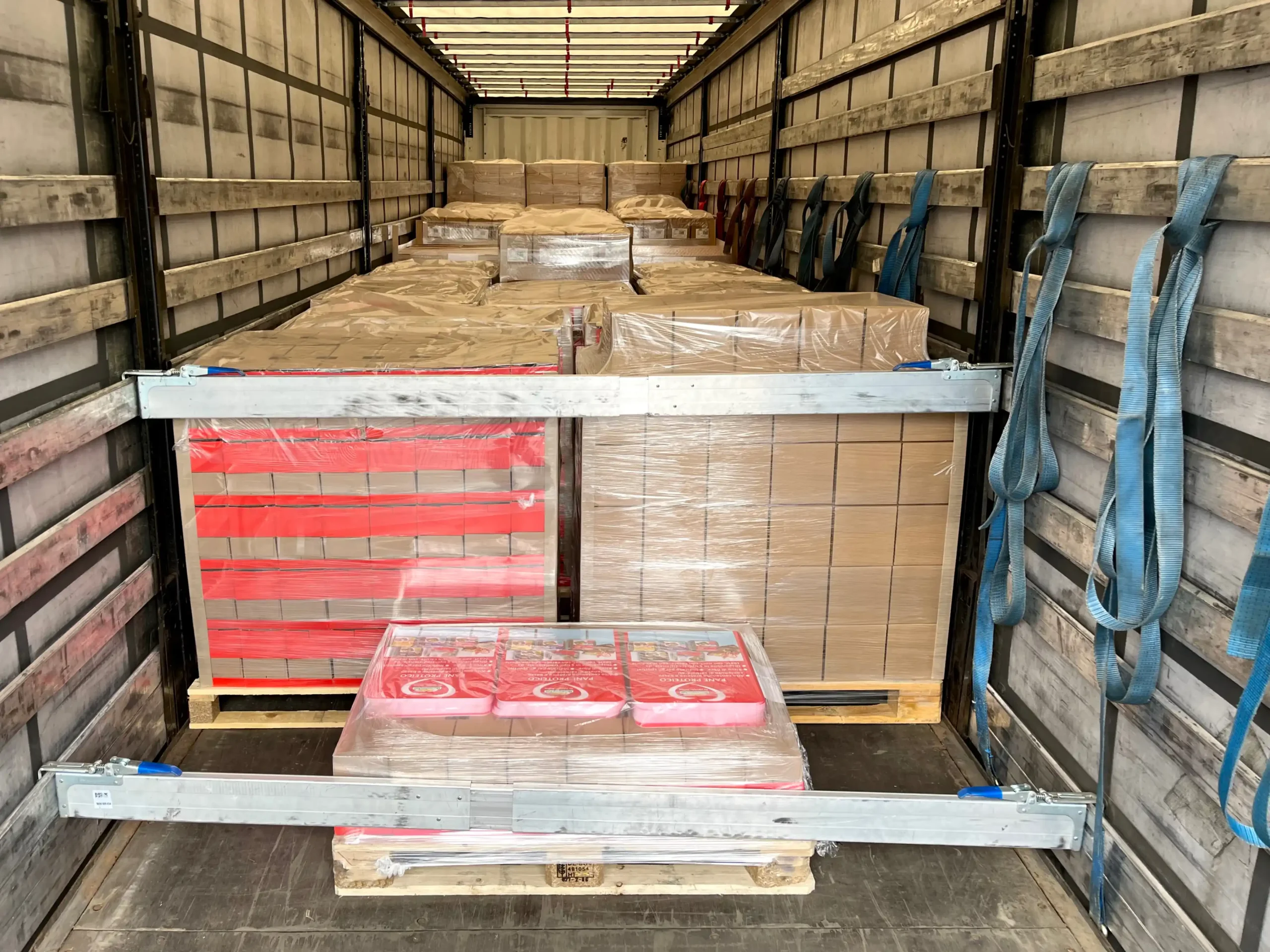
Freight shifting during transit can rupture containers. Inadequate blocking or bracing significantly increases risk.
Documentation Mistakes
Missing Safety Data Sheets slows emergency response. Incorrect labeling leads to improper handling at every stage.
How Can Businesses Mitigate Risk?
Risk mitigation begins before shipping starts. Follow these steps before any hazardous load moves.
Step 1: Confirm Hazmat Classification
Hazmat classification must be accurate for every product. Misclassification is one of the most common compliance failures.
Step 2: Verify Packaging
Ensure that packaging meets DOT HAZMAT Regulations. Every container must match the chemical profile of its contents.
Step 3: Audit Internal Procedures
Internal hazmat storage and handling procedures should be audited on a regular schedule.
Gaps in procedure often go unnoticed until something goes wrong.
Step 4: Review Compliance Records
Verify hazmat compliance records consistently. Confirm all employees hold current Hazmat Training certifications.
Step 5: Build an Emergency Response Plan
Establish a written Emergency Response Plan and practice it annually. Everyone must know their role before a crisis hits.
Step 6: Vet Your Carrier
Partner only with carriers who specialize in hazmat transport. Verify hazmat insurance coverage and safety ratings before committing.
Prevention always costs less than hazmat cleanup.
How Does Jansson LLC Help Protect You from a Hazmat Load Leak?

At Jansson LLC, we understand the full complexity of HAZMAT transport.
Our team works only with carriers who meet strict hazmat safety standards.
Compliance with DOT HAZMAT Regulations and OSHA HAZMAT Guidelines is verified before any shipment moves.
Documentation, including Safety Data Sheets (SDS), is reviewed carefully to reduce error risk.
From hazmat classification to packaging review to carrier selection, every step is handled with prevention in mind.
We confirm hazmat insurance coverage and support rapid response coordination. Hazardous freight is never treated as ordinary cargo.
Unmanaged risk doesn’t stay invisible forever. It surfaces as fines, cleanup bills, and headlines you never wanted.
The true cost of a hazmat load leak is rarely visible until it’s too late.
The best time to prevent a leak is before it ever happens.
Don’t wait for a hazmat load leak to find out where your gaps are.
Book a call with a Jansson LLC expert today.
Together, we’ll review your hazmat transport process, identify vulnerabilities, and build a shipping strategy that keeps your freight and your business protected from the start.