In today’s freight market, intermodal shipping is becoming a go-to strategy for U.S. businesses under pressure.
With fuel prices climbing, driver shortages growing, and capacity tightening, relying on trucks alone just doesn’t cut it anymore.
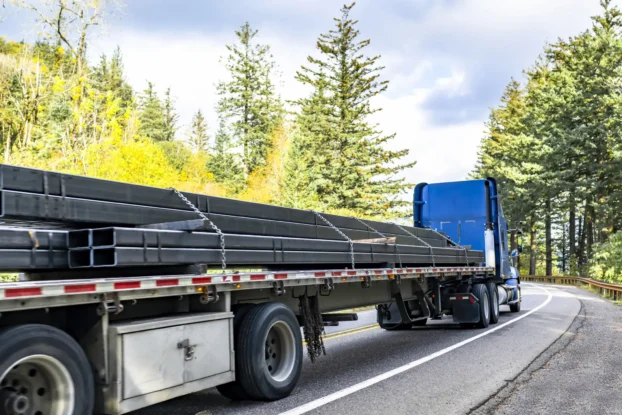
That’s where intermodal logistics (the smart mix of truck + rail) steps in.
Done right, it can deliver major cost savings, improve reliability, and help companies scale more efficiently.
But it’s not a universal fix. Intermodal works best in the right conditions.
This article breaks down what intermodal transportation is, when it makes sense to use it, and why more U.S. businesses should be exploring it now.
What Is Intermodal Transportation?
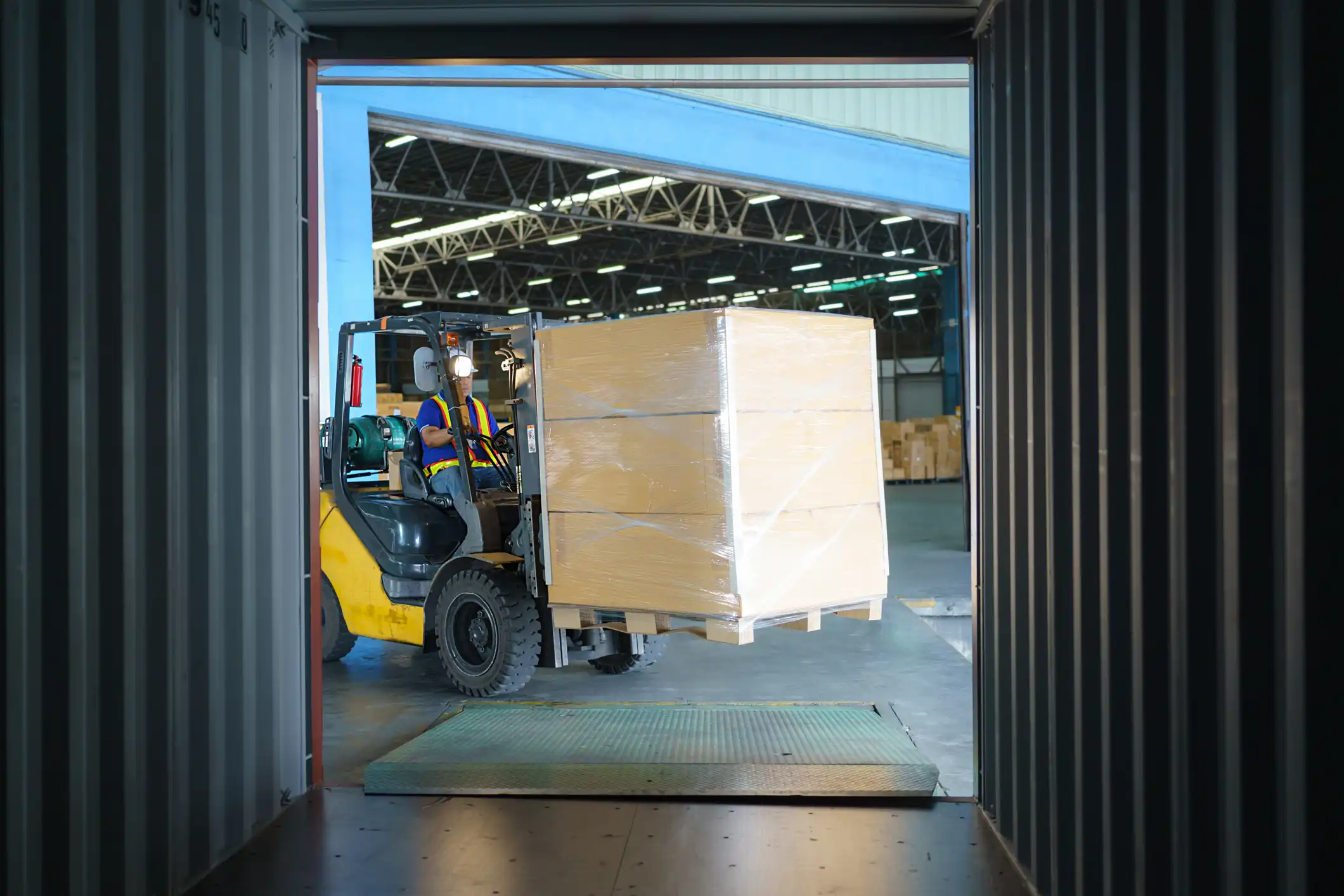
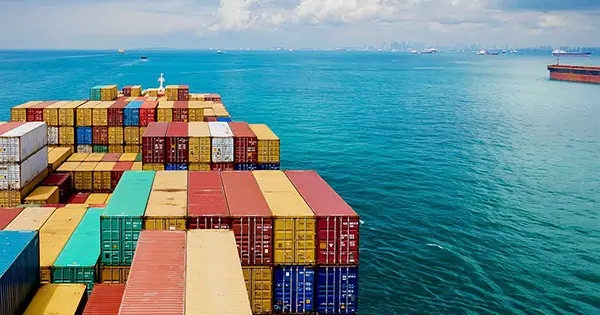
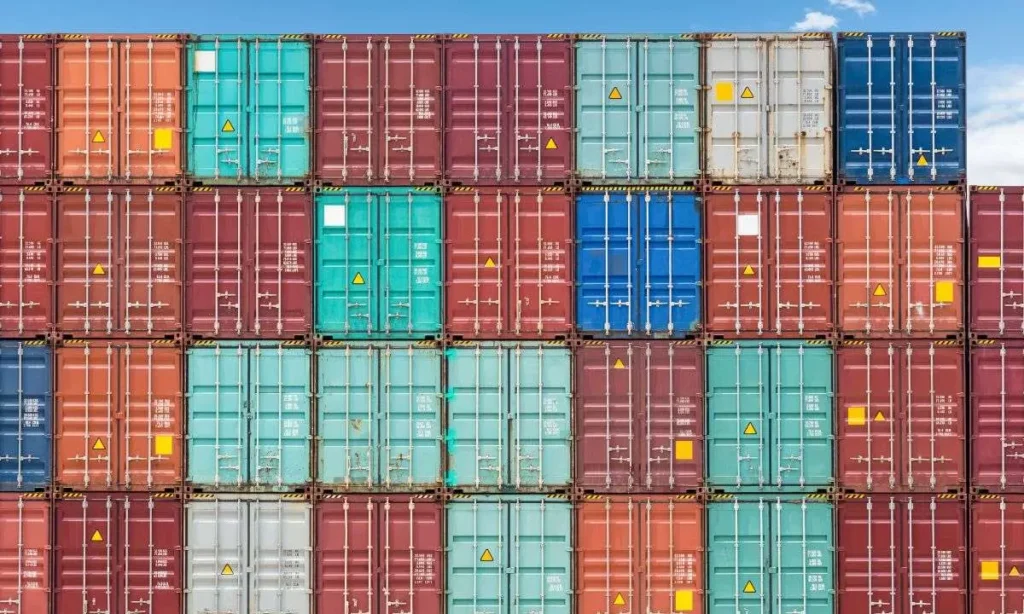
Intermodal transportation is the movement of freight using two or more modes of transport, typically truck and rail, without handling the freight itself when changing modes.
In the U.S., this usually means:
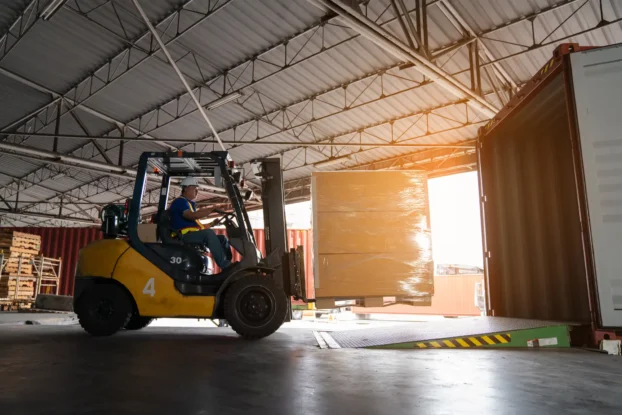
- A truck picks up the container.
- The container is transferred to a train.
- Another truck handles the final delivery.
The freight stays in the same container the whole time. That’s the beauty of intermodal logistics: minimal handling, smoother transitions, and better efficiency.
Why Use Intermodal?
There are a few key reasons U.S. companies are turning to intermodal rail as part of their freight strategy.
1. Cost Savings
This is the big one. Moving freight by rail is cheaper per mile than trucking, especially for long hauls.
For loads traveling over 500 miles, switching from truckload to intermodal can cut costs by 20%–30%.
Rail is also more fuel-efficient, which reduces both fuel spend and emissions.
2. Better Capacity
With ongoing driver shortages and tight trucking availability, intermodal logistics offers more stability.
Rail can move large volumes without the same constraints as the over-the-road market.
3. Long-Haul Advantage
The longer the distance, the better intermodal transportation performs.
If your freight is moving more than 700 miles, you’re likely to benefit from lower costs and greater availability.
4. Sustainability
Rail produces significantly fewer emissions than trucking.
For companies looking to hit sustainability goals or reduce their carbon footprint, intermodal rail is a smart play.
When Does Intermodal Make Sense?
Not every load is a fit for intermodal. However, when the stars align, it can make a real difference. Here’s when to seriously consider it.
1. You’re Shipping 500–700+ Miles
That’s the sweet spot for intermodal transportation. The longer the haul, the more cost-efficient rail becomes.
If both ends of the shipment are near intermodal ramps, you’re in a good position.
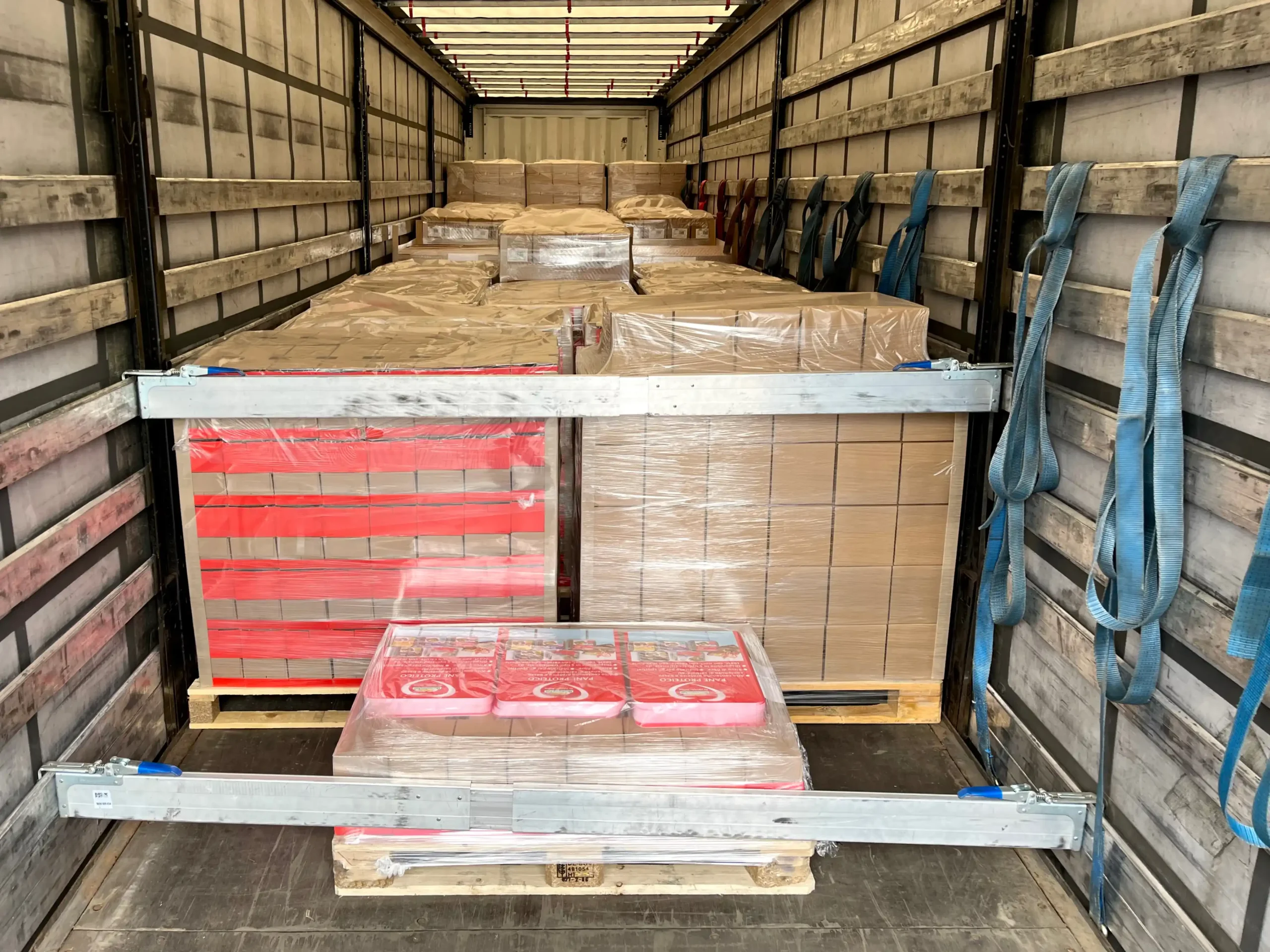
2. Your Freight Fills a 53′ Container
Intermodal logistics works best when you can move full containers.
If your loads are high-volume or high-weight, rail can carry more at a lower cost.
3. You Have Some Flexibility on Transit Time

Intermodal rail might take slightly longer than a direct truckload, often 1–3 extra days.
If speed is critical, a truck may be better. But if you can flex a little on timing, the savings could be worth it.
4. You’re Near a Rail Hub or Inland Port
Proximity to rail ramps matters.
If the first or last leg (the “dray”) is too long or costly, the benefits shrink.
But if your origin and destination are close to intermodal facilities, you’re positioned to win.
5. You’re Trying to Cut Costs or Emissions
Intermodal isn’t just cheaper. It’s greener.
If your business is under pressure to reduce transportation costs or report on emissions, intermodal provides a real solution.
What Should You Evaluate First?
Before you jump into intermodal logistics, make sure you’re looking at the right factors.
1. Watch the Drayage Math
Getting your container to and from the rail ramp isn’t free.
And if those first- or last-mile costs are too high, they can cancel out any savings from the rail portion.
Always evaluate local drayage rates before making the switch.
2. Know Your Load Limits
Not all containers are created equal.
Intermodal units often have different weight and size constraints than standard truck trailers, so make sure your freight fits without issue.
3. Plan for Extra Time
Intermodal rail is consistent, but not as fast as direct trucking. It’s smart to build in an extra day or two to avoid surprises.
4. Consider Cargo Sensitivity
Hazardous materials, temperature-sensitive freight, or high-value items need extra care.
Confirm that your provider can manage those requirements within an intermodal setup.
5. Choose a Proven Intermodal Partner
Intermodal logistics involves more moving parts than a simple truckload, involves various elements, including rail carriers, terminals, dray providers, and tracking systems.
You need a partner who knows how to connect the dots without delays or confusion.
Why the Truck + Rail Formula Works
The numbers don’t lie. When used strategically, intermodal logistics reduces costs, increases freight capacity, and supports sustainability goals.
If your freight is going long distances, has flexibility, and is near rail infrastructure, then intermodal transportation can outperform truckload.
It’s not about replacing trucking but about optimizing your mix.
Intermodal Might Be Your Next Smart Move
Wondering if intermodal logistics could lower your freight costs? If you’re shipping long-haul and looking for better margins, now’s the time to explore your options.
Jansson Knows the Terrain
We specialize in helping U.S. shippers rethink how they move freight.
Our team analyzes your routes, weighs the real numbers, and shows you exactly where intermodal rail can deliver.
Get Clarity. Not Guesswork.
No vague promises.
Just clear, experience-driven insight into whether truck + rail makes sense for your business. You’ll walk away with answers, not more questions.
Talk With an Intermodal Expert

Book a free consultation with Jansson today. One quick conversation could uncover big savings and a smarter way to ship.