
For many small- to medium-sized businesses (SMBs) in the U.S., shipping is more than a back-office function.
It’s a strategic operation that directly affects margins, customer satisfaction, and scalability.
Full truckload and LTL freight shipping are common choices. But intermodal shipping is quickly becoming a smart alternative for SMBs that want to move freight more efficiently, not just cut costs.
But is intermodal shipping the right fit for your business?
Let’s explore what intermodal means and what types of goods it works best for.
In this article, we’ll also discuss five reasons U.S. SMBs should consider using it to improve their logistics strategy.
What Is Intermodal Shipping?
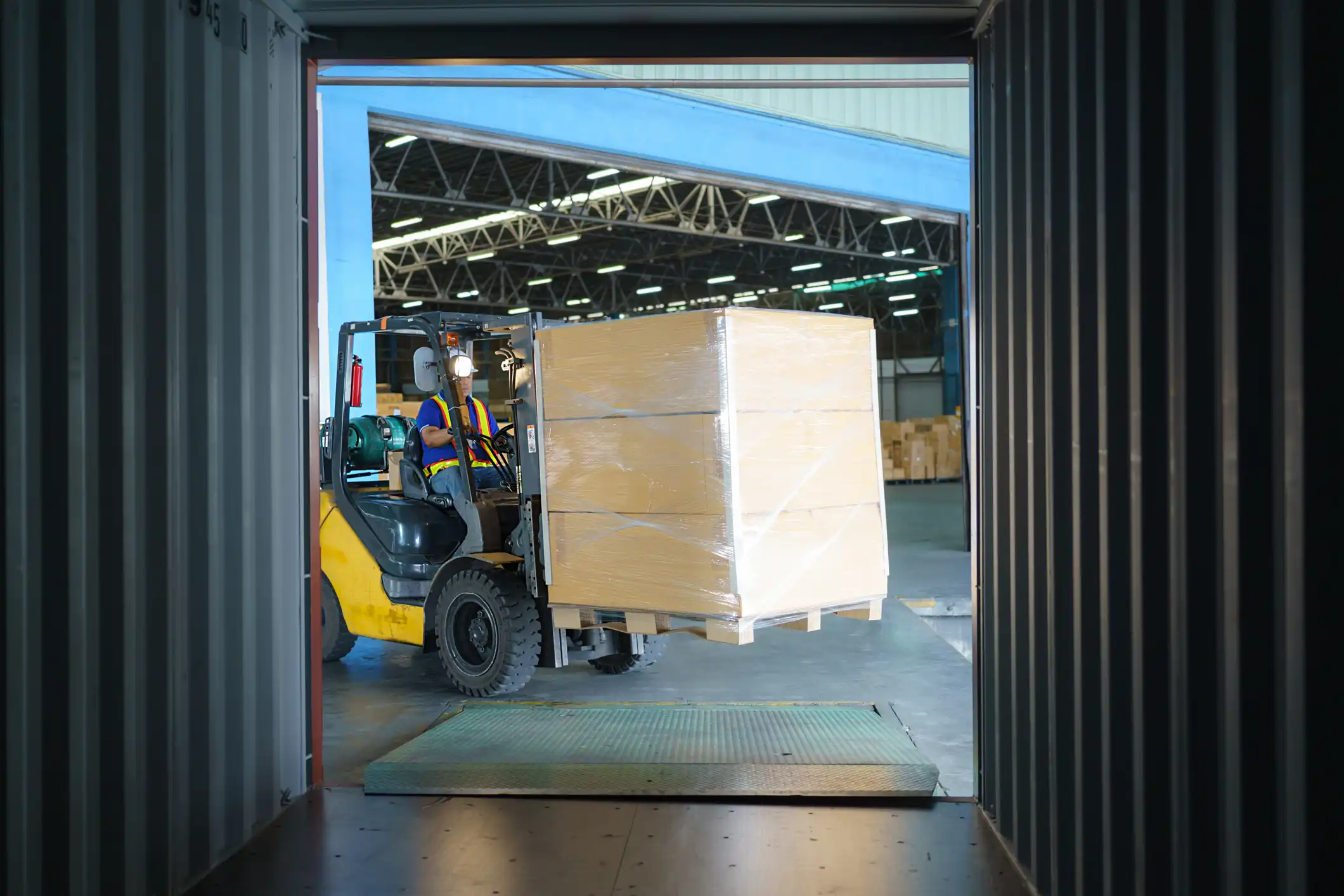
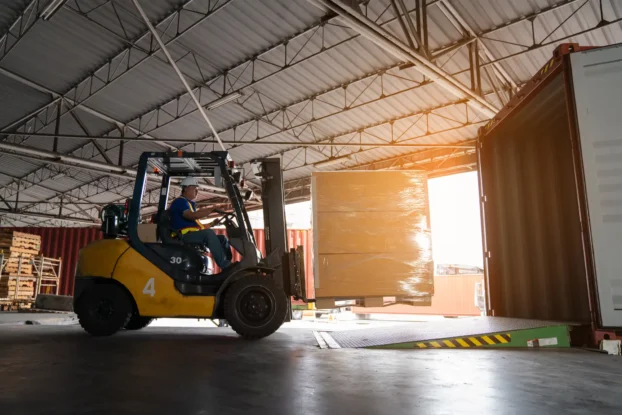
Intermodal shipping is a method of freight transportation that uses two or more modes, typically rail and truck, to move goods in standardized containers.
These containers (often referred to as intermodal containers) remain sealed as they transfer between modes. This reduces handling and minimizes the risk of damage or loss.
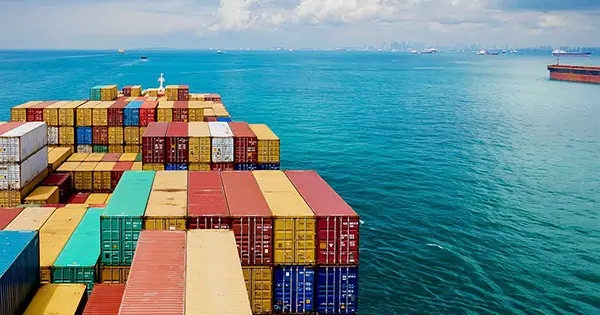
The standard shipping container size is 20 or 40 feet in length, and they come in variations such as tall, wide, ISO, and tank containers, depending on your cargo.
These containers can be moved efficiently across sea, rail, and road without unloading the contents. This gives intermodal shipping its edge in both efficiency and versatility.
For businesses that ship containers regularly across long distances or across regions, intermodal offers a compelling combination of affordability and reliability.
When Is Intermodal the Best Shipping Method for Small- to Medium-Sized Businesses?
Intermodal shipping is particularly effective when you’re transporting freight over 500 miles, especially if it’s not time-sensitive.
It’s also ideal when you want to reduce your reliance on long-haul trucking during driver shortages or high fuel costs.
If your cargo doesn’t require fast turnaround, but you need consistent service and predictable pricing, intermodal is worth considering.
It’s also a great option for freight that fits neatly into standard container sizes and doesn’t require special handling.
In short, intermodal shipping works best when cost efficiency, capacity, and sustainability are key factors.
And when your logistics timeline allows for some flexibility.
What Types of Goods Use Intermodal?
Many small- to medium-sized businesses move goods that are well-suited for intermodal shipping.
These include non-perishable consumer products, industrial materials, packaged goods, appliances, auto parts, building materials, and electronics.
Intermodal is not ideal for highly perishable goods, temperature-sensitive freight, or deliveries that need tight transit times.
For durable products that fit well in standard containers, intermodal offers a cost-effective alternative to full over-the-road transport.
5 Reasons Small- to Medium-Sized Businesses Should Consider Intermodal Shipping
If you’re a small- to medium-sized business exploring better ways to move freight, intermodal shipping offers more than just an alternative to trucking.
It’s a strategic solution that delivers long-term value across cost, capacity, and performance.
1. Lower Freight Costs Without Sacrificing Reliability
One of the biggest advantages of intermodal shipping is cost savings.
Shipping by rail is often more economical than long-haul trucking, particularly when fuel prices are high.
Rail transport also avoids many of the labor constraints affecting the trucking industry, giving SMBs access to more consistent capacity and stable pricing.
Using rail for long distances and trucks for first- and last-mile delivery helps businesses cut costs.
This approach allows containers to move farther for less than full over-the-road routes.
Intermodal also reduces wear and tear on roads, which can mean fewer regulatory restrictions and delays.
2. Reduced Risk of Damage and Loss
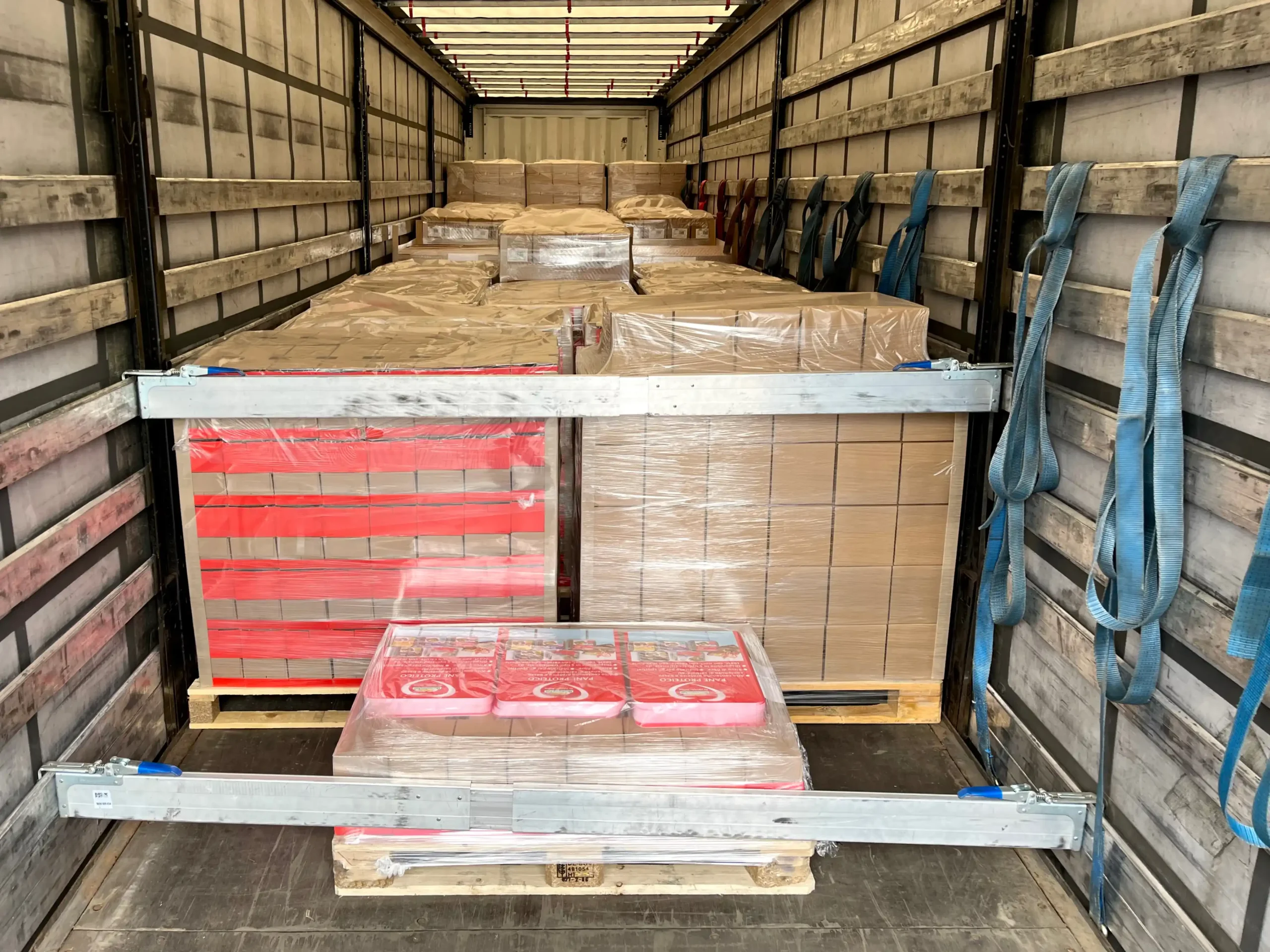
Because freight stays inside a sealed intermodal container from origin to destination, there’s less handling involved compared to other shipping methods.
Fewer handoffs mean fewer opportunities for damage, theft, or misplacement.
This is especially valuable for small- to medium-sized businesses shipping high-value or fragile goods.
When you package and load your freight into a standard container properly, it remains protected throughout its journey, whether by train, truck, or sea.
3. Improved Sustainability
Intermodal shipping is more environmentally friendly than trucking alone. Trains can move one ton of freight nearly 500 miles on a single gallon of fuel.
For SMBs with sustainability goals (or those selling to eco-conscious customers), choosing intermodal transportation is a meaningful way to reduce your carbon footprint.
Intermodal transport is also the greener option because rail produces fewer emissions per mile than trucks. It also supports ESG goals that more businesses are starting to adopt.
4. Scalable Shipping for Growing Businesses
As your business grows, your logistics strategy should grow with it.
Intermodal shipping gives small- to medium-sized businesses the flexibility to scale without committing to large freight contracts or fleets.
Whether you’re moving a few containers per month or scaling to dozens per week, intermodal offers capacity and consistency to support your expansion.
You also gain access to a broader network of carriers and lanes, which helps diversify your supply chain and reduce dependence on any single mode of transport.
5. Access to Broader Geographic Markets
Intermodal shipping opens the door to new regions without drastically increasing your shipping costs.
Because intermodal routes leverage both trucking and rail, you can reach coast-to-coast destinations with greater efficiency.
This is especially useful for small- to medium-sized businesses looking to expand beyond local or regional delivery zones and into national markets.
With the right intermodal provider, your freight can reach key distribution hubs or retailers across the U.S. in a cost-effective and timely manner.
Why More SMBs Are Turning to Intermodal
While intermodal was once thought of as a solution only for enterprise shippers, that’s no longer the case.
More small- to medium-sized businesses are discovering that intermodal shipping isn’t just for bulk cargo or international freight.
It’s a flexible, budget-friendly, and scalable option for domestic freight, too.
Intermodal meaning has evolved. It’s no longer just a logistics term, but a practical, smart choice for SMBs trying to reduce costs, improve consistency, and ship containers safely across long distances.
Shipping freight over 500 miles, facing frequent trucking delays, or aiming to lower transportation costs?
Intermodal trucking may be the competitive edge your business needs.
Let Jansson Help You Tap Into the Power of Intermodal
At Jansson, we work with small- to medium-sized U.S. businesses every day to help optimize their shipping strategies.
Choosing the right shipping method, whether over-the-road, LTL, or intermodal, has a direct impact on performance and overall costs.
The right decision can improve reliability while protecting your bottom line.
Through partnerships with trusted intermodal providers, businesses gain access to seamless door-to-door transportation.
Standard containers and smart routing help reduce delays, improve efficiency, and keep freight moving smoothly from origin to destination.
Whether you’re moving freight by train, truck, or a combination of both, we ensure every load is managed with care and transparency.
Our team helps you assess your freight profile, shipping volume, and timeline to determine if intermodal is the right fit.
And if it is, we’ll guide you through the process with real-time updates, proactive support, and cost-effective planning from start to finish.
Ready to Explore Intermodal for Small- to Medium-Sized Businesses?
Don’t let outdated shipping methods hold your business back. If you’re ready to explore a smarter, more scalable way to move freight, let’s talk.
Book a call with a Jansson expert today. We’ll help you evaluate whether intermodal shipping is right for your small- or mid-sized business.
Let’s build a transportation strategy that grows with you.