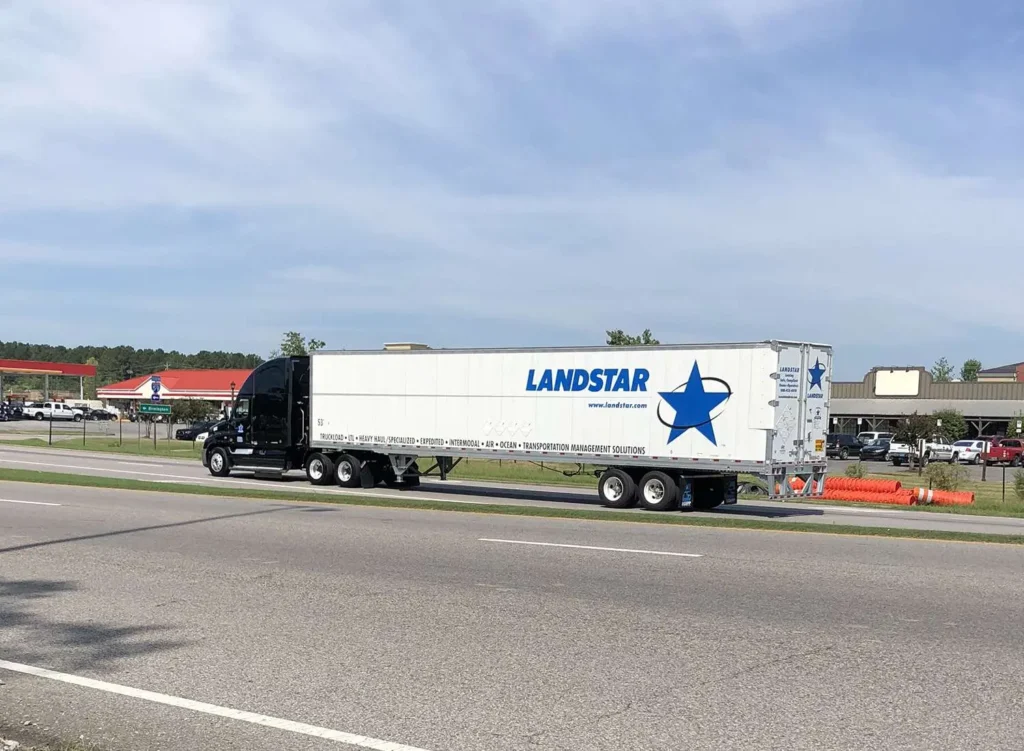
In logistics, details matter. The often-overlooked difference between multimodal and intermodal transport significantly impacts your bottom line.
These two terms are often confused.
But if you’re managing supply chain transportation in the U.S., understanding the difference is more than helpful.
It’s a strategic advantage.
Intermodal vs. Multimodal: The Core Difference
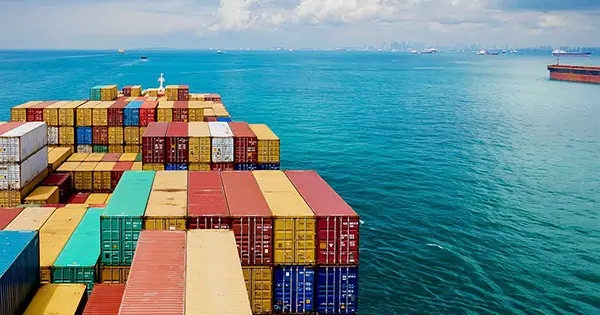
Both systems use two or more transport modes, such as truck, rail, ship, or air, to move goods.
The difference is in how these modes are managed.
Multimodal transport uses a single contract with one logistics provider who manages the entire journey, no matter how many transport modes are involved.
It keeps things simple with one point of contact and one bill to manage.
Intermodal transport, by contrast, involves multiple carriers. Each mode (rail, truck, ship) has its own contract and provider.
While it requires more coordination, it gives you more control and flexibility.
In short, multimodal transport offers simplicity. Meanwhile intermodal transport gives you more control.
And when things go sideways in logistics (as they often do), control wins.
The Advantages of Multimodal Transport
Multimodal transport can be a strong option, especially for international logistics.
It combines different transport modes, like truck, rail, and ship, under one contract and one logistics provider.
This single-provider model offers several key benefits.
Simpler Contracts and Fewer Headaches
With multimodal, you only deal with one logistics company from origin to destination.
That means less paperwork, fewer phone calls, and one invoice instead of several.
For busy supply chain teams, this can save time and reduce admin stress.
Smooth Cross-Border Coordination
Multimodal shines when you’re shipping internationally.
If your freight moves through countries with different customs, laws, and infrastructure, having one provider in charge streamlines the process.
You don’t need to manage separate carriers or handle each country’s requirements on your own.
Fewer Delays and Miscommunications
Because one provider oversees the full journey, there’s less risk of handoff errors between carriers.
Tracking tends to be simpler, and service is often more predictable.
It’s a hands-off approach that works well when reliability matters more than flexibility.
A Good Fit for Simplicity-First Operations
Multimodal transport is ideal for companies that value ease over control.
If you don’t need to adjust carriers or routes mid-shipment, this model can work well.
It’s plug-and-play logistics: hand off your goods and let your provider handle the rest.
But for U.S. Domestic Shipping, There’s a Better Way
When you’re shipping within the U.S., things change.
The domestic logistics network is more connected, more advanced, and more adaptable.
In this environment, intermodal transport gives you more control, better pricing, and stronger performance.
And that’s where the real opportunity lies.
Why Intermodal Transport Is the Better Fit for U.S. Businesses
Although multimodal transport can be helpful, intermodal transport is often a better choice, especially for U.S. freight shipping.
It offers more flexibility, better control, and long-term savings.
Here’s why intermodal is the smarter move.
A Strong Infrastructure Built for Speed
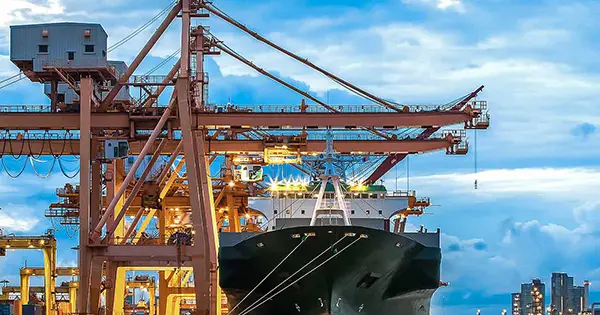
The U.S. has a wide network of intermodal terminals, container terminals, and inland ports.
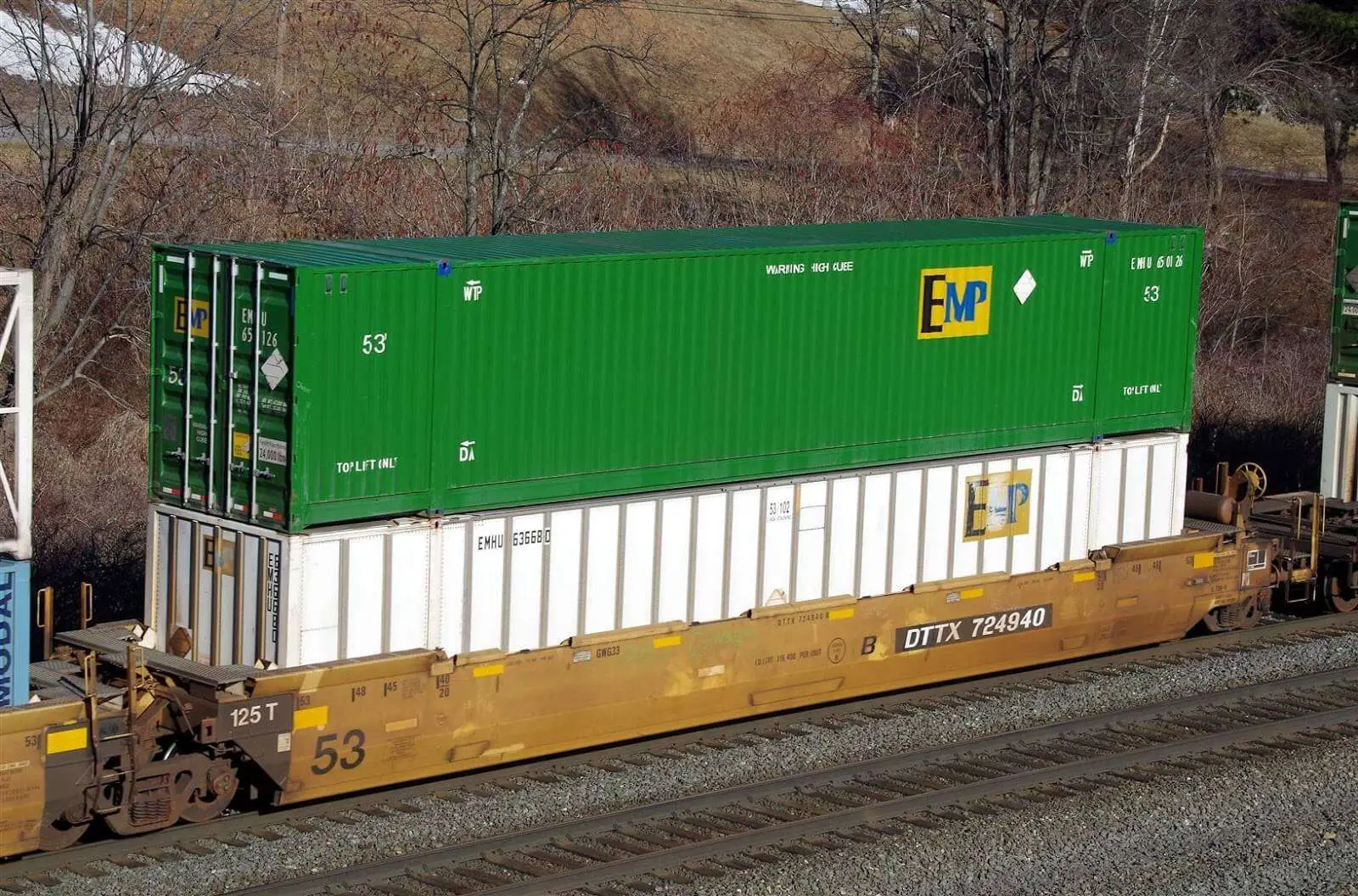
These locations allow containers to shift between truck, rail, and ship without unloading.
Thanks to containerization, freight moves through the entire journey in one sealed unit, which is faster, safer, and with less handling.
That reduces handling, lowers damage risk, and keeps things moving faster.
Lower Costs Over Long Distances
Trucking is great for short hauls, but it’s expensive over long distances.
That’s where rail comes in.
With intermodal freight transport, goods travel by rail for most of the route. Then, it switches to truck for final delivery.
This setup cuts fuel use and lowers costs without slowing delivery. It’s an efficient way to move goods coast to coast.
A Greener Supply Chain
Today, more companies are looking to reduce their carbon footprint shipping. Rail produces fewer emissions than trucks, especially for long hauls.
By shifting more freight to rail, you can cut greenhouse gases and show real progress toward sustainability goals.
This kind of modal shift transport isn’t just good for the planet. It’s good for your brand.
More Control, More Flexibility
Intermodal gives you choices. You can pick the best carrier for each leg of the trip.
If a storm delays a train or a port gets backed up, you can quickly reroute through another intermodal hub. You can also switch drayage services, all without losing time.
You’re not locked into one provider’s plan. That means fewer delays, more accurate ETAs, and more control over your freight.
A Stronger, More Resilient Supply Chain
Logistics disruptions are part of doing business. Delays are inevitable, caused by factors such as weather, traffic, and fuel prices.
The key is having a system that can adapt.
Intermodal lets you stay flexible.
You can make quick changes when needed and keep your supply chain transportation running smoothly.
That’s hard to do with a single-provider multimodal setup.
Intermodal Is the Smarter Long-Term Play
Today’s freight logistics challenges go beyond cost and reliability. Businesses are under pressure to reduce emissions, avoid delays, and manage tight delivery windows.
Intermodal transport helps meet all of these demands.
By shifting long-haul freight from trucks to rail, companies can lower shipping costs and cut their carbon footprint. This is a clear win for sustainability and compliance.
This kind of modal shift transport not only saves money but also supports long-term environmental goals.
Intermodal also helps sidestep congestion at major ports by tapping into inland port networks.
It expands capacity during truck shortages, improves shipment visibility with mode-specific tracking, and builds resilience through flexible routing options.
In short, it’s not just efficient. It’s built for what comes next.
Logistics shouldn’t be harder than it needs to be.
You need a supply chain that’s fast, flexible, and easy to manage without wasting money or time.
That’s where Jansson comes in.
Our roots are in OTR trucking, but today, our solutions go far beyond the highway.
By combining intermodal freight transport with smart strategy, businesses gain better options, stronger service, and more control over their supply chain.
We Help You Save on Every Mile
Fuel costs are rising, and delays are expensive.
Our team plans efficient routes that avoid roadblocks and cut unnecessary mileage.
We know how to blend truck and rail to keep your freight moving and your costs down.
We Handle the Details, So You Don’t Have To
Moving between intermodal hubs, rail yards, and container terminals can be messy.
Unless, of course, you’ve got the right team.
We manage all the handoffs, including drayage services, carrier coordination, and schedules. You get peace of mind and more time to focus on your business.
You Stay in Control the Whole Way
From pickup to delivery, you’ll always know where your freight is.
Our systems give you clear updates and full tracking at every step.
No hidden delays and no surprises. Just visibility that helps you stay ahead.
Your Freight Moves Cleaner, Too
More businesses are being asked to cut emissions. We help you get there.
By shifting long-haul legs to rail, you reduce your carbon footprint shipping without slowing down.
It’s a smart move that supports both your values and your bottom line.
We Treat Every Shipment Like It Matters. Because It Does.
You won’t get passed around from rep to rep.
Our team owns every shipment and takes care of it like it’s our own.
We are there when you need us: by phone, in person, and always on schedule.
Let’s Build a Better Supply Chain Together
Still relying on road-only shipping? You’ve got options. With Jansson, intermodal transport becomes easy, flexible, and built for results.
We’re here to make your logistics work smarter—not harder.
Book a call with a Jansson expert today, and let’s start building a supply chain that works better for your business.