Modern international freight cost management is a necessity because global shipping has never been more complex.
Fuel surcharges are climbing. Carrier rates are shifting. Customs requirements are tightening across major trade lanes.
For U.S. businesses moving commercial freight across borders, the cost of getting products from origin to destination is rising fast.
And yet, many companies are still managing international freight the same way they did five years ago.
That approach is costing them money.
Effective international freight cost management is no longer optional for businesses competing in global markets.
It is a strategic advantage.
The companies that control their cross-border shipping costs outperform competitors on pricing, delivery speed, and margin.
Here is what every U.S. business needs to know about managing international freight costs in 2026.
Why International Freight Costs Are Rising in 2026
Several factors are driving cost increases across global trade lanes.
Fuel prices remain volatile. Brent crude swung by more than 60 percent in a single week in early 2026 amid Middle East supply disruptions.
When fuel surcharges spike, carrier rates follow quickly. For businesses moving frequent international shipments, these fluctuations add up fast.
Port congestion and capacity constraints continue to affect transit times.
Delays at major ports increase dwell time costs and can trigger demurrage and detention fees that catch shippers off guard.
Regulatory changes are also adding complexity.
Customs requirements across the EU, Asia, and Latin America have tightened. Documentation errors now carry heavier penalties and cause longer clearance delays.
For any company building a B2B international shipping strategy in 2026, understanding these pressures is the starting point.
The Hidden Costs Most Businesses Overlook
Surface-level freight quotes rarely reflect the true cost of international shipping.
The full picture goes beyond the carrier rate. It includes fuel surcharges, customs brokerage fees, duties and tariffs, port handling charges, inland transportation costs, and last-mile delivery expenses.
Each of these varies by origin, destination, commodity type, and shipment volume.
Many businesses focus only on the carrier rate. That is a mistake.
Total landed cost covers everything. From origin to final destination, it is the only number that matters for budgeting and pricing.
Without it, margin calculations are incomplete and profit projections are unreliable.
Effective international freight cost management starts with understanding every cost component in the supply chain.
Not just the headline freight rate.
5 Ways to Reduce International Freight Costs Without Sacrificing Service
Companies that manage cross-border freight costs effectively tend to follow similar practices. Here is what works.
1. Consolidate Shipments Where Possible
Shipping less frequently but in larger volumes reduces per-unit freight costs significantly.
Consolidation also reduces customs clearance events, lowering brokerage fees over time.
2. Negotiate Volume-Based Carrier Agreements
Businesses with predictable shipping volumes have leverage. Long-term agreements with carriers lock in rates and protect against market volatility.
A freight agent with established carrier relationships can negotiate access to rates that individual shippers cannot secure on their own.
3. Optimize Your Documentation Process
Customs delays are expensive.
Incomplete or inaccurate documentation causes clearance holds that drive up dwell time costs and delay delivery.
Standardizing documentation workflows and working with experienced customs brokers reduces errors and speeds up clearance.
4. Review Your Trade Lane Strategy Regularly
Not all trade lanes are equal.
Some routes offer better carrier competition, lower port costs, and faster transit times than others.
Reviewing your routing strategy annually, especially as global trade patterns shift, can uncover significant savings.
5. Work With an Experienced Freight Agent
This is where many businesses leave money on the table.
An experienced freight agent brings what most internal teams cannot. Carrier relationships, market intelligence, and operational expertise, all in one place.
They identify cost-saving opportunities, manage carrier performance, and navigate regulatory complexity on your behalf.
For U.S. businesses building a B2B international shipping strategy 2026, partnering with the right freight agent is often the single highest-leverage decision available.
Why International Freight Cost Management Requires a Long-Term Strategy
Global markets change quickly. Carrier rates fluctuate. Trade regulations evolve. New tariffs appear with little warning.
A one-time cost reduction effort is not enough.
International freight cost management is not a one-time effort. It requires ongoing monitoring and regular carrier reviews. When market conditions shift, routing and pricing strategies must follow.
Companies that treat international logistics as a strategic function, rather than an operational afterthought, consistently outperform those that don’t.
These businesses respond faster to market changes. They also absorb cost increases with less impact on their margins.
The result is a stronger, more reliable supply chain built over time.
And that is the real competitive advantage of a well-designed B2B international shipping strategy.
How Jansson LLC Supports International Freight Cost Management
Jansson LLC helps U.S. businesses navigate the complexity of cross-border freight logistics.
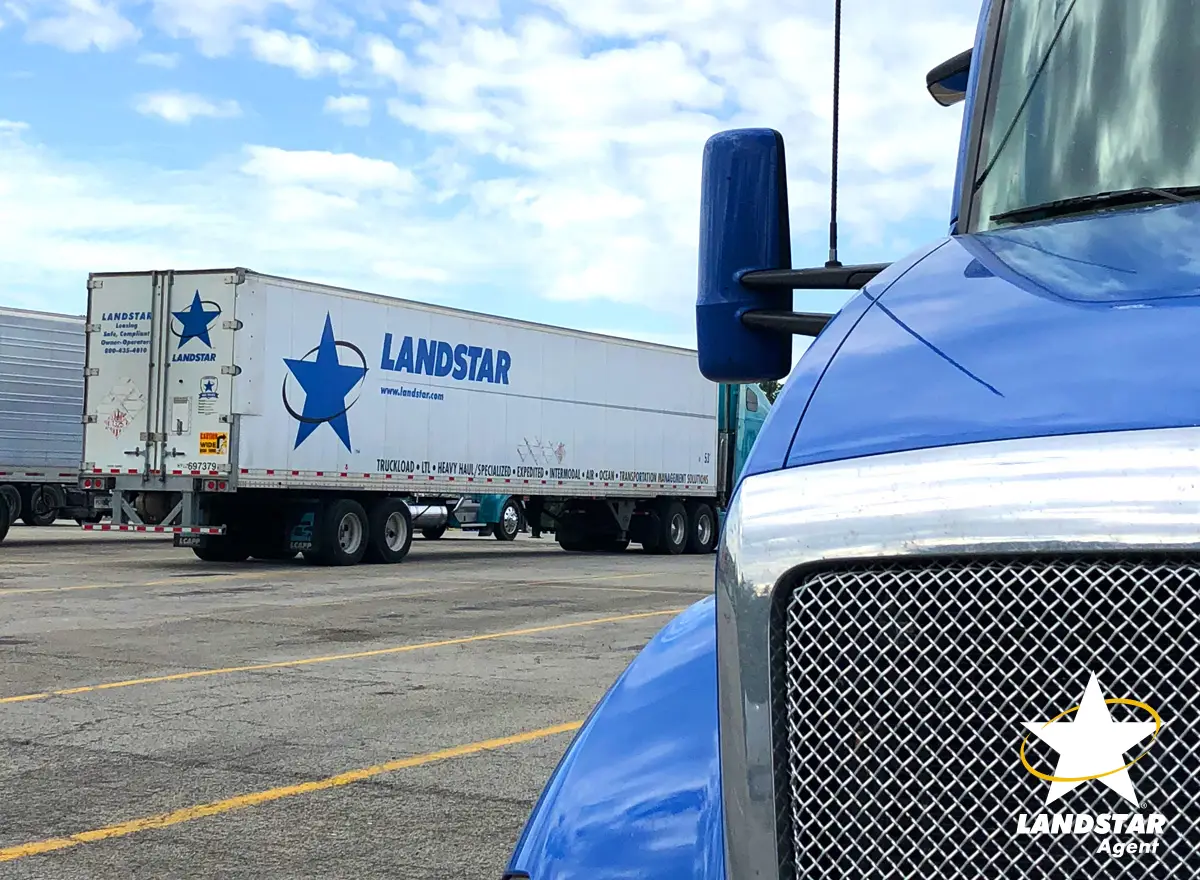
As a Landstar freight agent, Jansson brings an extensive carrier network. Experienced logistics specialists are part of that network too. All of them understand international commercial freight inside and out.
Our team coordinates transportation routes. Documentation requirements are handled end to end. Freight moves efficiently across global trade lanes.
Jansson also brings the right carrier relationships. Our market knowledge runs deep. For businesses focused on international freight cost management, that means real cost savings.
Our approach is built on three principles: reliability, transparency, and proactive communication.
When market conditions shift, we help clients adapt quickly by protecting margins and keeping freight moving.
Commercial freight logistics solutions should work as hard as the businesses that depend on them.
Schedule a call with our Jansson LLC expert today, and let’s talk about building a smarter international shipping strategy for your business in 2026.