Shipping goods across borders opens the door to global growth. However, it also introduces new challenges in international logistics.
For U.S. businesses expanding into international trade, getting that first export shipment right is critical.
From customs compliance to documentation errors to choosing the wrong freight partner, the stakes are high.
That’s why we put together this practical guide. It’s for companies handling international logistics for the first time or improving their process to grow globally.
Here are nine things every business should know before diving into international shipping.
1. Know the Rules Because They’re Not Optional
Before you even prepare your first international shipment, you need to understand export laws, both in the U.S. and in your target country.
U.S. export controls are strict, especially for products with potential military or dual-use applications.
If you skip this step, you’re not just risking delays but also face heavy penalties.
So, do your homework on licensing, restricted country lists, and partner verification.
Don’t assume your product is “safe” to ship until you’ve confirmed it.
2. Customs Documentation Isn’t Just Paperwork
Incorrect or missing documents can stop your shipment cold at the border.
Essential documents for international shipping include the commercial invoice, the bill of lading, the packing list, and the certificate of origin.
Depending on your industry or destination, you may also need product-specific documents or inspection certificates.
International logistics is paperwork-heavy for a reason. Accuracy isn’t optional.
It’s everything.
3. Incoterms Define Your Risk and Costs
Incoterms (International Commercial Terms) determine who is responsible for what, from transportation and insurance to import duties and delivery.
If you’re not using Incoterms correctly, you might unknowingly take on extra liability or cost.
Before booking your first load, clarify whether you’re responsible for customs clearance, duties, or even last-mile delivery.
A small misunderstanding can turn into a costly lesson.
4. Every Country Has Its Own Import Rules
U.S. businesses often focus only on the export side. But what about what happens once your goods land abroad?
Each country has its own regulations, import tariffs, and clearance procedures.
Don’t wait until your shipment is stuck at a foreign port to learn what’s required.
Research local laws or work with a logistics provider who already knows the territory.
5. Choose the Right Mode of Transport
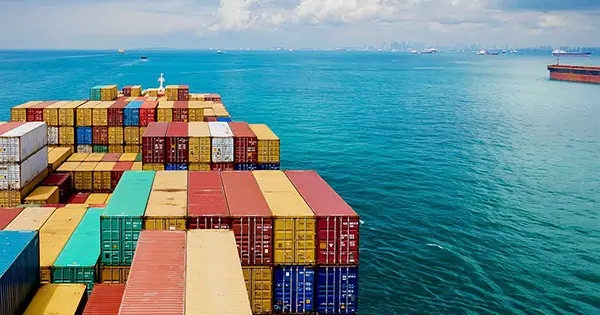
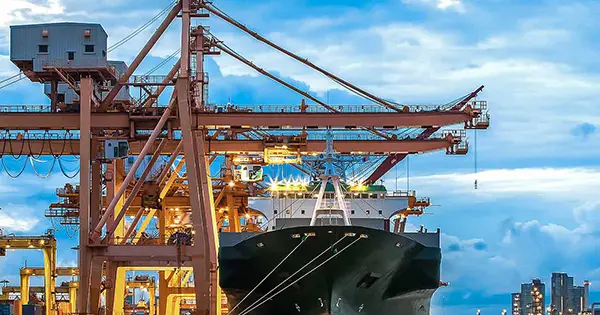
When planning international logistics, it’s important to weigh your transportation options. Air freight is fast, but it comes at a higher cost. Ocean shipping is more affordable, though it takes much longer.
As for road and rail, their usefulness depends on where your shipment is coming from and where it’s going. Geography plays a big role in what’s practical.
Choosing the right cross-border shipping strategy takes careful thought. There’s no one-size-fits-all answer.
You need to consider your product type, shipment size, shelf life, and how fast it needs to arrive.
International logistics is about finding the right balance between cost, speed, and reliability without giving up too much of any one.
6. Insurance Is a Must, Not a Maybe
Your goods may travel thousands of miles, through multiple handoffs and environments.
That’s a lot of room for something to go wrong.
So, it’s best to protect your investment with cargo insurance that covers loss, theft, or damage.
Relying solely on the carrier’s limited liability is a risk no exporter should take.
7. The Right Partner Makes the Difference
Hiring the wrong freight forwarder or customs broker can slow you down or sink your first deal.
Look for international logistics partners with a proven track record, clear communication, and experience with your specific market or product.
This isn’t just about moving boxes.
You need a partner who understands the full landscape of international trade and can help you navigate it without surprises.
8. Packaging Has to Go the Distance
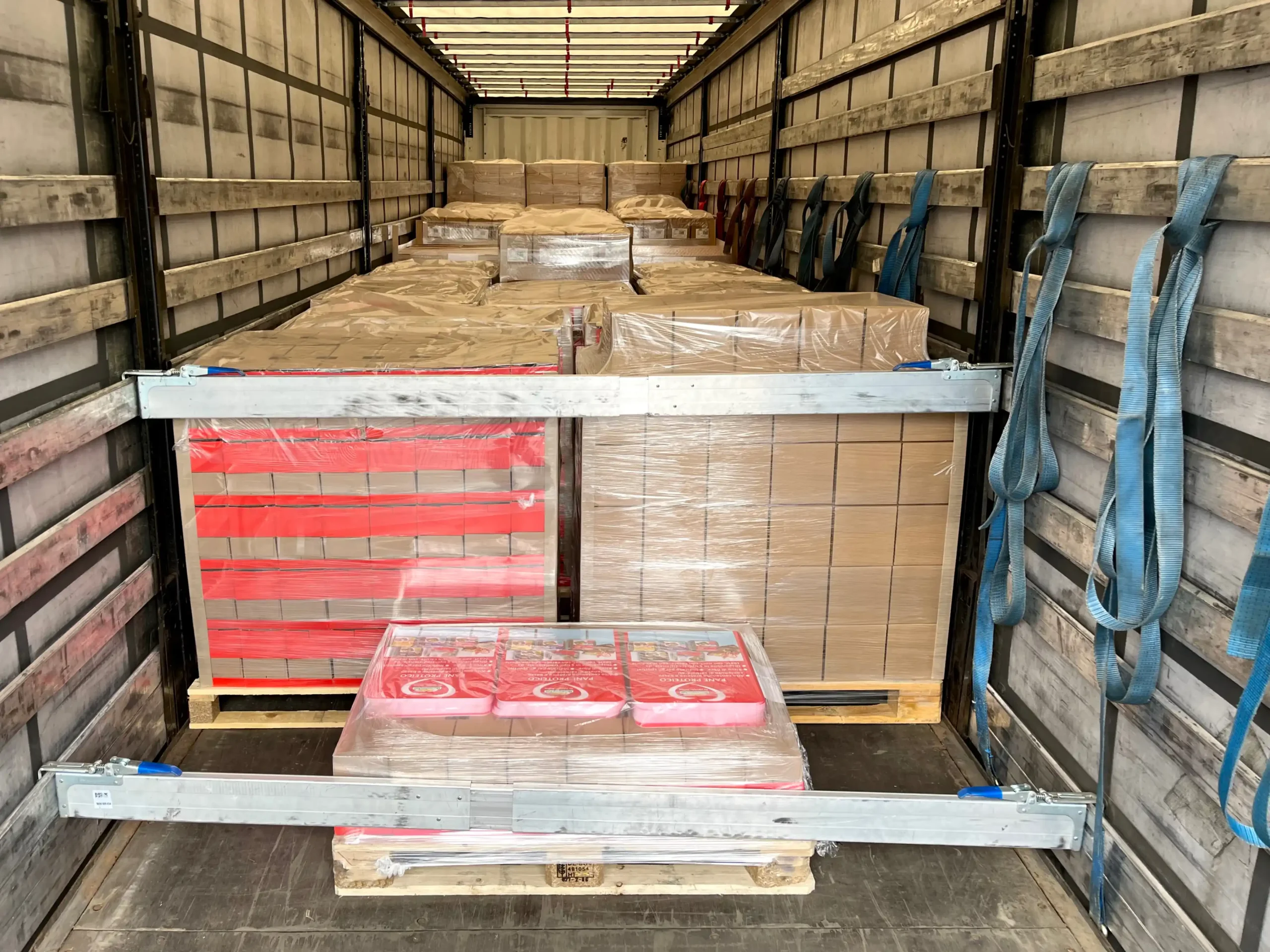
International shipping requires a different approach to packaging than domestic shipping.
When your shipment’s going a long way, it needs to be packed to handle it.
Long transit times, rough handling, and changing climates can all cause damage if the packaging isn’t up to the task.
What works domestically may not withstand the rigors of international transport.
It’s critical to use materials that can withstand stacking, vibration, and moisture.
Ensure clear labeling, tight security, and compliance with international packaging standards, especially for fragile or regulated items.
9. Plan for Delays, Not Just Departures
International shipping is complex, and delays happen.
Port congestion, customs holds, weather disruptions, and political unrest can all impact delivery times.
Build flexibility into your timelines and communicate expectations clearly to your customers.
Building trust requires a realistic shipping plan. An overly optimistic one will inevitably lead to problems.
What to Know Before Starting International Logistics in Your Supply Chain
Before you export, take a step back and assess how international logistics fits into your bigger supply chain strategy.
Are your inventory levels ready to support longer lead times? Can your team handle new documentation processes?
Do you have visibility into international transit points?
The more prepared you are before you ship, the less reactive you’ll need to be once it’s in motion.
Start Your Global Journey with Confidence
At Jansson, we know how much is riding on that first international shipment. There’s less room for error when your freight crosses borders.
Domestic Know-How, Global Reach
We bring the same reliability and attention to detail from our U.S. freight operations into every international logistics move.
Strategy Over Guesswork
Moving your freight is just the start. Our team also helps you plan the smartest, most efficient way to ship it.
That includes carriers, handoffs, and timing.
Help with the Details That Matter
From customs paperwork to packaging advice, we’re in your corner with real-world guidance every step of the way.
Full Visibility, No Surprises
You get live updates, clear timelines, and direct communication.
No guessing where your freight is or when it’ll land.
We Treat Your Freight Like It’s Ours
Every load matters to us.
Whether it’s headed to Canada or across the globe, we take personal ownership from pickup to delivery.
Ready to Tackle International Logistics with Confidence?
Let’s turn your export plan into a strong, stress-free part of your business.
Book a call with a Jansson expert today and see how smart, scalable logistics can open the door to global growth.