LTL freight is not automatically fully covered when it ships and that assumption is one of the most expensive mistakes in logistics.
Most business owners believe their shipment is protected.
However, it’s not most of the time.
Carrier liability and cargo insurance are not the same thing.
The gap between them can cost your business thousands of dollars on a single shipment.
Here are five hidden truths every CEO and business owner needs to know before their next LTL shipment.
Truth 1: Carrier Liability Is Not Insurance
This is the most important distinction in LTL shipping.
Carrier liability is a legal obligation. Insurance is financial protection. These are very different things and confusing them is costly.
When a carrier accepts your LTL freight, they accept limited legal responsibility up to a very low limit.
That is it.
Full replacement value is not guaranteed. Only a fraction of it is.
Under the Carmack Amendment, which is the U.S. federal law governing freight carrier liability, carriers can limit their responsibility to as little as $0.50 per pound.
Protection is not based on the value of your shipment. It is based on weight.
Truth 2: The Payout Is Based on Weight, Not Value
Here is where most shippers get hurt.
A $10,000 piece of equipment weighing 50 pounds might only receive $50 in carrier liability coverage.
That is not a typo.
Your $10,000 shipment could be covered for just $50.
Depending on the carrier, limits range from $0.15 to $25 per pound.
For high-value or lightweight goods, such as electronics, medical devices, machinery components, the gap between what you lost and what you recover can be enormous.
Confidence in your carrier does not close that gap. Only proper insurance does.
Truth 3: Many Damage Scenarios Are Not Covered at All
Even when carrier liability applies, significant exceptions exist.
The Carmack Amendment carves out significant exceptions. Carriers owe nothing for damage caused by acts of God.
Improper packaging by the shipper removes carrier responsibility entirely. Government actions and the inherent nature of the goods are excluded too.
A storm damages your shipment in transit? The carrier owes you nothing.
Packaging is deemed inadequate—even slightly? The carrier can reject your claim entirely.
There is also no official deadline for settling a claim.
The process can drag on for months while you wait on inventory, your customers wait on orders, and your cash flow takes the hit.
Truth 4: LTL Freight Faces More Risk Than You Think
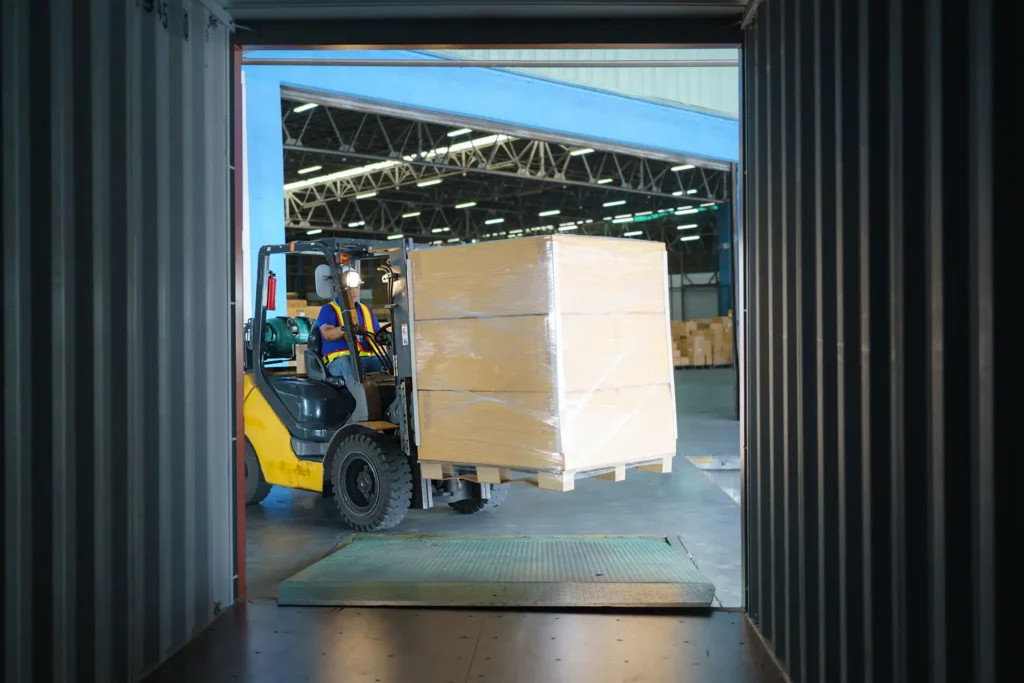
LTL shipping involves significantly more handling than full truckload shipping.
Your freight shares space with other shipments. It passes through multiple terminals.
Loading and unloading happen several times before it reaches the final destination.
Each additional touchpoint is another opportunity for damage, which is a risk that does not exist in direct truckload shipping.
Without proper LTL freight coverage, the financial exposure from even one damaged shipment can be significant.
Truth 5: Full Coverage Costs Far Less Than You Think
Here is the good news. Proper LTL freight insurance is affordable.
Freight insurance typically costs around 1% of the commercial invoice value.
For a $10,000 shipment, that is roughly $100 to $200 in premium, compared to as little as $50 in carrier liability coverage for the same load.
The math is simple.
For a small percentage of your shipment’s value, you eliminate the guesswork entirely.
A $10,000 shipment gets $10,000 in coverage.
Not $50, not $500, but the actual declared value.
Purchasing cargo insurance is the only way to ensure reimbursement for the full value of your shipment.
What to Do If Your Freight Is Damaged
Acting fast matters. Document everything before signing the delivery receipt.
Photograph the packaging and the damage from multiple angles. Note any damage on the bill of lading before signing.
Contact both the carrier and your insurance provider within 24 hours to begin the claims process.
Never sign a delivery receipt as “clear” or “good condition” if any doubt exists.
Once you sign clean, your claim becomes significantly harder to pursue.
Carrier Liability vs. Freight Insurance: A Quick Comparison
Understanding the difference clearly helps when making coverage decisions.
Carrier liability calculates payouts based on weight (typically $0.50 to $25 per pound) and does not cover acts of God.
No cost is added to your shipping invoice, but claim timelines have no official deadline and can stretch for months.
Freight insurance calculates payouts based on your declared shipment value, covers acts of God under most policies, and typically costs around 1% of shipment value.
Claims are usually resolved within 30 to 60 days.
The difference in protection is significant. The difference in cost is not.
How Jansson LLC Protects Your LTL Freight
Understanding carrier liability is step one. Having the right partner to navigate it is step two.
Jansson LLC is a Landstar freight agent helping U.S. businesses ship LTL freight with confidence.
Before any shipment leaves the dock, Jansson helps you understand exactly what your carrier liability covers and where the gaps are.
The right protection gets put in place before it is needed.
Through the Landstar network, Jansson connects clients with a strong LTL carrier network and the expertise to build a smarter, safer LTL shipping strategy.
Because the worst time to find out your freight was not properly covered is after a claim is denied.
Schedule a call with Jansson LLC today and let’s review your current LTL freight coverage before your next shipment leaves the dock.