In the world of LTL shipping, packaging isn’t just a detail but a core part of your delivery strategy.
For U.S. businesses moving small-to-mid-sized shipments, the way you package your freight can reduce damage, avoid costly delays, and protect your bottom line.
LTL stands for less-than-truckload shipping. Unlike full truckload shipments, your freight shares space on a trailer with cargo from other businesses.
That shared space adds efficiency but also introduces some risks, like increased handling and movement during transit.
That’s where LTL packaging plays a critical role. Done right, it ensures your goods arrive intact, protected, and on time.
Done wrong, it could lead to damage claims, customer dissatisfaction, or even rejected deliveries.
Below, we break down what LTL packaging means, how it fits into your shipping strategy, and seven best practices to help you get it right.
What Is LTL Packaging?
LTL packaging refers to the methods and materials used to prepare freight for less-than-truckload (LTL) shipping.
Because your freight will be handled multiple times (such as being loaded and unloaded at terminals or during transfers), packaging must be secure, durable, and easy to identify.
It’s not just about wrapping a box or slapping on a label. The right packaging method protects your shipment through every handoff.
Proper LTL freight shipping prep includes using pallets or crates, shrink wrapping, labeling, and securing your cargo to reduce the risk of damage or loss.
If your freight isn’t packaged with LTL in mind, even the best LTL provider can’t guarantee smooth delivery.
What Is the Best Way to Ship LTL?
The safest and most efficient way to ship less than truckload (LTL) freight is to plan for how your shipment will be handled, not just where it’s going.
Unlike full truckload shipping, LTL involves multiple touchpoints.
Your freight may be transferred between vehicles, sorted at terminals, and loaded with other shipments.
Each move introduces an opportunity for damage, delays, or mishandling.
That’s why LTL packaging must account for more than just size and weight.
Think about your freight’s orientation.
Does it need to remain upright? Is it fragile, high value, or “top load only”?
These factors should influence how your items are crated, labeled, and secured.
The best approach to LTL shipping combines proper packaging with smart labeling and clear communication.
When your freight is protected and identified correctly, it’s more likely to move safely through the network and reach its destination on time.
7 Ways to Package LTL Freight the Right Way
When it comes to LTL packaging, preparation is everything.
Because your shipment will likely be handled multiple times along the way, how you package it can make or break its safe arrival.
Here are seven essential ways to package properly for LTL shipping and reduce the risk of damage or delay.
1. Use Crates and Pallets the Right Way
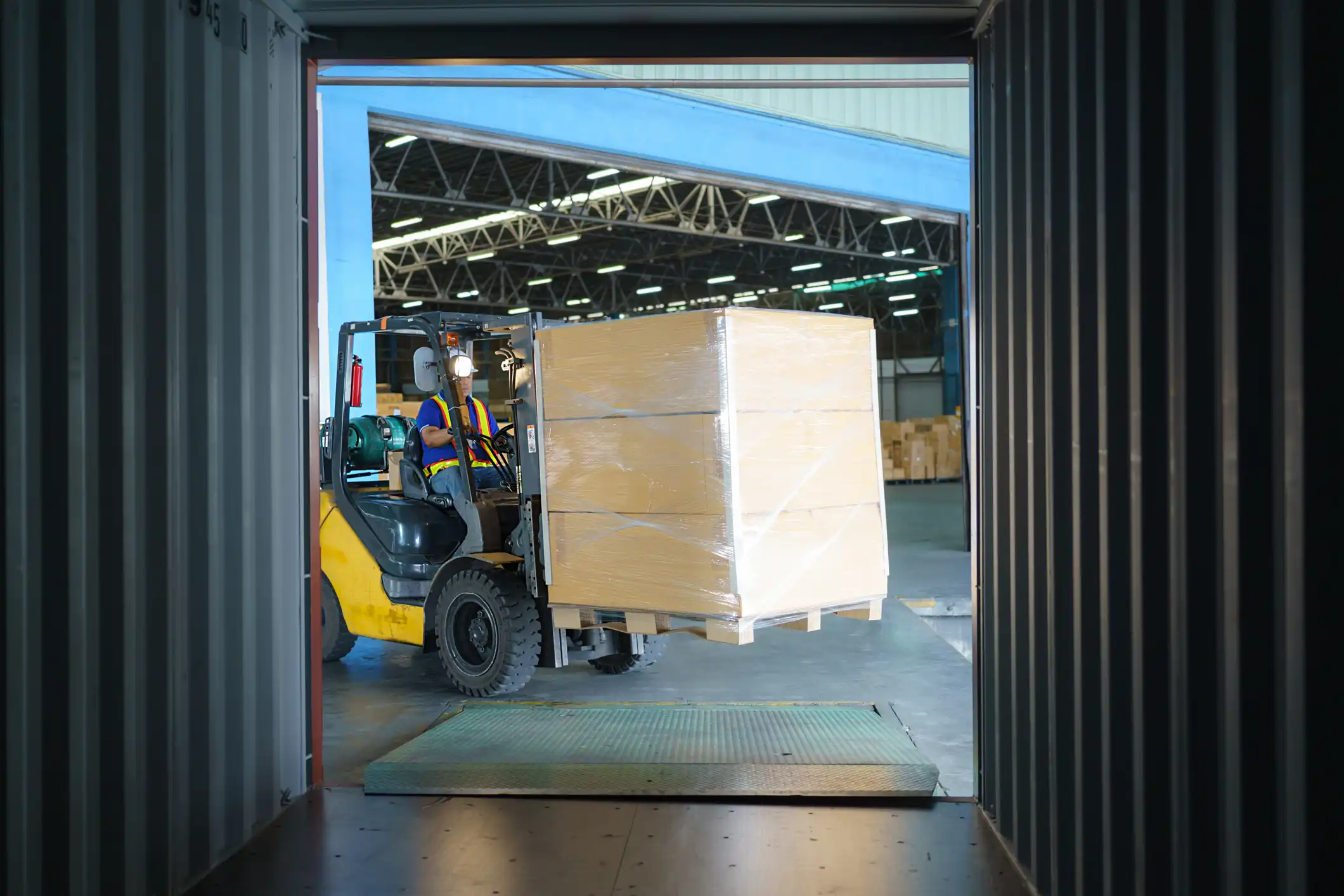
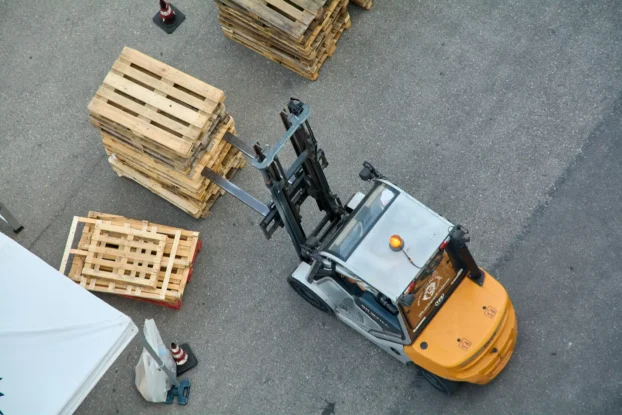
Using crates and pallets provides a strong base and helps your shipment move easily with forklifts.
But it’s not enough to just toss boxes on a pallet.
You need to distribute weight evenly, stack cartons neatly, and choose pallets that aren’t damaged or warped.
Palletized freight should never overhang, as this invites damage.
Crates offer even more protection for fragile or high-value cargo and may be worth the extra cost if your goods require extra care.
2. Secure Everything for Movement
Your shipment will move. A lot.
That’s why securing your freight tightly is non-negotiable.
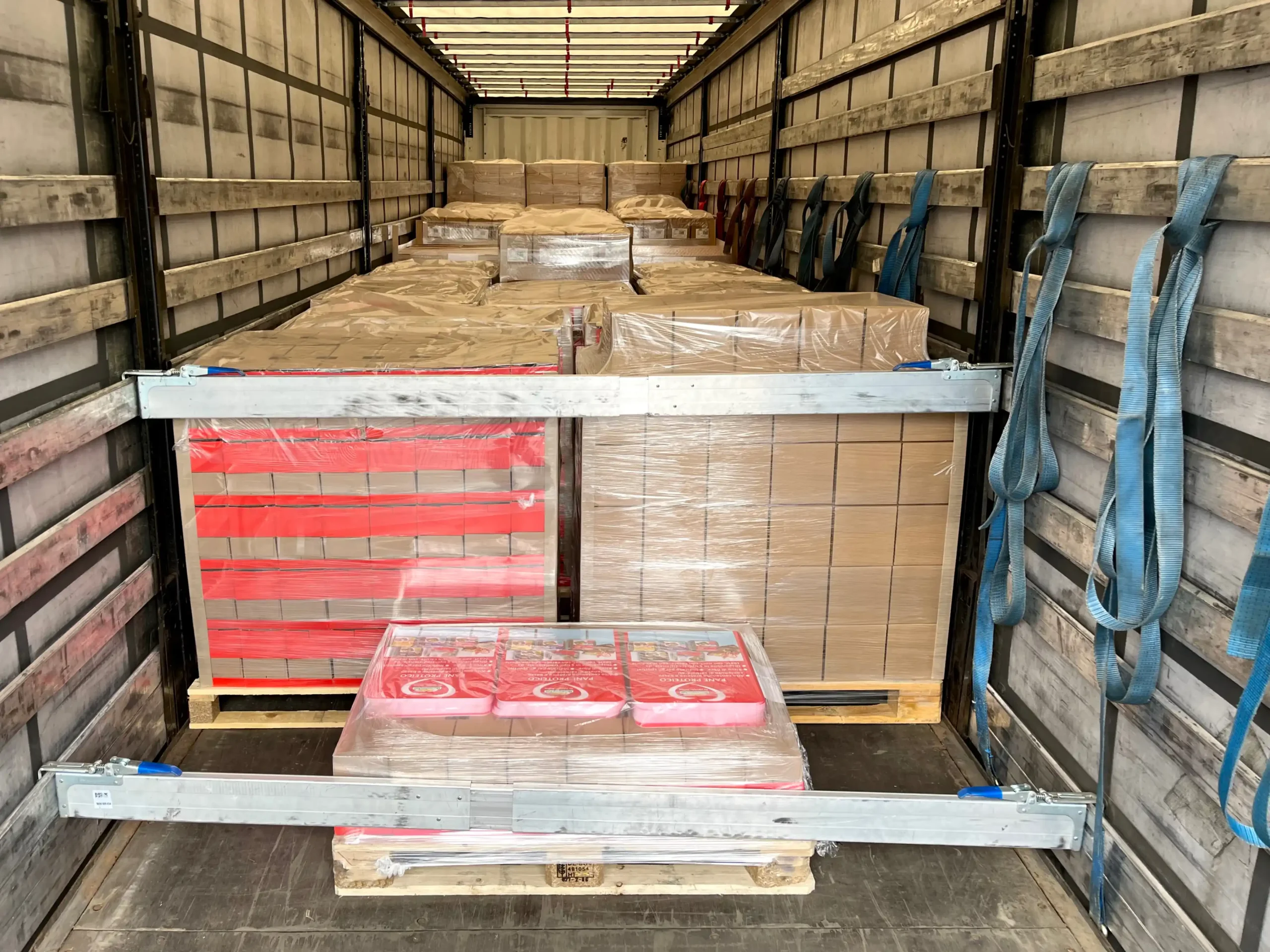
Use industrial-grade shrink wrap, corner boards, and straps to bind your boxes to the pallet or secure your crate.
This prevents shifting, tipping, or sliding during transit.
Packaging properly for safety helps avoid damage claims and keeps the entire load stable inside the trailer.
3. Choose Packaging Materials That Fit the Freight
Don’t under-package.
Lightweight boxes may collapse under pressure, and improperly sealed containers invite moisture or contamination.
Use double-walled corrugated boxes, plastic wrap, foam inserts, or bracing as needed.
The top shipping mistake businesses make is using packaging materials that don’t match the freight’s needs.
4. Label Clearly and Consistently
LTL shipments are grouped and separated at various points. Without clear labeling, your freight could be misrouted or delayed.
Every pallet or crate should have matching labels that include your business name, contact information, origin and destination addresses, and any special handling instructions.
This keeps your shipment traceable and speeds up sorting.
5. Know Your Freight Class
Freight class is a major factor in LTL freight shipping costs. It’s based on density, handling, stowability, and liability.
If your packaging affects the size or handling characteristics of your shipment, it could push you into a higher (more expensive) freight class.
Understanding your class helps you avoid surprise charges and makes it easier for your LTL provider to plan accurately.
6. Avoid Overhanging or Irregular Shapes
Irregular freight can be harder to stack and stow, which may lead to extra fees or damage risk.
If possible, consolidate odd-shaped items or use custom crates to create a uniform shape. This makes loading easier and safer.
Choosing the right shipping method sometimes means modifying how your freight is prepared to better fit within the LTL ecosystem.
7. Document and Photograph Before Pickup
Before the carrier arrives, take photos of your packaged freight from different angles.
This provides a record in case of damage claims later.
Also, keep copies of your bill of lading, packing list, and any special instructions.
It’s a small step that gives you leverage and peace of mind.
Why LTL Packaging Matters for U.S. Businesses
For many U.S. companies, LTL shipping is the sweet spot between cost and flexibility.
But with it comes more touchpoints and more room for error.
Improper packaging is a top mistake in less-than-truckload (LTL) freight.
And when something goes wrong, you lose more than a box.
You lose time, money, and potentially a customer.
That’s why investing in good packaging isn’t an expense.
It’s part of choosing the right shipping method.
Let Jansson Help You Get LTL Packaging Right
At Jansson, we work with U.S. businesses every day to improve their LTL shipping performance. We know how important proper packaging is.
Not just for safety, but for your overall logistics success.
Packaging Guidance That Protects Your Freight
At Jansson, we support U.S. businesses with more than just transportation.
We help you understand the full picture, from how to package for safety to how packaging choices can affect your freight class and costs.
Our team is here to make sure your freight gets the protection it needs every step of the way.
A Network of Trusted LTL Providers
We don’t work with just anyone.
Jansson partners with LTL providers who prioritize care and quality at every handling point.
That means your LTL shipments are moved by carriers who understand the importance of packaging properly for safety.
Freight Treated Like It’s Our Own
Your freight matters to your business, and it matters to us.
Whether you’re moving a small number of pallets or coordinating weekly less-than-truckload (LTL) shipping, we apply the same care and attention we give our own loads.
With Jansson, you’re never just another ticket in the system.
Support That Scales With Your Business
As your shipping needs grow, so do we.
Whether you’re expanding across regions or simply optimizing your current LTL shipping strategy, Jansson gives you scalable, strategic support designed to reduce risk and improve performance.
Ready to Ship Smarter?
If you’re tired of dealing with damaged freight or packaging guesswork, it’s time to upgrade your approach.
Jansson helps U.S. businesses master LTL packaging and move goods with confidence.
Book a call with a Jansson expert today. Let’s talk about how we can improve your less-than-truckload (LTL) shipping from the ground up, starting with your packaging.