When it comes to shipping freight across the U.S., one question always comes up. Should you choose LTL shipping (less-than-truckload) or FTL shipping (full-truckload)?
The answer depends on your shipment size, timing, budget, and logistics needs.
However, when cost-effectiveness is the priority, LTL shipping often emerges as the smarter choice.
This is especially true for businesses managing small to mid-size loads regularly.
Let’s walk through both options and explain why LTL shipments may offer the most efficient return on your freight spend.
What’s the Difference Between LTL and FTL Shipping?
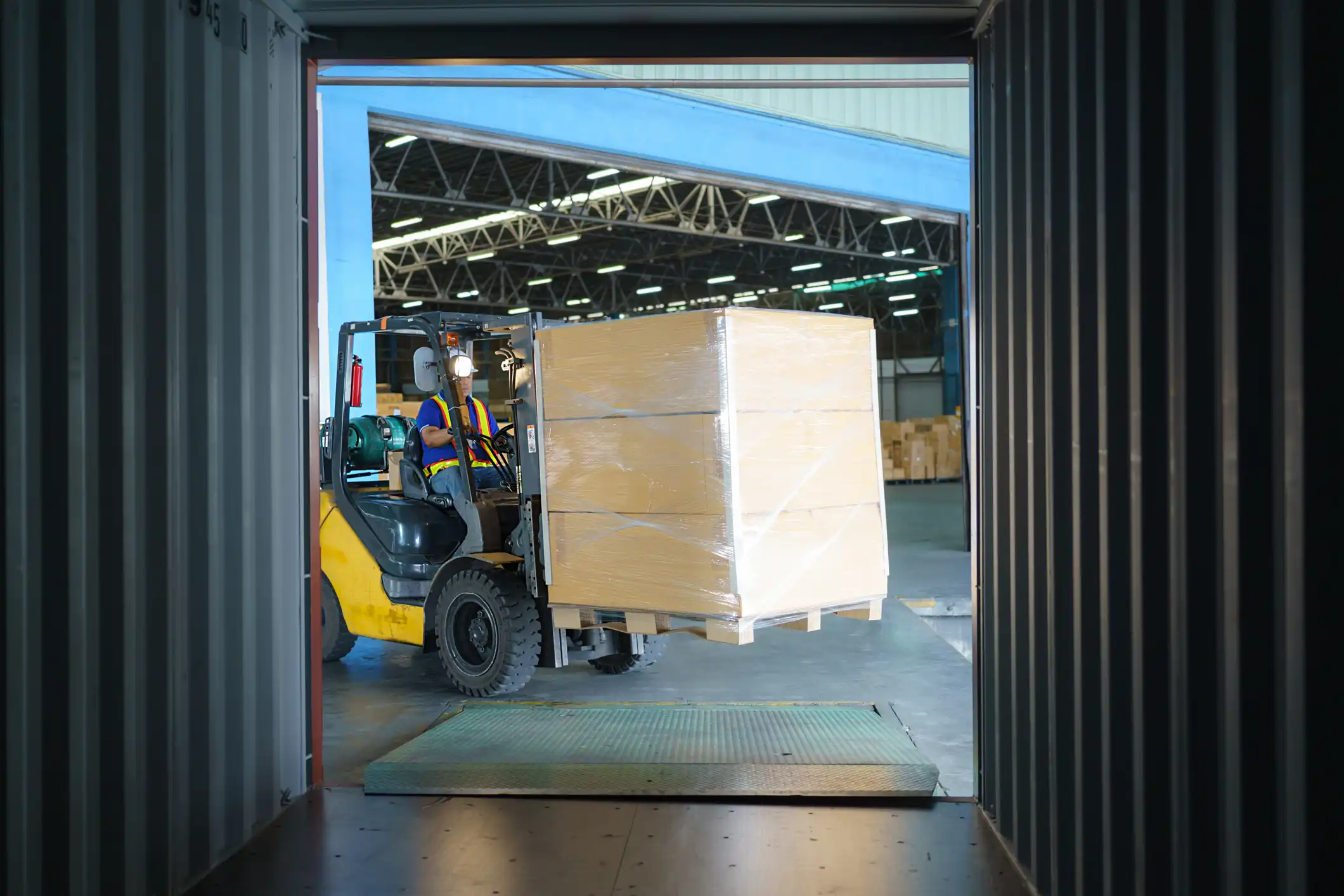
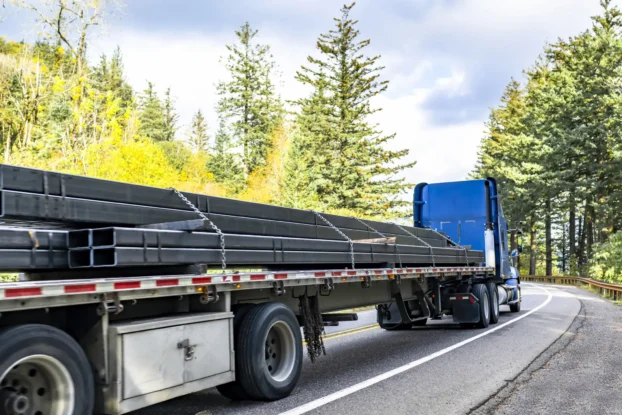
FTL shipping means your freight is the only cargo on the truck.
The trailer is entirely dedicated to your goods. This means point-to-point delivery with no other stops or cargo mixed in.
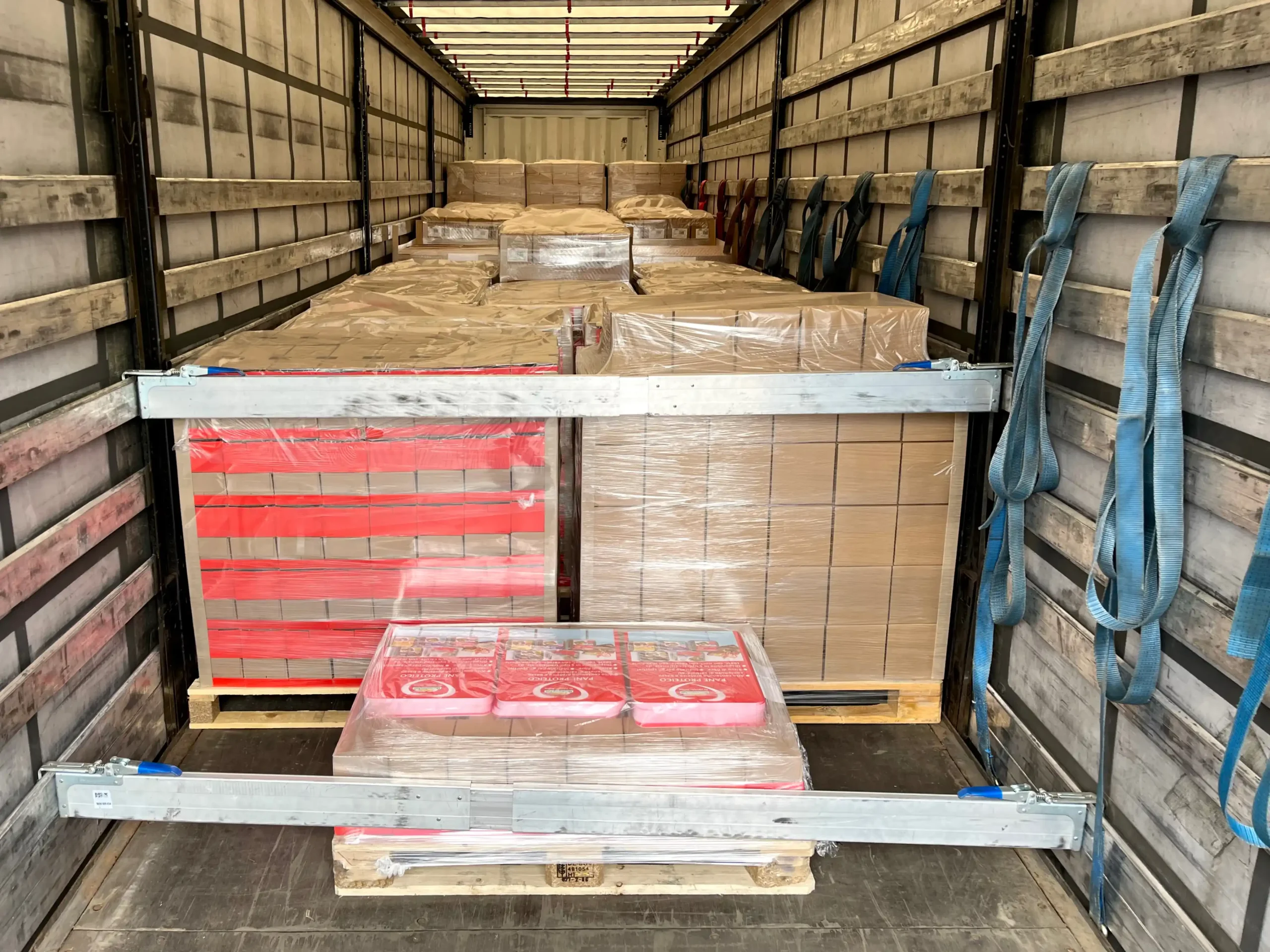
LTL shipping, on the other hand, lets you share truck space with other businesses.
You only pay for the portion of the trailer your freight occupies. The truck will make multiple stops to load and unload various shipments along the route.
Each option serves a purpose. However, if you’re aiming to reduce shipping costs without sacrificing reliability, LTL shipments can give you a flexible, affordable edge.
Why LTL Shipping Makes Financial Sense
For shipments under 4,000 pounds or smaller than 6 pallets, LTL shipping is the clear economic winner.
You’re not wasting money on empty trailer space.
Additionally, you get the advantage of consolidated shipping without incurring the full expense of a dedicated truck.
LTL shipping is also ideal for businesses with various needs.
A Practical Fit for Regular, Low-Volume Shipping
Many businesses ship smaller volumes on a recurring basis.
LTL shipments are ideal in these cases because they offer consistent, affordable access to freight transportation without the need for full truckloads.
Built for Flexible Schedules
If your delivery timelines aren’t overly strict, LTL shipping offers a cost-effective way to move freight without rushing.
Since trucks make multiple stops, flexibility on timing helps you save money without compromising reliability.
Smart Logistics Without Full Commitment
For businesses that aren’t ready (or don’t need) to commit to full truckload capacity, LTL shipping provides the freedom to scale gradually.
You can optimize your logistics spend while keeping your operations lean and responsive to customer demand.
But this method comes with trade-offs.
What to Keep in Mind with LTL Shipping
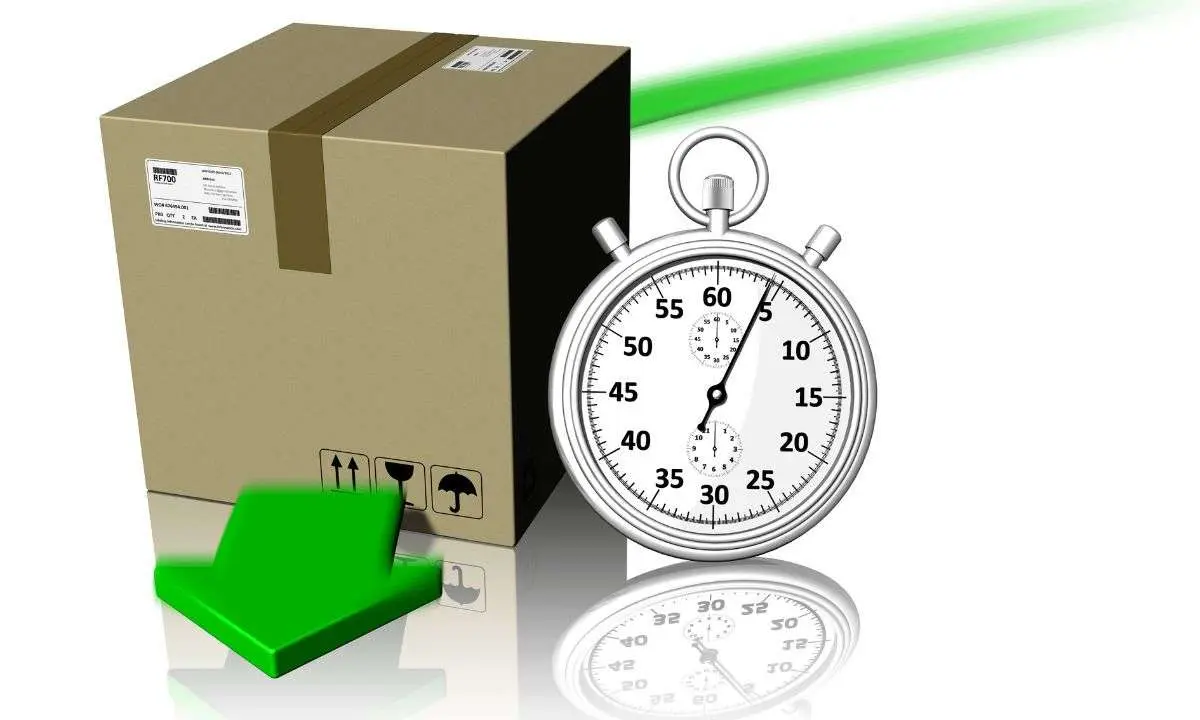
While LTL shipping offers cost savings and flexibility, it does come with a few operational considerations.
Longer Transit Times
Because LTL shipments are shared across multiple customers, trucks make several stops before reaching your delivery point.
This extended route may lead to slower deliveries compared to the direct travel of FTL shipping.
Higher Risk of Damage
With LTL shipping, freight is handled more frequently.
While carriers take precautions, this increases the chance of minor damage, especially for delicate goods.
Complex Pricing Structures
LTL shipping involves rate factors like freight class, dimensions, and destination zones.
While this can create pricing variability, experienced carriers and 3PLs help manage these details to keep surprises minimal.
Still, for many businesses, the cost savings from only paying for the space used often outweigh these drawbacks.
When FTL Shipping Might Be Worth It
In some cases, FTL shipments are the better option, especially if you’re regularly shipping enough volume to fill or nearly fill a trailer.
The per-unit cost can become more attractive, and you’ll gain benefits like faster transit, lower handling risk, and more control.
FTL shipping is best suited for:
- Large, high-volume freight
- Fragile or high-value goods
- Time-sensitive deliveries that demand direct routes
But unless your business consistently moves freight at that scale, LTL shipping remains the more flexible and budget-friendly model.
Why LTL Shipping Is the Smarter Long-Term Strategy
For most small and mid-sized U.S. businesses, LTL shipments hit the sweet spot between cost savings and operational efficiency.
You’re not locked into paying for unused truck space. Moreover, you can scale as needed without overcommitting.
LTL shipping also provides cost-effective adaptability for growing businesses, new markets, or multi-location moderate-volume shipments.
Many companies reach a stage where FTL shipping becomes viable for certain high-volume routes.
But until then, leaning into LTL shipping helps protect your margins, reduce risk, and keep logistics nimble.
Let Jansson Help You Optimize Your LTL Strategy
At Jansson, we help U.S. businesses make smarter freight decisions by matching the right shipping mode to their real-world needs.
Whether you’re just starting or shipping at scale, we’ll help you unlock the full potential of LTL shipping without the complexity.
Understand Your Freight Spend
We’ll begin by reviewing your current shipping data so you know exactly where your budget is going.
And where savings are hiding.
Find the Right LTL Carriers and Rates
Our experts help you navigate LTL pricing structures, avoid common surcharges, and negotiate the best rates for your freight profile.
Discover Cost-Saving Efficiencies
From smarter route planning to better pallet optimization, we’ll pinpoint areas where you can cut costs without compromising service.
Build a Scalable LTL Model
As your shipping needs grow, we’ll guide you in expanding your LTL shipments efficiently, while flagging when FTL might eventually become a better fit.
Book a Call and Start Saving on Freight
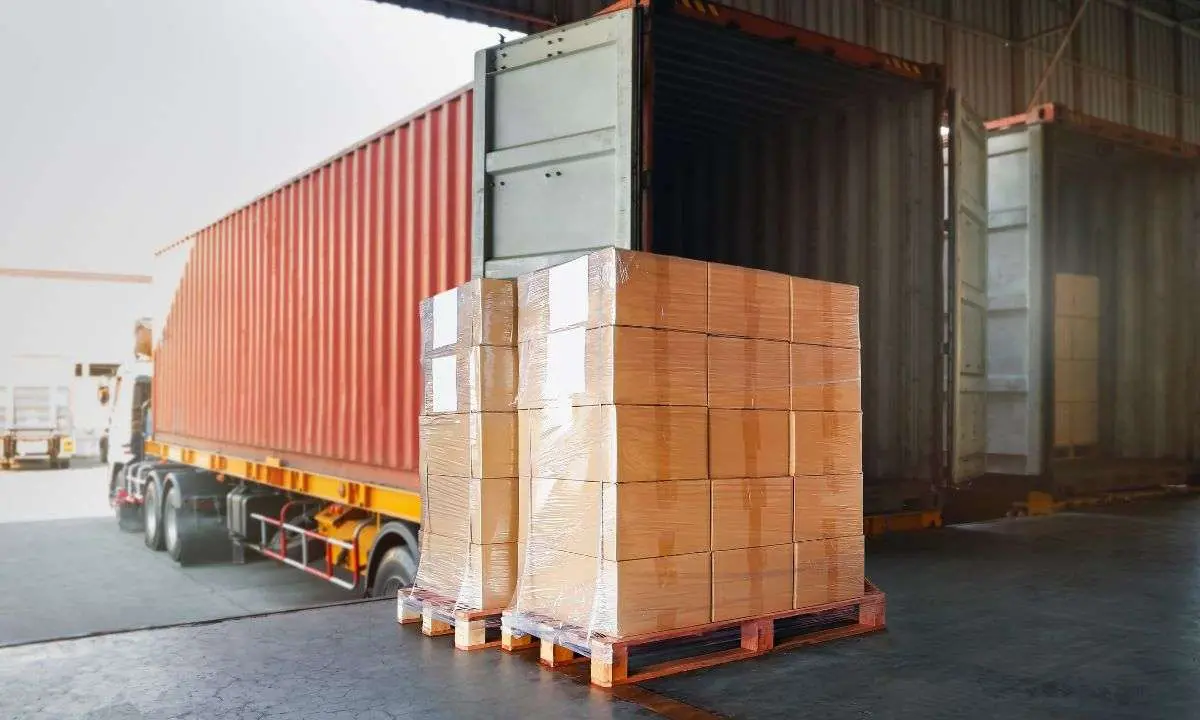
At Jansson, we bring clarity, savings, and structure to your shipping decisions. Let’s talk about how LTL shipping can help you scale affordably, deliver reliably, and stay competitive.
Schedule a call today and let our experts help you build a logistics model that actually works for your business.