Nationwide flatbed shipping sounds straightforward. Until it is not.
A carrier falls through, or a route goes unplanned. Maybe, even a load is not secured to spec.
And suddenly, your freight is not moving.
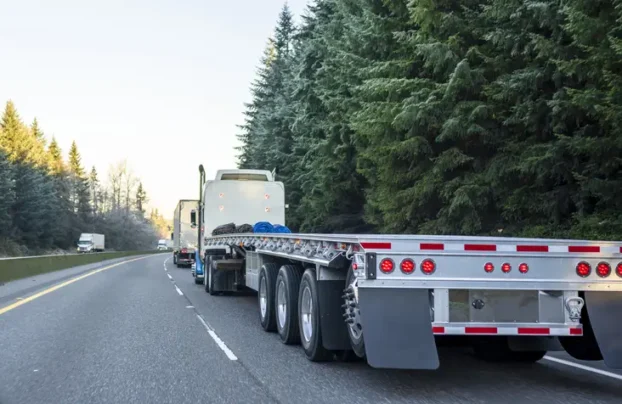
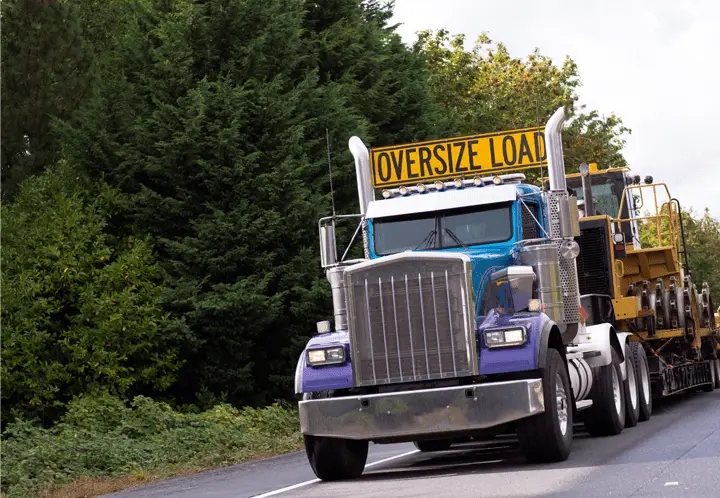
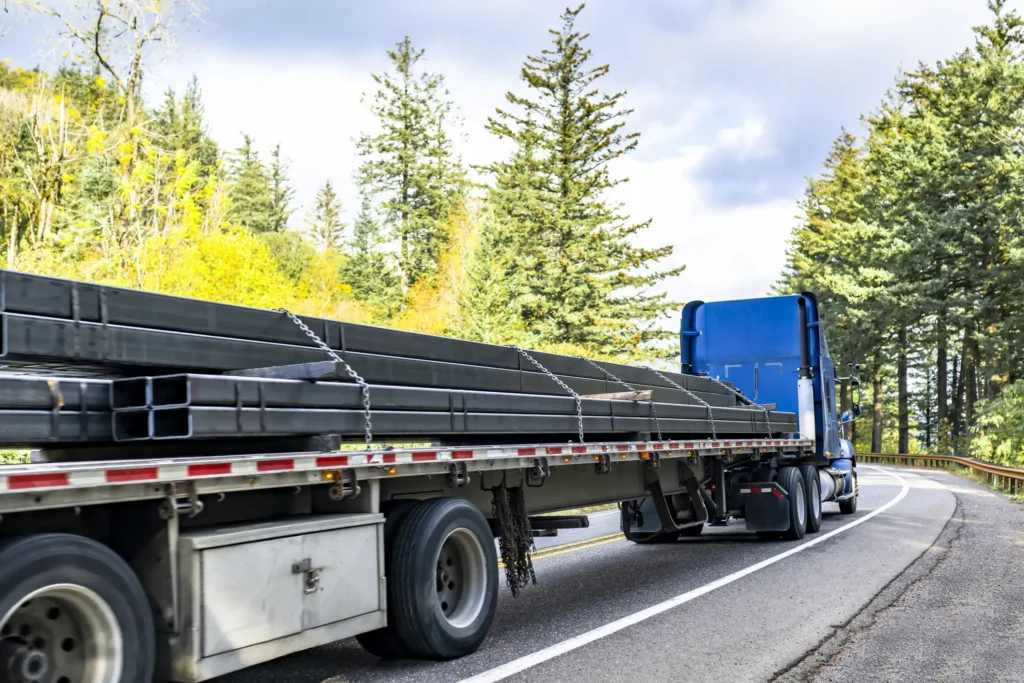
For U.S. businesses moving oversized, heavy, or irregularly shaped freight, flatbed trucking is often the only viable option.
Steel beams, construction equipment, industrial machinery, and large agricultural components cannot go in a box truck or a dry van.
They need open-deck transport and they need it done right.
The challenge in 2026 is real.
Flatbed trucking capacity 2026 is tighter than many shippers expect.
Flatbed trucking availability 2026 is under pressure from infrastructure projects, manufacturing growth, and a shrinking pool of qualified over the road flatbed carriers.
Businesses that plan ahead move freight on time. Those that do not face delays, damaged cargo, and rising costs.
Here are seven critical steps to get nationwide flatbed shipping right.
Step 1: Know Exactly What You Are Shipping
Everything starts with load specifications.
Dimensions, weight, center of gravity, and any special handling requirements must be documented before a single carrier is contacted.
Flatbed freight capacity USA requirements vary significantly.
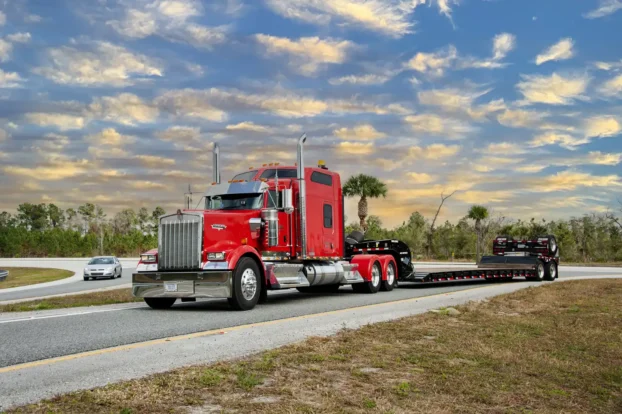
It can change depending on whether you are shipping standard oversized cargo or something that requires a specialized trailer like an RGN, steerable, or lowboy.
Inaccurate load specs waste time, cause permit errors, and create safety risks.
Starting with the right details means every downstream decision, such as carrier selection, routing, and permitting is built on an accurate foundation.
Step 2: Choose the Right Equipment
Not all flatbeds are the same.
Know Your Trailer Options
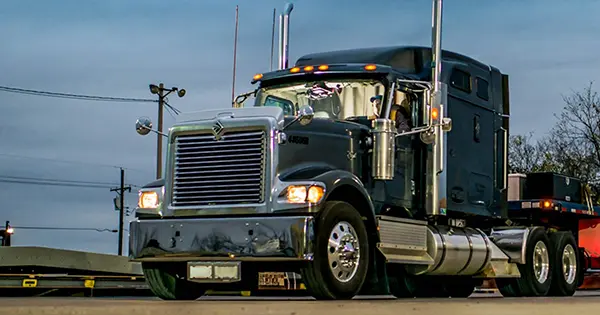
Standard flatbeds handle most freight up to 48 or 53 feet in length.
Extendable flatbeds accommodate longer loads.
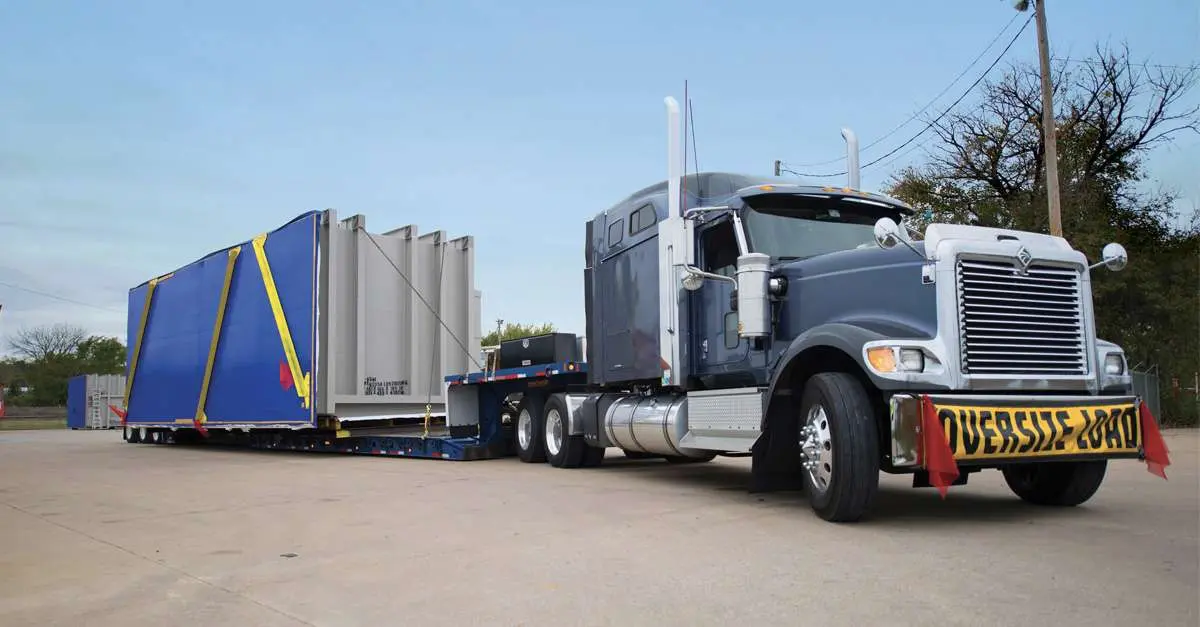
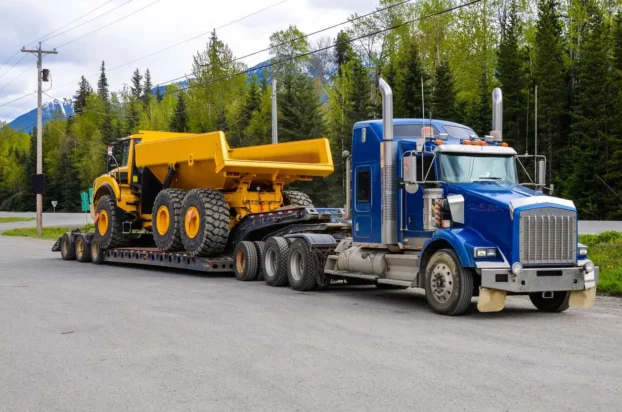
RGNs and lowboys handle heavy equipment with low ground clearance. Steerables are designed for extreme weights and complex maneuvers.
Matching your freight to the right trailer type is one of the most important decisions in the shipping process.
The wrong equipment creates safety hazards, permit problems, and delivery failures.
An experienced logistics partner with access to a wide range of equipment removes the guesswork entirely.
Step 3: Plan Your Route Before Booking
Route planning is not an afterthought. It is a prerequisite.
Nationwide flatbed shipping often crosses multiple states.
Each one has its own weight limits, height restrictions, and road conditions.
Bridge clearances must be verified. Construction zones must be identified. Seasonal restrictions like frost laws may apply depending on the time of year.
A well-planned route prevents costly surprises mid-transit.
It also informs permit requirements before applications are submitted, which means faster approvals and fewer delays.
Step 4: Secure the Right Permits
Oversized loads require permits before they move. Period.
Why Permits Are More Complex Than They Seem
Each state along your route has its own permitting system, timelines, and documentation requirements.
Some states process permits within hours. Others require engineering reviews that take days or weeks.
Missing a permit or submitting inaccurate load data can stop a shipment entirely.
Working with a logistics partner who manages permit coordination across all states removes this burden and significantly reduces compliance risk.
Step 5: Verify Carrier Qualifications
Flatbed trucking capacity means nothing if the carrier is not qualified to handle your specific load.
Before booking, verify that your carrier has the correct equipment, a clean safety record, and relevant experience with your freight type.
Flatbed trucking services USA requires carriers to meet federal safety standards.
But not all carriers maintain the same operational standards beyond minimum compliance.
In 2026, flatbed trucking availability 2026 is creating pressure on shippers to move quickly.
That pressure can lead to shortcuts in carrier vetting. Resist it.
A well-qualified carrier is always worth the extra step.
Step 6: Confirm Load Securement Requirements
Flatbed freight is exposed. Load securement is critical.
Federal regulations specify minimum requirements for tie-downs, blocking, bracing, and tarping based on cargo type and weight.
Beyond compliance, proper securement protects your freight from damage and protects other drivers on the road.
Confirm securement requirements with your carrier before the load departs.
For high-value or fragile equipment, require photographic documentation of the secured load before transit begins.
Step 7: Maintain Communication Throughout Transit
A shipment in motion needs active oversight.
Why Visibility Matters
Real-time visibility into your freight’s location and status allows you to catch issues early before they escalate into missed deliveries or damaged cargo.
Proactive communication with your carrier, especially for long-haul nationwide flatbed shipping, keeps everyone aligned.
The best logistics partners provide dedicated point-of-contact support throughout the shipment.
Not just at booking.
How Jansson LLC Supports Nationwide Flatbed Shipping
Following these seven steps consistently requires the right logistics partner behind you.
Jansson LLC helps U.S. businesses move flatbed freight efficiently and reliably across the country.
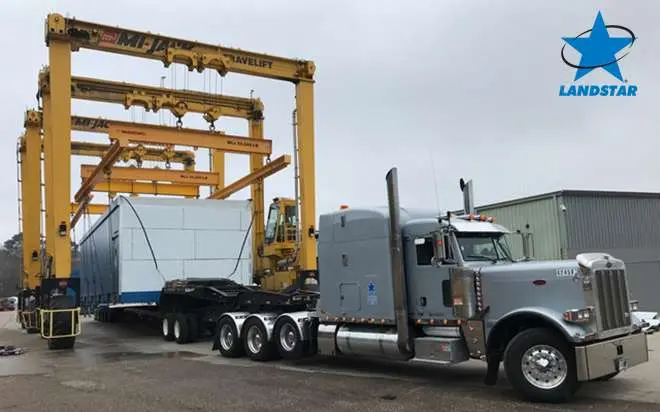
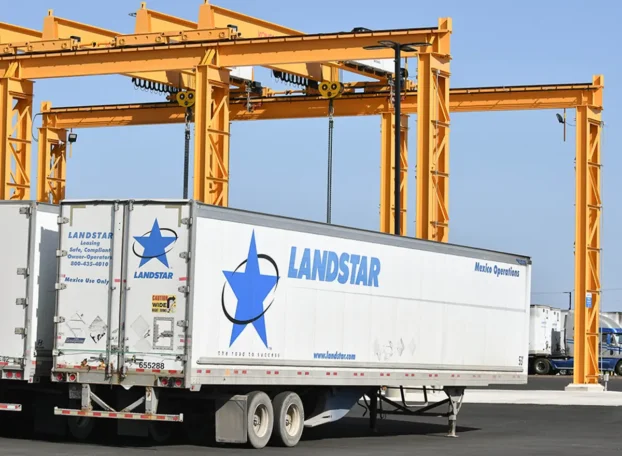
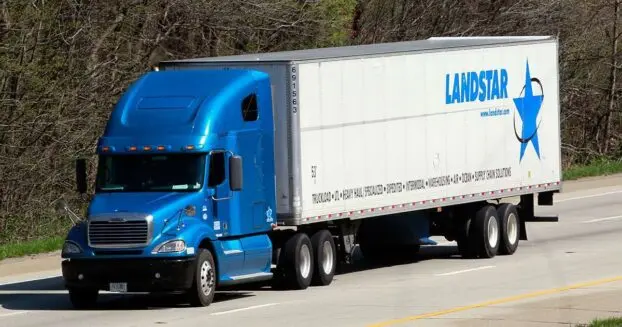
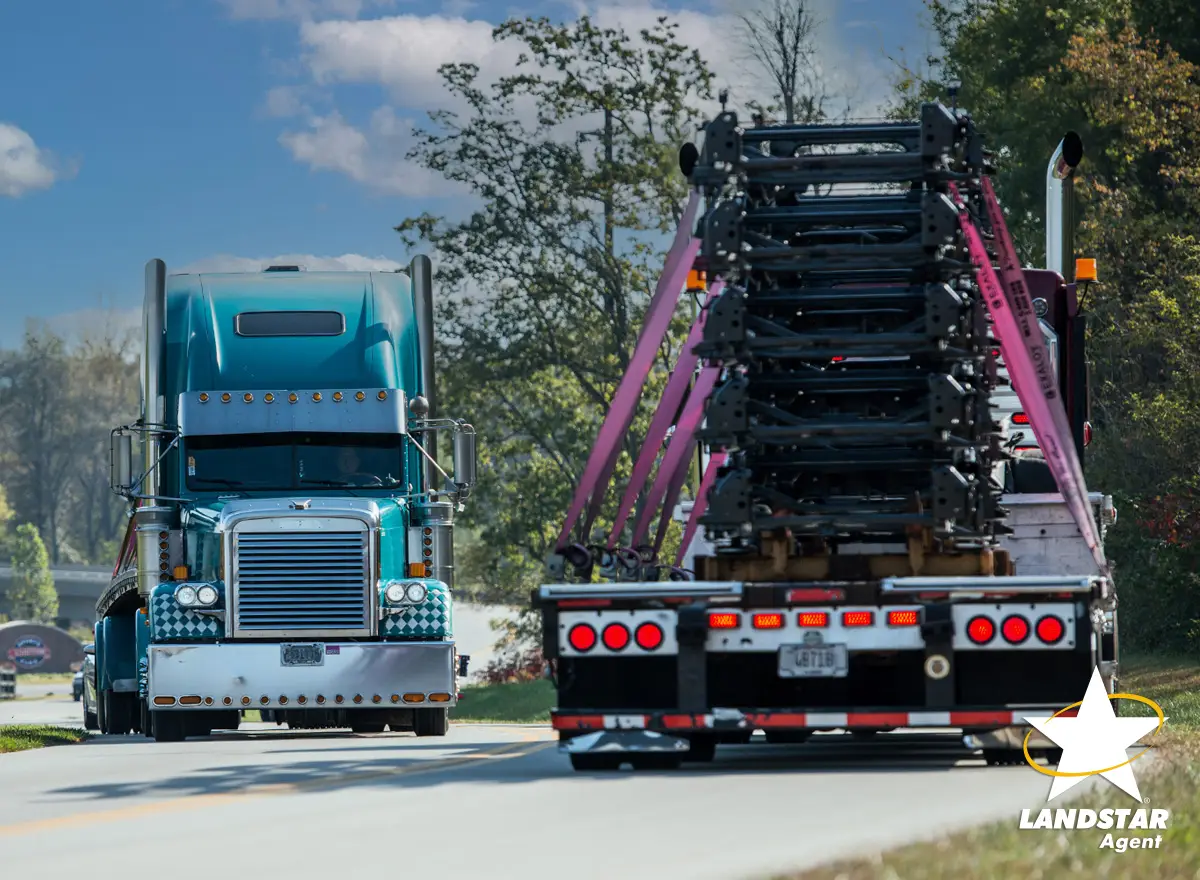
As a Landstar freight agent, Jansson connects clients with an extensive network of qualified over-the-road flatbed carriers
We have equipment ranging from standard flatbeds and extendables to RGNs, steerables, and lowboys with 40 to 80 ton capacity.
What Jansson Brings to Every Shipment
Bed lengths from 20 to 53 feet and flexible top and side loading options mean Jansson’s network is equipped for virtually any load size or shape.
A dedicated in-house team handles every permit, pricing detail, and route plan. It is backed by 24/7 support to keep your shipment moving safely.
No matter what you are shipping, Jansson is equipped to handle it. Flatbed freight capacity USA, strong carrier relationships, and deep operational expertise back every shipment.
In a year when flatbed trucking capacity 2026 is tighter than ever, having a reliable partner for nationwide flatbed shipping is not a luxury.
It is a competitive advantage.
Our freight does not wait. Neither should your logistics partner.
Talk to a Jansson LLC expert today and let’s build a flatbed shipping plan that keeps your business moving.