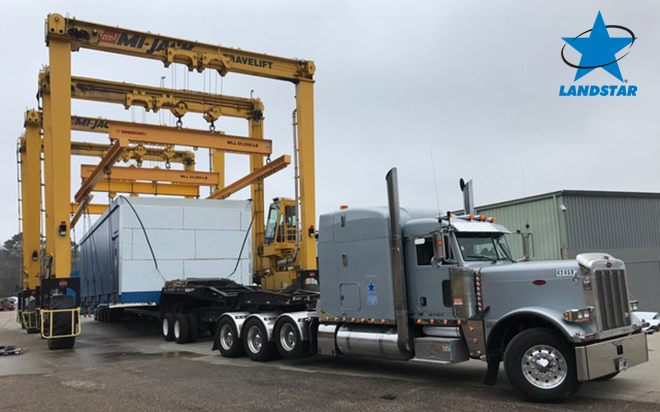
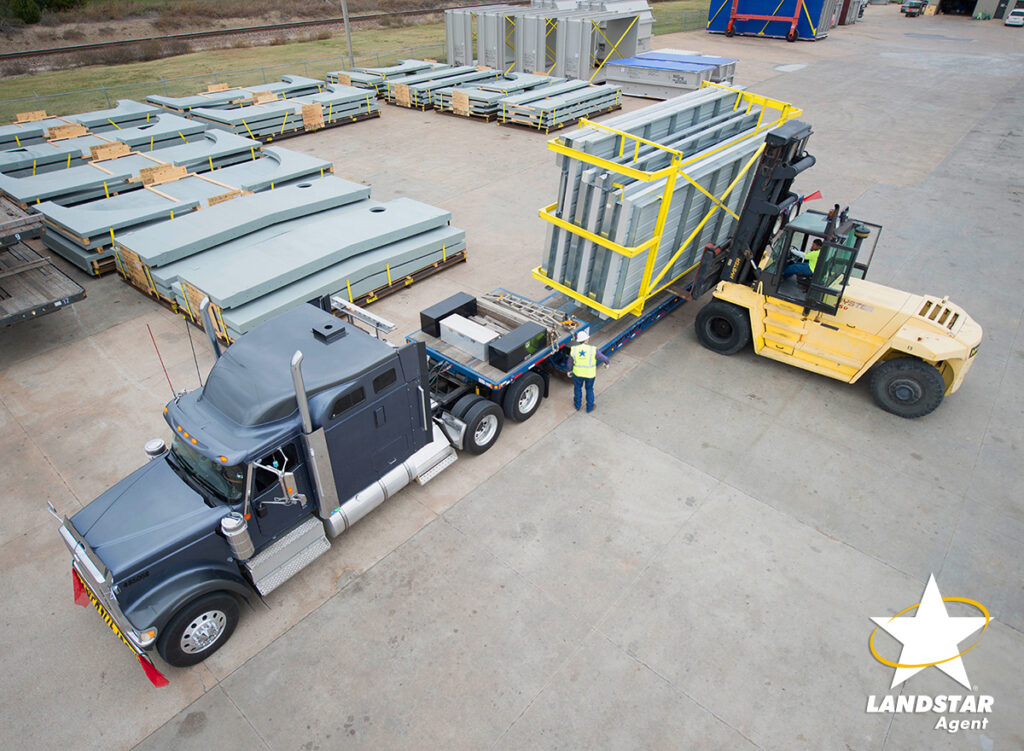
Heavy haul freight is essential for many U.S. businesses, especially in construction, manufacturing, energy, and infrastructure. However, it also comes with common delays that can be costly.
Moving oversized or overweight loads keeps projects moving and revenue flowing, but even small disruptions can ripple into bigger issues.
Heavy haul shipping involves special equipment, permits, and planning, which makes it more complex than standard freight.
When a shipment is late, the ripple effects can include stalled job sites, idle crews, missed deadlines, and rising costs.
Understanding the most common delays in heavy haul freight is the first step toward avoiding them.
Below, we break down nine of the most frequent causes of heavy haul delays and explain how U.S. businesses can reduce risk with the right planning and the right logistics partner.
Why Heavy Haul Freight Is More Prone to Delays
Heavy haul shipping is different by design. Oversized freight must comply with strict regulations, follow approved routes, and move on carefully planned schedules.
Unlike standard trucking, there is very little flexibility once a load is in motion.
Heavy haul trucking companies must coordinate with state agencies, escort vehicles, specialized drivers, and sometimes even utility providers.
When one piece of that puzzle falls out of place, delays happen.
Let’s look at the most common delays U.S. businesses face in heavy haul shipping and how to stay ahead of them.
1. Permit Issues and Approval Delays
Permits are required for any heavy haul load that exceeds legal size or weight. Delays often happen when permits are filed late or contain errors.
Working with a knowledgeable heavy hauler helps avoid these hold-ups through early, accurate submissions.
2. Route Restrictions and Infrastructure Limitations
Oversized freight can’t take just any road.
Low bridges, construction, or restricted weight zones can force unexpected detours.
Proper route planning in advance helps avoid surprises that slow down delivery.
3. Escort and Pilot Car Scheduling Conflicts
Many heavy haul shipments need escort vehicles, but these must be scheduled in sync with permits and routing.
If timing is off, the load may be forced to wait.
Early coordination is key to avoiding this all-too-common delay.
4. Equipment Availability Issues
Not all trailers or trucks are suitable for heavy haul freight. During peak seasons, demand for specialized equipment can outpace supply.
Securing the right trailer early prevents last-minute delays.
5. Improper Load Preparation or Securement
Loads must be correctly balanced and secured before transport.
If not, the shipment may be rejected or delayed due to safety risks.
Experienced heavy haul companies check everything before the truck arrives.
6. Weather and Seasonal Conditions
Bad weather can shut down permitted travel windows. Snow, rain, and high winds create safety hazards and lead to road closures.
A flexible plan and close weather monitoring help reduce weather-related downtime.
7. Driver Availability and Labor Shortages
Heavy haul drivers need special training and certifications. Shortages or scheduling conflicts can push timelines.
Planning with trusted heavy haul trucking companies ensures the right driver is ready.
8. Border and Jurisdictional Challenges
Crossing state lines means dealing with different rules, permits, and regulations.
Missteps can trigger enforcement delays.
Multi-state experience is essential to avoid stoppages at borders.
9. Poor Communication and Lack of Visibility
When communication breaks down, minor issues turn into costly delays. Missed updates or unclear expectations leave teams guessing.
Real-time tracking and proactive support keep everything on schedule.
How U.S. Businesses Can Avoid Heavy Haul Delays
While heavy haul freight will always carry risk, most common delays are avoidable with the right approach.
Planning early is critical. That includes permits, routing, equipment, and escorts.
Working with experienced heavy haul trucking companies ensures these details are handled proactively, not reactively.
Clear communication also plays a major role. When everyone involved has access to real-time updates, problems can be addressed before they escalate.
Most importantly, choosing the right heavy haul partner makes all the difference.
How Jansson Helps Prevent Common Delays in Heavy Haul Shipping
At Jansson, we understand that heavy haul shipping is high-stakes logistics. Delays cost time, money, and credibility.
That’s why our approach is built around prevention, not reaction.
Planning That Starts Before the Load Moves
We dig into every detail upfront.
From permits and routing to equipment selection and escort coordination, we plan each move with precision to avoid common delays before they happen.
Experience Across Heavy Haul Operations
Our team works with trusted heavy haulers and heavy haul trucking companies that understand oversized freight.
We know what can go wrong and how to prevent it.
Real-Time Tracking and Communication
With Jansson, you’re never left guessing.
We provide real-time updates and proactive communication, so issues are addressed quickly and transparently.
Compliance Without Surprises
From state regulations to cross-border requirements, we manage compliance across every mile.
This keeps your heavy haul shipments legal, efficient, and on schedule.
A Partner That Treats Your Freight Like Its Own
We don’t just move freight. We protect your timelines, your budget, and your reputation.
Every heavy haul shipment gets the attention it deserves.
Move Heavy Haul Freight With Confidence
Heavy haul shipping will always involve complexity, but common delays don’t have to derail your operations.
With the right planning, visibility, and logistics partner, U.S. businesses can move oversized freight more smoothly and with fewer surprises.
If you’re tired of dealing with preventable heavy haul delays, it’s time for a smarter approach.
Book a call with a Jansson expert today and let’s build a heavy haul strategy that keeps your freight moving, your projects on track, and your business ahead.