Less-than-truckload (LTL) shipping is a great way for U.S. businesses to save money. However, many shippers fall victim to common mistakes that drive up costs.
While it is an accessible way to move smaller freight, avoiding these common mistakes is the only way to ensure your logistics run smoothly.
When not handled properly, shipping errors in this space can lead to delays, damaged freight, billing disputes, and unhappy customers.
This guide breaks down the top 10 mistakes businesses make with LTL freight shipping and how to avoid them.
1. Using Incorrect Freight Class
One of the common mistakes in LTL shipping is misclassifying freight.
Your LTL provider uses this classification to determine pricing, and errors here often lead to costly reclassification fees or shipment delays.
To avoid this, confirm your freight class based on density, stowability, handling, and liability.
If you’re unsure, work with your logistics partner to verify before booking the shipment.
2. Poor Packaging and Palletization
Freight that isn’t packaged properly is more likely to get damaged in transit.
LTL freight shipping involves multiple touchpoints (from loading docks to different trucks), and poor packaging increases the risk of mishandling.
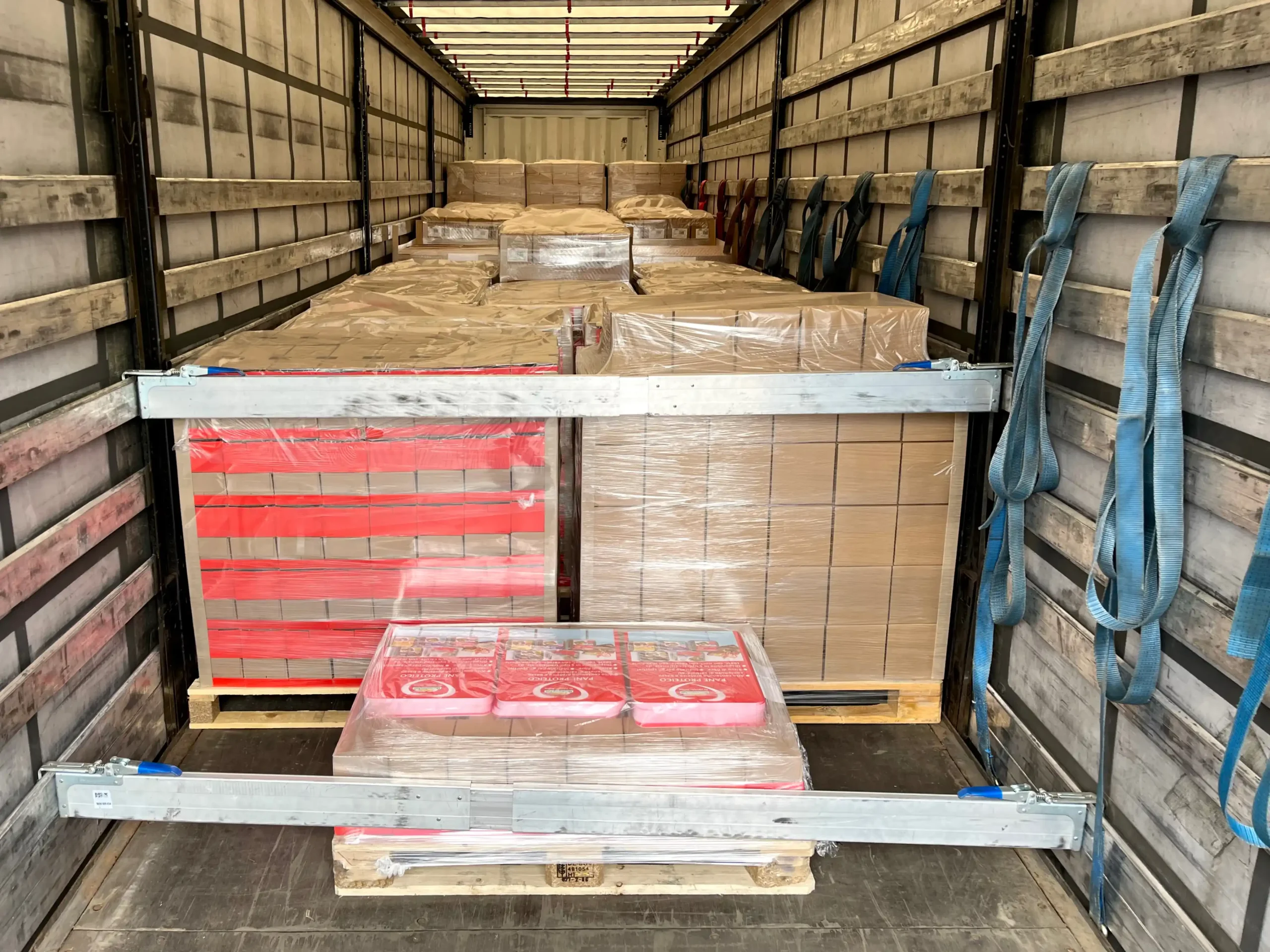
Use pallets when possible, secure your load tightly, and ensure your packaging materials can withstand handling.
Well-packaged LTL freight reduces the likelihood of claims and keeps your goods intact.
3. Inaccurate Weight and Dimensions
Incorrect weight and dimensions are common LTL shipping mistakes that often lead to re-weighing charges or delayed deliveries.
Carriers use dimensional weight pricing, so precision matters.
Measure carefully and include packaging in your calculations. A small error here can quickly inflate your freight bill.
4. Missing or Incomplete Documentation
Documentation errors slow down shipments, especially when critical info like addresses, NMFC codes, or bill of lading (BOL) details are missing or incorrect.
Always double-check shipping labels, BOLs, and any special instructions before pickup.
Accurate documentation helps ensure timely pickups and smooth processing throughout the less than truckload (LTL) shipping journey.
5. Overlooking Accessorial Fees
Another one of the most common mistakes in LTL freight shipping is failing to plan for accessorial charges.
These are fees for extra services like liftgate use, inside delivery, or limited access locations.
Not accounting for these services leads to surprise charges on your invoice.
Ask your LTL provider about all potential accessorials and confirm which ones apply to your shipment in advance.
6. Choosing the Wrong Shipping Method
Using LTL when a full truckload (FTL) is more appropriate (or vice versa) can inflate your costs and reduce efficiency.
For instance, sending a large volume of freight in multiple LTL shipments could be more expensive than consolidating into a full truckload.
Choosing the right shipping method means understanding your freight volume, delivery timeframes, and available carrier options.
This is where logistics expertise matters.
7. Failing to Compare Rates
Rates can vary significantly between LTL providers.
Sticking with one carrier without shopping around can mean missing out on better prices or better service.
Use a platform or partner that helps you compare options.
You’ll find more competitive pricing and potentially faster or more reliable service.
8. Lack of Shipment Visibility
Many businesses treat LTL shipments as “out of sight, out of mind.”
But without visibility, you can’t anticipate problems or keep customers updated.
Work with LTL providers that offer real-time tracking.
Transparency improves communication and helps you quickly respond to any disruptions.
9. Ignoring Delivery Requirements
Every delivery location is different.
One of the most common mistakes is failing to check if the receiver has a loading dock or needs a liftgate.
Forgetting to confirm these details or special timing needs can delay your LTL shipment and lead to extra fees.
So, clarify all delivery needs in advance and list them on your BOL. This keeps the process smooth and prevents any confusion when the truck arrives.
10. Not Reviewing Invoices Carefully
Freight invoices aren’t always perfect. Errors in classification, weight, or accessorial charges are common.
Many U.S. businesses lose money by accepting incorrect bills without review.
Make invoice auditing part of your regular shipping process.
Over time, this practice helps you catch errors, dispute unjustified charges, and improve cost control.
How Do You Ensure Accuracy in Shipping and Receiving?
The answer is simple: details matter.
From freight class to label placement, accuracy in shipping and receiving starts with careful planning.
It also requires consistent communication with your carriers and partners.
Businesses that prioritize accuracy reduce errors, lower costs, and keep their supply chains running smoothly.
What Is the Best Way to Ship LTL?
The best way to ship LTL is by working with a trusted logistics provider.
A good partner will help you select the right shipping method, classify your freight correctly, and avoid common shipping mistakes.
They’ll also give you access to real-time tracking and a network of reliable carriers that meet your budget and performance needs.
Why Do U.S. Businesses Choose Jansson for LTL Freight Shipping?
At Jansson, we help businesses avoid costly shipping mistakes by offering smarter, more reliable logistics support.
Here’s how we make LTL freight shipping easier, faster, and more cost-effective.
Proactive Planning That Prevents Mistakes
We don’t wait for problems to happen.
Our team reviews your LTL shipments before they’re booked to ensure accuracy in weight, class, documentation, and accessorials.
Real-Time Visibility and Communication
We provide real-time updates and tracking at every step of your shipment’s journey.
That means fewer surprises and more control over your supply chain.
Tailored Solutions Built for Growth
Whether you’re shipping a few pallets or scaling to nationwide delivery, we adapt to your needs.
Our LTL solutions are built to grow with your business.
Trusted Carrier Network and Smarter Routing
Our carrier network and route optimization tools help reduce costs without cutting corners.
We match your freight with the right shipping method and carrier, every time.
Ready to Avoid These Common Mistakes?
If you’re looking to reduce risk, improve accuracy, and avoid costly shipping mistakes, let’s talk.
At Jansson, we make LTL freight shipping more predictable and less stressful.
Book a call with a Jansson expert today and get smarter support for your LTL shipments, from planning to final delivery.