In heavy haul shipping, FMCSA Scoring is no longer just a background metric.
It now plays a central role in safety, compliance, and risk exposure. As regulations evolve, staying compliant is getting harder, not easier.
The upcoming changes to the CSA scoring system are reshaping how carriers and shippers are evaluated.
For businesses that rely on heavy haul shipping, understanding these FMCSA scoring updates isn’t optional.
It’s essential to protecting your operations and avoiding hidden compliance risks.
Why the 2026 FMCSA Changes Matter
By 2026, the Federal Motor Carrier Safety Administration (FMCSA) will introduce new methods for calculating safety ratings under the CSA (Compliance, Safety, Accountability) program.
These scores will directly affect a carrier’s ability to secure loads, maintain contracts, and avoid audits or interventions.
For shippers, especially those moving heavy haul shipments, a poor FMCSA scoring profile on the part of your carrier can lead to delays, damaged cargo, or even legal liabilities.
That’s why understanding the Safety Measurement System updates is key to protecting your freight and your bottom line.
The Problem: Compliance Gaps Are Easy to Miss
Right now, many businesses assume their logistics providers are fully compliant.
But with the 2026 FMCSA scoring overhaul, even carriers with good track records may suddenly fall short.
The new system digs deeper.
It emphasizes patterns over time, consistency across fleets, and even scrutinizes violations that once carried less weight.
For example, small issues like repeated vehicle maintenance flags or improper driver logs can now create major red flags under the revised system.
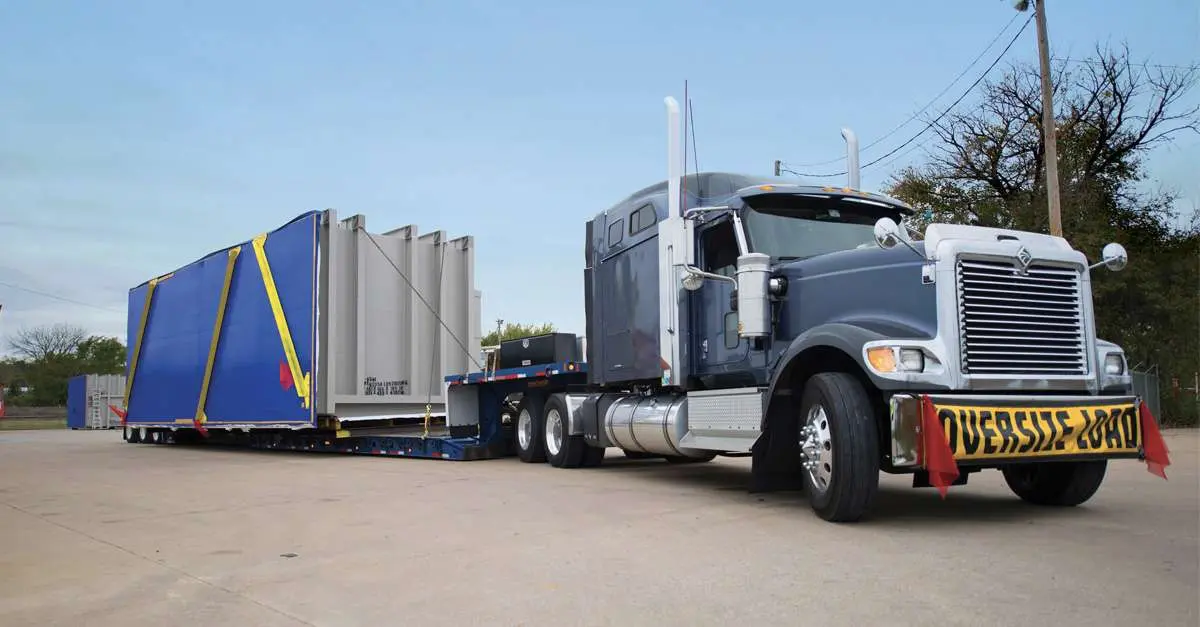
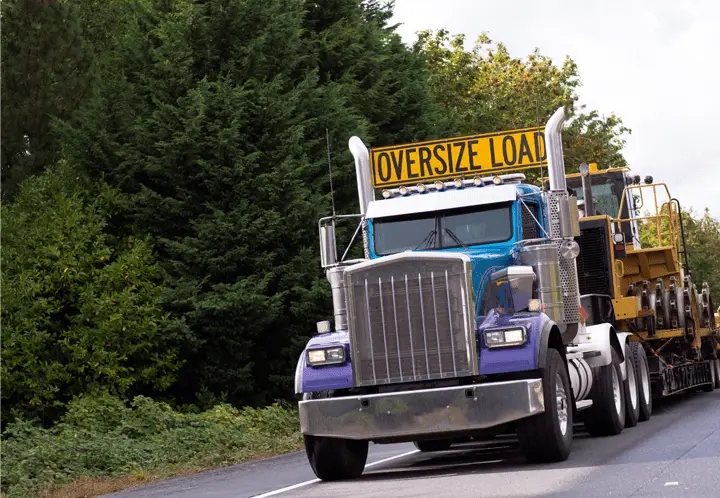
This can spell trouble if you’re shipping oversized equipment, industrial machinery, or any kind of heavy haul shipment where safety risks are already high.
The 9 Changes to Watch in the CSA Scoring System
The FMCSA has released key updates coming to the CSA scores in 2026.
Here’s what shippers and carriers need to know.
1. Consolidated Violations
The current 950+ individual violations will be grouped into 116 categories. This will make patterns easier to spot and harder to dismiss.
2. New Weighting System
Instead of assigning severity weights, all violations in a category will count the same. That means even “minor” violations can hurt your score.
3. Improved Intervention Thresholds
The new system will compare carriers only to others with similar operations, making it clearer who is truly out of compliance.
4. More Transparency
Shippers will have more access to carrier score details. A poor score may mean fewer contracts or damaged business relationships.
5. Expanded Focus on Driver Behavior
Frequent Hours-of-Service violations or false logs will hit harder under the new FMCSA scoring.
6. Vehicle Maintenance Risk Category
This area will gain more weight in score calculation, especially for heavy haul equipment that demands strict upkeep.
7. Hazmat Violations Are More Costly
Carriers who move hazardous freight will face stricter scoring and less room for error.
8. New Safety Event Groups
Companies will be compared in more narrowly defined peer groups.
If you’re a heavy haul trucking company, you’ll be judged alongside similar carriers, not the general pool.
9. Improved Data Accuracy Initiatives
FMCSA is tightening data reporting from states and carriers. Inaccurate or late entries could now count against you more severely.
Why This Matters for Heavy Haul Shippers
In heavy haul shipping, the stakes are always higher.
You’re moving large, often high-value loads that require specialized equipment, routing, and permits.
Any delay or compliance issue doesn’t just stall your timeline. It exposes you to serious financial and legal risk.
Poor FMCSA Scoring by your carrier can lead to:
- Denied permits for over-dimensional routes
- Delays at weigh stations or inspections
- Increased scrutiny from DOT officers
- Higher insurance premiums or denied coverage
- Loss of shipper contracts due to poor performance metrics
And because heavy haul routes often span multiple states and jurisdictions.
Even small gaps in compliance documentation, driver records, or maintenance logs can lead to cascading disruptions.
Avoiding the Hidden Risks
So how can businesses stay ahead of these CSA scoring updates and avoid penalties?
It starts with visibility.
You need to know how your logistics partner is managing their Safety Measurement System profile.
Are they tracking their violations? Do they audit driver records? Are their vehicles up to standard?
The best partners will be proactive, not reactive.
They’ll have processes in place that don’t just meet the FMCSA baseline, but exceed it.
This approach includes real-time telematics to monitor driver behavior and identify risks early.
Preventive maintenance programs are in place to keep all fleet vehicles in safe operating condition.
Regular documentation audits help ensure that safety data is accurate and properly reported.
Drivers also receive refresher training, with special focus on oversized and heavy haul loads.
When violations do occur, quick response systems are used to address issues immediately and prevent repeat offenses.
The Competitive Edge of Strong Safety Ratings
Don’t underestimate how a strong FMCSA scoring profile can benefit your business.
This score reflects your carrier’s dedication to safety, best practices, and compliance readiness, particularly for demanding environments like heavy haul.
For U.S. businesses, this translates to faster delivery, fewer disruptions, and reduced legal or insurance exposure. And in industries where every hour of delay can cost thousands, that matters.
Why Jansson Is Built for the New Era of FMCSA Compliance
At Jansson, we understand that great logistics isn’t just about moving freight.
It’s about moving it smart, safe, and within the full scope of U.S. regulations.
Our team is already adapting to the 2026 FMCSA scoring changes.
We monitor every shipment, maintain complete compliance documentation, and track key safety metrics long before they become reportable violations.
Our focus on heavy haul shipping means we’re used to managing complexity.
From permits and route planning to driver safety and fleet performance, we go beyond the basics to protect your freight and your reputation.
With Jansson, you gain access to fully FMCSA-compliant carriers who operate with clear and proactive safety strategies.
We provide full transparency into performance data and safety documentation, giving you the confidence that your freight is always in good hands.
Our team offers responsive support to address compliance issues before they become costly problems.
You’ll also have real-time visibility into your heavy haul shipments from dispatch to delivery.
Most importantly, we’re not just a transportation provider.
Rather, we’re a logistics partner who understands the full risk profile of large loads, not just how to move them.
Protect Your Business: Don’t Let FMCSA Scoring Catch You Off Guard
The CSA scoring updates in 2026 are not just a regulatory shift. They’re a business risk.
Companies that prepare now will thrive.
Those who wait may face inspections, shutdowns, or lost freight.
Working with the right partner can make all the difference.
Jansson provides the tools, insights, and support needed to manage FMCSA scoring, maintain top safety, and keep freight moving.
No matter how strict the rules become.
Ready to make compliance your competitive advantage?
Book a call with a Jansson expert today and let’s build a smarter, safer heavy haul solution for your business.