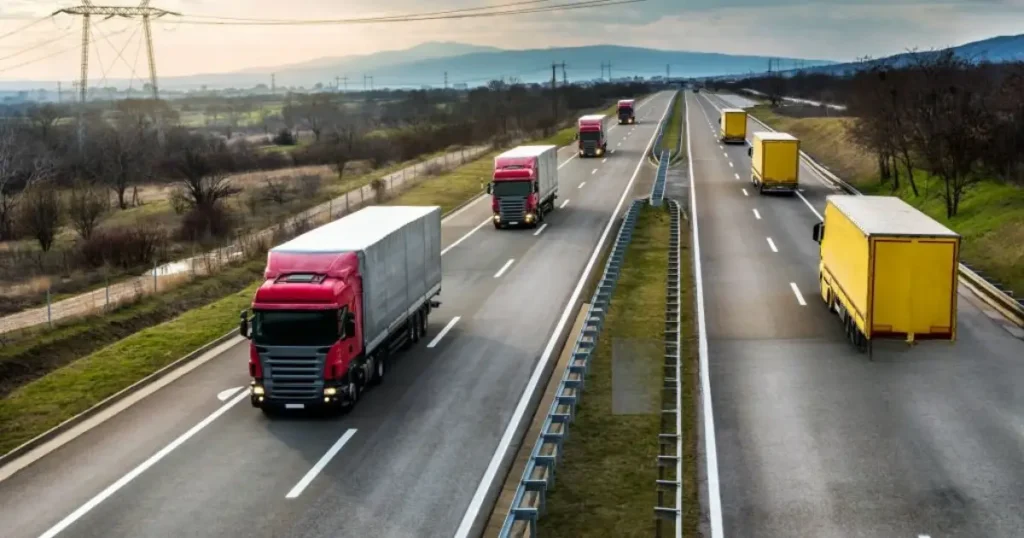
Why Does OTR Freight Matter?
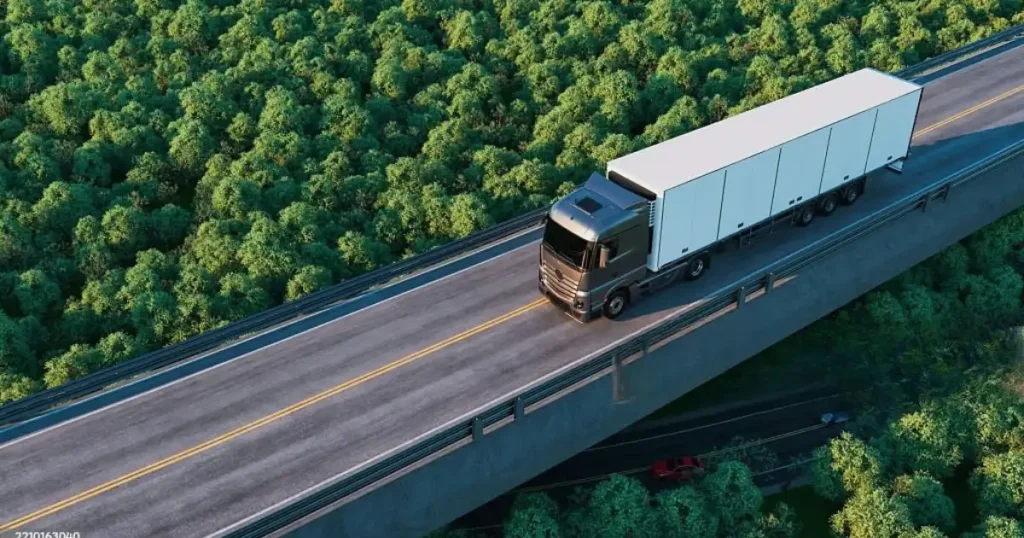
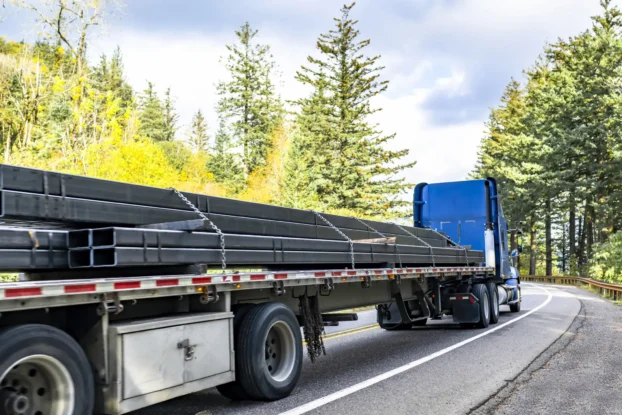
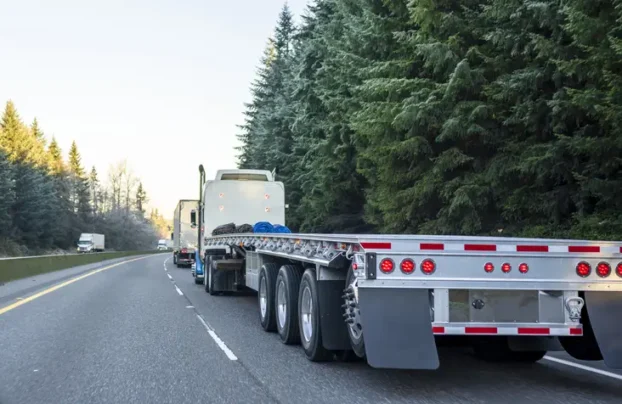
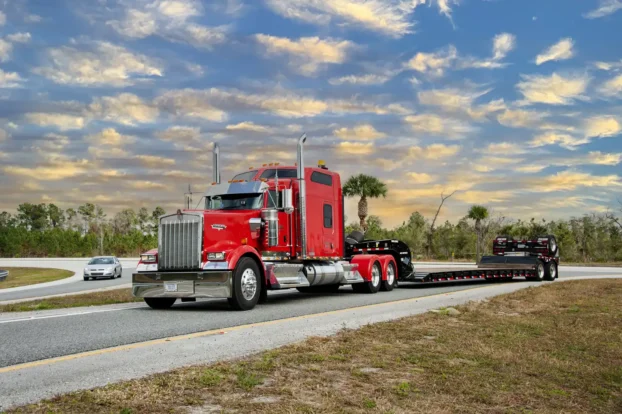
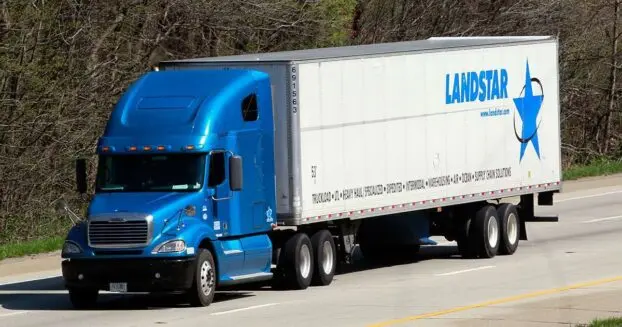
Over-the-road (OTR) freight is the backbone of U.S. supply chains, moving nearly 72% of all freight by weight nationwide (American Trucking Associations). From groceries to manufactured goods, trucks keep commerce flowing. But the industry faces challenges that directly affect shippers, brokers, and logistics managers.
Why Is the Driver Shortage Still a Major Issue?
The U.S. trucking industry continues to face a shortage of more than 60,000 drivers, and that gap could grow to 160,000 by 2031 (ATA, 2022). This lack of drivers leads to fewer available trucks, longer lead times, and higher freight costs.
What You Can Do:
- Build strong relationships with carriers for preferred capacity.
- Partner with 3PLs that maintain a large network of vetted drivers.
- Offer flexible scheduling to make your freight more appealing.
How Do Rising Fuel Costs Affect OTR Freight?
Fuel can make up 20–40% of a carrier’s total operating costs (OOIDA Foundation). When diesel prices spike, freight rates and surcharges rise quickly—putting pressure on shippers’ budgets.
Smart Solutions:
- Negotiate fuel adjustment clauses in your contracts.
- Use route optimization to reduce mileage and idle time.
- Consolidate shipments when possible to limit trips.
How Can Shippers Keep Up With Changing Regulations?
Rules around hours-of-service (HOS), electronic logging devices (ELDs), and emissions standards are constantly evolving. Non-compliance can lead to fines, delays, and reputational risk.
Stay Ahead With:
- Ongoing compliance training for logistics staff.
- Partnering with providers who monitor regulation changes.
- Leveraging tech platforms that account for HOS rules in routing.
Why Are Tight Delivery Windows So Hard to Meet?
Shippers face increasing pressure to meet just-in-time deliveries. But congestion, weather, and dock delays can make punctuality difficult—causing missed appointments and costly penalties.
Ways to Stay On Time:
- Use real-time tracking for accurate ETAs.
- Build buffer time into your delivery schedules.
- Communicate early with customers if delays occur.
How Can You Improve Visibility in OTR Freight?
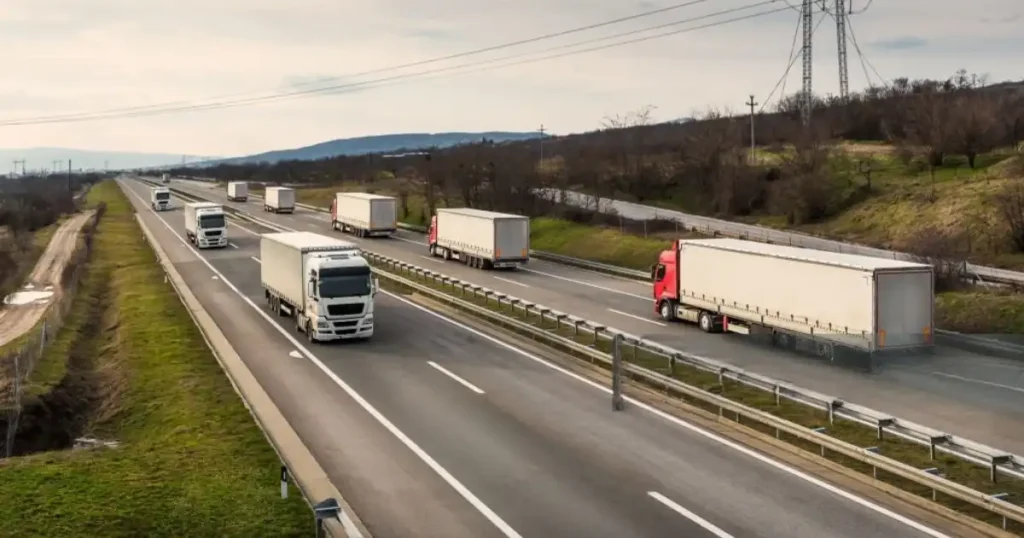
Limited shipment visibility makes it hard to reroute, respond to delays, or keep customers updated. Without real-time data, disruptions can escalate quickly.
Improve Visibility With:
- GPS-enabled fleet tracking integrated with your TMS.
- Automated notifications for shipment status changes.
- Working with providers that prioritize transparency.
How Can the Right Partner Help You Overcome OTR Challenges?
OTR freight will always come with obstacles—but with foresight, the right strategy, and reliable partners, you can minimize risks and stay competitive.
At Jansson Logistics, an independent agent of Landstar, we help shippers anticipate issues, streamline operations, and deliver freight on time, every time.
👉 Contact us today to learn how we can build a customized OTR freight solution for your business.