Large equipment does not move itself, and coordinating these moves requires a deep understanding of heavy haul transportation permits USA.
Whether a firm is shipping cranes or turbines, securing the right permits USA is the first step in a successful logistics plan.
Many businesses assume that an oversized load and a superload are the same thing.
However, they are not.
Both represent very different levels of regulation, planning, and cost.
Misunderstanding that difference creates delays and permit errors that complicate the shipping process.
Here is what every business owner needs to know before their next shipment moves.
What Is an Oversized Load?
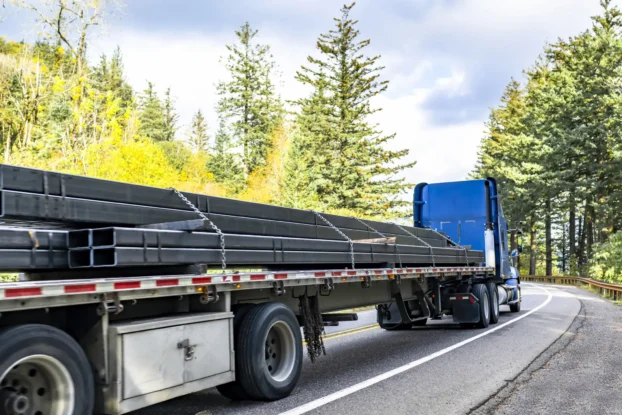
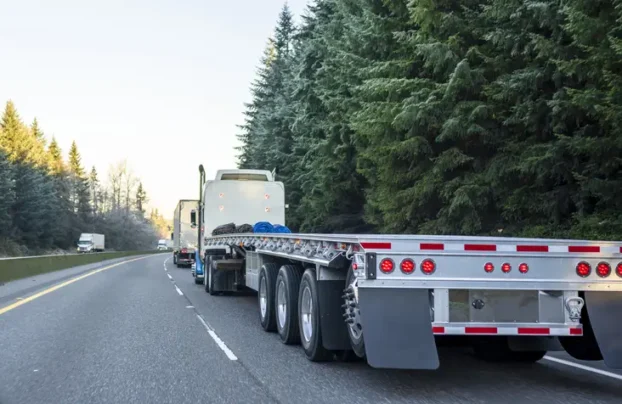
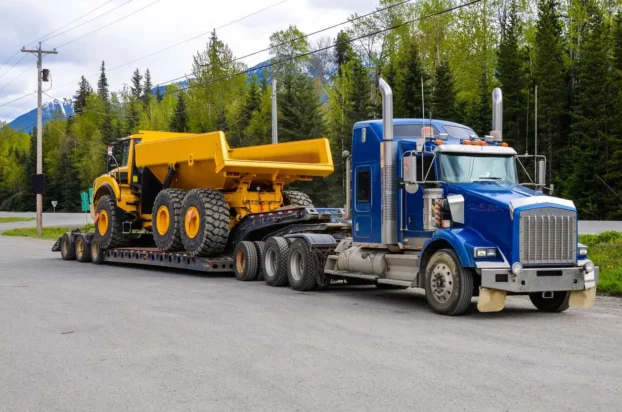
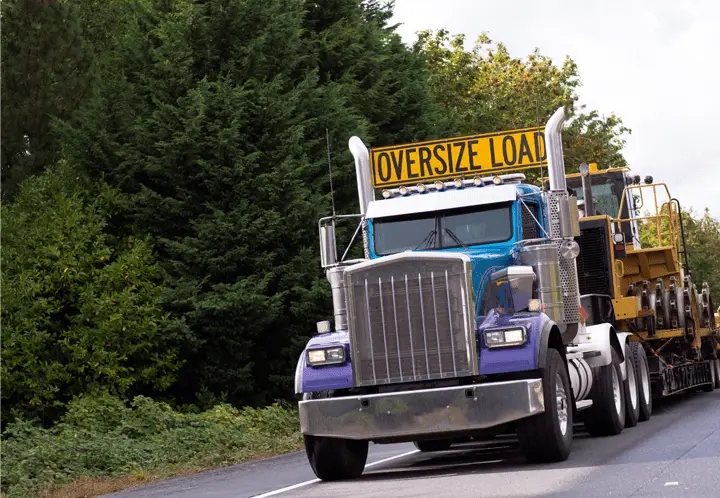
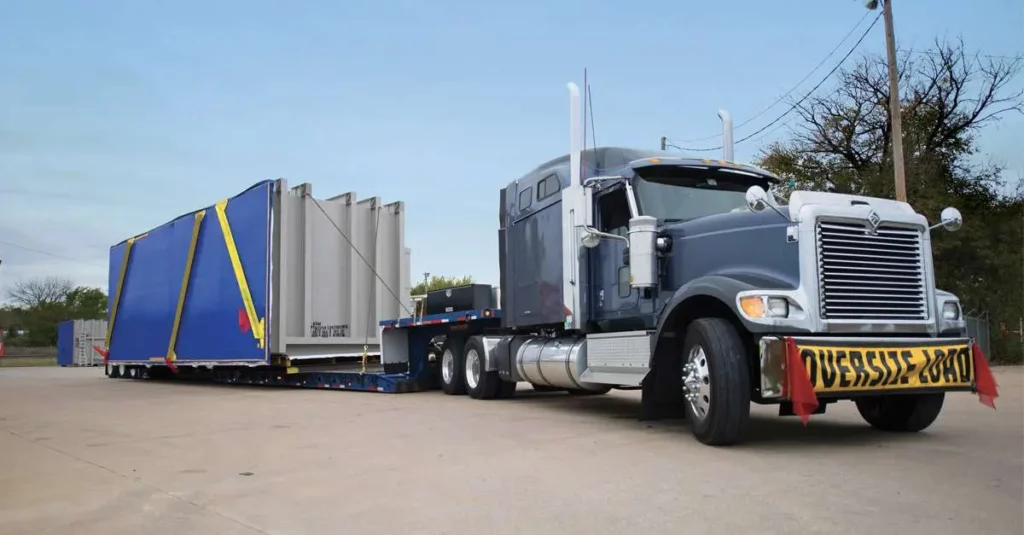
An oversized load is freight that exceeds standard legal limits for commercial trucks.
Most states follow similar general thresholds.
A load is typically considered oversized if it exceeds 8.5 feet in width, 13.5 feet in height, or 80,000 pounds in gross weight.
Length limits vary by state and vehicle configuration.
When freight crosses those limits, carriers must apply for oversize permits before the move.
These permits confirm the load can travel safely along a specific route.
They may also require escort vehicles, special signage, or restricted travel hours.
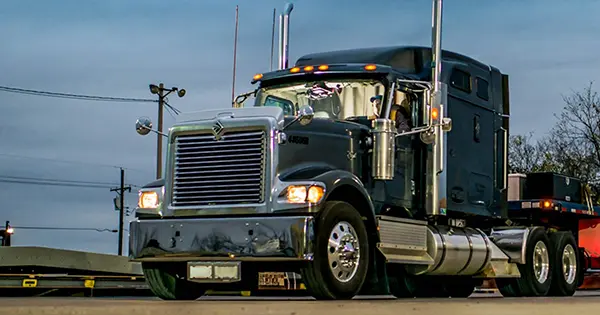
Most heavy haul trucking companies handle oversized loads regularly.
With proper planning, these shipments are routine within the heavy trucking industry.
When an Oversized Load Becomes a Superload
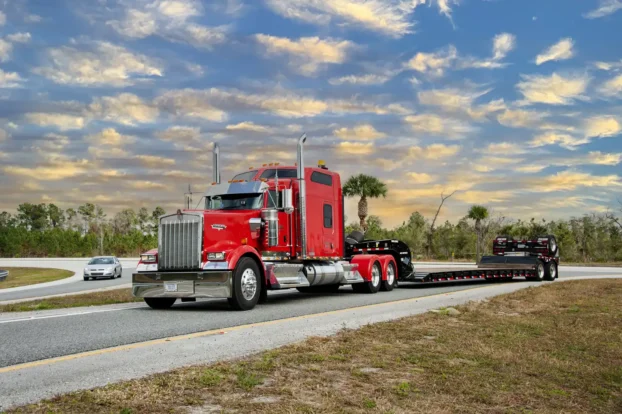
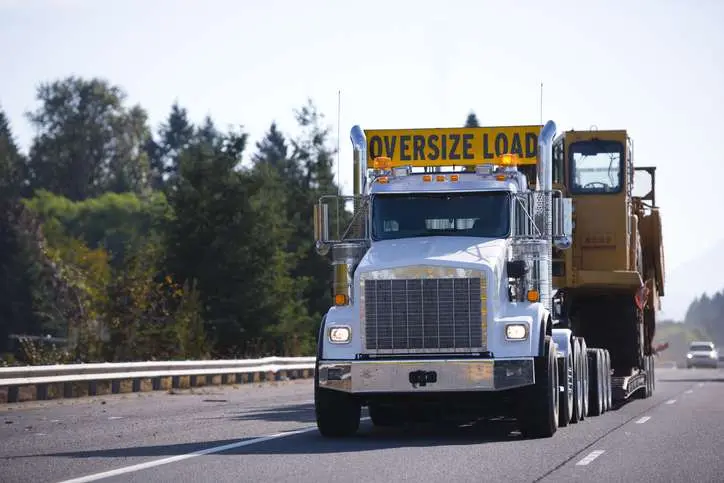
A superload represents a much larger and more complex category.
Definitions vary by state.
In Washington, for example, a superload is any load exceeding 200,000 pounds, 16 feet in width, or 16 feet in height.
Other states set different thresholds.
Knowing your state’s specific limits is essential before applying for heavy haul transportation permits USA.
Because of their size, superloads require a much higher level of scrutiny.
Standard heavy hauling permits are not enough.
Superload permits involve engineering reviews of bridge strength, roadway conditions, and traffic impact.
Utility companies may need to raise power lines. Temporary road closures or police escorts may be required.
This is not a routine permit application. It is a coordinated infrastructure event.
Why Businesses Often Misidentify Their Load
This is one of the most costly mistakes in heavy haul shipping.
Many companies assume their shipment is simply an oversized load because it exceeds normal limits.
But certain weight thresholds or dimensional measurements automatically move a shipment into the superload category.
This is especially common with industrial equipment, large generators, wind energy components, and refinery machinery.
When misclassification happens, the permit process changes completely.
Timelines shift. Costs increase. Projects stall.
Correct classification from the start is essential.
It ensures that heavy haul transportation permits USA are obtained accurately and without costly delays.
The Permitting Timeline Difference
The gap between oversized and superload permits is significant.
Standard oversize permits are relatively straightforward.
Carriers submit load dimensions and route information to the state transportation department.
If the route meets safety requirements, permits are often issued within hours or a few days.
Superload permits operate on a completely different timeline.
Engineering reviews must be completed. Route surveys may be required. State agencies need time to assess infrastructure.
In some states, superload applications require 30 to 60 days of advance notice.
For businesses managing tight project schedules, this distinction directly affects planning.
The Real Cost Difference
Oversized loads already involve extra expenses. Permit fees, escort vehicles, and travel restrictions add to the final price.
Superloads cost considerably more.
Engineering studies, specialized trailers, additional escorts, and infrastructure adjustments all increase project costs.
Police escorts and road closures add further expenses.
Understanding which category applies before budgeting is critical.
Misclassification leads to surprise costs that could have been avoided entirely.
How to Save on Heavy Haul Shipping Costs Without Cutting Quality
The good news is that smart planning reduces costs significantly. Here is how experienced businesses do it.
Classify your load correctly upfront.
Misclassification wastes time and money.
Getting the category right from the start prevents expensive permit revisions and rerouting mid-project.
Apply for permits early.
Last-minute permit applications increase costs.
Early applications allow time to find the most cost-effective route and avoid rush processing fees.
Optimize your route.
Some routes require fewer escort vehicles or have fewer infrastructure obstacles.
Experienced heavy haul companies know which corridors reduce costs without compromising safety.
Work with carriers who specialize in your load type.
Not all heavy haul trucking companies operate the specialized equipment required for superloads.
Using the wrong carrier leads to delays and added costs.
The right carrier has the equipment, permits, and relationships already in place.
Bundle permit applications where possible.
For multi-state moves, coordinating permit applications simultaneously reduces processing time and administrative costs.
How Jansson LLC Simplifies the Process on Securing Heavy Haul Transportation Permits USA
Jansson LLC helps U.S. businesses navigate the complexities of heavy haul transportation permits USA.
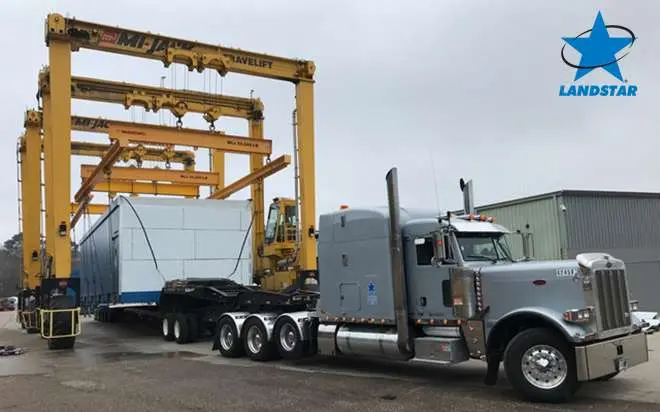
As a Landstar freight agent, Jansson connects clients with experienced carriers who specialize in both oversized loads and superload projects.
The carriers in our network understand the detailed requirements of securing permits across multiple states.
Before transportation begins, load specifications are evaluated carefully and the correct permit level is determined upfront.
Permit levels are confirmed upfront, with oversize permits, superload permits, and route planning all coordinated with precision.
This proactive approach prevents misclassification, reduces delays, and keeps project costs under control.
Jansson works closely with trusted heavy haul trucking companies at every stage.
From equipment selection to route analysis, each step supports safe and efficient transportation.
Making the Right Call Before Your Shipment Moves
The difference between an oversized load and a superload is not just technical. It directly affects your timeline, your budget, and your project.
Companies that classify loads correctly from the start avoid the most expensive surprises in heavy haul shipping.
With the right expertise, even the largest freight moves can proceed smoothly and cost-effectively.
Reach out to us at Jansson LLC today and let’s talk about getting your heavy haul transportation permits USA right the first time.