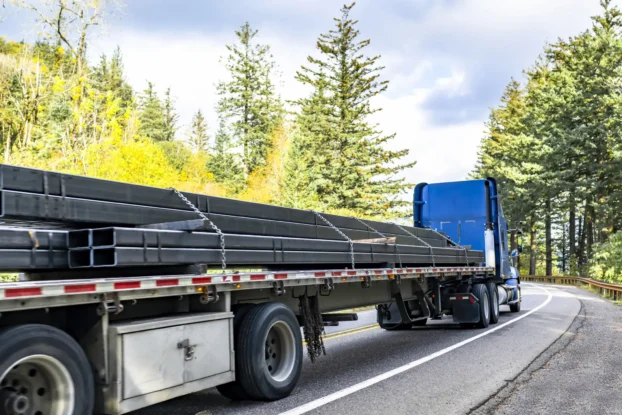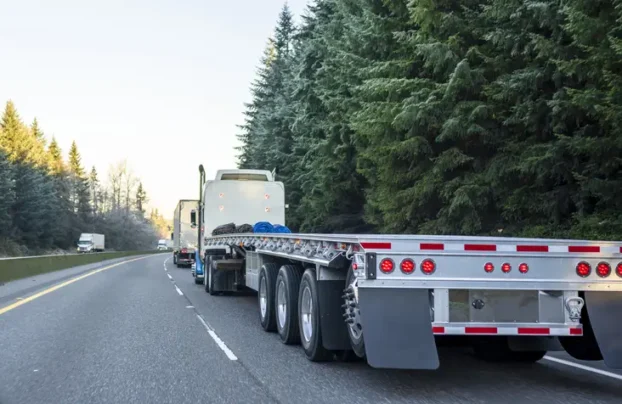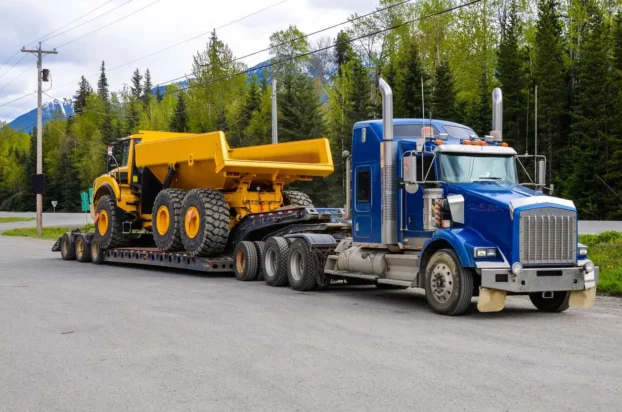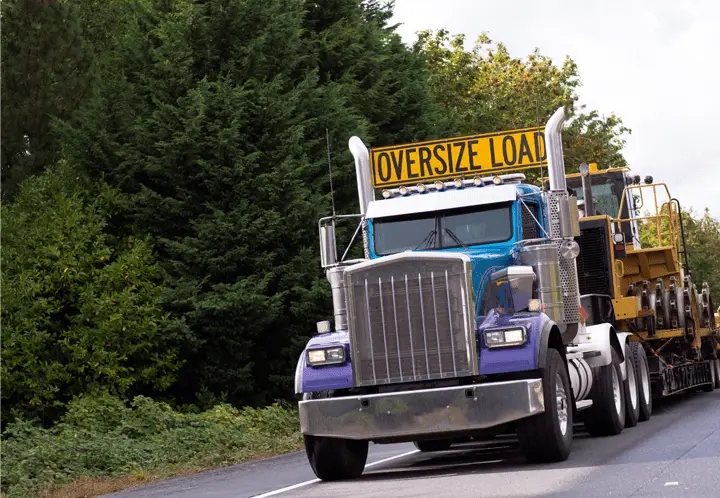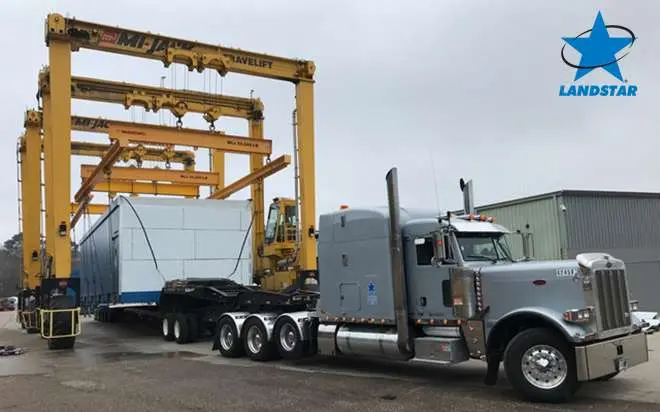
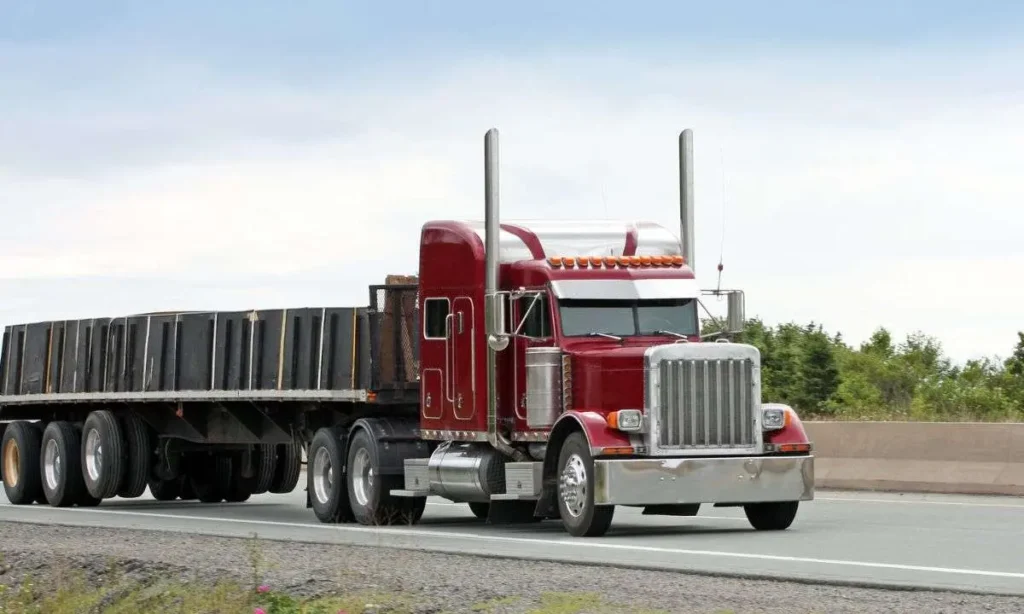
Shipping freight on a flatbed trailer isn’t as simple as loading and hitting the road.
With no sides or roof to contain the load, every item you haul is exposed. That means the way you secure your freight makes or breaks the trip.
A poorly secured load risks damage, delays, fines, and serious accidents.
In the competitive U.S. logistics industry, proper flatbed cargo securement isn’t just a safety measure. It’s a business necessity.
If your company depends on flatbed shipping, especially across U.S. routes, it’s critical to understand how to secure cargo correctly and consistently.
By following effective cargo securement techniques, your team can keep loads safe. They can also avoid compliance issues and deliver without problems.
Let’s break down what that really looks like in day-to-day operations.
1. Start With a Plan, Not a Strap
Everything begins before a single chain is tightened or a ratchet strap is cranked.
You need to plan your load layout carefully.
The shape, size, and weight of the cargo determine where it should be placed on the trailer.
For flatbed loads, positioning is your first layer of protection.
You want to center the heaviest pieces, keeping the center of gravity low and evenly balanced across the deck.
This reduces the risk of tipping or shifting while on the move.
Make sure the deck is clean and dry. Debris, oil, or moisture can affect how the load sits or how well your securement holds.
A smart load plan is often the difference between a smooth run and a safety risk.
2. Use the Right Gear and Enough of It
Having the right securement gear matters just as much as how you use it.
Cargo securement relies on tools like ratchet straps, steel chains, edge protectors, binders, and synthetic webbing.
However, choosing the right one depends on your specific freight requirements.
Lighter cargo may be secured with web straps, while heavier equipment often requires chains.
Federal regulations in the U.S. say your total working load limit (WLL) must equal at least half the weight of the cargo.
That’s the legal minimum.
But experienced operators know that meeting the minimum doesn’t always guarantee safety.
Going beyond those requirements builds in extra protection, especially when dealing with rough roads or long hauls.
Over-securing isn’t overkill. It’s good practice.
Flatbed shippers who rely on just the minimum number of tie-downs are taking a risk they don’t need to.
Using an extra strap or chain often prevents thousands of dollars in freight damage or injury.
3. Know Your Techniques and Apply Them Right
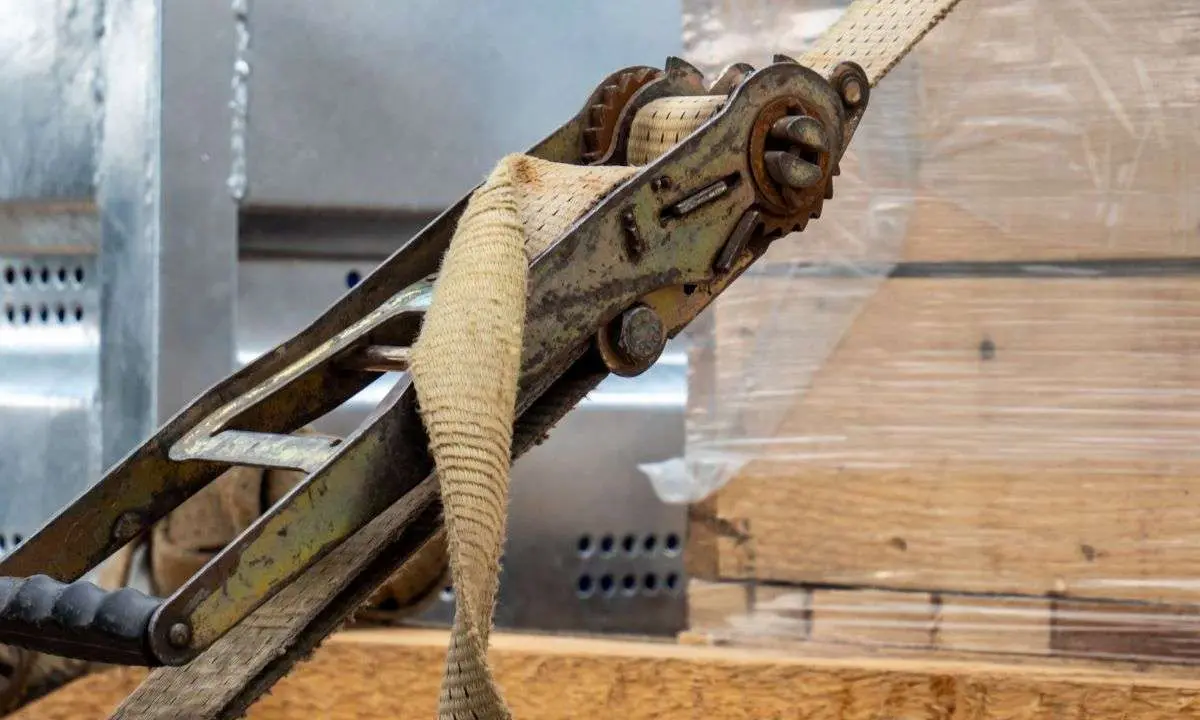
Cargo securement techniques vary depending on the load and the type of trailer.
What works in an enclosed van may not apply to a flatbed.
Without walls or a roof to hold freight in place, flatbeds demand a more strategic, multi-directional securement approach.
For example, you can’t just strap cargo side-to-side. You also have to prevent movement forward and backward.
A sudden stop can send unsecured cargo flying forward.
Likewise, acceleration can cause backward shifting. Tall or top-heavy freight may require extra straps positioned at different heights to keep the load stable.
Loads that could roll, like pipes, logs, or wheeled equipment, must be secured in a way that blocks all movement.
This often means using wedges or cradles in addition to straps or chains.
In every case, securement must protect the load from sliding, tipping, or bouncing, no matter what road conditions you face.
It’s also smart to check the load shortly after the trip begins.
A quick inspection around 50 miles into the drive lets you catch and fix issues like loosening straps or settling loads.
Skipping this step can turn a secure load into a dangerous one.
4. Understand the Rules and Go Beyond Them
In the U.S., cargo securement is governed by the Federal Motor Carrier Safety Administration.
Under their rules, securement devices must be rated for the load and used in ways that prevent any shifting or release.
Cargo must be secured so it cannot fall, leak, blow off, or slide.
These regulations are enforced during roadside inspections, and violations can result in steep fines or out-of-service orders.
But beyond legal compliance, strong securement builds your company’s reputation.
It shows shippers and customers that you take freight safety seriously and operate professionally.
Knowing the rules is essential. But the best carriers aim higher than the minimum.
They create systems and standards that keep freight safe in real-world scenarios, not just on paper.
5. Build Safety Into Your Culture
No matter how good your gear or your plan, cargo safety comes down to people.
Drivers need proper training to handle securement the right way.
They must know how to select the best tie-downs for each load.
Additionally, knowing how to apply them correctly and how to inspect everything before hitting the road is critical.
Good training isn’t a one-time event. It should be built into your operation.
Drivers need practical experience with various types of loads and the challenges associated with securing them.
Regular refresher training helps maintain best practices. Foster a strong safety culture by encouraging double-checks and team reviews.
A driver who understands securement doesn’t just protect cargo.
They protect your brand, your insurance rates, and your long-term business.
6. Stay Ahead of Problems with Regular Maintenance
Even the best-secured load can run into trouble if your equipment isn’t up to the job.
That’s why inspections and maintenance are critical.
Straps wear down, chains get damaged, anchor points corrode, and trailer decks weaken over time.
Waiting until something fails isn’t an option.
Protecting your equipment and cargo requires proactive measures.
This includes replacing worn securement tools before they break. Use tarps or covers to shield loads from adverse weather. Reinforce anchor points and add bracing as necessary for optimal safety.
Flatbed freight is always exposed, so every piece of the puzzle needs to be reliable.
The cost of preventative maintenance is small compared to the cost of a lost or damaged load.
Securement Is a Business Advantage
In the U.S. freight market, a company known for safe and secure flatbed hauling stands out.
Clients look for carriers who protect their cargo, not just deliver it.
Strong cargo securement techniques are part of your customer service.
They reduce claims, improve delivery times, and build trust.
When you make securement part of your standard, you offer more than just transport.
You offer peace of mind. That becomes a selling point you can leverage to win more business and grow your operation.
Let Jansson Help You Ship Flatbed Freight Safer and Smarter

At Jansson Company, we bring flatbed experience, professionalism, and a sharp focus on cargo securement.
We don’t cut corners, and we don’t guess.
Every load is reviewed, every securement checked, and every trip monitored.
Our team works directly with U.S. businesses to plan smart, reliable freight moves.
We ensure freight protection on flatbeds through proven securement techniques and top-quality gear.
Our drivers are thoroughly trained, and every load undergoes inspection, leaving nothing to chance.
If you want a partner who treats your cargo like it matters (because it does), then it’s time to talk.
Book a call with a Jansson expert today. We’ll help you build a freight strategy that’s safer, stronger, and more reliable from start to finish.