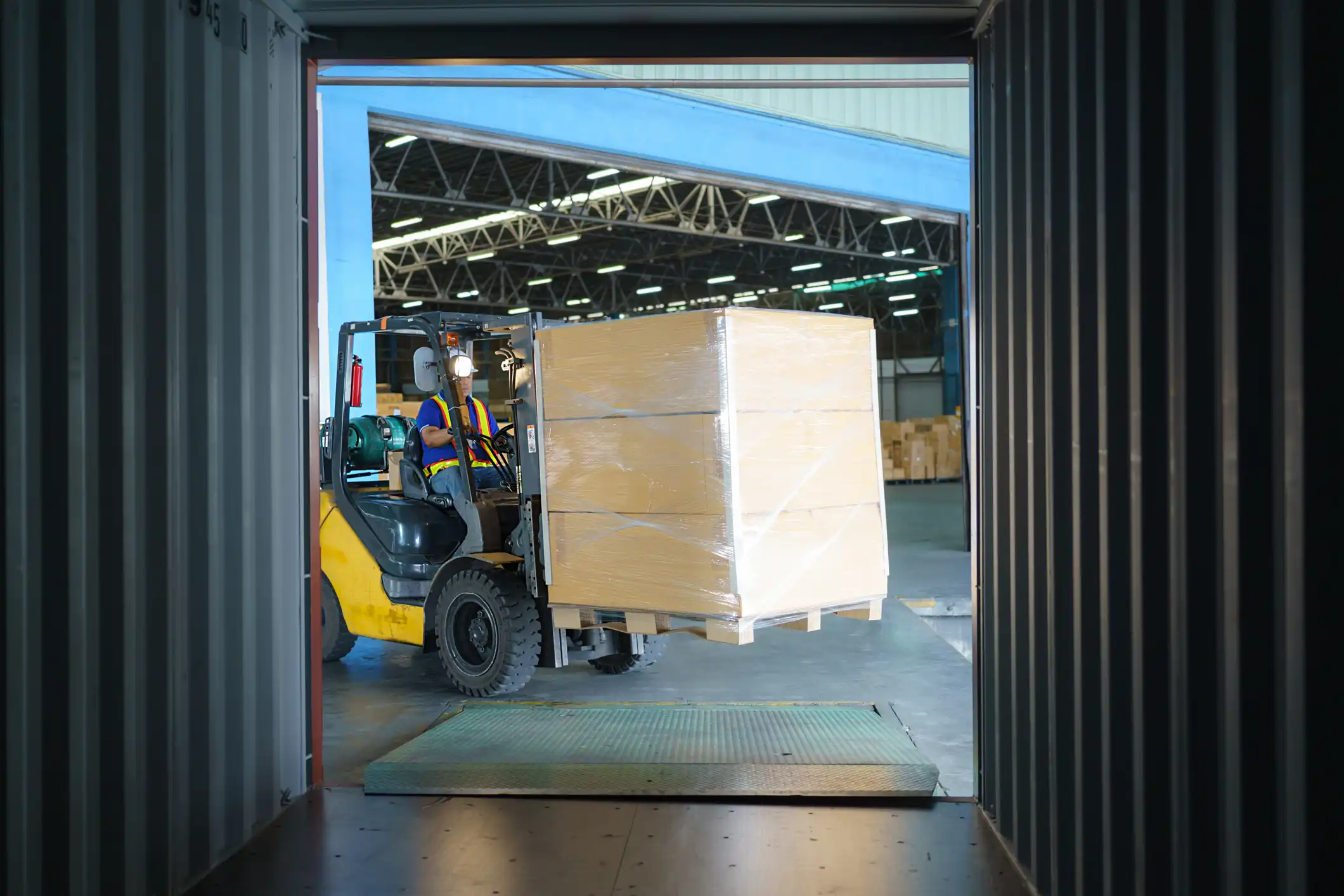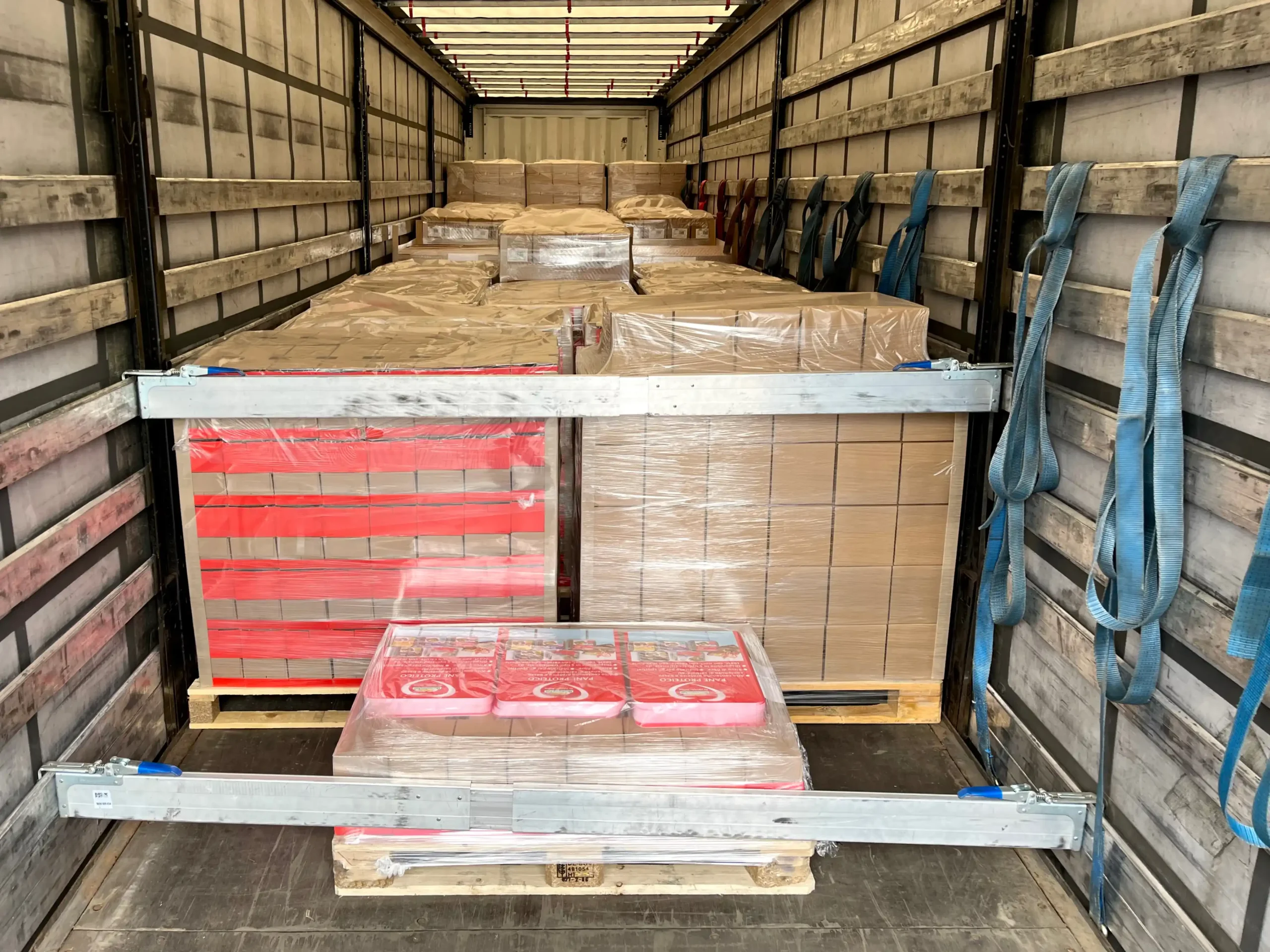
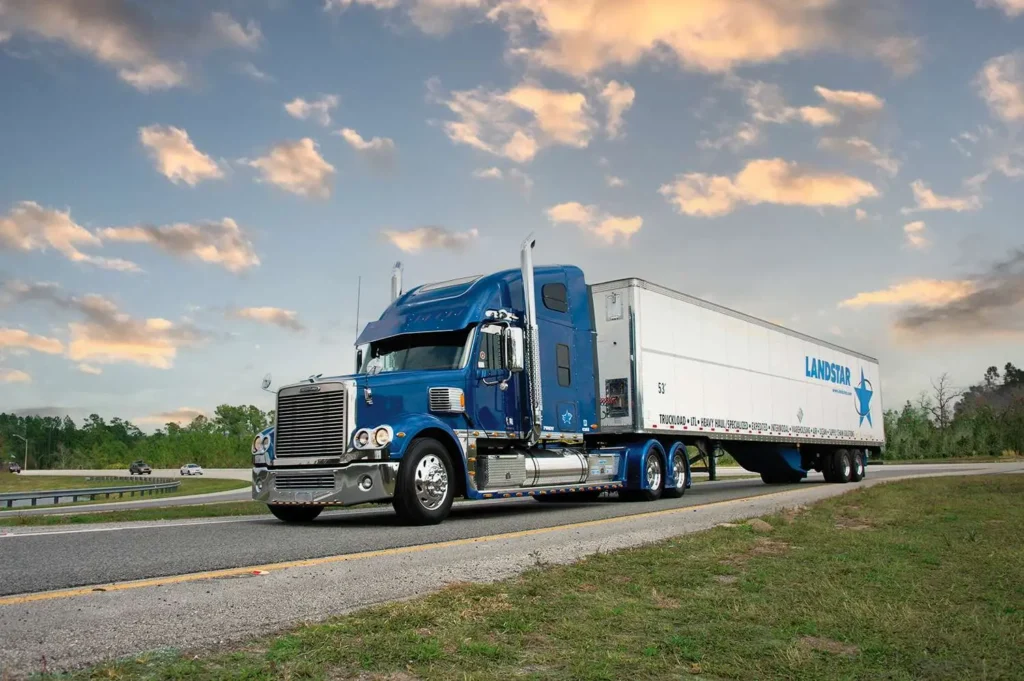
Intermodal transport is reshaping how U.S. businesses move freight and for good reason.
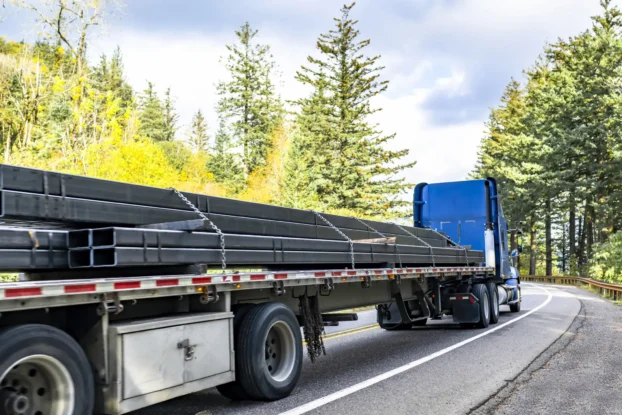
While trucks still handle most of the nation’s cargo and remain essential, relying only on over-the-road (OTR) shipping can mean higher costs and lower efficiency.
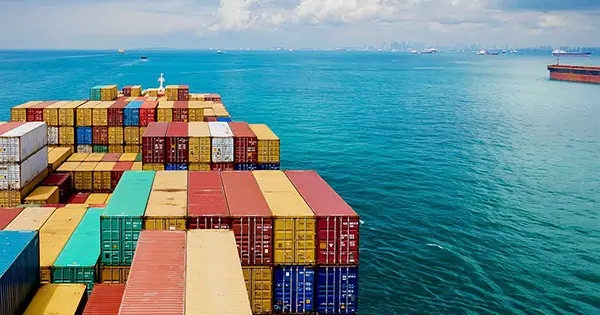
Today, intermodal transport blends multiple transport modes like truck, rail, and ship to move freight efficiently.
Businesses now choose it as a smarter, more reliable, and often more cost-effective option for long-haul shipping.
Here are nine signs your business is ready to make the modal shift to intermodal transport before your competition does.
1. Your Long-Haul Shipping Costs Keep Climbing
If your OTR freight bills are growing month after month, you’re not alone. Trucking costs have surged, especially on high-volume lanes.
By shifting some of that volume to intermodal freight transport, you can tap into lower rail rates without losing delivery reliability.
Rail is more fuel-efficient over long distances. Additionally, containerization eliminates concerns about freight handling or repacking during transit.
2. You’re Shipping Freight 700+ Miles
There’s a clear rule of thumb. If your freight regularly travels more than 700 miles, intermodal logistics starts to make serious financial sense.
That’s the sweet spot where rail becomes competitive with trucking, and often cheaper.
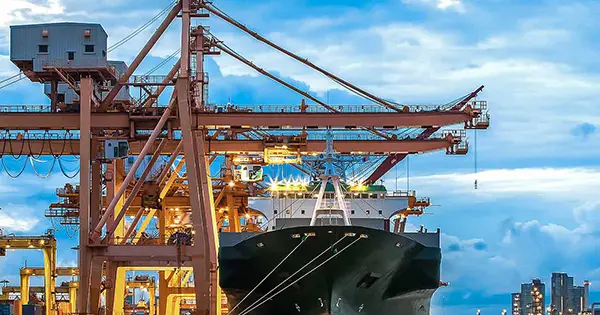
The U.S. has an extensive rail network connecting inland ports, intermodal terminals, and coastal container terminals.
That infrastructure is built for high-volume, long-distance freight.
3. Your Loads Start or End Near an Intermodal Hub
Do you ship from major metro areas like Chicago, Dallas, Atlanta, or Southern California?
These cities are packed with access to intermodal hubs, rail-road transport, and drayage services.
If you’re within 100 miles of one, you’re well-positioned to take advantage of intermodal freight transport with minimal disruption.
4. Driver Shortages Are Disrupting Your Operations
Finding reliable trucking capacity is getting harder.
Driver shortages are still a problem in U.S. freight logistics, and every delay costs you time, money, and customer trust.
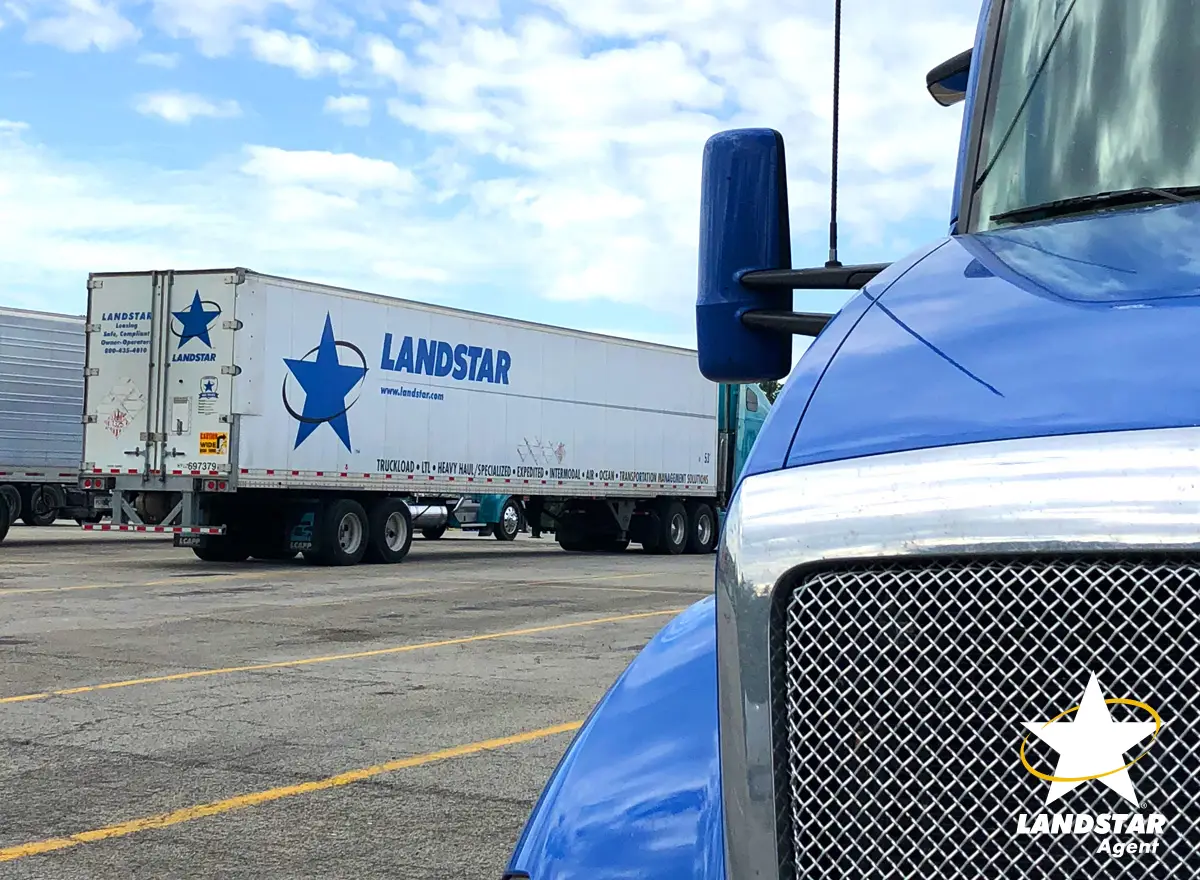
With intermodal transport, trains handle the bulk of the miles, and drayage drivers only handle local hauls.
This cuts down your exposure to the capacity crunch.
5. You’re Under Pressure to Cut Emissions
Customers and regulators alike are watching your carbon footprint shipping performance.
Trucks emit significantly more CO₂ per ton-mile than trains.
By shifting a portion of your freight to rail via intermodal logistics, you can meet internal sustainability goals or win bids from eco-conscious clients.
It’s not just good PR but a smart strategy.
6. You’re Tired of Highway Delays and Congestion
From bad weather to traffic jams, highways are unpredictable. And when your supply chain is built on precision, even small delays hurt.
Intermodal transport routes via rail are more reliable, less prone to seasonal disruption, and avoid the worst of highway congestion.
Rail also runs on fixed schedules, making planning easier.
7. You Need More Predictability in Your Supply Chain
If you’re struggling with missed delivery windows or inconsistent transit times, intermodal vs multimodal becomes an important distinction.
Intermodal keeps your freight in one sealed container across all legs of the journey, often under a single carrier contract.
That makes planning and tracking easier and gives you more control over your entire supply chain transportation process.
8. You’re Moving More Volume Than Your Fleet Can Handle
Growth is great. That is until your logistics can’t keep up.
If your OTR carriers are stretched thin or your private fleet is maxed out, it’s time to scale with intermodal freight transport.
You can move more freight with fewer trucks, and avoid scrambling for trailers during seasonal peaks.
9. You Want to Save Money Without Sacrificing Service
This one’s simple.
When done right, intermodal logistics costs less per mile, reduces fuel usage, and still gets your freight delivered reliably.
If you’re working with the right logistics partner, intermodal doesn’t mean slower or riskier. It means smarter, leaner, and more sustainable.
The Bottom Line
If any of these signs hit close to home, your business is ready to explore a modal shift transport strategy. And you don’t have to go it alone.
Make the Shift With Jansson
At Jansson, we understand that OTR trucking still powers much of the U.S. economy and it’s a core part of our business.
But we also know how and when to blend in intermodal transport for better results.
We Know OTR Trucking Inside and Out
Over-the-road trucking still does the heavy lifting in U.S. freight and we’ve built deep expertise around it.
From coast-to-coast hauls to regional delivery challenges, we’ve seen it all and solved it all.
But We Also Know When It’s Time to Shift
Intermodal transport isn’t about replacing trucking. It’s about using it smarter.
We help you find the right balance between rail, truck, and drayage so your supply chain runs leaner and stronger.
Cut Costs Without Cutting Corners
Intermodal routing can reduce your transportation spend without affecting performance.
We identify where a modal shift will save money and still keep deliveries running on time.
Smarter Planning Across All Modes
With our team managing your multimodal transport, you’ll get better route design, improved scheduling, and fewer surprises.
We coordinate the complexity so you don’t have to.
Make Sustainability a Strength
Lowering your carbon footprint shipping isn’t just a nice-to-have. It’s a market advantage.
We’ll help you integrate rail into your supply chain to meet your emissions goals and win over eco-minded clients.
We Handle the Heavy Lifting
We handle everything, from intermodal terminals, container transfers, drayage services, and rail scheduling. This way, you can stay focused on running your business.
Nothing gets overlooked.
Let’s Move Smarter with Intermodal Transport, Together
Your freight strategy shouldn’t just work. It should evolve.
With intermodal transport, you can cut costs, gain flexibility, and strengthen every link in your supply chain. If you’re ready to future-proof your logistics and move smarter, Jansson is ready to help.
Book a call with a Jansson expert today. Let’s build a smarter supply chain, one that moves on your terms.