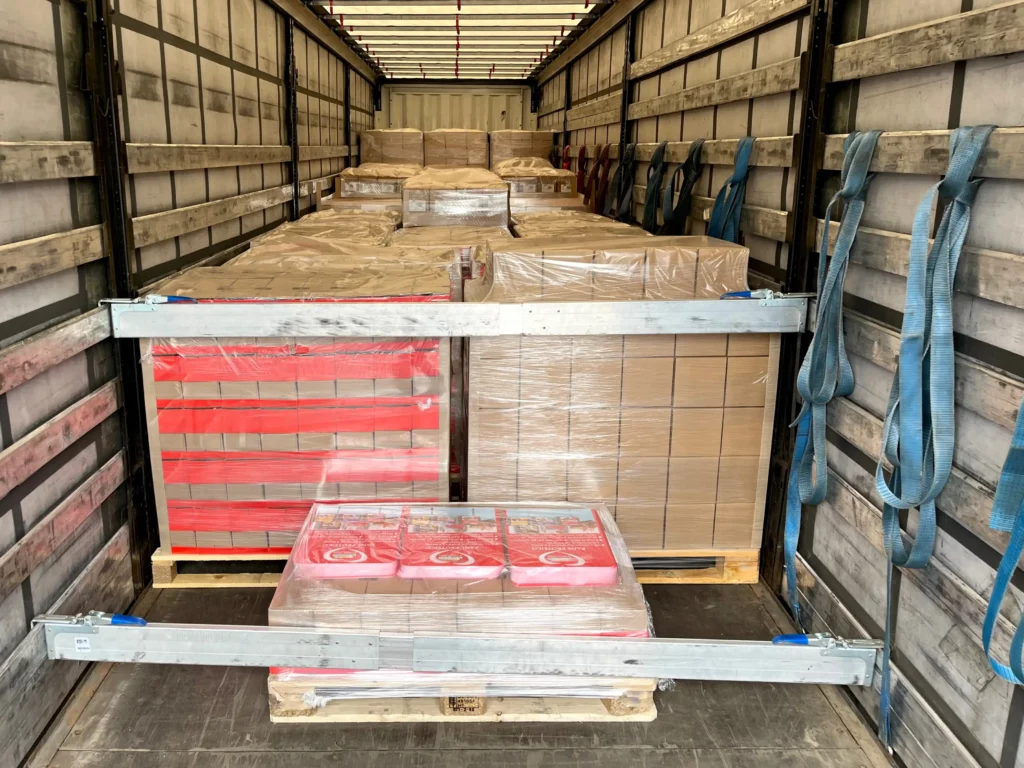
LTL accessorial charges are one of the sneakiest costs in freight shipping.
And learning how to save money and avoid hidden fees starts with understanding exactly what they are.
You get a quote and plan your budget soon after. Then the final invoice arrives and it is higher than expected.
Sound familiar? You are not alone.
Accessorial charges are additional fees for services that go beyond standard pickup and delivery in LTL shipping.
These fees are usually added after a shipment is completed, which makes budgeting difficult.
Failing to account for them causes delays, invoice disputes, and unexpected costs that compound across dozens of monthly shipments.
The good news is that most of these charges are avoidable.
Here are seven proven strategies to help you reduce LTL accessorial charges and protect your bottom line.
What Are LTL Accessorial Charges?
Before diving into the strategies, it helps to understand what you are dealing with.
Freight accessorial charges are extra fees that LTL carriers apply for services or equipment needed to complete a delivery.
Detention fees apply when loading runs long. Liftgate charges come up at locations without a dock. Missed deliveries trigger redelivery costs. Wrong shipment details lead to reclassification fees.
Each one seems small on its own. Together, they seriously eat into margins.
Strategy 1: Get Your Shipment Details Right the First Time
This is the single most effective way to reduce LTL accessorial charges.
LTL carriers rely on the bill of lading to classify shipments by weight, density, and handling requirements.
Inaccurate information leads to reweigh or reclassification fees. Both of which are entirely preventable.
Always double-check weight, dimensions, and freight class before booking. A few extra minutes of preparation can save significant money after delivery.
A Quick Tip Worth Following
Transportation Management Systems can validate shipment details automatically before pickup.
For businesses shipping LTL freight regularly, this is one of the highest-return technology investments available.
Strategy 2: Declare Special Requirements Upfront
Many LTL accessorial charges come from surprises at pickup or delivery.
When a driver arrives without a liftgate and the shipment must be rescheduled, additional charges apply immediately.
Notifying the carrier of liftgate requirements during booking prevents this entirely.
The same applies to inside delivery, residential stops, and limited access locations.
Tell the carrier everything upfront. Include all special requirements on the bill of lading.
No surprises for the driver means no surprise fees on the invoice.
Strategy 3: Streamline Loading and Unloading
Detention fees are among the most common LTL accessorial charges and almost entirely preventable.
LTL carriers allow a set amount of free time at pickup or delivery, typically around two hours.
Once that window closes, hourly detention rates apply.
According to a U.S. Department of Transportation Office of Inspector General report, detention is associated with annual earnings reductions of $1.1 billion to $1.3 billion for commercial motor vehicle drivers nationwide.
This is a cost that ultimately flows back to shippers through higher rates and tighter carrier relationships.
Standard detention rates range from $25 to $100 per hour depending on the carrier and load type. Across multiple shipments per month, that adds up fast.
Freight should be ready before the driver arrives. Appointments should have clear pickup and delivery windows.
Enough staff and equipment should be available to move quickly. Every minute saved at the dock is money back in the budget.
Strategy 4: Negotiate Detention Terms in Your Contracts
Default carrier terms do not have to be accepted as final.
Work with LTL carriers to include favorable detention terms in contracts.
Options include negotiating extended free time, capping detention rates, and including performance clauses for repeated carrier delays.
Most businesses never ask for better terms. Carriers who value consistent volume will often negotiate.
Even extending free time from two hours to three hours makes a real difference across dozens of monthly shipments.
Strategy 5: Use Technology to Stay Ahead of Delays
Real-time visibility is not just a nice-to-have. It is a cost-saving tool.
GPS tracking and digital freight tools provide immediate visibility into potential delays.
Automated alerts allow shippers to address issues as they develop, notify carriers and receivers in real time, and adjust schedules before detention fees kick in.
Seeing a problem coming means acting before it becomes a charge.
For businesses shipping LTL freight across multiple lanes, proactive visibility reduces LTL accessorial charges significantly over time.
Strategy 6: Audit Every Invoice
Most businesses review shipping invoices once, if at all. That is a costly habit.
Reviewing charges after delivery and asking carriers to explain accessorials helps identify billing errors.
Many charges can be disputed and prevented from recurring on future shipments.
Patterns matter.
Are the same LTL accessorial charges appearing on the same lanes? Are reclassification fees showing up repeatedly?
That is a signal to fix something in the process, not just pay the bill.
Catching even one recurring charge per week adds up to thousands saved by year end.
Strategy 7: Work With a Freight Partner Who Knows the Market
This is the strategy that ties everything else together.
The data tells the story. Analyzing historical shipments reveals where LTL accessorial charges keep appearing. Addressing those patterns with the right processes leads to real, lasting savings.
However, most business owners simply do not have the time.
So, find a trusted freight partner who brings carrier relationships, market knowledge, and the tools to catch fees before they hit your invoice.
That proactive approach is what separates reactive shippers from strategic ones.
Why LTL Accessorial Charges Matter Even More in 2026
The LTL shipping market is shifting.
Rates are rising. Capacity is tightening. LTL carriers are enforcing their tariffs more strictly than ever.
Charges that were once waived or overlooked are now being applied consistently.
Teams that are not actively managing them are leaving money on the table every single month.
The seven strategies above work.
They work best when someone is watching your freight closely.
Every shipment, every invoice, every time.
How Jansson LLC Helps You Reduce LTL Accessorial Charges
Managing LTL accessorial charges takes more than awareness. It takes experience, relationships, and consistent attention.
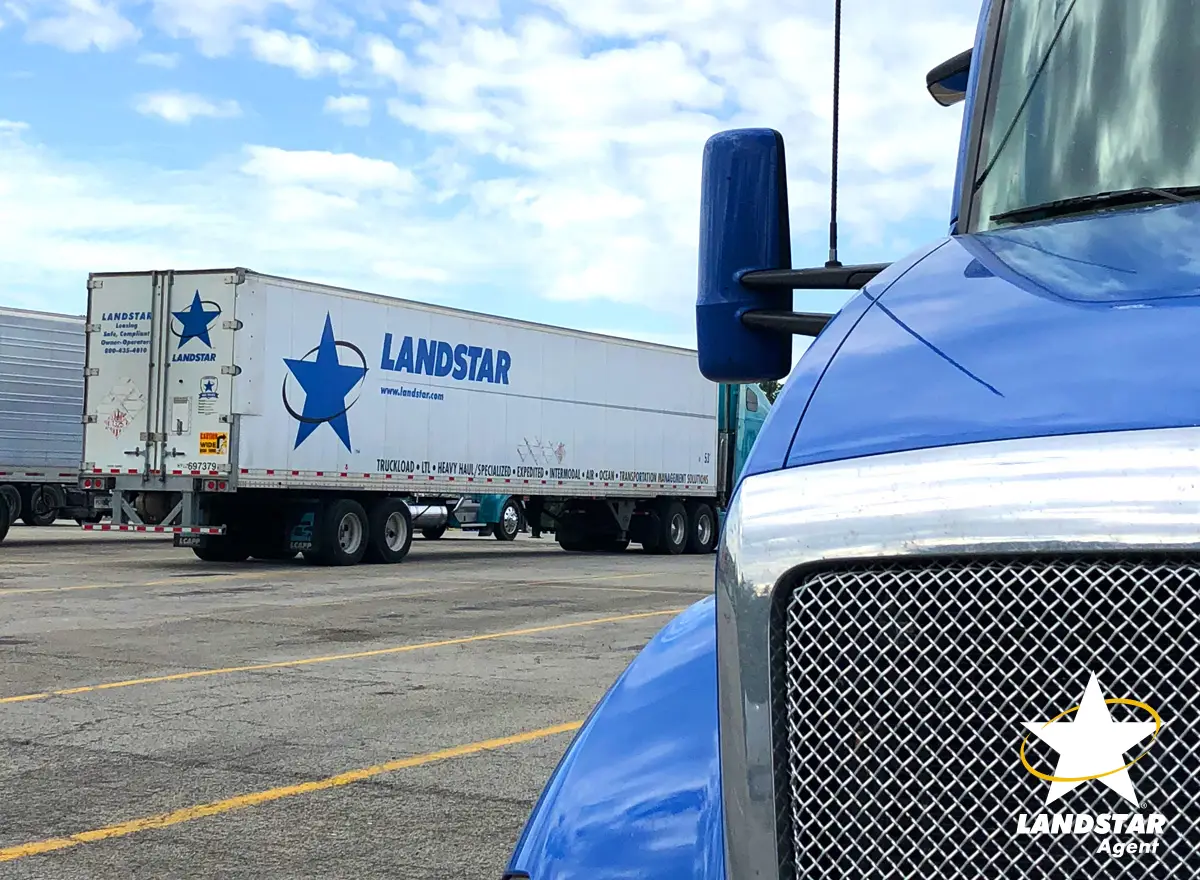
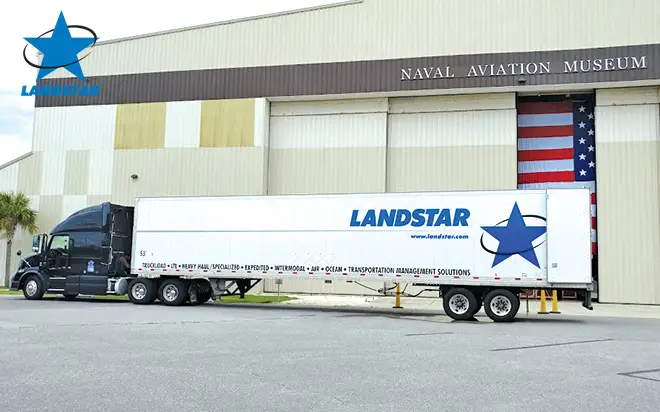
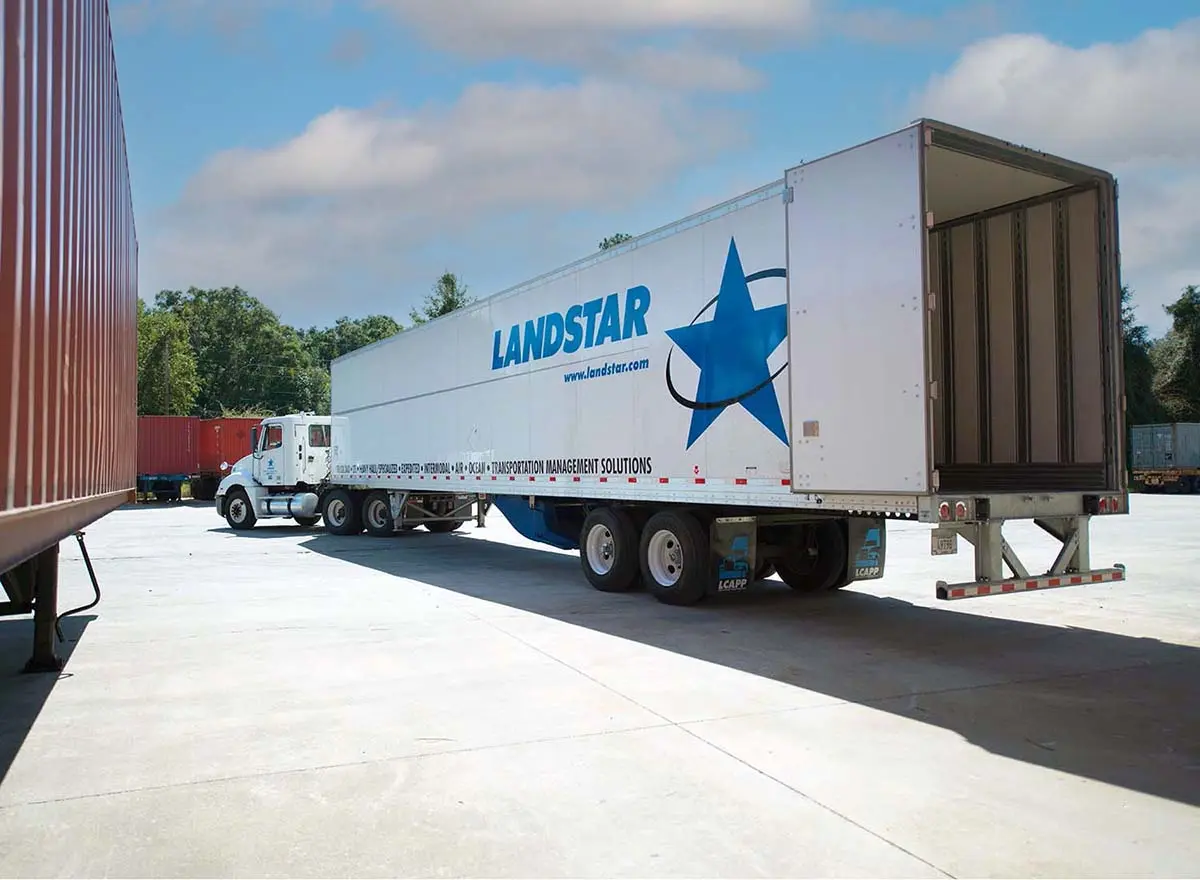
Jansson LLC is a Landstar freight agent helping U.S. businesses take control of their LTL shipping costs.
Freight profiles get reviewed. Areas where accessorial fees are hitting hardest get identified.
A smarter LTL logistics strategy gets built around your specific needs.
Through the Landstar network, Jansson connects clients with a broad network of trusted LTL carriers and the tools to ship freight more predictably and efficiently.
Freight gets moved smarter, not just faster.
Ready to stop paying for fees you could have avoided? Schedule a call Jansson LLC today and let’s review your current LTL shipping setup together.