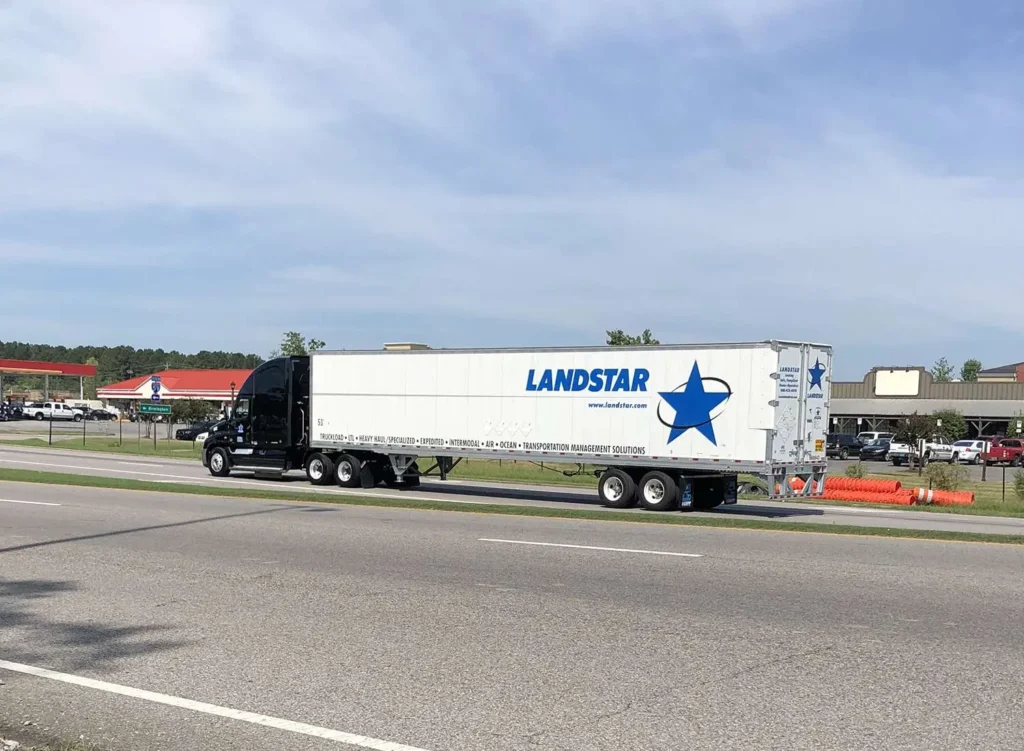
Shipping costs are climbing. So, for U.S. businesses looking to stay competitive, intermodal transport is becoming a smart solution.
With fuel prices, labor shortages, and supply chain delays squeezing margins, finding cost-effective shipping strategies is more important than ever.
When used right, intermodal transport can reduce freight costs and improve delivery reliability. It also helps businesses grow without burning through cash.
Let’s break it down.
What Is Intermodal Transport?
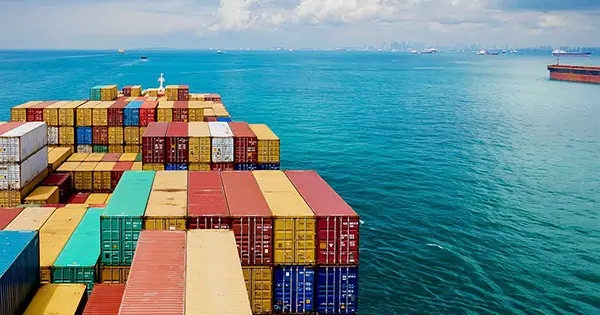
Intermodal transport means using two or more transport modes, like truck, rail, and ship, to move a shipment in one container.
The key? That container stays sealed the whole way. No repacking, no extra handling.
It’s not the same as multimodal transport, where one provider handles all legs under a single contract.
With intermodal, each mode can be handled by different carriers. This gives you more flexibility and often better pricing.
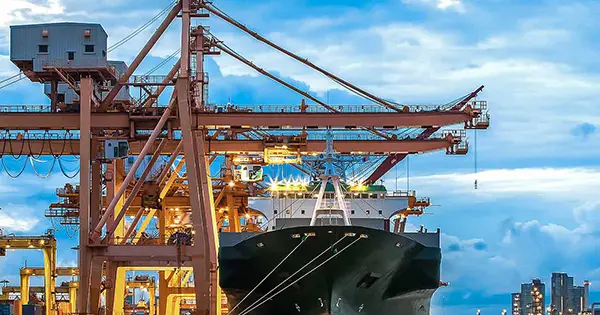
Intermodal transport uses hubs like terminals to transfer containers between trucks, trains, or ships.
You get the long-haul efficiency of rail, the reach of trucking, and the global access of ocean freight, all in one solution.
Why Intermodal Freight Transport Saves You Money
Intermodal freight transport isn’t just efficient. It’s a powerful way to reduce costs without sacrificing performance.
When you shift the right freight to rail, you unlock long-term savings across fuel, labor, and logistics.
Rail Is Cheaper Over Long Distances
Moving freight by rail is cheaper per mile than trucking, especially on long routes.
That’s a major win when fuel prices are unpredictable or rising.
Modal Shifts Reduce Fuel and Labor Costs
By shifting long-haul loads to trains (what’s known as a modal shift transport strategy), you can cut fuel usage and skip highway tolls.
It also reduces the number of driver hours required, which helps lower labor costs.
That shift alone can make a real dent in your shipping spend.
Rail Offers More Stable Pricing
Unlike truck rates, which can surge during peak seasons or driver shortages, rail pricing stays fairly consistent.
This stability gives you better control over your logistics budget and fewer cost-related surprises.
Proximity to Rail Hubs Boosts Savings
If you’re shipping to or from a region with strong rail access or near an intermodal hub, you’re in an ideal spot to take advantage of intermodal.
Close access to rail and inland ports streamlines transfers and makes your supply chain even more cost-effective.
Containerization Makes It Work
Standardized containers are the secret sauce behind intermodal logistics. Once your freight is packed into a container, it doesn’t get touched again until delivery.
Fewer touchpoints mean your freight is handled less often, reducing the risk of damage.
This approach cuts down on labor costs and helps prevent delays during transit.
It also allows for faster mode transfers at intermodal hubs, smoother handling at container terminals, and stronger overall security.
This efficiency helps keep costs down and deliveries on time.
The Role of Drayage Services
Drayage services handle the short truck trips that connect ports or rail terminals with warehouses or distribution centers. They’re the local link in the intermodal chain.
But here’s the catch. If drayage isn’t well-managed, it can derail your entire shipment.
Unreliable timing, high local rates, or poor coordination can eat away at your cost savings fast.
That’s why working with a logistics partner who understands local drayage is key to making intermodal work.
Intermodal vs Multimodal: Which Is Better?
If you’re wondering whether intermodal or multimodal transport is better, the answer depends on your goals.
Multimodal transport offers a more straightforward approach, with a single contract and a single provider overseeing the entire process.
But it offers less flexibility and fewer opportunities to optimize each leg of the journey.
Intermodal gives you control. You can choose the best carrier for each mode, cut costs, and adapt quickly when disruptions hit.
For most U.S. businesses trying to reduce shipping costs and stay agile, intermodal is the better bet.
Common Pitfalls (And How to Avoid Them)
Intermodal isn’t a set-it-and-forget-it solution. Here are some of the common challenges you might encounter.
Bottlenecks at Terminals Slow Everything Down
Delays at inland ports or intermodal terminals can stall shipments for hours, or even days.
To avoid this, work with a provider that understands terminal schedules and can plan around congestion.
Drayage Missteps Add Unexpected Costs
When drayage services aren’t tightly coordinated, short-distance hauls turn into major headaches.
Reliable local connections and proper timing keep these handoffs running smoothly.
Inflexible Routing Limits Efficiency
Some intermodal setups lock you into fixed routes that don’t serve your needs.
A flexible provider will customize routes based on your freight type, timelines, and destinations.
Poor Visibility Creates Risk
If you can’t track your shipment across transport modes, you’re flying blind.
Choose a partner with full visibility tools so you can stay informed and in control from start to finish.
To avoid these, work with a provider that understands intermodal logistics end to end, from the container terminal to the final mile.
How Jansson Helps You Ship Smarter
At Jansson, we’ve built our reputation on high-performance freight logistics.
OTR trucking is just one part of what we offer. We also design end-to-end solutions that blend truck, rail, and port into one efficient system.
Here’s how we help U.S. businesses use intermodal to cut costs and stay competitive.
Optimized Routing
We identify where a modal shift transport makes the most sense. That might mean rail for long-haul, truck for final delivery, or ship for international legs.
Whatever the route, we optimize for speed and spend.
Real-Time Tracking
With our systems, you know exactly where your freight is, whether it’s at an intermodal hub, in drayage, or on the move. You’ll get live updates and full visibility the whole way.
Smarter Drayage
We coordinate local connections with precision. That means fewer delays, smoother handoffs, and lower last-mile costs.
Sustainable Shipping
Want to reduce your carbon footprint shipping?
Rail emits less than trucking per ton-mile. Our solutions help you ship greener without paying more.
Move Your Business Forward with Smarter Intermodal Transport
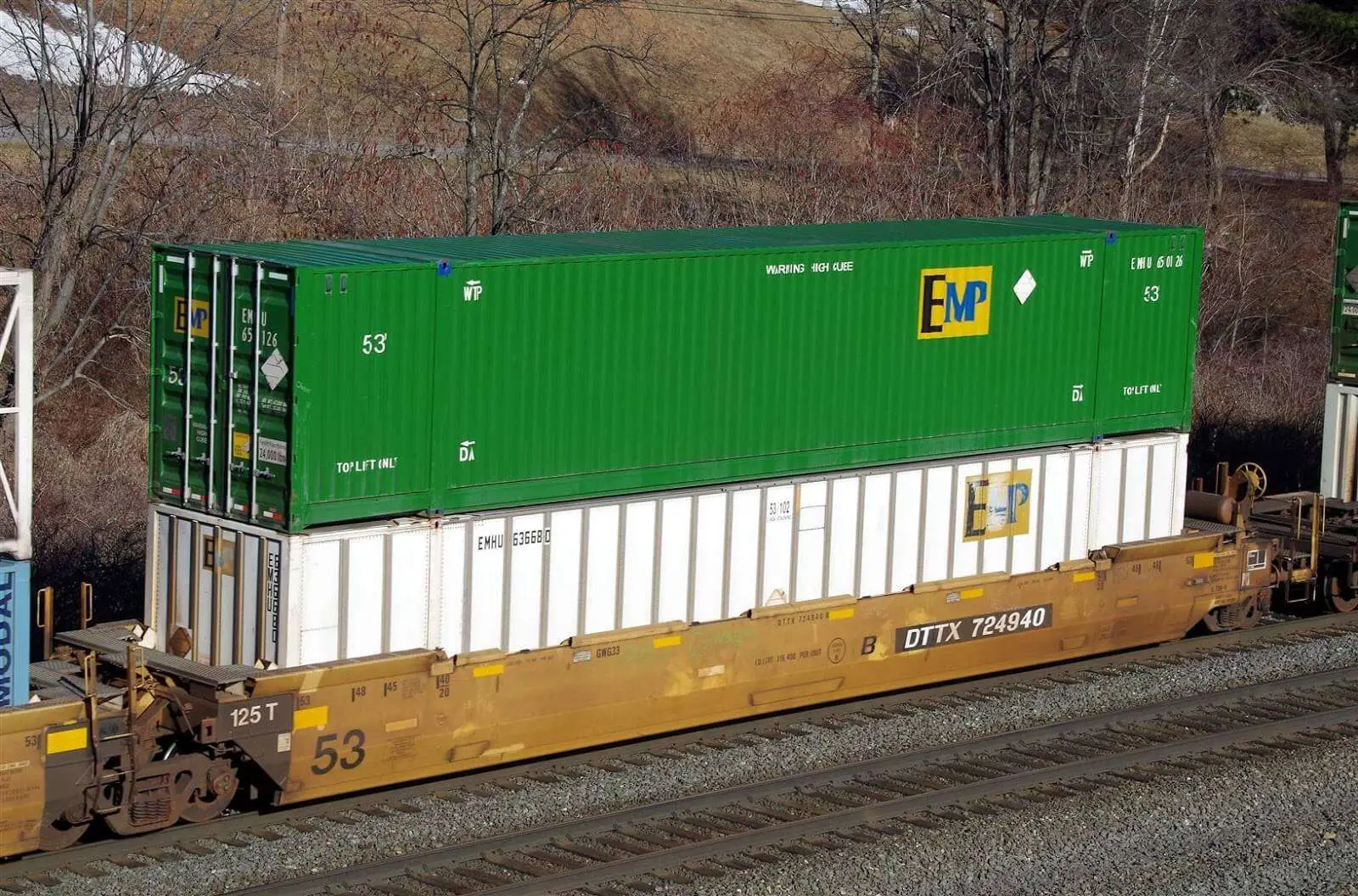
Intermodal transport isn’t just a trend. It’s a practical way to reduce costs, increase resilience, and build a smarter supply chain.
But you need the right partner.
At Jansson, we help you connect the dots, whether it’s truck to rail, rail to port, or local drayage to your warehouse.
We treat your freight like our own, and we stay with it from start to finish.
Ready to get started? Reach out to a Jansson expert and let’s talk about how intermodal can work for your business.