
The LTL fuel surcharge is no longer a small line item on your invoice. In 2026, it has become one of the biggest variables in your logistics budget.
Here is why.
Global disruptions, including restrictions at the Strait of Hormuz and ongoing Red Sea rerouting, have sent diesel prices sharply higher.
According to the U.S. Energy Information Administration, diesel reached $4.66 per gallon in early March 2026. That is a 25.6% increase in just three weeks.
Because LTL fuel surcharges are calculated as a percentage of your base freight rate, even small rate increases compound fast.
The two costs multiply each other.
For businesses shipping LTL freight regularly, this is not background noise. It is a direct hit to the margin.
The good news?
There is a proven strategy to reduce the impact. It is called LTL freight consolidation and it works.
What Is an LTL Fuel Surcharge?
An LTL fuel surcharge is a fee added by carriers to offset the cost of diesel. Unlike a flat fee, it is a percentage applied to your base shipping rate.
That percentage changes regularly based on diesel prices.
When diesel rises, the LTL fuel surcharge rises with it. A higher base rate means a higher surcharge, even if the percentage stays the same.
According to the DAT Freight & Analytics, accessorial charges like fuel surcharges are supplemental fees that significantly affect overall shipping costs.
Many shippers are caught off guard because these charges apply on top of base rates and compound quickly.
Why LTL Freight Consolidation Reduces Surcharge Exposure
The most effective way to reduce LTL fuel surcharge exposure is to ship less frequently but smarter.
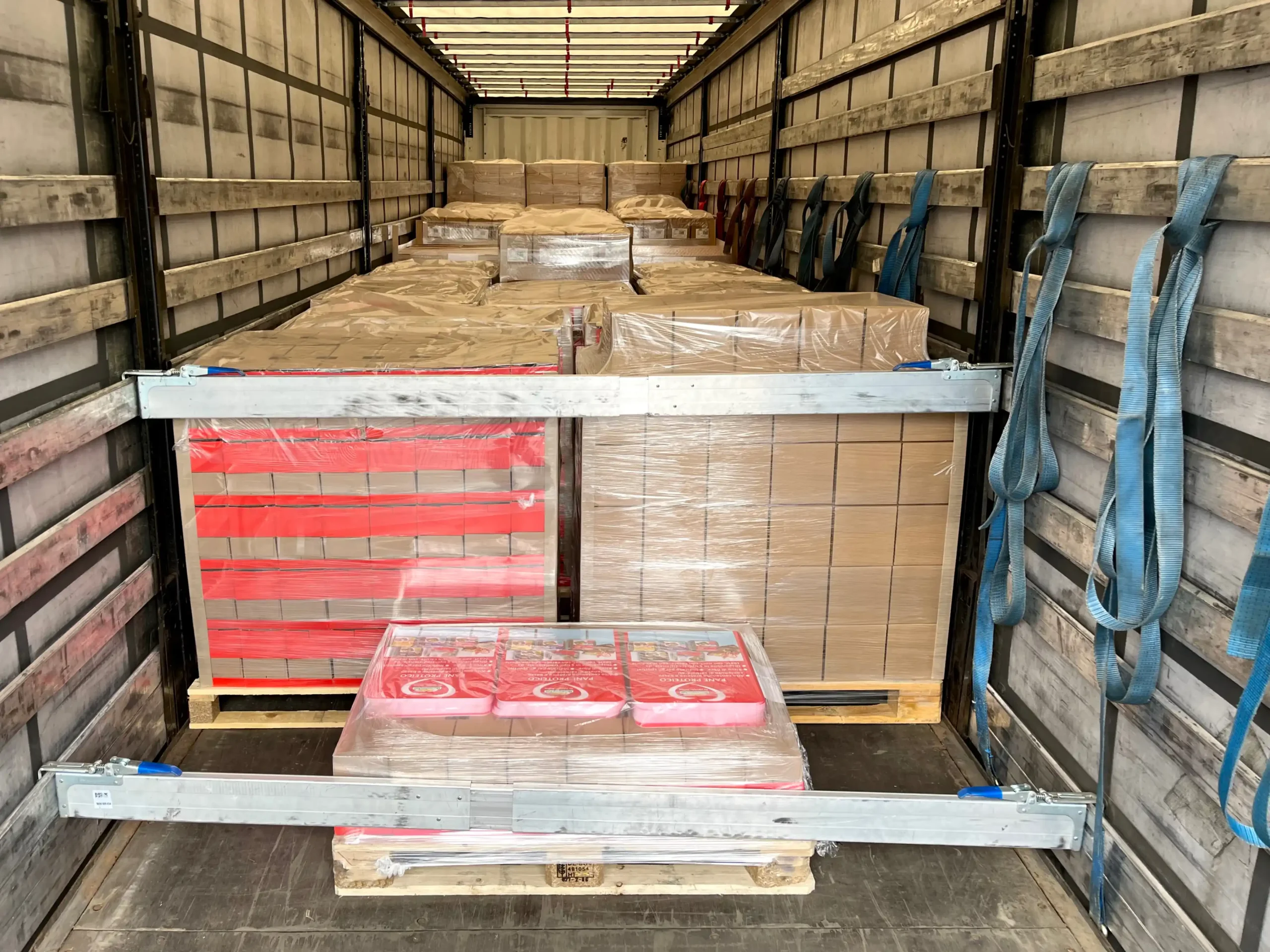
LTL freight consolidation means combining smaller shipments into fewer, larger loads.
Instead of shipping three partial loads across three separate days, you consolidate your shipping into one optimized load.
Here is why that matters.
Every separate LTL shipment carries its own base rate. Each base rate gets its own fuel surcharge applied on top.
More shipments mean more surcharges multiplied across every load.
Consolidating your shipping reduces the number of billable events.
This means fewer loads, fewer surcharge calculations, and a lower total cost.
Leverage improves too. Larger, more consistent volumes make you a more attractive shipper to carriers.
That strengthens your negotiating position on base rates, which directly reduces how much the LTL fuel surcharge costs you in absolute terms.
How to Start Consolidating Your LTL Shipments
Consolidation does not have to be complicated. Four practical steps make it manageable.
Review Your Shipping Frequency
Look at how often you ship and how full each load is.
Sending multiple partial loads per week to the same region? Consolidation is likely possible.
Combining those into one or two optimized loads can reduce your LTL fuel surcharge exposure immediately.
Improve Your Demand Forecasting
Accurate forecasting is the foundation of good consolidation.
Knowing what needs to ship and when allows you to batch shipments strategically.
Better forecasting does more than reduce costs. It makes you a more reliable shipper, and reliable shippers get better service.
Avoid Panic Shipping
When supply chains tighten, the instinct is to move freight faster.
Expedited LTL shipping carries the highest fuel surcharge multiplier effect.
Evaluating your full landed cost before upgrading service levels prevents unnecessary spending that compounds the problem.
Work With a Logistics Partner Who Understands Consolidation
The right partner identifies consolidation opportunities across your freight lanes.
Base costs get negotiated down. A shipping strategy gets built that holds up even when fuel costs spike.
Why the Right LTL Partner Matters More in 2026
The LTL fuel surcharge is not going away. Diesel prices will continue to fluctuate. Surcharge percentages will keep changing.
Shippers who manage this best are the ones with the right systems and the right partners in place.
How Jansson LLC Helps You Ship Smarter and Manage LTL Fuel Surcharge Costs
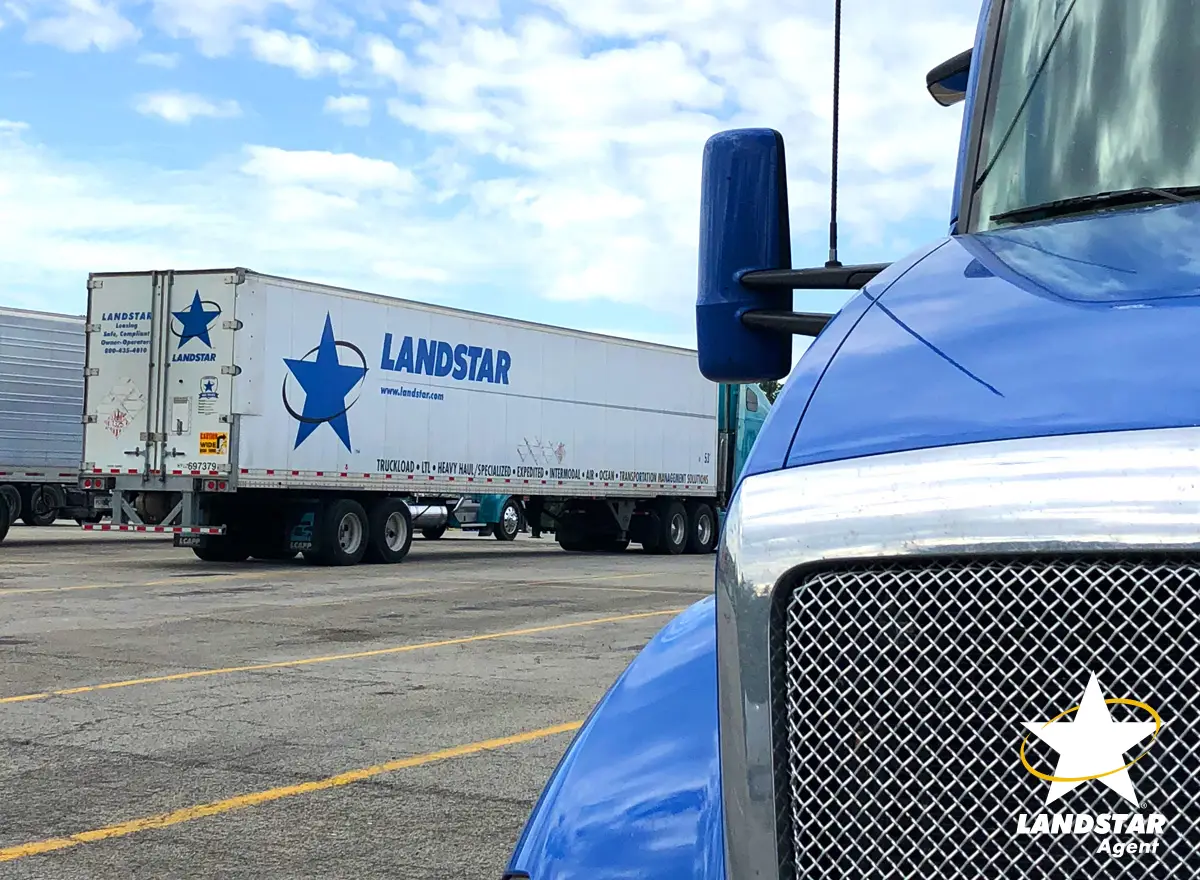
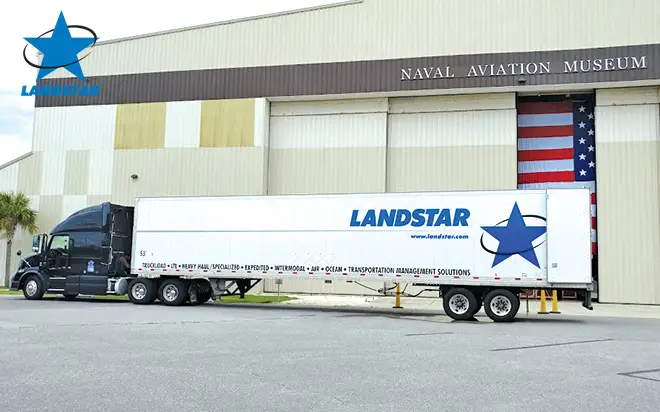
Jansson LLC is a Landstar freight agent with access to an extensive network of LTL carriers across the country.
What Working With Jansson Looks Like
Shipments get reviewed for consolidation opportunities before they move.
Load plans get optimized to reduce LTL fuel surcharge exposure. Carrier relationships get leveraged to negotiate favorable base rates. Real-time visibility keeps you informed at every stage.
When fuel costs rise, as they are right now, a proactive logistics partner means you are adjusting your strategy before the invoice arrives.
Not after.
Stop Paying More Than You Have To
Every unnecessary LTL shipment is a surcharge you did not have to pay.
Consolidate your shipping. Improve your forecasting. Work with a partner who understands how LTL freight costs actually work.
In 2026, businesses that manage their LTL fuel surcharge exposure proactively will have a real cost advantage over those that do not.
Fuel costs are rising. Your strategy should not be standing still. Talk to a Jansson LLC expert today.
And let’s build an LTL shipping strategy that reduces your surcharge exposure, starting with your next shipment.