International shipping creates access to new markets and global growth. But it also demands strong risk mitigation from the very start.
Every cross-border move introduces new challenges, from customs and regulations to delays and damage.
With more touch points and uncertainty, even well-planned shipments can run into costly setbacks.
The risk exposure grows with each border crossed, raising the stakes for compliance, timing, and cargo integrity.
That’s why risk mitigation isn’t just helpful. It’s essential in international logistics.
Here’s how U.S. businesses can manage logistics risks effectively, protect their international shipments, and keep global supply chains moving safely and profitably.
Why Risk Mitigation Matters in International Shipping
The stakes are higher when your goods travel across borders.
International logistics involves not just transport, but also documentation, customs, handling, and regional regulations.
One missed form or delayed scan can cause days of delays or thousands in fees.
Beyond the paperwork, other risks come into play. These include freight theft, extreme weather, port congestion, or infrastructure issues in a destination country.
If your business relies on international shipping, you need a plan to mitigate risks in international shipping from the very first mile to the last.
9 Ways to Mitigate Risk in International Logistics
Here are nine practical strategies U.S. businesses can use to strengthen their risk management approach in international logistics.
1. Vet Your Carriers and Logistics Partners Thoroughly
Not all carriers are created equal.
Before you hand over your freight, make sure your international shipping providers are experienced, licensed, and insured.
Look for strong cross-border capabilities, customs knowledge, and a reliable international network.
This reduces risk before your goods even leave the warehouse.
2. Standardize and Double-Check Documentation
Mistakes in international shipping paperwork are a leading cause of delays.
Make sure invoices, packing lists, certificates of origin, and commercial terms are accurate and consistent.
A single error can hold up customs clearance or trigger fines.
Proper documentation is the foundation of risk mitigation.
3. Use Cargo Insurance Strategically
Many businesses assume basic carrier liability is enough.
It’s not.
Cargo insurance protects against theft, damage, or loss that can happen during transit, especially across multiple borders.
Work with your logistics provider to get the right coverage for your type of freight and destinations.
4. Invest in Shipment Visibility and Tracking
Real-time tracking allows you to react quickly to delays, route changes, or handling problems.
Choose a logistics partner who offers live tracking tools and proactive updates.
Visibility is one of the most effective ways to manage logistics risks effectively across global shipments.
5. Build Buffer Time Into Your Delivery Schedules
Ports, customs agencies, and border crossings don’t always move on schedule.
Weather events, political shifts, or labor issues can cause unexpected slowdowns.
Adding extra time to delivery windows helps your business absorb those surprises without disrupting customer commitments.
6. Stay Current on Import and Export Regulations
Each country has its own rules for importing and exporting goods.
These rules change often, and non-compliance can lead to delays or shipment rejection.
Regularly review the trade regulations of your target markets, or work with a partner who tracks them for you.
7. Diversify Your Routes and Carriers
Relying on a single lane or carrier can be risky.
If one port faces congestion or a key partner goes offline, your whole supply chain feels it.
Use alternative routes, backup carriers, and inland transport options to build more resilience into your international logistics strategy.
8. Train Your Team on Risk Awareness
Risk mitigation doesn’t just happen at the executive level.
Your team—from warehouse staff to customs coordinators—should know how to identify and avoid risks.
Ongoing training in international logistics best practices keeps your workforce sharp and reduces costly mistakes.
9. Work With a Logistics Partner Who Specializes in International Freight
A strong logistics partner brings more than trucks and tracking.
They offer customs expertise, trade compliance support, route optimization, and real-world experience moving freight across borders.
That’s where Jansson comes in.
How Jansson Helps You Manage Logistics Risks Across Borders
At Jansson, we don’t believe international shipping should feel like a gamble.
We help U.S. businesses reduce risk and protect their shipments, whether you’re shipping to Canada, Mexico, or overseas.
Here’s how we do it.
Built-In Compliance at Every Step
Risk mitigation begins with compliance.
We ensure your documentation, labeling, permits, and customs declarations meet the latest standards in every region your freight moves through.
That means fewer delays, fewer penalties, and smoother delivery.
Real-Time Visibility That Keeps You Informed
Jansson provides live shipment tracking and proactive alerts. We keep you informed at every stage of the journey, from port loading to customs clearance. If anything changes, you’ll know first.
Deep International Shipping Experience
We’ve managed cross-border and international shipments for years. That includes high-value freight, temperature-sensitive cargo, and regulated goods.
Our team understands the challenges and nuances that come with moving freight through multiple borders.
Strategic Route and Carrier Planning
Jansson works with a vetted network of international carriers and freight forwarders.
We help you build resilience into your supply chain by offering multiple transport options and customized routing strategies.
Insurance, Securement, and Risk Review
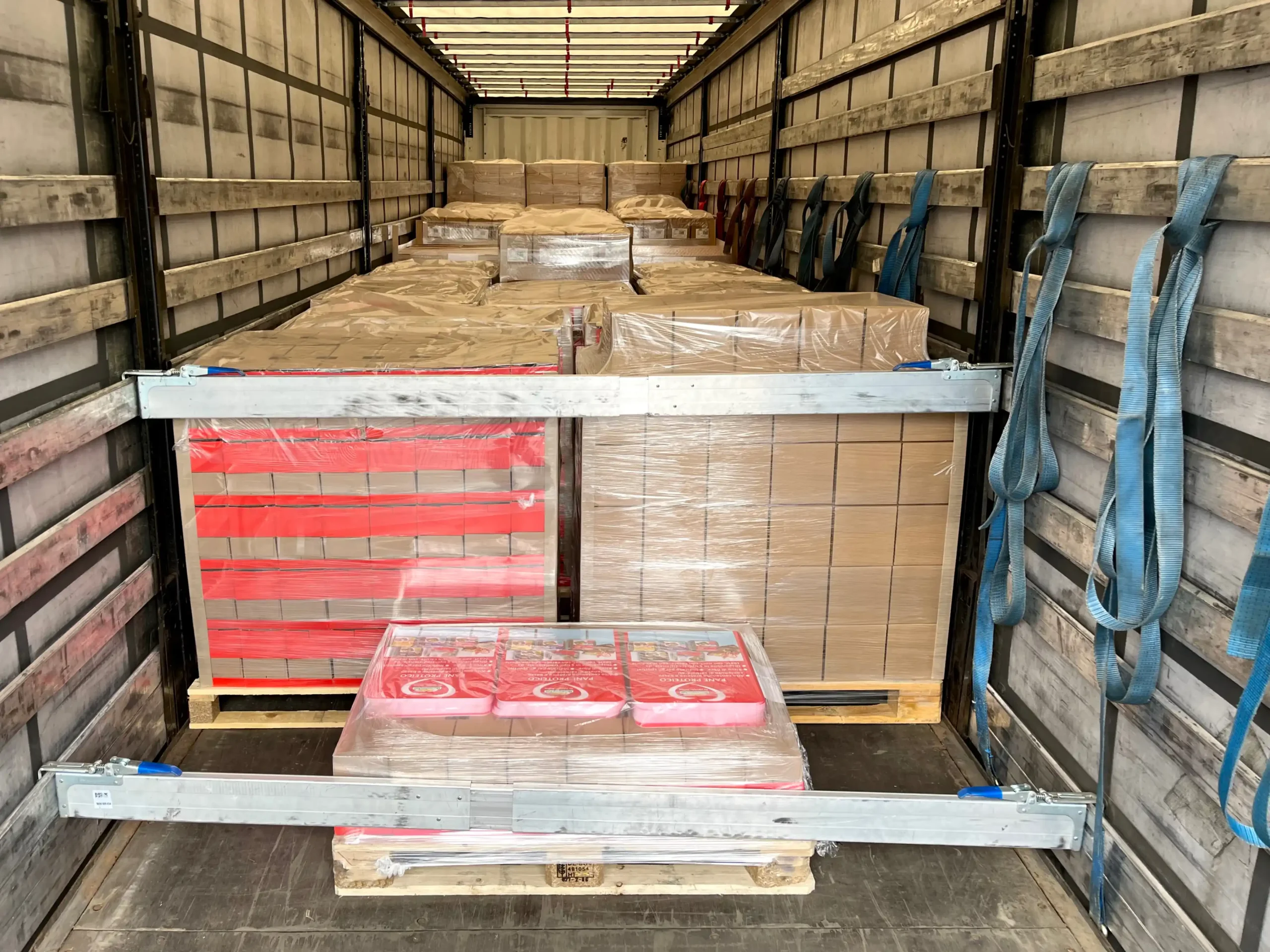
From cargo insurance to load securement, we make sure every shipment is protected from pickup to delivery.
We also offer risk audits to review your current international logistics process and recommend improvements.
Fast, Responsive Support When It Counts
When something goes wrong in international shipping, minutes matter. Jansson’s team acts fast to coordinate with carriers, manage border handoffs, and minimize disruption.
You won’t get bounced around. You’ll get answers and action.
Risk Mitigation in Logistics Isn’t Optional. It’s Your Competitive Advantage.
Global trade is filled with opportunity.
But it’s also filled with risk. Without a clear risk mitigation strategy, your supply chain can become fragile, unpredictable, and costly.
Jansson helps U.S. businesses turn that risk into control.
We bring deep experience, reliable support, and smarter solutions for your international shipping challenges.
Whether you’re shipping high-value goods to Canada or managing complex cross-border freight to Mexico, we’re here to help you stay protected, compliant, and confident.
Let’s talk about how to build a more resilient international logistics strategy, one that moves your freight safely, efficiently, and with less risk at every step.