
9 Heavy Haul Safety Tips U.S. Businesses Should Know Before Shipping Oversized Freight
Transporting oversized or heavy equipment across the United States is far more complex than standard freight shipping. Moving massive machinery, construction equipment, or industrial components requires careful coordination, specialized trailers, and strict attention to safety standards.
For businesses that rely on heavy haul transportation, safety is not simply another item on a checklist—it is a core part of the entire process. One overlooked detail can lead to damaged cargo, compliance violations, costly delays, or serious safety risks for drivers and other road users.
Because oversized freight presents unique logistical challenges, companies must plan every step carefully. From selecting the right equipment to securing the load properly and navigating state regulations, each decision affects the success of the shipment.
If your organization regularly moves large or overweight freight, understanding the essential safety considerations is critical. Below are nine practical safety principles that experienced heavy haul shippers keep in mind before a truck ever leaves the loading yard.
1. Understand the Exact Details of Your Load
Every successful heavy haul shipment begins with one simple step: knowing precisely what you are moving.
Oversized freight varies widely in shape, weight, and structure. Some equipment may be tall but narrow, while other loads are extremely heavy with uneven weight distribution. Because of this, accurate measurements are essential before planning transport.
Key details typically include:
-
Total weight of the shipment
-
Height, width, and length
-
Center of gravity
-
Structural design or fragile components
These measurements directly affect several important logistics decisions. For example, the height of your cargo may determine whether certain bridges or overpasses are safe to pass under. Similarly, the total weight of the shipment can impact which roads are legally permitted for travel.
When these details are clearly understood from the start, logistics teams can choose appropriate trailers, obtain correct permits, and design a safe route.
2. Stay Compliant With Federal and State Regulations
Heavy haul transportation in the United States operates under a complex regulatory framework. While federal transportation rules provide baseline safety standards, each state often has its own additional requirements for oversized or overweight loads.
These regulations may include:
-
Special permits for oversized cargo
-
Escort vehicle requirements
-
Travel time restrictions
-
Designated routes for heavy loads
For instance, some states restrict oversized freight from traveling during rush hour or nighttime hours. Others require escort vehicles when loads exceed certain width or height limits.
Failing to follow these regulations can result in fines, delayed shipments, or even forced route changes mid-transport. That is why many businesses partner with experienced heavy haul providers who understand how to navigate the regulatory landscape across multiple states.
3. Use the Right Trailer and Transport Equipment
Choosing the correct trailer configuration is another crucial step in safe heavy haul transportation.
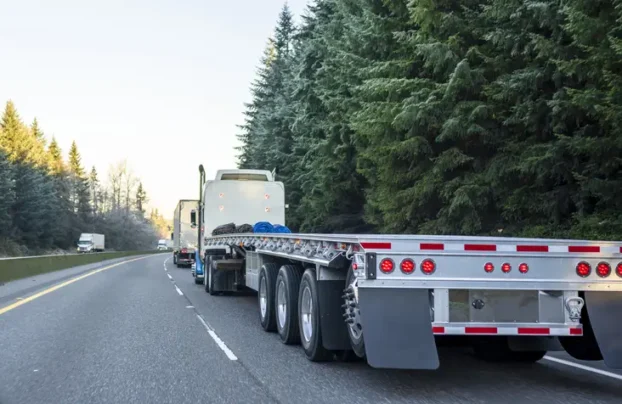
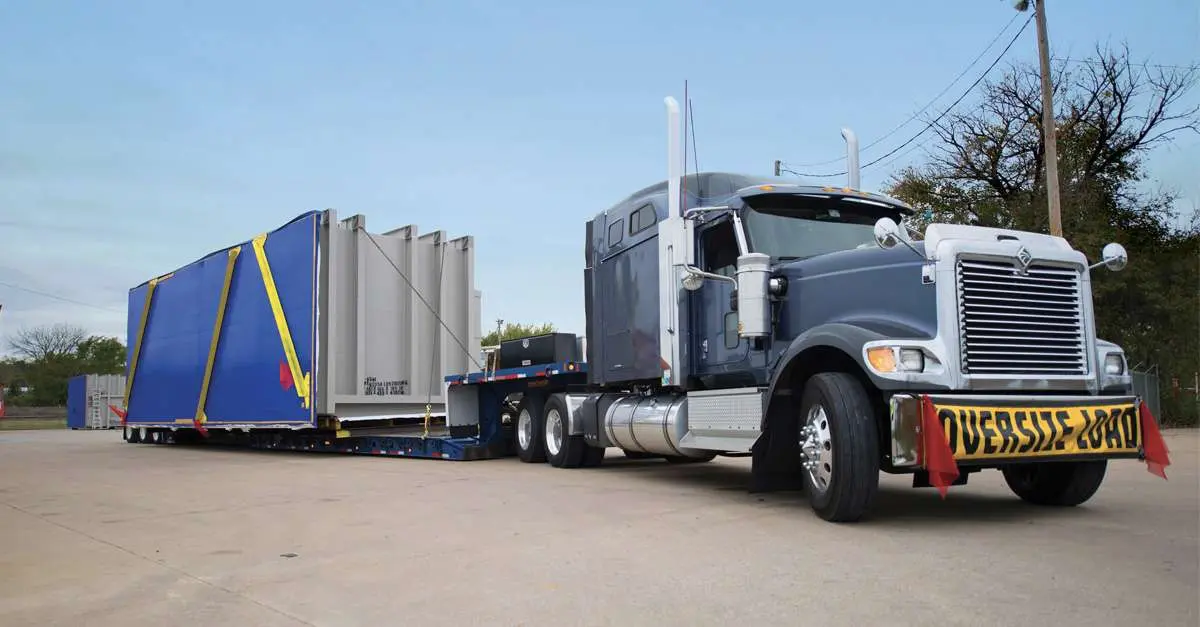
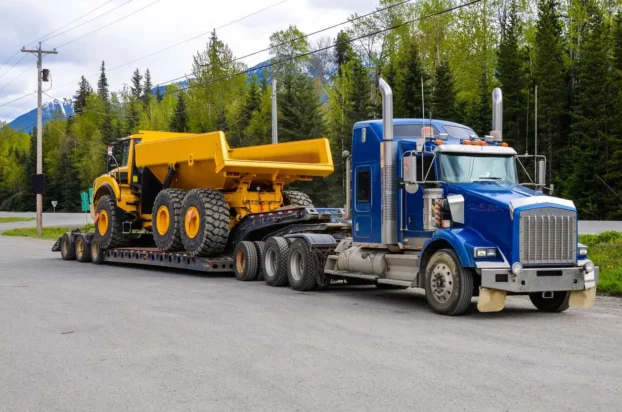
Standard flatbed trailers are often insufficient for extremely large or heavy equipment. Instead, specialized trailers are typically used depending on the cargo type.
Common heavy haul trailer options include:
-
Removable gooseneck (RGN) trailers
-
Multi-axle trailers
-
Extendable flatbeds
-
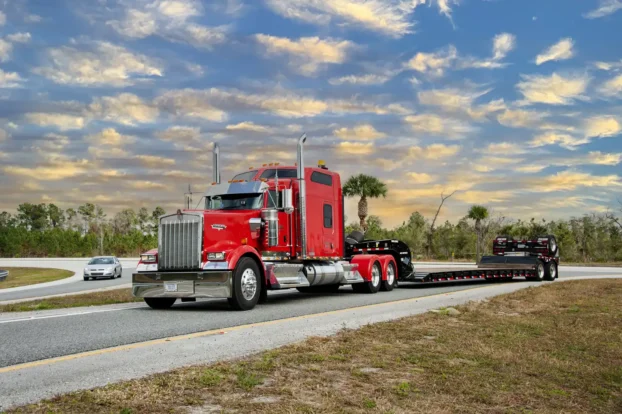
Lowboy trailers
Each design serves a specific purpose. Lowboy trailers, for example, allow tall equipment to sit lower to the ground, reducing height clearance issues. Multi-axle trailers help distribute weight more evenly across the road surface, improving stability and preventing excessive stress on highways.
Selecting the proper trailer not only improves safety but can also prevent unnecessary road damage and compliance violations.
4. Load and Secure Cargo Carefully
Even the most advanced trailer cannot compensate for poor loading practices. Improperly loaded cargo remains one of the most common causes of heavy haul incidents.
Loading heavy equipment requires careful weight distribution. If too much weight sits on one side or axle group, it can create balance issues that affect steering, braking, and vehicle stability.
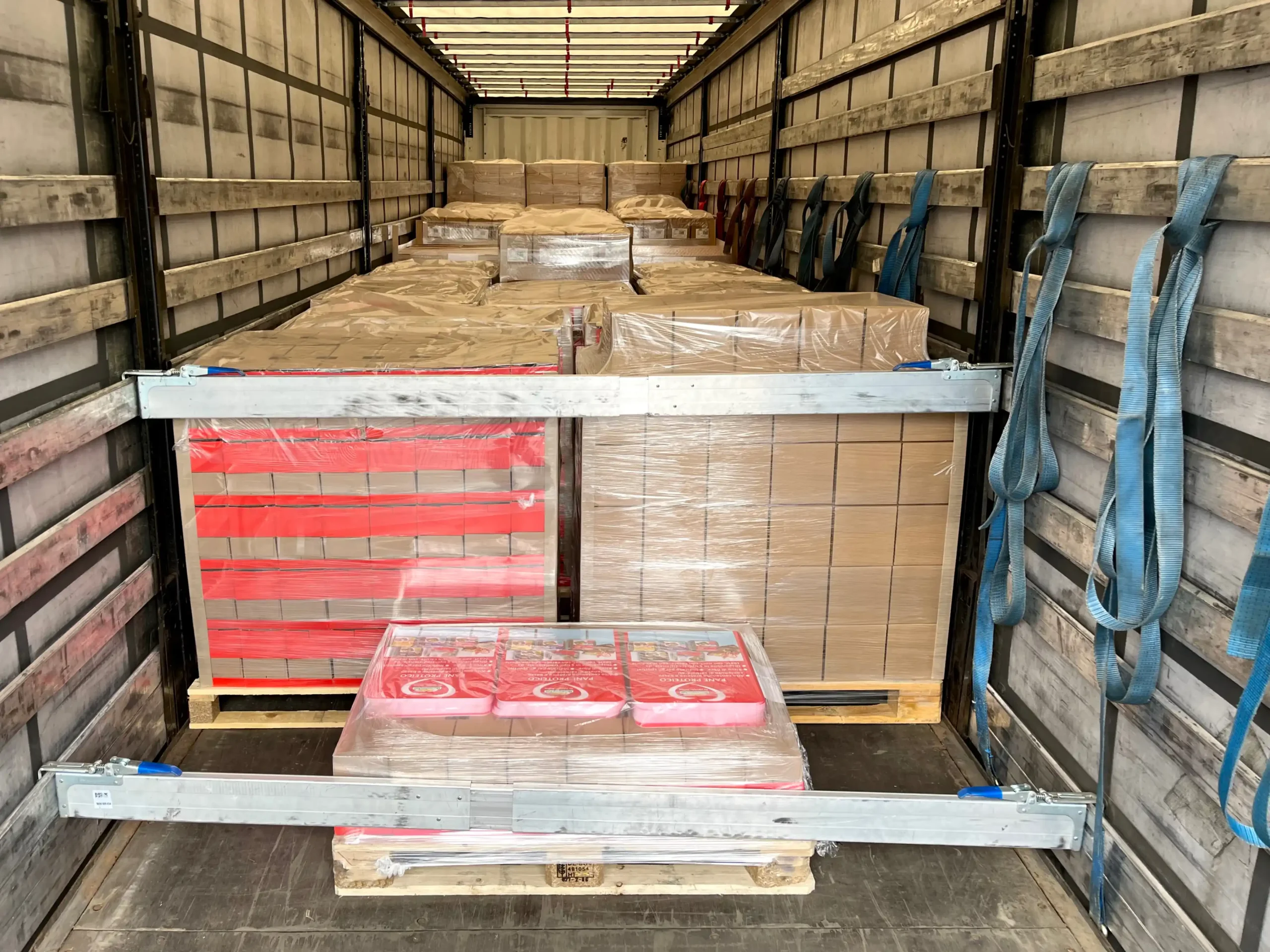
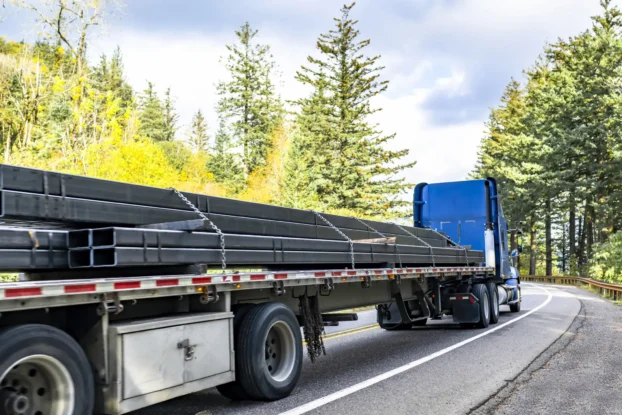
To reduce these risks, experienced crews use multiple securement techniques, such as:
-
High-strength chains
-
Industrial-grade straps
-
Heavy-duty binders
-
Stabilizing blocks or braces
The goal is to ensure the cargo remains completely stable throughout the journey. Sudden stops, turns, or uneven road conditions should not cause the load to shift.
Proper securement is not just good practice—it is a legal requirement under federal cargo securement rules.
5. Work With Skilled Heavy Haul Drivers
Heavy haul trucking requires a different level of experience than traditional freight transportation. Drivers must be trained to handle oversized loads that can significantly affect vehicle handling and braking distance.
Professional heavy haul drivers typically undergo specialized training to learn how to:
-
Manage wide or tall loads in traffic
-
Navigate narrow or restricted routes
-
Coordinate with escort vehicles
-
Handle complex loading scenarios
When evaluating a heavy haul carrier, it is always wise to review the company’s safety history, driver qualifications, and experience transporting similar equipment.
Experienced drivers are often the difference between a smooth delivery and a complicated, risky journey.
6. Perform Thorough Equipment Inspections
Routine inspections play a vital role in maintaining safety during heavy haul operations.
Before every trip, critical components should be examined carefully. These inspections usually cover areas such as:
-
Tire condition and pressure
-
Brake performance
-
Trailer connections
-
Lighting systems
-
Cargo securement hardware
Heavy loads place significant strain on transport equipment. Over time, this stress can wear down mechanical components or loosen securement systems.
By identifying potential problems early, operators can prevent mechanical failures that might otherwise occur during transit.
Regular inspections also help companies remain compliant with transportation safety regulations.
7. Plan Routes Strategically
Route planning for heavy haul transportation requires far more attention than ordinary freight deliveries.
Many highways and local roads have limitations that can affect oversized loads. Low bridges, narrow lanes, construction zones, and weight-restricted roads all present potential obstacles.
Because of these challenges, experienced logistics teams often use specialized route-planning software combined with official transportation data from state agencies. This allows them to identify approved roads and avoid dangerous or restricted areas.
Effective route planning helps minimize delays, improves safety, and ensures compliance with state transportation departments.
8. Maintain Clear Communication Throughout the Shipment
Communication is another critical factor in safe heavy haul transport.
Multiple parties are usually involved in these shipments, including:
-
The shipper
-
The trucking company
-
Escort vehicle operators
-
Dispatch coordinators
Each group plays a role in keeping the shipment on schedule and responding to unexpected situations.
Clear communication helps prevent misunderstandings regarding delivery instructions, route adjustments, or safety requirements. Many modern heavy haul operations rely on real-time tracking systems that allow teams to monitor shipments and share updates instantly.
When everyone stays informed, problems can be addressed quickly before they escalate into major disruptions.
9. Prepare for Unexpected Delays
Even the most carefully planned heavy haul shipment can encounter unforeseen challenges.
Weather conditions, permit issues, mechanical problems, or road closures may force changes along the way. Experienced shippers recognize that flexibility is part of the process.
That is why many heavy haul providers build contingency plans into their logistics strategies. These backup plans may include alternate routes, spare equipment, or scheduling buffers to accommodate unexpected delays.
Preparation helps companies respond quickly to problems while keeping both the cargo and the transportation team safe.
Why Many U.S. Businesses Trust Jansson for Heavy Haul Transport
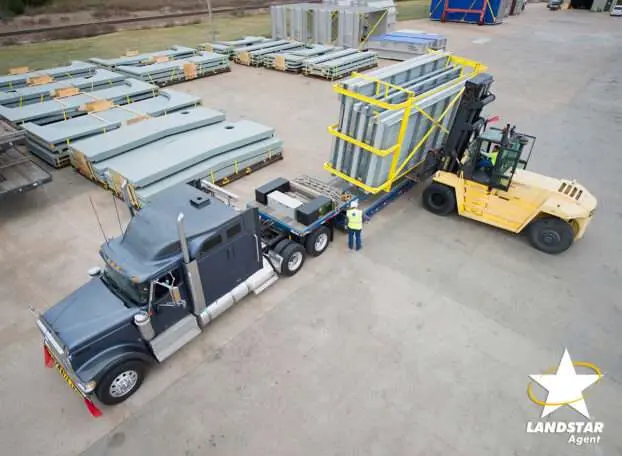
For companies that regularly move oversized freight, choosing the right logistics partner is an important decision. Safety, reliability, and regulatory expertise all play a role in determining whether a shipment arrives on time and without complications.
Jansson approaches heavy haul transportation with a strong emphasis on planning, safety standards, and experienced personnel.
Industry Experience That Supports Complex Shipments
Transporting oversized cargo requires deep industry knowledge. From regulatory requirements to route engineering, each shipment presents its own challenges.
Jansson’s team has experience coordinating heavy haul moves across multiple regions, helping businesses move large equipment while remaining compliant with transportation rules.
Detailed Planning for Safe Cargo Securement
Safe transportation begins with careful preparation. Each load is evaluated individually to determine the best trailer configuration and securement strategy.
Weight distribution, cargo dimensions, and transportation regulations are all considered before a shipment begins its journey.
Professional Drivers Trained for Oversized Freight
Heavy haul transportation requires drivers who are comfortable operating large vehicles under complex conditions.
Jansson works with trained drivers who understand the unique challenges associated with oversized loads. Their experience allows them to navigate difficult routes while maintaining strict safety standards.
Regulatory Compliance Across State Lines
Because heavy haul shipments often cross several states, regulatory compliance becomes a significant part of the process.
Permit requirements, travel restrictions, and escort regulations can vary depending on location. Jansson manages these administrative requirements to ensure shipments remain compliant throughout the entire route.
Equipment Designed for Heavy Freight
Reliable equipment is essential for transporting large and valuable cargo. Heavy haul operations rely on trailers and tools capable of supporting extreme loads safely.
Jansson invests in equipment designed to handle oversized freight efficiently, helping reduce transportation risks while maintaining industry safety standards.
Moving Oversized Freight With Greater Confidence
Shipping heavy equipment does not need to be overwhelming when the right planning and expertise are involved.
By understanding safety requirements, preparing shipments carefully, and partnering with experienced logistics professionals, businesses can move oversized freight with greater efficiency and reduced risk.
Companies that depend on reliable heavy haul transportation often look for providers who offer more than basic trucking services. Strategic planning, regulatory knowledge, and experienced drivers all contribute to successful deliveries.
For organizations preparing their next heavy haul shipment, taking the time to plan carefully can make all the difference between a smooth transport experience and an avoidable setback.