In international shipping, time is money, and smooth logistics are the secret to keeping your bottom line healthy.
Delays from customs, port congestion, or poor coordination hurt the global supply chain. As a result, it can impact production, customer satisfaction, and revenue.
For U.S. companies managing international freight, reducing lead times isn’t just a goal; it’s a competitive advantage.
But achieving smooth logistics across borders is easier said than done.
Complex international regulations and tariffs, fluctuating transit conditions, and documentation errors can all slow things down.
Businesses can take clear, proactive steps to mitigate risks and streamline international shipments.
Let’s explore what’s causing the holdups and how to fix them.
Why Lead Times Get Out of Hand
International shipping involves multiple legs, languages, regulations, and stakeholders. It’s no surprise that things often go off track.
Delays often start at the documentation stage.
Incorrect or incomplete customs paperwork can hold shipments for days or even weeks.
Then there’s freight consolidation, carrier coordination, port scheduling, and last-mile delivery.
All of which must align for a shipment to arrive on time.
Add to that rising fuel prices, labor shortages, and limited carrier availability, and your “just-in-time” delivery can quickly turn into “way too late.”
To achieve truly smooth logistics, companies must focus on visibility, preparation, and agility.
Strategy 1: Start with Smarter Documentation
Customs regulations vary by country. One small error on a commercial invoice or a missing certificate of origin can stall your shipment indefinitely.
Start by double-checking documentation requirements before booking any cargo.
Use digital tools that validate and organize paperwork.
Make sure your logistics team understands the customs regulations in both origin and destination countries.
When it comes to smooth logistics, paperwork is often the first point of failure. It should also be your first line of defense.
Strategy 2: Pre-Clear Customs When Possible
Some countries allow for customs pre-clearance, which speeds up border processes significantly.
If you’re shipping goods from the U.S. to Mexico or Canada, for example, pre-clearance services help avoid long border waits.
This minimizes handling time at ports of entry and gets your freight moving faster.
A reliable international logistics partner can coordinate this step as part of your overall transit plan.
Strategy 3: Optimize Freight Consolidation
Too many small shipments can increase costs and delay timelines. Consolidating cargo, when feasible, improves efficiency.
Fewer stops mean faster routes.
But smart consolidation also means grouping shipments that share similar customs procedures or destination zones.
This strategy supports smoother international freight movement and reduces the risk of bottlenecks caused by over-segmentation.
Strategy 4: Use High-Quality Packaging Materials
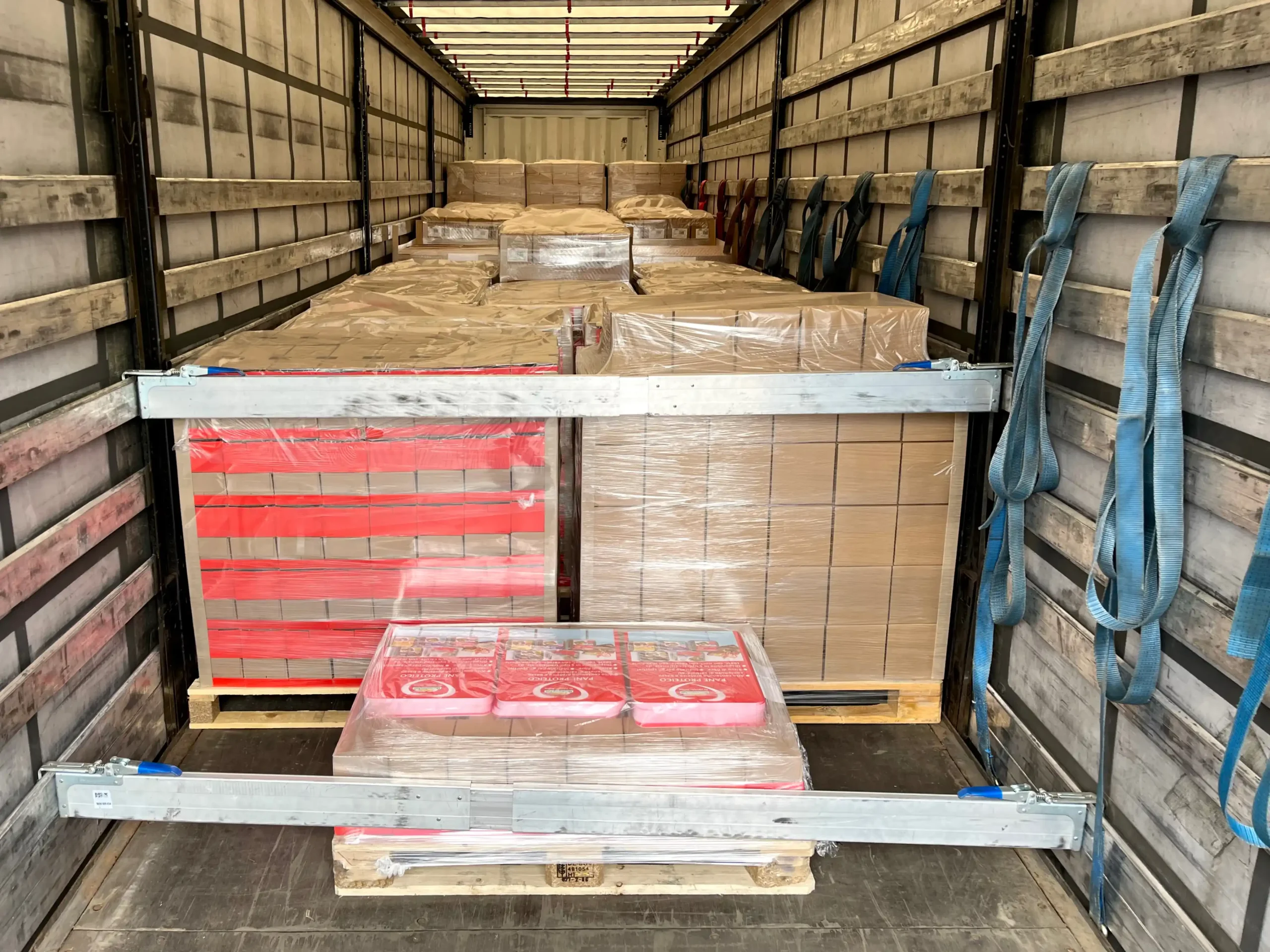
The right packaging isn’t just about protecting goods. It can also reduce inspections, hold-ups, and damage-related delays.
Proper packaging that meets international shipping standards (especially for HAZMAT or fragile items) reduces customs rejections.
Proper packaging keeps cargo intact and avoids unnecessary detours to repackage or replace damaged items mid-route.
Strategy 5: Partner With Experienced Freight Forwarders
Not all international logistics providers are created equal.
Some specialize in domestic freight but lack the network or knowledge needed for smooth global movement.
Choose experienced partners skilled in international customs, route planning, and intermodal coordination.
Jansson, for example, offers full-service international shipping support. This includes paperwork to final-mile delivery across North America and beyond.
Strategy 6: Leverage Technology for Real-Time Visibility
Visibility is critical for identifying and resolving delays before they escalate.
Modern logistics technology allows shippers to track shipments at every stage of transit.
Alerts can flag customs holds, port congestion, or weather disruptions early.
Real-time data allows teams to reroute shipments or adjust production, ensuring smooth operations and informed stakeholders.
Strategy 7: Choose Strategic Ports and Routes
Not all ports and routes are created equal. Choosing the “cheapest” lane can sometimes cost more in time and risk.
Some ports are frequently congested or prone to labor strikes, while others offer more reliable service.
Use data and expert insights to select optimal gateways for your goods.
Jansson works closely with its clients to evaluate port performance and recommend faster alternatives that reduce lead times.
Strategy 8: Build Flexibility Into Your Supply Chain
The global supply chain is constantly shifting. Geopolitical changes, weather events, or carrier (and truck driver) shortages can disrupt even the best plans.
The solution isn’t to hope for fewer disruptions.
It’s to design your international logistics strategy with built-in flexibility.
This could mean having backup carriers, alternate ports, or flexible inventory strategies.
It might also include spreading suppliers across regions to reduce dependency on any one country.
Strategy 9: Schedule for Buffer, Not Bare Minimum
Planning with razor-thin lead times leaves no room for error. Add realistic buffers to your transit timelines.
This doesn’t mean padding every shipment with a week of extra time.
But it does mean allowing space for inevitable delays without causing downstream chaos.
Better visibility, smarter planning, and responsive partners ensure efficient, achievable international shipping schedules.
Why Smooth Logistics Is a Business Advantage
When lead times shrink and supply chain surprises decrease, everything runs better.
Production stays on track with a steady flow of materials. Deliveries land on customer doorsteps on time, every time.
This shift means less time spent in “crisis mode” and more energy dedicated to scaling the business.
Smooth logistics isn’t just an operational goal. It’s a competitive edge.
Companies that master international logistics perform better financially, earn customer trust, and weather global disruptions more effectively.
Simplify Global Shipping. Ensure Smooth Logistics with Jansson.
At Jansson, we understand that managing international shipments can feel like navigating a maze.
That’s why we’ve built our services around making international logistics smoother, faster, and more predictable for U.S. businesses.
Our team specializes in cross-border and global freight coordination, with expertise in customs regulations, route optimization, and lead time reduction.
We help businesses like yours stay compliant, agile, and ahead of the curve.
From customs paperwork and packaging compliance to real-time tracking and responsive support, Jansson brings control back to your global supply chain.
Let’s Make Global Shipping Smarter
Reducing lead times doesn’t have to mean sacrificing quality or blowing your budget.
With the right planning and the right partner, you can achieve smooth logistics even in the most complex international environments.
If you’re ready to streamline your international freight operations, talk to Jansson.
We’ll help you reduce delays, improve predictability, and keep your global shipments moving in the right direction.
Book a call with a Jansson expert today, and let’s move forward together.