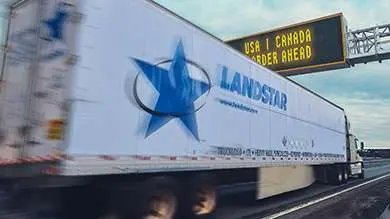

Why Are Supply Chains So Chaotic in 2025?
Global supply chains in 2025 look nothing like they did a decade ago. Once predictable trade flows are now constantly disrupted by geopolitical tensions, climate disasters, and labor instability. According to Deloitte’s 2025 Global Supply Chain Outlook, companies that succeed are those that embrace agility and rely on logistics partners who can pivot quickly when disruptions strike.
For shippers, the stakes are high: late deliveries don’t just mean lost revenue—they erode customer trust. Let’s take a closer look at the biggest disruptions shaping supply chains in 2025 and how smart logistics strategies can mitigate risk.
How Are Geopolitical Shifts Impacting Trade Routes?
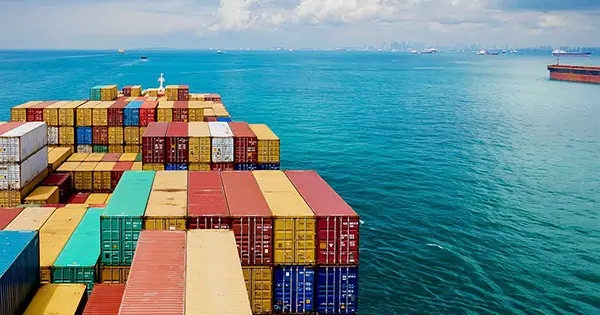
Sanctions, conflicts, and shifting trade alliances are redrawing the global shipping map. For example, increased restrictions in Eastern Europe and the Red Sea have forced shippers to reroute cargo, sometimes adding weeks to delivery schedules.
Impact on supply chains:
- Delayed shipments due to customs bottlenecks
- Higher compliance and insurance costs
- Diversion of cargo to alternate ports and regions
Agile logistics providers are staying ahead by:
- Tracking real-time political developments
- Maintaining multi-route networks
- Building compliance expertise across markets
How Is Climate Change Disrupting Freight?
2025 has already seen severe floods in Asia, wildfires in North America, and storms across Europe, shutting down ports, highways, and warehouses. The World Economic Forum identifies climate-related disruptions as one of the top three risks for global supply chains this year.
Impact on supply chains:
- Route closures and detours
- Damaged goods and higher insurance premiums
- Extended delays in both imports and exports
Resilient logistics companies invest in:
- Real-time weather tracking and AI forecasting
- Contingency planning with secondary routes
- Multimodal transport to bypass affected regions
Why Are Ports Still Congested in 2025?
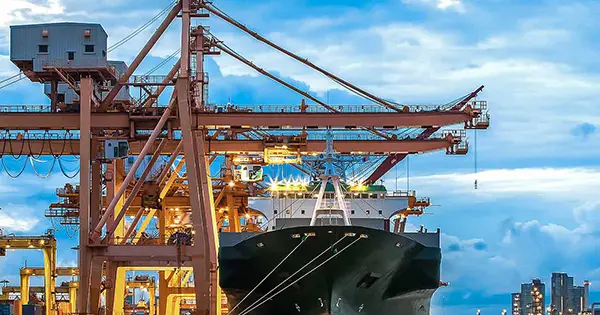
Even with automation and AI adoption at terminals, labor shortages, strikes, and training gaps continue to slow down cargo movement. According to the FMC, detention and demurrage complaints remain at record highs.
Impact on supply chains:
- Longer dwell times and missed delivery windows
- Increased detention and demurrage fees
- Lost revenue from delayed customer shipments
Shippers can minimize risks with logistics partners who:
- Schedule during off-peak hours
- Use alternative ports and intermodal solutions
- Pre-clear customs documentation for faster processing
What Role Do Agile Logistics Providers Play?
In today’s volatile environment, agility is no longer optional—it’s essential. The best logistics providers combine technology, flexible routing, and proactive communication to help shippers weather disruptions.
An agile logistics partner should:
- Provide real-time visibility and updates
- Offer multiple routing options
- Scale capacity quickly for seasonal or emergency demand
How Jansson LLC Helps Shippers Navigate Supply Chain Chaos
At Jansson Logistics, an independent agent of Landstar, we know that every disruption is unique. That’s why our approach is built on adaptability, transparency, and foresight.
Whether it’s rerouting freight during a climate emergency, navigating new regulations, or securing capacity during peak season, we help our clients keep goods moving and supply chains resilient.
👉 Contact Jansson LLC today to build a logistics solution designed for 2025 and beyond.