
From port congestion to surging demand, the freight industry has always had to weather disruption. But in 2025, the supply chain chaos is reaching a new peak—fueled by a mix of global instability, rising costs, and shifting consumer behavior.
Businesses across industries are feeling the pressure: late deliveries, spiraling freight rates, and unpredictable inventory cycles are cutting into margins. For shippers, importers, and supply chain managers, the big question is: what exactly is driving these challenges—and what can be done about it?
The Top Drivers of Supply Chain Chaos in 2025
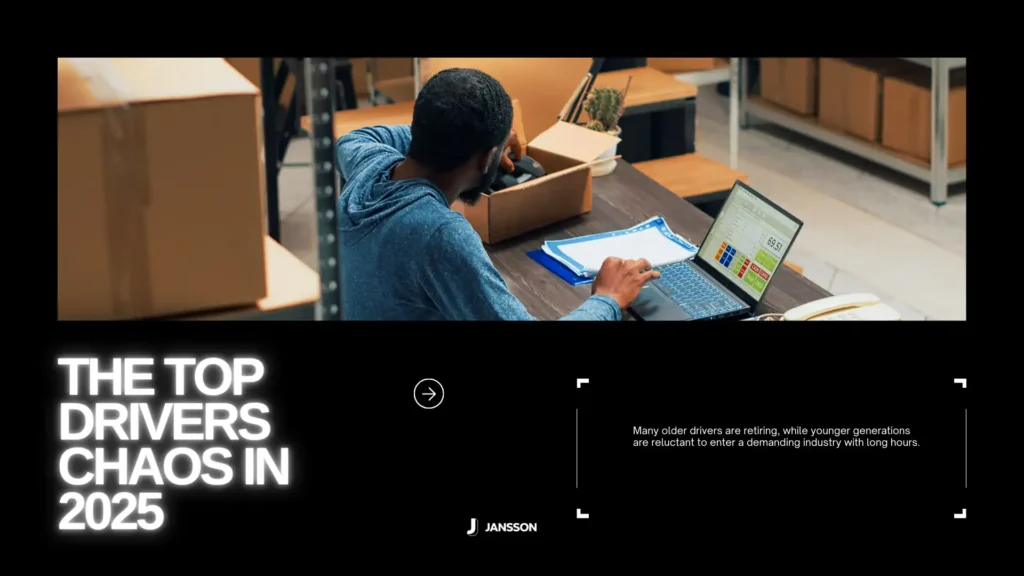
Labor shortages in trucking and warehousing
The U.S. trucking sector continues to face a driver shortage estimated in the tens of thousands. Many older drivers are retiring, while younger generations are reluctant to enter a demanding industry with long hours. On top of that, warehouses are struggling to retain staff in a tight labor market. Fewer hands on deck mean slower loading, longer transit times, and reduced capacity for shippers.
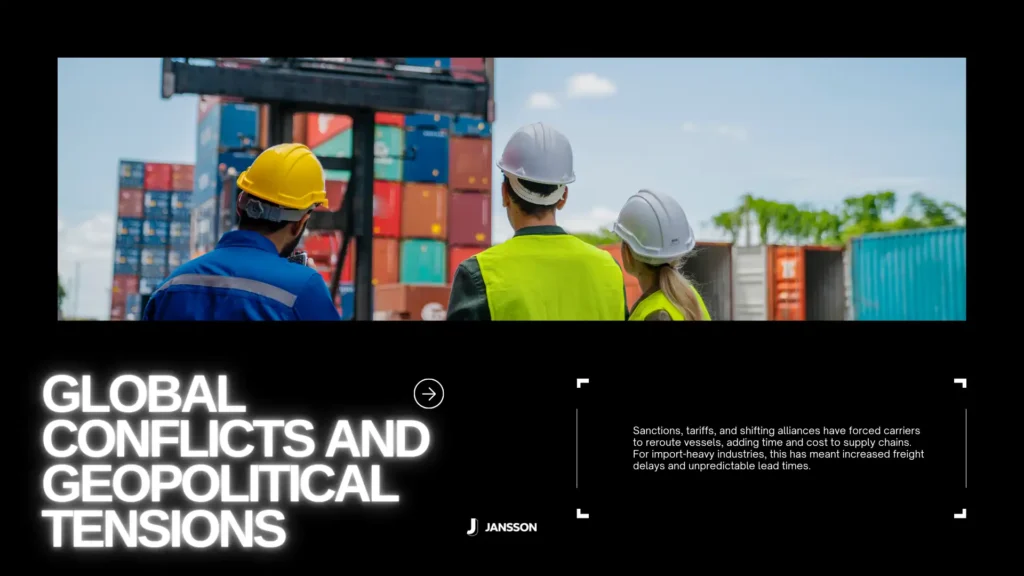
Global conflicts and geopolitical tensions disrupting trade lanes
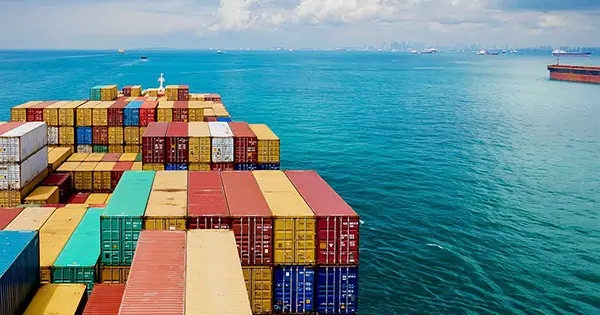
Geopolitical instability—ranging from conflict in Eastern Europe to trade disputes in Asia—is reshaping global shipping routes. Sanctions, tariffs, and shifting alliances have forced carriers to reroute vessels, adding time and cost to supply chains. For import-heavy industries, this has meant increased freight delays and unpredictable lead times.
Fuel and energy costs surging worldwide
The volatility of oil and energy markets in 2025 has driven diesel prices higher, directly impacting the cost of freight transportation. Airlines, trucking companies, and ocean carriers are all passing those expenses down the chain. Rising energy costs also hit warehouses and manufacturers, compounding the inflationary effect on logistics.
Natural disasters adding pressure on logistics hubs
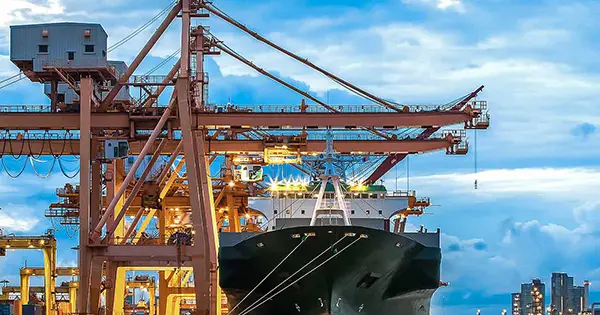
From hurricanes along the Gulf Coast to wildfires in the West, climate-driven natural disasters are creating recurring disruptions. Ports and intermodal hubs face shutdowns, rail lines get delayed, and trucking lanes close unexpectedly. These interruptions ripple across supply chains, creating unplanned bottlenecks and inventory shortfalls.
E-commerce growth straining last-mile delivery
Consumer expectations haven’t eased. With e-commerce sales still climbing, last-mile carriers are stretched thin. The demand for fast, same-day, and next-day delivery collides with driver shortages and rising urban congestion, pushing delivery networks to their limits. This has turned last-mile logistics into one of the costliest and most unpredictable segments of the supply chain.
The Ripple Effect on Businesses
The combined weight of these disruptions doesn’t just create headlines—it has direct consequences for businesses across the globe.
Delayed production schedules
Manufacturers dependent on just-in-time inventory are facing halted production lines when raw materials or components fail to arrive on time.
Cash flow challenges due to late inventory
Retailers and wholesalers are stuck with out-of-stock shelves and lost sales opportunities, while holding costs rise on delayed or rerouted goods.
Rising costs passed to customers
As freight rates climb, businesses are forced to increase prices, making goods less affordable for consumers already battling inflation.
Reduced competitiveness in global markets
Companies unable to adapt quickly risk losing market share to rivals with more resilient supply chain strategies.
How Companies Can Adapt
The chaos may feel overwhelming, but businesses do have options to strengthen resilience.
Diversify suppliers across regions
Depending on a single port or country is risky. By spreading suppliers across multiple geographies, companies reduce vulnerability to regional disruptions.
Use data and visibility tools for forecasting
Advanced analytics and real-time tracking tools empower shippers to predict bottlenecks and adjust strategies before disruptions escalate.
Partner with trusted logistics providers
Strong relationships with reliable 3PLs, freight brokers, or carriers ensure better communication, negotiated rates, and prioritized capacity during crunch times.
Focus on nearshoring when possible
Many companies are shifting production closer to home, reducing exposure to long international shipping lanes and gaining greater control over supply chain timing.
Conclusion
The reality is that supply chain chaos in 2025 isn’t a temporary storm—it’s the new normal. For businesses, the winners will be those who treat disruption as an opportunity to innovate. By building resilience, investing in technology, and choosing the right logistics partners, companies can stay competitive despite rising costs and persistent delays.
👉 Learn how resilient freight strategies can help your business survive the next wave of supply chain chaos.